
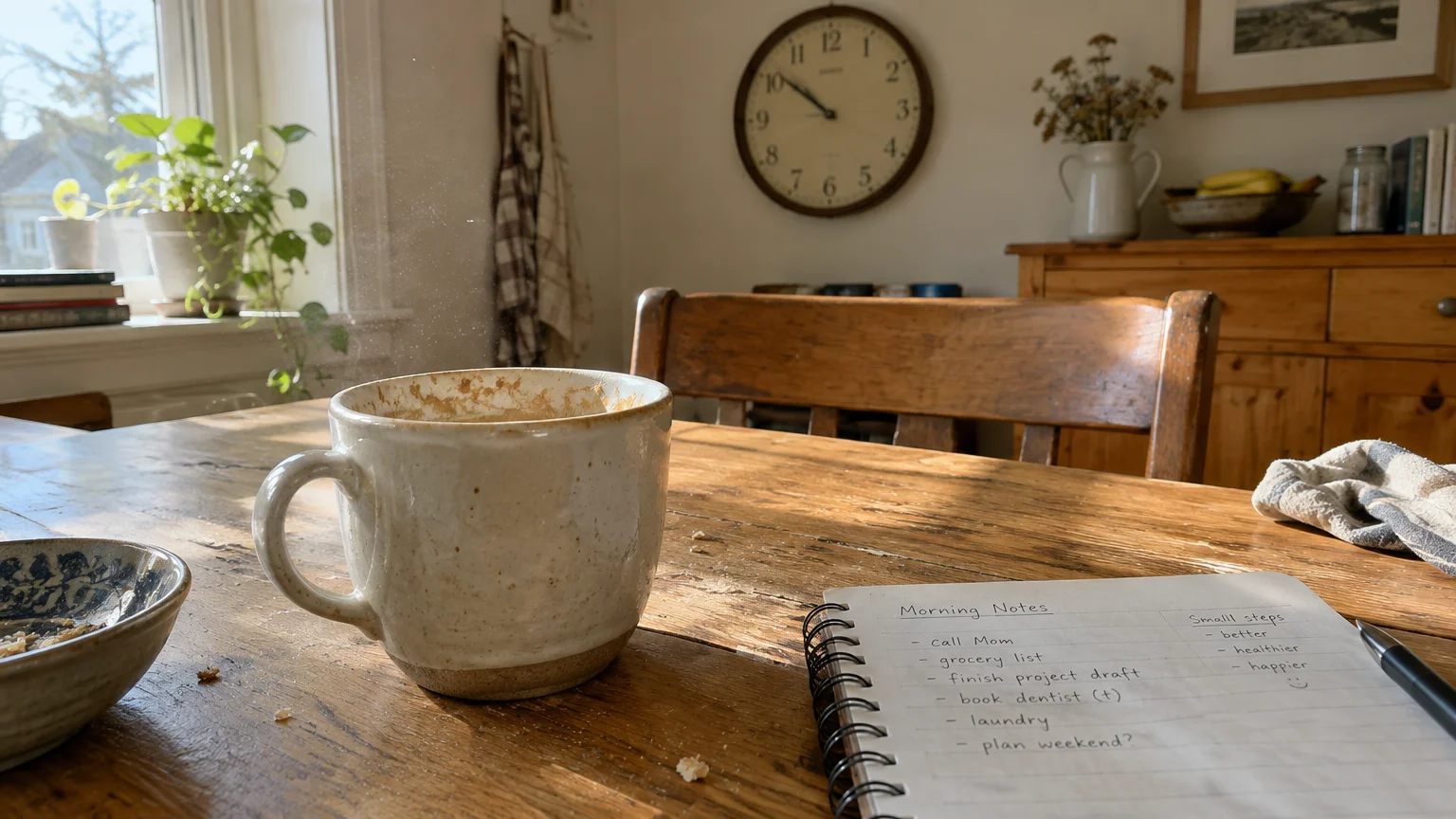
Pillar 2: Food Safety and the Two-Hour Threshold
Black coffee possesses natural antimicrobial properties due to its acidity and low nutrient profile for microbes. Left alone at room temperature, black coffee remains microbiologically safe for several hours.
The danger escalates drastically once you incorporate dairy milk, half-and-half, or sweetened plant-based creamers. These additions introduce sugars, proteins, and moisture that foster rapid bacterial multiplication.
According to food safety guidelines from the United States Department of Agriculture, perishable liquids should never sit between 40°F and 140°F for over two hours. Pathogens thrive aggressively within this thermal boundary.
Plant-based milks made from oat, soy, or almond also harbor perishable starches and proteins. These vegan alternatives ferment quickly when left at room temperature, creating identical food safety liabilities.
Many people assume a thirty-second microwave burst sterilizes cold, milky coffee sitting on their office desk. Unfortunately, brief microwave exposure fails to heat the liquid evenly enough to eliminate established bacterial colonies.
Spore-forming bacteria like Bacillus cereus can survive short heat exposures and produce heat-stable enterotoxins. These microscopic toxins persist even if you bring the coffee back to a steaming temperature.
Consuming contaminated reheated coffee can lead to sudden foodborne distress, including acute stomach cramps and diarrhea. Protecting your wellbeing means treating milky coffee with the same caution as perishable food.







Leave a Reply