
How Microwaves Alter Liquid Dynamics
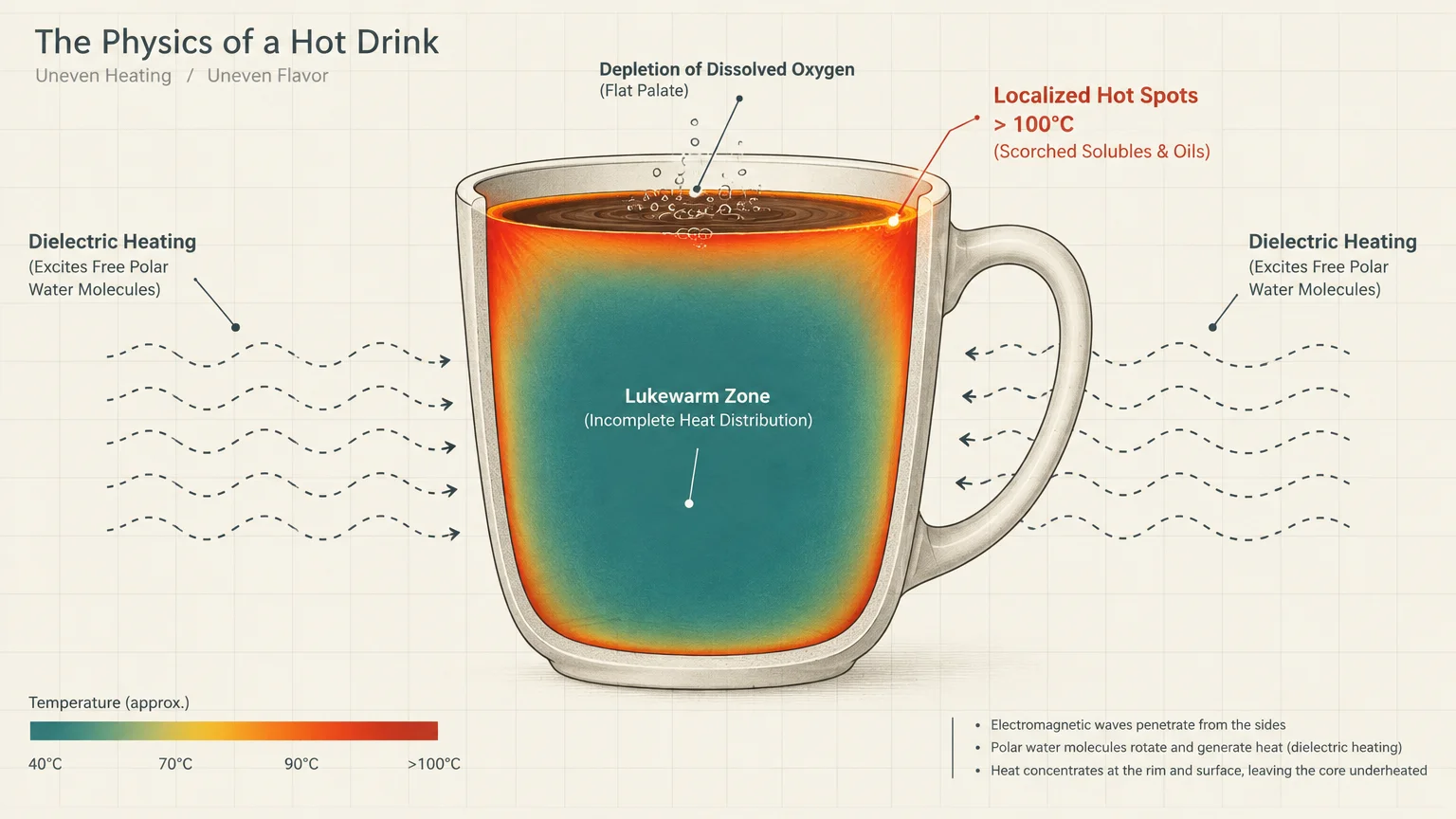
Microwaves do not heat liquids from the center outward like a conventional oven does. Instead, they produce non-ionizing electromagnetic waves that excite water molecules near the exterior of your mug.
This phenomenon creates drastic temperature gradients, producing localized hot spots that can exceed boiling temperatures. These thermal spikes scorch coffee oils and residual suspended solubles instantly.
Meanwhile, other sections of the mug remain lukewarm during the heating cycle. This uneven thermal exposure prevents a gentle, uniform restoration of the beverage’s original drinking temperature.
Dielectric heating selectively targets free polar molecules, leaving bound moisture relatively unaffected. This selective excitation strips away the silky mouthfeel that distinguishes specialty brews from industrial alternatives.
Superheating also forces dissolved oxygen out of the liquid in seconds. A complete loss of dissolved gases leaves the brew tasting notably stale, flat, and hollow on your palate.
Despite persistent urban legends, microwave radiation does not introduce carcinogenic toxins or alter genetic material. The hazard lies entirely in thermal degradation, moisture loss, and secondary bacterial concerns.
Pillar 1: Digestive Health and Acid Management
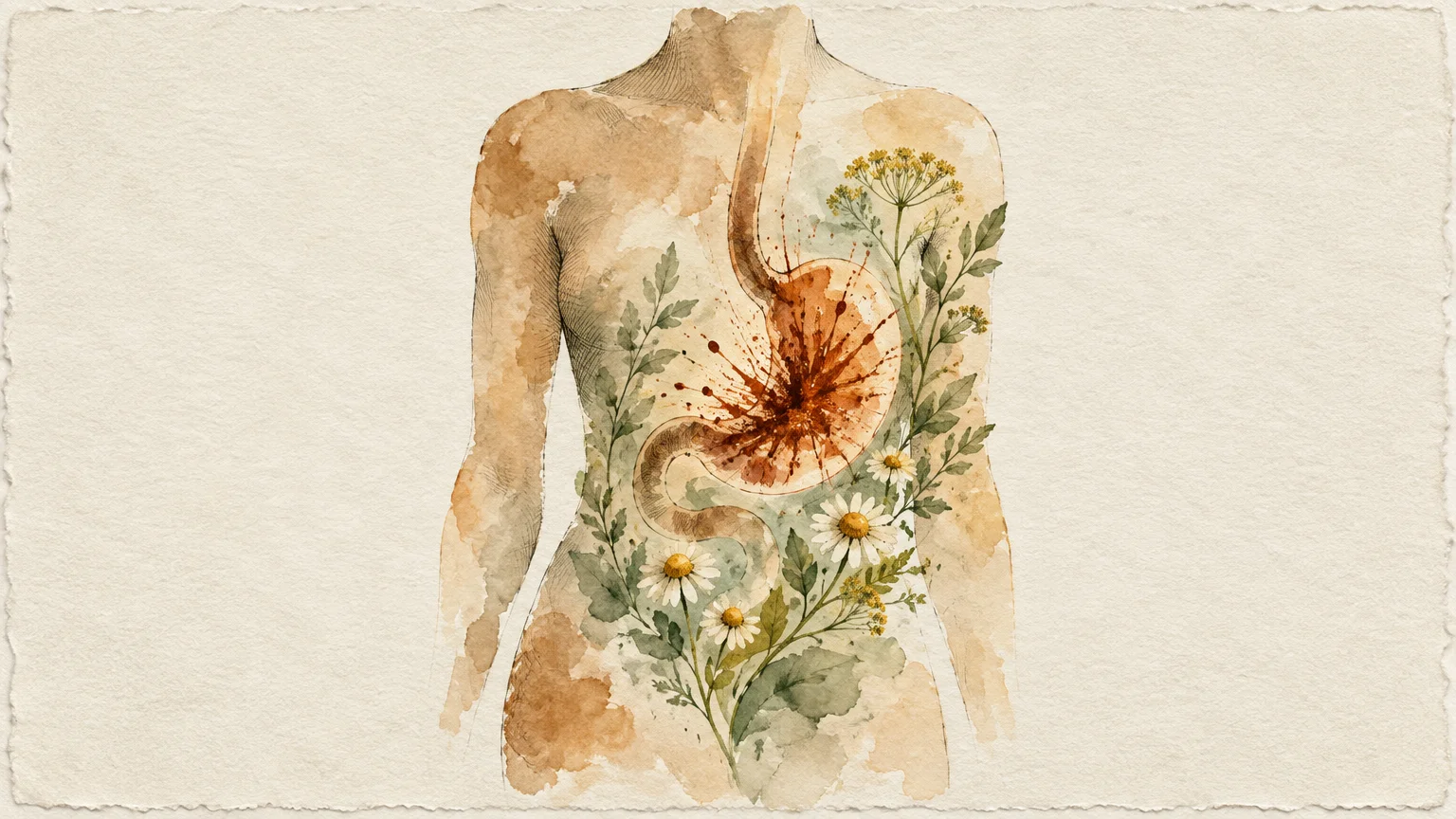
The sharp spike in quinic and caffeic acids does more than ruin the taste of your morning roast. These compounds directly trigger sensory nerve endings in your upper gastrointestinal tract.
For individuals prone to acid reflux, this chemical shift can provoke painful episodes of heartburn. Research highlighted by the American Gastroenterological Association shows that heightened beverage acidity frequently aggravates esophageal tissue.
When harsh acids contact the stomach lining, they stimulate excess gastric acid secretion. This surge can disrupt normal digestive rhythm, creating bloating, nausea, and abdominal cramping.
Chronic consumption of irritated, highly acidic liquids may wear down the protective mucous lining of your stomach. Over several months, this subtle irritation can contribute to persistent subclinical gut inflammation.
If you manage irritable bowel syndrome or functional dyspepsia, reheated coffee poses an unnecessary physical stressor. Your gut lining thrives on stability rather than sudden exposures to degraded, irritating compounds.
Selecting low-acid beans or dark roasts offers modest initial protection against reflux. However, microwaving those beans quickly undoes the natural gentleness achieved during the roasting process.
Working alongside a healthcare provider allows you to identify whether everyday beverage habits quietly exacerbate gut symptoms. Often, simple habit shifts yield noticeable therapeutic relief without medical prescriptions.









Leave a Reply