

Your body produces less collagen every year after your mid-twenties, leading to noticeable changes in skin elasticity, joint mobility, and tissue recovery. You can actively stimulate and protect your internal collagen machinery by consuming nutrient-dense foods rich in key amino acids and essential cofactors. Rather than relying solely on topical treatments or expensive synthetic supplements, integrating targeted whole foods into your daily meals offers a direct, sustainable path toward optimal tissue health. A well-designed natural collagen production diet delivers the precise building blocks—glycine, proline, vitamin C, zinc, and copper—that your fibroblasts require to synthesize robust structural proteins naturally throughout your entire lifespan.
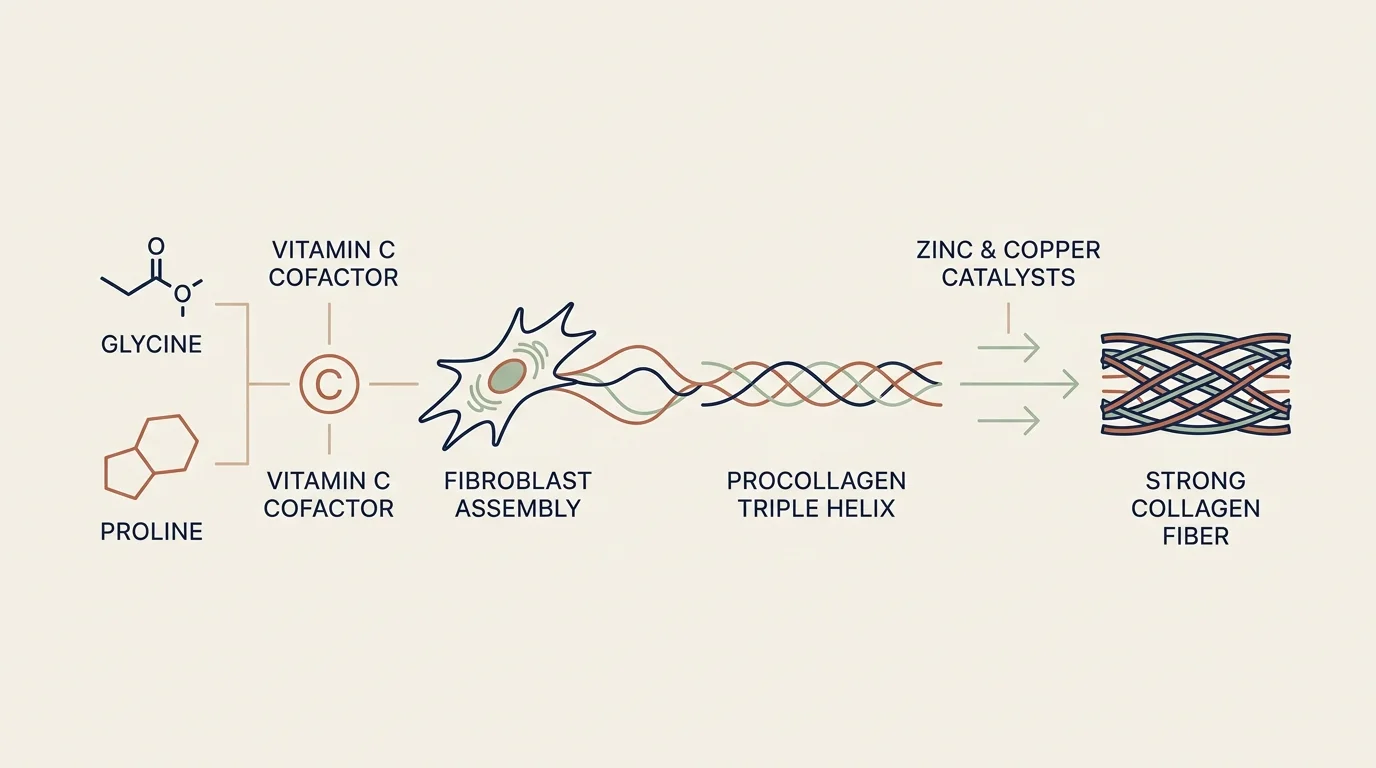
How Your Body Synthesizes Natural Collagen
Collagen serves as the primary structural protein in your connective tissues, forming a resilient matrix across your skin, tendons, ligaments, and blood vessels. Specialised cells called fibroblasts continuously manufacture procollagen by stringing together amino acids—predominantly glycine, proline, and hydroxyproline—in a tightly wound triple helix structure. However, your body cannot complete this intricate biochemical assembly line without necessary enzymatic cofactors.
According to National Institutes of Health research, vitamin C acts as an essential electron donor for the enzymes prolyl hydroxylase and lysyl hydroxylase. These enzymes stabilize the triple helix structure; without adequate vitamin C, collagen synthesis stalls completely. Furthermore, trace minerals such as zinc and copper activate lysyl oxidase, an enzyme responsible for covalent cross-linking that gives collagen fibers their immense tensile strength and durability. When you consume a diverse diet packed with these substrate amino acids and active cofactors, you optimize your body’s innate ability to repair dermal matrix structures and maintain firm skin elasticity over time.
10 Foods That Support Your Natural Collagen Production Diet
Selecting the right foods ensures your body receives both direct structural amino acids and necessary enzymatic catalysts. By stocking your kitchen with these collagen-boosting foods, you provide your tissues with the exact resources required to maintain resilience, firmness, and flexibility.
1. Bone Broth
Bone broth stands out as one of the few dietary sources that provides actual collagen rather than just precursor nutrients. Slow-simmering animal bones and connective tissue extracts bioavailable gelatin, which breaks down during digestion into essential amino acids like glycine, proline, and glutamine. When you sip warm bone broth regularly, you supply your gut lining and dermal fibroblasts with ready-to-use peptide building blocks that stimulate natural tissue repair.
2. Wild-Caught Fish and Seafood
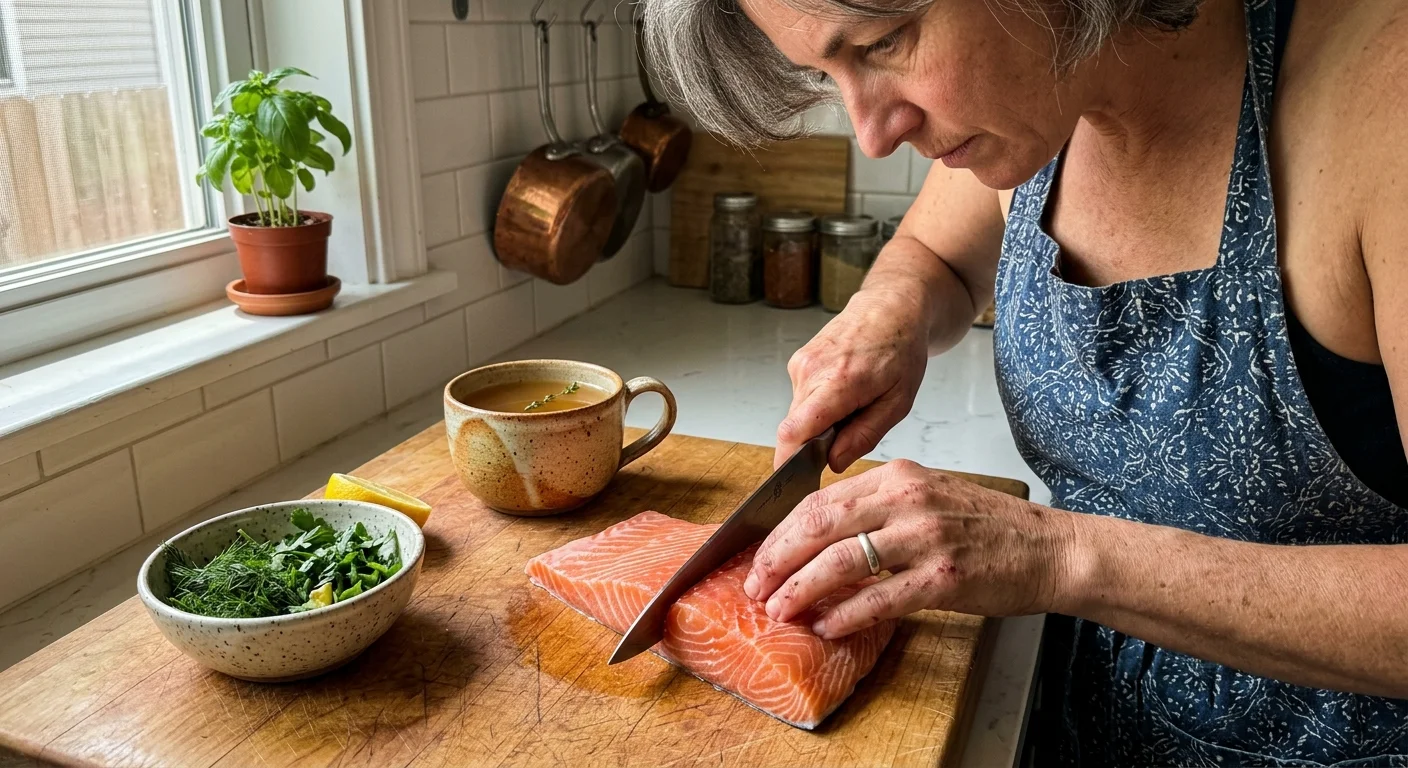
Marine life offers an exceptionally bioavailable source of collagen, concentrated primarily in the skin, scales, and bones. Fish collagen consists mainly of Type I collagen, which is the exact form that dominates human skin, ligaments, and organs. Consuming wild-caught salmon, sardines, or cod with the skin intact delivers easily absorbed collagen peptides alongside omega-3 fatty acids, which protect your existing skin elasticity by dampening chronic inflammatory degradation.
3. Poultry and Chicken Connective Tissue
Chicken serves as a foundational component in many joint health supplements because its connective tissues contain abundant Type II collagen. Preparing chicken dishes that include intact skin, cartilage, or bone-in cuts yields a high concentration of chondroitin and glucosamine along with crucial amino acids. These natural compounds support joint cartilage density while simultaneously refueling skin matrix renewal.
4. Egg Whites
While egg yolks provide valuable healthy fats and fat-soluble vitamins, egg whites contain remarkably high amounts of proline. Proline is one of the foundational amino acids necessary for procollagen synthesis within human fibroblasts. Incorporating whole eggs or egg whites into your morning routine provides clean, highly digestible protein containing the exact precursor profile required to sustain skin firmness and joint structural integrity.
5. Citrus Fruits
Citrus fruits like oranges, lemons, limes, and grapefruits are renowned for their exceptional vitamin C content. Vitamin C plays a vital role in linking proline and lysine together to assemble procollagen. Integrating fresh citrus slices into your daily menu ensures your enzymatic pathways possess sufficient antioxidants to protect structural proteins from oxidative damage while actively spurring new collagen creation.
6. Bell Peppers
Red and yellow bell peppers rival citrus fruits in vitamin C concentration, offering well over one hundred percent of your recommended daily intake in a single cup. Additionally, bell peppers contain capsaicin and a rich spectrum of carotenoids that act as powerful cellular shields. These antioxidants protect collagen fibers from sun-induced photoaging and environmental pollutants that otherwise accelerate skin sagging.
7. Berries
Strawberries, blueberries, raspberries, and blackberries pack a tremendous nutritional punch for skin elasticity. Beyond supplying generous doses of vitamin C, berries contain high levels of ellagic acid and anthocyanins. Research documented by the Harvard T.H. Chan School of Public Health nutrition guidelines indicates that polyphenol compounds help shield collagen structures from breakdown caused by ultraviolet radiation exposure and metabolic stress.
8. Garlic
Garlic provides much more than signature flavor; it delivers generous amounts of organic sulfur, an essential trace element required for collagen cross-linking and stabilizing structural matrix proteins. Garlic also contains taurine and lipid-soluble sulfur compounds that help repair damaged collagen fibers within skin and joint tissue. Adding freshly crushed garlic to soups, dressings, and sautés supports your body’s natural defense against matrix breakdown.
9. Dark Leafy Greens
Spinach, kale, Swiss chard, and collard greens owe their vibrant green hue to chlorophyll, a pigment with potent antioxidant properties. Clinical studies suggest that consuming chlorophyll-rich foods increases the precursor levels of procollagen in dermal tissue. Furthermore, leafy greens supply abundant vitamin C, manganese, and lutein, which collectively hydrate skin tissue, enhance elasticity, and neutralize destructive free radicals.
10. Pumpkin Seeds and Legumes
For those following a plant-based diet, pumpkin seeds, lentils, chickpeas, and black beans serve as powerhouse foods for skin elasticity. Pumpkin seeds are exceptionally rich in zinc and copper, two critical mineral cofactors that activate the enzymes necessary for assembling mature collagen fibers. Meanwhile, legumes supply plant-based protein rich in lysine and proline, ensuring your body maintains a steady stream of building blocks without relying exclusively on animal sources.

Lifestyle Pillars to Protect Your Collagen Matrix
Focusing purely on dietary intake forms only one part of an effective collagen preservation strategy; you must also minimize factors that degrade existing structural proteins. Advanced glycation end-products—compounds formed when excess refined sugars bind to proteins in your bloodstream—cause collagen fibers to become stiff, brittle, and prone to fragmentation. By emphasizing whole, unrefined foods and moderating refined sugar consumption, you safeguard your structural matrix from premature stiffening.
Physical movement serves as another potent trigger for collagen synthesis throughout your musculoskeletal system. Resistance exercise and weight-bearing activities generate mechanical tension signals that prompt specialized cells in your tendons, ligaments, and skin to step up collagen production. Combining regular strength training with restorative sleep allows your body to maximize human growth hormone release, which drives tissue repair and protein synthesis during overnight recovery cycles.
Finally, environmental protection remains non-negotiable for preserving skin elasticity and structural health. According to Centers for Disease Control and Prevention guidance on UV protection, exposure to ultraviolet radiation generates reactive oxygen species that activate matrix metalloproteinases—enzymes that rapidly break down dermal collagen. Applying broad-spectrum sun protection daily, staying hydrated, and managing chronic stress through mindfulness or moderate exercise will ensure that your lifestyle works synergistically with your dietary intake.

Expert Perspectives and Clinical Insights
Integrating targeted foods into your daily lifestyle requires a balanced, sustainable perspective that prioritizes whole-food nutrition over quick fixes. Registered dietitians emphasize that while collagen supplements are popular, whole foods offer a synergistic matrix of vitamins, minerals, phytonutrients, and dietary fiber that isolated powder supplements simply cannot replicate.
Clinical experts at the Academy of Nutrition and Dietetics recommendations suggest taking a food-first approach to skin and joint vitality. Board-certified dermatologists often note that patient outcomes improve significantly when dietary upgrades pair with consistent hydration, gentle skin care, and sun protection. By viewing your daily meals as functional biological instruction for your cells, you establish a solid foundation for long-term physiological resilience.
Frequently Asked Questions
Do dietary foods work as effectively as collagen powder supplements?
Whole foods provide complete amino acid profiles alongside vital cofactors like vitamin C, zinc, and copper that hydrolysed collagen powders often lack. While supplements offer concentrated amino acid chains, whole foods deliver comprehensive bio-nutrients that protect existing matrix structures while simultaneously stimulating fresh synthesis. Most health professionals recommend establishing a nutrient-dense whole-food foundation before evaluating whether extra supplementation fits your specific goals.
How long does it take to see improvements in skin elasticity after changing your diet?
Cellular turnover and structural matrix remodeling require time. Dermal fibroblasts typically take six to twelve weeks of consistent nutrient support to synthesize significant new collagen networks and yield visible improvements in skin elasticity, moisture retention, and joint comfort. Consistency remains essential, as sporadic dietary changes yield limited long-term metabolic benefits.
Can a plant-based diet provide enough nutrients for natural collagen production?
Yes, strict plant-based diets can fully support your body’s collagen synthesis machinery. Plant foods do not contain pre-formed collagen, but they supply generous quantities of key amino acids—such as proline, glycine, and lysine—from sources like legumes, seeds, nuts, and soy products. Combined with abundant vitamin C and mineral cofactors found in fruits and leafy greens, a plant-based diet provides everything your fibroblasts need to construct strong connective tissue.
How do chronic stress and sleep deprivation affect internal collagen levels?
Elevated cortisol levels caused by chronic psychological stress or inadequate sleep trigger tissue catabolism and suppress fibroblast activity. High cortisol directly accelerates the enzymatic breakdown of dermal collagen, leading to thinning skin and impaired joint recovery. Prioritizing seven to nine hours of quality sleep nightly and practicing stress reduction techniques protects your internal matrix from stress-induced degradation. If you experience persistent fatigue or skin changes, consult a qualified healthcare provider for personalized guidance.
Taking Your First Step Toward Tissue Resilience
Enhancing your natural collagen production diet does not require an overwhelming kitchen overhaul or costly specialized products. Choose just one collagen-boosting food from this guide—such as adding a handful of pumpkin seeds to your salad or pairing fresh citrus with your morning meal—and make it a permanent habit this week. How can small, intentional dietary additions support your body’s remarkable capacity for renewal today?








Leave a Reply