

When irresistible food cravings derail your nutritional goals, relying on sheer willpower often fails because your body is responding to complex neurochemical signals rather than a lack of discipline. You can quiet persistent hunger pangs naturally by strategically incorporating specific nutrient-dense foods that regulate gut hormones, stabilize blood sugar levels, and slow digestion. Instead of fighting your physiology, selecting foods rich in viscous soluble fiber, high-quality protein, and healthy monounsaturated fats triggers the release of satiety hormones like peptide YY and glucagon-like peptide-1. By making these evidence-based dietary additions, you transform your daily meals into powerful biological tools that naturally reduce cravings, sustain physical energy, and support long-term wellbeing.
Understanding Cravings: The Biology Beyond Willpower
Modern nutritional neuroscience reveals that hunger and cravings rely on complex endocrine signaling rather than mental discipline. When you consume highly processed foods loaded with refined sugars and unhealthy fats, your brain releases dopamine, triggering reward pathways that override natural fullness cues. Rapid spikes in blood glucose prompt insulin surges, causing swift sugar crashes that your brain treats as an energy emergency, activating intense food cravings.
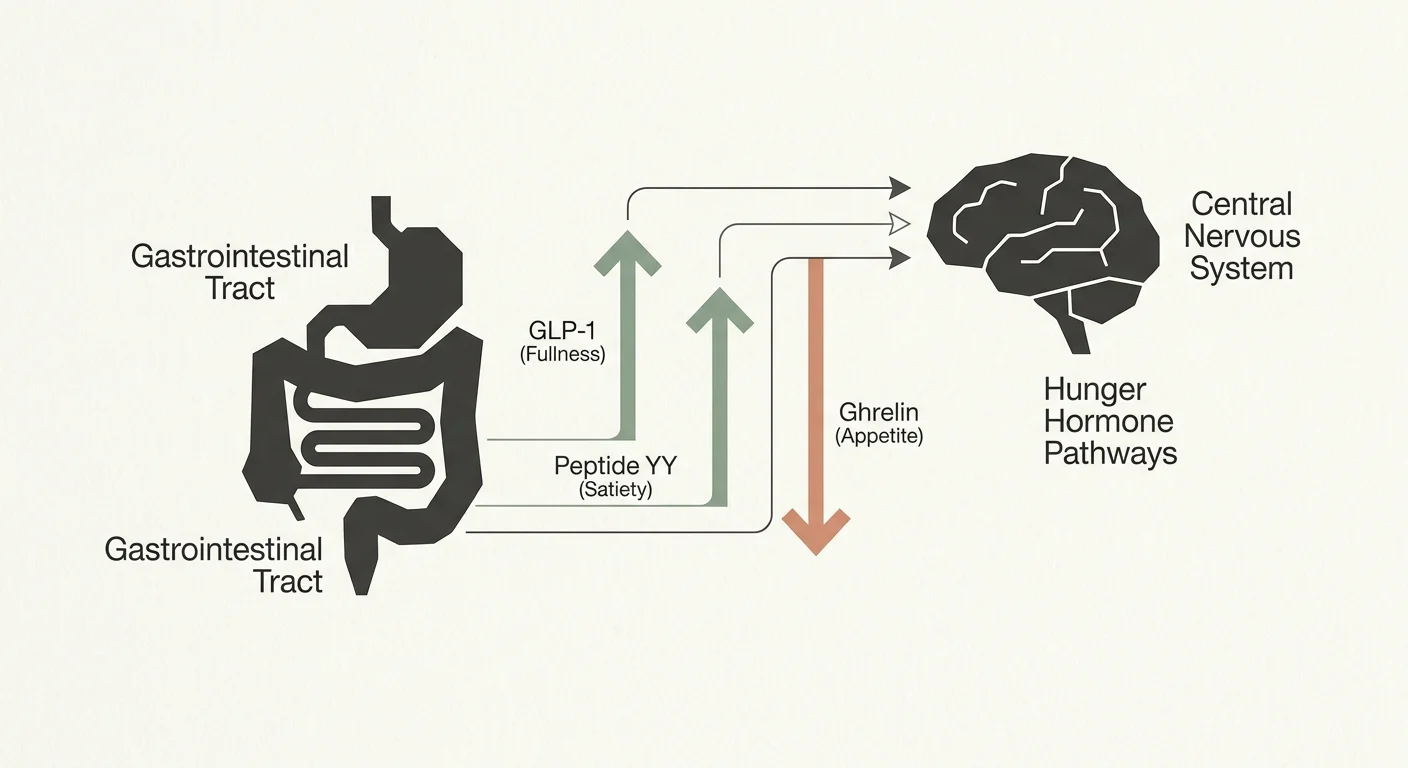
Your gastrointestinal tract communicates continuously with your central nervous system through the gut-brain axis. Intestinal cells monitor food intake and release key regulatory peptides. Ghrelin stimulates appetite when your stomach is empty, whereas glucagon-like peptide-1 (GLP-1) and peptide YY (PYY) signal fullness. Clinical research from the National Institutes of Health demonstrates that whole foods rich in structural dietary fiber, intact proteins, and healthy lipids maximize these satiety peptides. Choosing whole foods that slow gastric emptying keeps stomach mechanoreceptors engaged, stabilizing blood glucose and curbing hyper-palatable cravings naturally.
9 Nutrient-Dense Foods That Naturally Stop Hunger
1. Avocados: Sustained Satiety via Oleic Acid
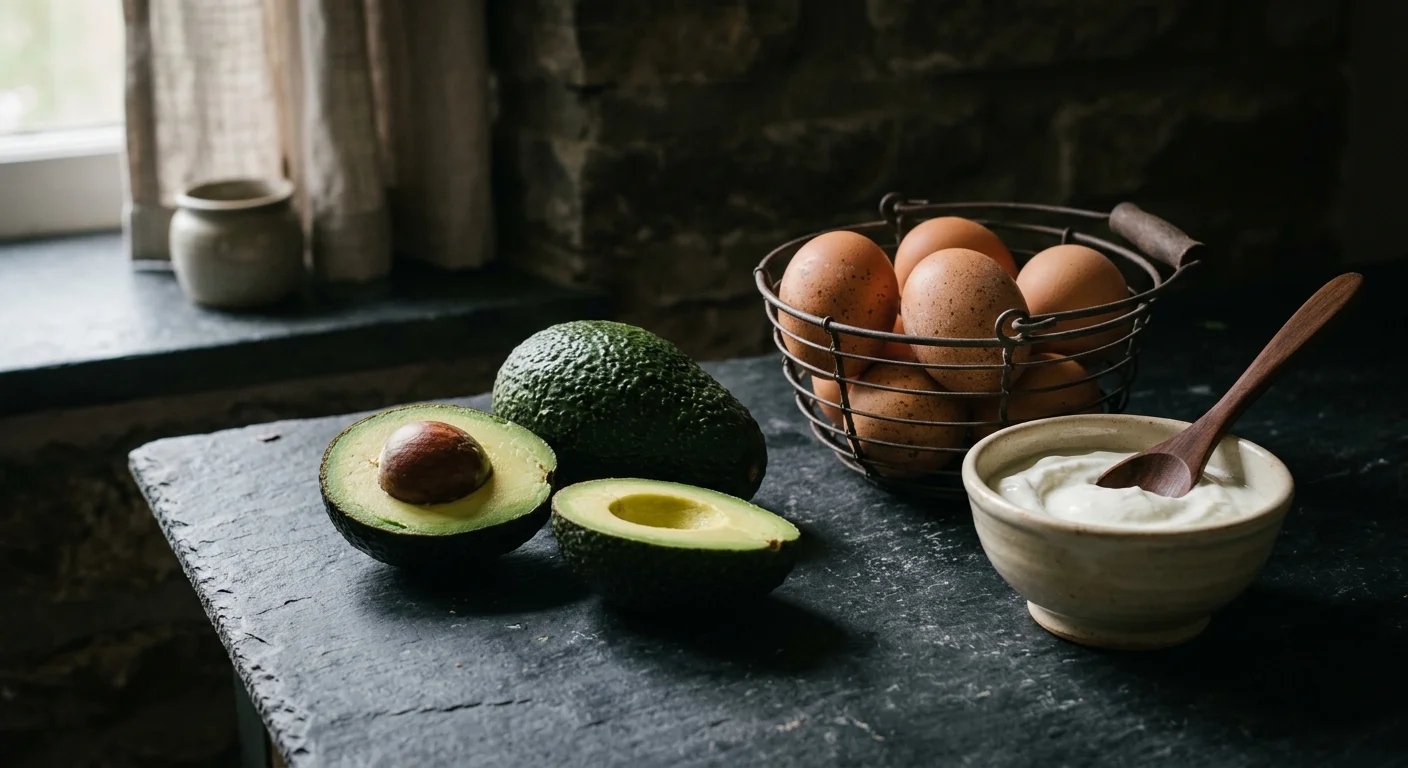
Avocados offer an exceptional combination of dietary fiber and monounsaturated fatty acids that work together to suppress hunger. Half a medium avocado provides seven grams of fiber alongside abundant oleic acid. When oleic acid enters your small intestine, specialized mucosal cells convert it into oleoylethanolamide, a lipid messenger that signals appetite centers in your brain via the vagus nerve. This process signals that you have consumed dense nourishment, reducing your appetite for hours. Adding avocado to meals delays gastric emptying, keeping you full long after eating.
2. Eggs: Protein Powerhouse for Morning Ghrelin Control
Whole eggs stand out as a highly effective food for suppressing appetite throughout the day. A single large egg delivers six grams of complete protein containing all essential amino acids, along with choline and B vitamins. Consuming high-quality protein during your morning meal lowers circulating levels of ghrelin, the hormone responsible for triggering hunger. Eating eggs instead of refined carbohydrates stabilizes post-meal glucose and insulin levels, helping you consume fewer calories over the following 24 hours.
3. Greek Yogurt: Slow-Digesting Protein and Gut Support
Unsweetened Greek yogurt contains concentrated casein protein, a slow-digesting protein structure that forms a gel-like matrix in your stomach. As enzymes break down casein over several hours, your body receives a steady stream of amino acids that maintain elevated levels of the satiety hormones PYY and GLP-1. Additionally, live probiotic cultures in Greek yogurt support a healthy gut microbiome, which produces short-chain fatty acids that improve overall metabolic signaling. Choose plain, lower-sugar options to avoid blood sugar spikes.
4. Chia Seeds: Soluble Fiber and Gastric Expansion
Chia seeds represent a remarkable source of soluble fiber, delivering nearly ten grams per two-tablespoon serving. When mixed with liquids in your stomach, chia seeds absorb up to twelve times their weight in water, expanding into a thick gel. This expansion stretches stomach mechanoreceptors, sending immediate neural signals to your brain that indicate physical fullness. This viscous barrier also slows carbohydrate absorption, preventing rapid blood sugar drops and eliminating afternoon sugar cravings.
5. Lentils and Beans: Resistant Starch and Peptide YY
Legumes, including lentils, black beans, and chickpeas, supply a powerful mix of slow-digesting complex carbohydrates, plant protein, and resistant starch. Resistant starch travels intact to your large intestine, where beneficial gut bacteria ferment it into short-chain fatty acids like propionate and acetate. These compounds directly stimulate intestinal cells to release peptide YY, a strong natural appetite suppressant. Eating half a cup of cooked legumes daily stabilizes blood sugar for both your current meal and subsequent meals hours later.
6. Rolled Oats: Beta-Glucan for Steady Blood Glucose
Steel-cut and rolled oats contain beta-glucan, a specialized soluble fiber that forms a thick, gel-forming matrix in your digestive tract. This viscous solution delays gastric emptying and slows nutrient absorption across the intestinal wall, preventing post-meal blood sugar surges that cause sudden hunger. Studies confirm that beta-glucan stimulates robust peptide YY release, making traditional oatmeal far more filling than refined breakfast cereals. Choose plain rolled oats paired with nuts or seeds for optimal appetite control.
7. Almonds: Fiber, Protein, and Healthy Fats
Almonds deliver a balanced combination of dietary fiber, plant protein, and healthy monounsaturated fats. Chewing whole almonds initiates early digestive signals that inform your brain that calories are arriving. Furthermore, the rigid cell walls of almonds prevent total absorption of their fat content, meaning your body absorbs slightly fewer net calories while reaping full satiety benefits. A small handful of raw or dry-roasted almonds makes an ideal mid-morning snack that dampens appetite without inducing energy slumps.
8. Raspberries and Blackberries: High-Fiber Sweet Satisfaction
Dark berries like raspberries and blackberries offer a biologically smart way to satisfy sweet cravings. Delivering eight grams of dietary fiber per cup alongside antioxidant polyphenols, these low-glycemic fruits keep blood sugar balanced. The natural fructose in whole berries is bound within a structural fiber matrix, ensuring slow, steady absorption into your bloodstream. This prevents the sharp insulin spikes and rebound hunger caused by processed sweets while providing comforting sweetness.
9. Wild Salmon: Omega-3 Fatty Acids and Leptin Sensitivity
Fatty fish like wild-caught salmon supply lean protein alongside long-chain omega-3 fatty acids (EPA and DHA). High-quality protein triggers cholecystokinin release, a gut hormone signaling your brain to stop eating. Meanwhile, omega-3 fatty acids help reduce systemic low-grade inflammation that can impair leptin signaling in the hypothalamus. By restoring your brain’s sensitivity to leptin—the master long-term fullness hormone—wild salmon helps maintain accurate appetite control. Enjoy fatty fish twice weekly for optimal results.

Holistic Strategies for Long-Term Appetite Control
While eating satiety-promoting foods forms the cornerstone of natural craving management, combining nutrition with supporting lifestyle habits creates lasting success. Guidelines from the Centers for Disease Control and Prevention emphasize that consistent whole-food intake and proper daily hydration restore fundamental metabolic balance. Staying hydrated is particularly critical because mild cellular dehydration frequently mimics physical hunger, leading to unnecessary snacking when your body simply needs water.
Regular physical movement and stress management further regulate your baseline appetite. Moderate physical activity increases insulin sensitivity and suppresses circulating ghrelin temporarily. Conversely, chronic stress elevates cortisol, a hormone that directly drives intense cravings for calorie-dense, hyper-palatable foods. Practicing stress reduction techniques recommended by Harvard Health Publishing breaks the biological link between emotional pressure and compulsive eating. Additionally, prioritizing seven to eight hours of sleep each night maintains balanced levels of ghrelin and leptin.

Clinical Perspectives: What Dietitians Want You to Know
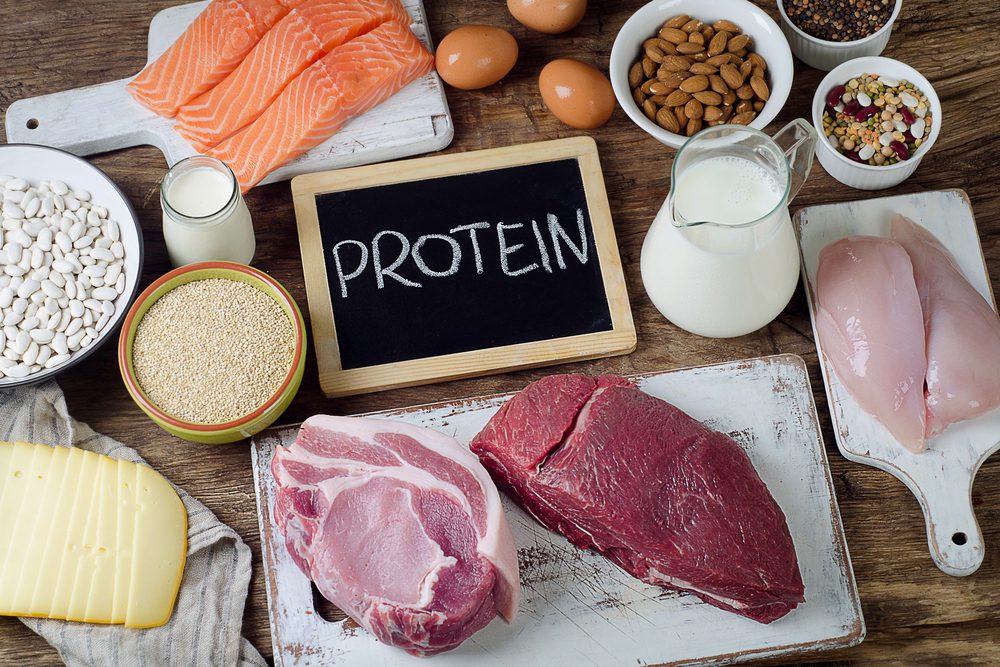
Registered dietitians emphasize that effective craving management focuses on adding protective foods rather than enforcing strict restriction. Eliminating entire food groups or following severe calorie limits triggers survival responses in the brain, increasing food fixation and appetite. Dietitians advocate for balanced plates combining complex carbohydrates, healthy fats, and lean proteins to create effortless biological fullness.
Experts also stress making sustainable choices that align with your budget and culture. Accessible staples like dried beans, canned salmon, frozen berries, and rolled oats deliver the same biological benefits as expensive health products. Tailoring these principles to your personal lifestyle ensures long-term success without financial or social stress.
Frequently Asked Questions About Cravings and Satiety
Why do I crave sweet foods late at night even after eating dinner?
Late-night sweet cravings often result from circadian hormone shifts, inadequate daytime calorie intake, or blood sugar instability from a low-protein dinner. As cortisol drops in the evening, hunger signals can rise if your dinner lacked sufficient protein and fiber. Ensure your evening meal balances lean protein, fiber, and healthy fats to prevent late-night sugar seeking.
Can drinking water really stop cravings, or is that a myth?
Drinking water genuinely reduces hunger because fluid volume expands stomach mechanoreceptors, sending fullness signals to your brain. Mild dehydration also produces physical signals that feel identical to hunger. Drinking a glass of water when cravings strike helps you determine whether you need fluid or food.
How long does it take for these satiety foods to start reducing appetite?
You will experience extended post-meal fullness on the first day you incorporate protein and fiber-rich foods. Recalibrating baseline appetite and gut hormone signaling usually takes two to four weeks of consistent dietary changes as your microbiome adapts and cell sensitivity improves.
Should I consult a doctor if my food cravings feel uncontrollable?
Yes, persistent and unyielding hunger despite eating nutrient-dense meals warrants a professional medical evaluation. Uncontrollable cravings can indicate underlying issues like insulin resistance, thyroid disorders, or nutrient deficiencies. Consulting a physician or finding a professional through the Academy of Nutrition and Dietetics ensures personalized medical guidance.
Your Path Forward: Small Changes for Lasting Results
Transforming your relationship with food does not require drastic dietary overhauls or constant restraint. Sustainable health gains result from small, positive steps that work alongside your body’s natural biology. Adding just one or two satiety-boosting foods to your weekly grocery routine establishes a reliable foundation for natural appetite control and vibrant physical energy.
Take a moment to reflect on your daily routine and pinpoint when hunger pangs usually strike. Which nutrient-dense food will you add to your meals tomorrow to support your wellbeing?






Leave a Reply