
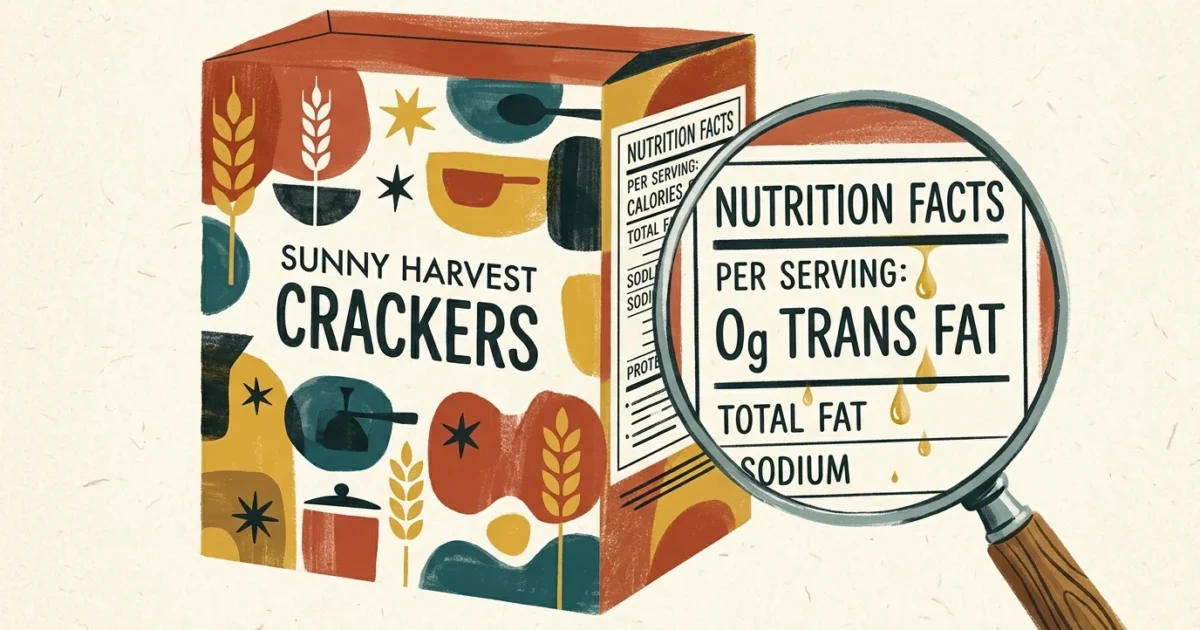
Scanning food packaging for zero grams of trans fat might feel like a guaranteed win for your heart, but subtle labeling regulations often disguise hidden unhealthy fats in food. Under current federal standards, food manufacturers can claim zero grams of trans fat on the Nutrition Facts panel whenever a single serving contains less than 0.5 grams of partially hydrogenated oils. If you consume multiple servings or combine several processed items throughout the day, those hidden amounts quickly accumulate and threaten your cardiovascular wellness. Uncovering where these stealthy fats hide empowers you to make fully informed decisions for sustainable, long-term health.
The Labeling Loophole and Cardiovascular Science
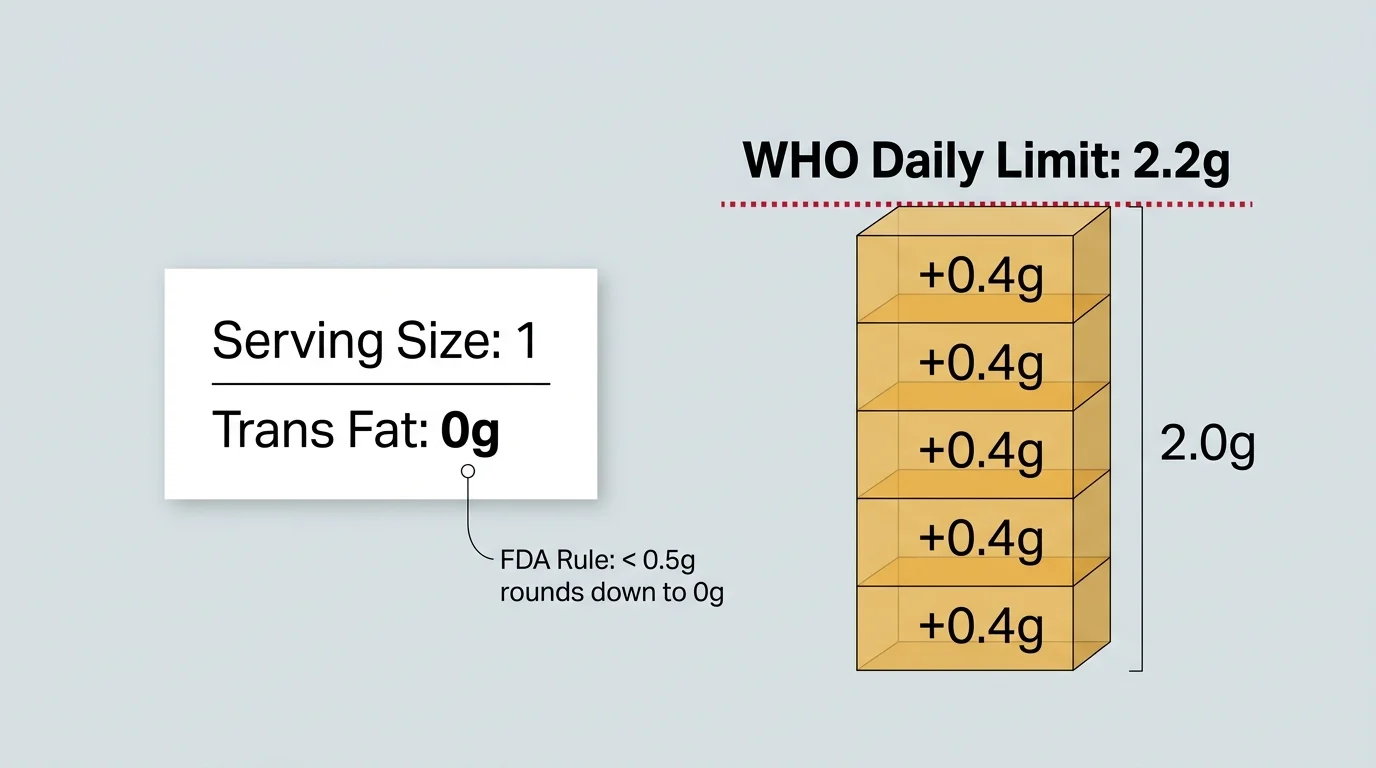
To protect your cardiovascular health, look beyond the bold claims printed on food packaging. Under regulatory standards established in 21 CFR 101.9 by the U.S. Food and Drug Administration, manufacturers may round trans fat content down to zero grams if a serving contains less than 0.5 grams. While half a gram seems negligible, consuming multiple servings of foods with hidden trans fats throughout the day easily pushes your intake past safe medical thresholds.
The physiological impact of trans fatty acids on your heart is unusually severe. Trans fats raise low-density lipoprotein (LDL) cholesterol while simultaneously lowering protective high-density lipoprotein (HDL) cholesterol, accelerating arterial plaque accumulation. According to guidelines published by the World Health Organization, individuals should limit total trans fat intake to less than 1% of daily energy intake; this equals less than 2.2 grams per day on a 2,000-calorie diet. Industrially produced trans fats contribute to over 278,000 deaths annually worldwide from coronary heart disease.
Global progress continues to advance. Although the FDA enforced final administrative revocations of partially hydrogenated oils on December 22, 2023, lingering loopholes still exist across manufacturing supply chains. In its 2024 milestone report, the WHO noted that 53 countries covering 3.7 billion people—roughly 46% of the global population—have implemented best-practice policies, preventing an estimated 183,000 deaths annually. Still, high-heat oil refining, emulsifiers like mono- and diglycerides, and imported packaged items expose consumers to hidden unhealthy fats in food products encountered daily.

10 Foods That Secretly Contain Trans Fats
1. Non-Dairy Coffee Creamers
Liquid and powdered non-dairy creamers rely on specialized emulsifiers and oil blends to achieve the rich mouthfeel of real dairy. Manufacturers often combine fully hydrogenated oils with mono- and diglycerides to maintain shelf stability at room temperature. Because a single serving size is defined as just one tablespoon or teaspoon, manufacturers easily stay below the 0.5-gram threshold. If you pour freely into multiple cups of coffee each morning, you can easily consume over a gram of hidden trans fat before your workday even begins.
2. Microwave Popcorn
Microwave popcorn has long presented hidden trans fat concerns because solid fats keep seasonings and flavorings evenly distributed inside paper bags. Even though major manufacturers reformulated products to meet new safety standards, high-heat thermal processing during oil refining can still create trans fatty isomers. When reading labels for trans fat on snack foods, check for partially hydrogenated palm oil or hydrogenated coconut oil, especially in extra-butter or movie-theater varieties packaged in multi-serving bags.
3. Commercial Baked Goods
Store-bought muffins, donuts, cookies, and snack cakes frequently rely on commercial shortenings to retain moisture and create a soft crumb. Bakeries favor these fats because they resist oxidation, keeping products fresh on store shelves for weeks. Even when a box displays a prominent zero-gram badge on the front, individual baked items often contain trans fat foods to avoid that accumulate rapidly if you eat more than the tiny serving size listed on the label.
4. Frozen Pizza Crusts and Ready-to-Bake Dough
To ensure crusts rise properly and maintain a flaky texture after months in a deep freezer, commercial food brands use vegetable shortenings and processed oil blends. These modified fats prevent moisture migration between toppings and dough. When shopping for quick weeknight dinners, inspect the ingredient deck closely rather than relying on front-of-package marketing, as frozen doughs often contain foods that secretly contain trans fats.
5. Vegetable Shortenings and Stick Margarines
Although tub margarines have shifted toward healthier liquid plant oils, traditional solid shortenings and stick margarines still carry hidden risks. Keeping margarine firm at room temperature requires chemical hydrogenation or interesterification processes that leave trace trans fatty acids behind. Substituting stick margarine with extra virgin olive oil or mashed avocado provides a heart-healthy alternative without industrial chemical processing.
6. Deep-Fried Fast Foods and Commercial Snacks
Commercial kitchens and fast-food establishments frequently reuse deep-frying oils at high temperatures for long durations. Subjecting plant oils to repeated thermal stress degrades their chemical structure, generating trans fatty acids directly inside the frying vat. French fries, chicken tenders, and fried snack chips cooked in commercial fryers can load your diet with hidden unhealthy fats in food that never appear on standard nutritional panels.
7. Refrigerated Canned Biscuits and Doughs
Pop-open cans of pre-made biscuits, croissants, and cinnamon rolls rely on specialized shortenings to separate delicate dough layers while preventing sticking. These industrial fat matrices often incorporate hydrogenated oils to remain stable in refrigerated display cases. Because individual biscuit serving sizes are set deliberately small, manufacturers take full advantage of federal rounding rules to report zero grams on the label.
8. Commercial Frostings and Cake Mixes
Ready-to-spread canned frostings require a dense fat matrix that holds its structure at room temperature without separating or melting. Food scientists achieve this consistency by blending palm oil with hydrogenated shortenings and emulsifiers such as mono- and diglycerides. Mono- and diglycerides contain trans fatty acids but are legally excluded from the trans fat line item on Nutrition Facts panels, hiding their true impact.
9. Powdered Beverage Mixes and Syrups
Instant hot cocoa packets, powdered chai tea mixes, and flavored coffee syrups utilize hydrogenated palm kernel oils to deliver a smooth, creamy texture without real milk. These oils are spray-dried into stable powders that dissolve instantly in hot water. Because the serving weight of a powder mix is tiny, trans fat content per serving easily registers below 0.5 grams despite adding up across daily drinks.
10. Conventional Peanut Butters and Nut Spreads
To stop natural peanut oil from separating and floating to the top of the jar, conventional nut butter brands add fully or partially hydrogenated vegetable oils. These additives create a perfectly homogenous spread that remains stable on pantry shelves for months. Choosing natural peanut butter made solely from roasted peanuts and a pinch of salt eliminates these unnecessary added fats entirely.
Practical Strategies to Protect Your Heart
Protecting your cardiovascular health requires a comprehensive, proactive strategy that connects smart grocery choices, mindful meal preparation, and ongoing collaboration with medical professionals. Taking control of your nutrition allows you to systematically remove hidden unhealthy fats in food from your daily routine.
Mastering the Ingredient List
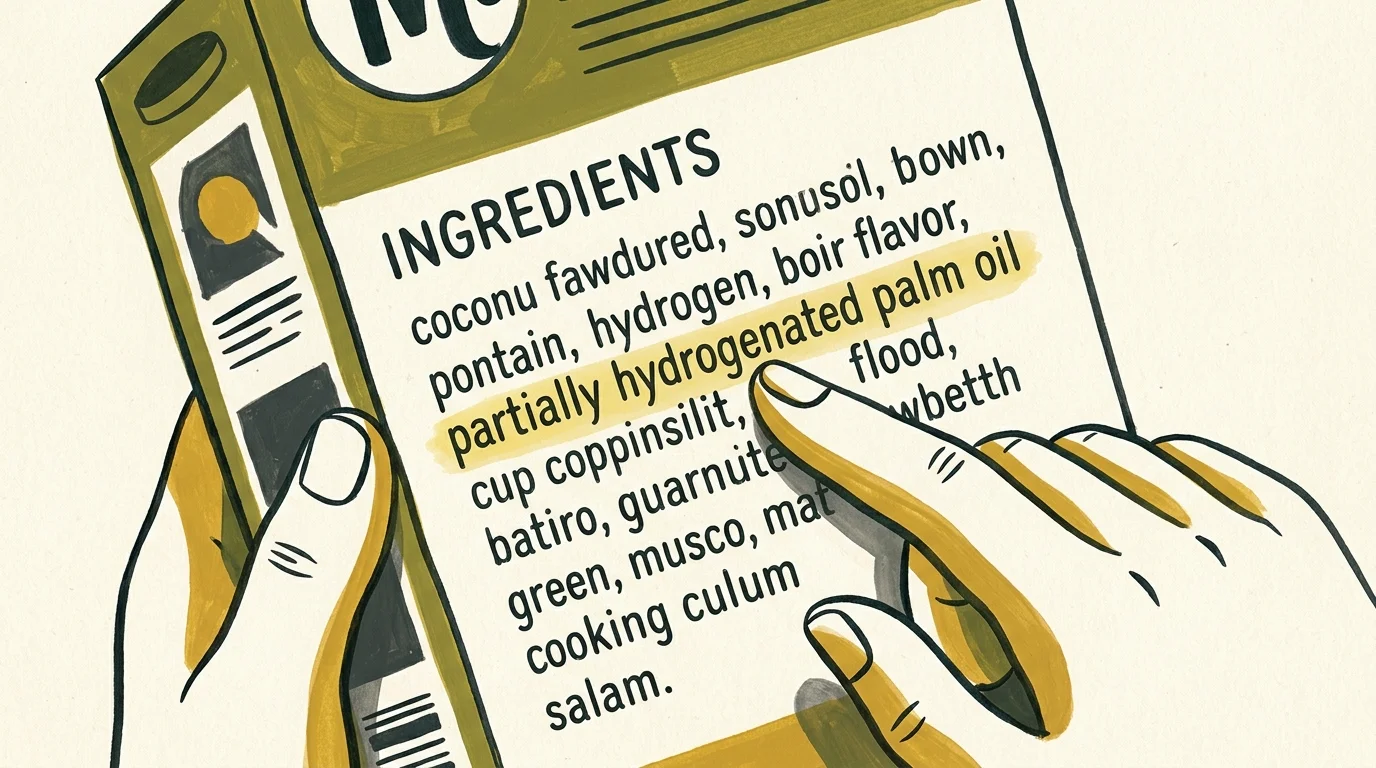
Your most effective line of defense is inspecting the ingredient list on every packaged product you buy. Ignore attractive packaging claims and search directly for telltale terms like partially hydrogenated oil, hydrogenated palm oil, vegetable shortening, or mono- and diglycerides. If any hydrogenated oil appears on the ingredient panel, the food contains trans fatty acids regardless of what the front label promises.
Prioritizing Whole, Unprocessed Fats
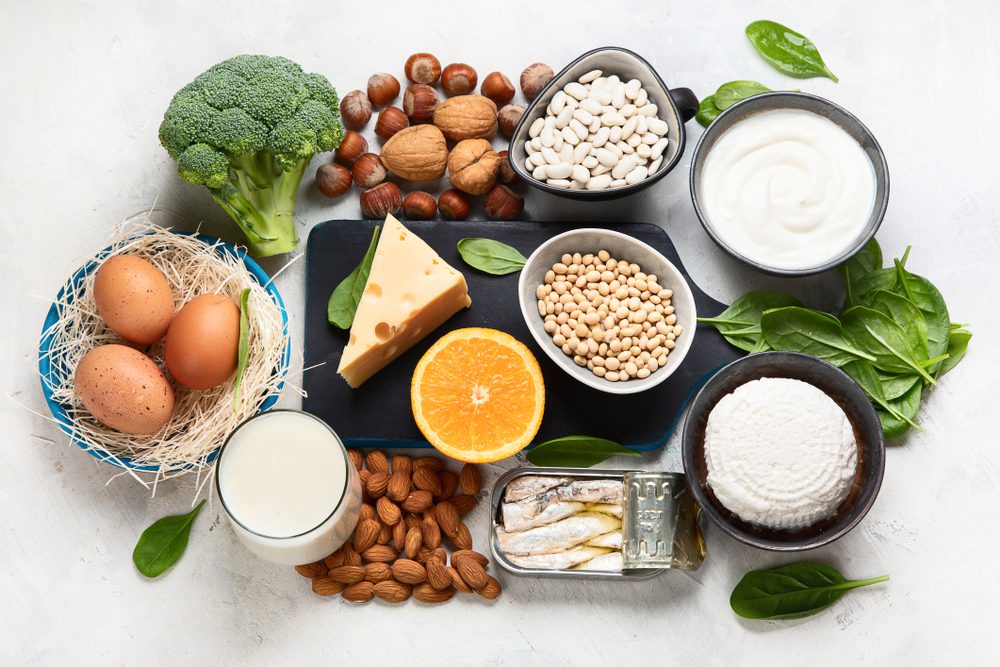
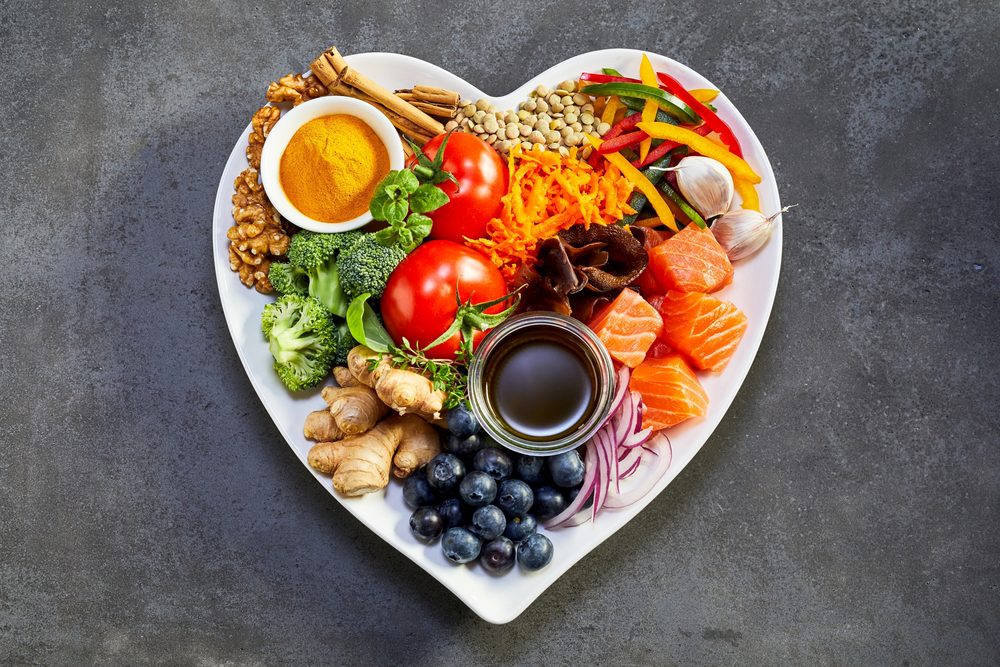
Shift your meal planning toward whole, unrefined fats that nourish your vascular system. Build your meals around extra virgin olive oil, cold-pressed avocado oil, raw nuts, seeds, and wild-caught fatty fish. According to dietary guidance from the Centers for Disease Control and Prevention, replacing saturated and trans fats with unsaturated alternatives significantly reduces your risk of stroke and heart attack while lowering systemic inflammation.
Adopting Mindful Cooking Methods
How you prepare meals at home directly influences the structural stability of the fats you consume. Avoid overheating delicate unrefined oils past their smoke points, as severe heat oxidizes fatty acids and creates harmful chemical byproducts. Choose low-heat techniques like baking, steaming, poaching, or light sauteing with stable options like avocado oil. When dining out, ask your server how foods are prepared and opt for grilled or roasted dishes.
Collaborating with Healthcare Professionals
Managing your lipid profile effectively requires personalized support from qualified healthcare providers. Schedule regular comprehensive blood panels with your primary care physician to monitor your total cholesterol, LDL, HDL, and triglyceride levels. Working alongside a registered dietitian nutritionist empowers you to design a balanced meal plan tailored to your health history and dietary preferences. Clinical evidence compiled by the National Institutes of Health demonstrates that professional nutrition counseling combined with routine blood testing yields superior long-term heart health outcomes.

Expert Perspectives and Real-World Insights
Preventive cardiologists and clinical dietitians emphasize that small, consistent nutritional adjustments yield substantial metabolic dividends over time. Many people assume that regulatory bans completely eliminated trans fats from grocery store shelves. However, healthcare professionals remind us that processing aids and federal rounding loopholes allow trace amounts to linger in popular processed foods. Transitioning to whole, minimally processed ingredients eliminates this unnecessary biological strain on your arteries, supporting long-term wellness effortlessly.
Frequently Asked Questions
Why does the law allow foods with hidden trans fats to be labeled as zero grams?
Federal rounding regulations permit food companies to list zero grams of trans fat if a single serving contains less than 0.5 grams. Although this rule was created to accommodate minor testing variances in analytical laboratories, it allows small quantities of hydrogenated oils to go completely unnoticed by consumers who eat multiple servings.
Are naturally occurring trans fats as harmful as industrial trans fats?
Naturally occurring trans fats, such as those found in small amounts in grass-fed dairy and meat, differ chemically from industrial trans fats. While overall fat intake should remain balanced, industrial partially hydrogenated oils carry a significantly higher biological risk for elevating LDL cholesterol, driving systemic inflammation, and promoting heart disease.
How can I identify hidden trans fats if the label reads zero grams?
Always inspect the full ingredient list rather than relying on the Nutrition Facts panel. Look specifically for partially hydrogenated oil, hydrogenated vegetable oil, mono- and diglycerides, or commercial shortening. Finding any of these ingredients confirms that the food contains trans fatty acids.
When should I consult a doctor or dietitian about my lipid health?
You should consult a healthcare provider or registered dietitian if you have elevated cholesterol levels, high blood pressure, diabetes, or a family history of cardiovascular disease. A medical professional can interpret your blood work, evaluate your personal risk factors, and create a tailored dietary blueprint to support your long-term heart health safely.
Taking Your First Step Toward Heart Health
Protecting your cardiovascular system does not require clearing out your kitchen cabinets overnight. Begin by selecting one packaged staple you consume regularly—such as your morning coffee creamer or favorite salad dressing—and reading its ingredient label today. If you discover hydrogenated oils or chemical emulsifiers, swap it for a whole-food alternative like unpasteurized milk, unsweetened almond milk, or extra virgin olive oil. What simple ingredient swap will you make today to nurture your long-term arterial health?





Leave a Reply