
Science Snapshot: Why Omega-3 Fatty Acids Matter for Your Body
Omega-3 fatty acids are polyunsaturated fats essential to human biology; because your body cannot produce them in meaningful quantities, you must acquire them through your diet. Marine sources provide eicosapentaenoic acid (EPA) and docosahexaenoic acid (DHA), the long-chain forms that your tissue absorbs and utilizes far more efficiently than the plant-derived alpha-linolenic acid (ALA) found in flaxseeds or walnuts. While your liver can convert small amounts of ALA into EPA and DHA, scientific research logged by the National Institutes of Health Office of Dietary Supplements demonstrates that this internal conversion rate often falls below ten percent. Consequently, consuming seafood directly supplies your cell membranes with preformed EPA and DHA.
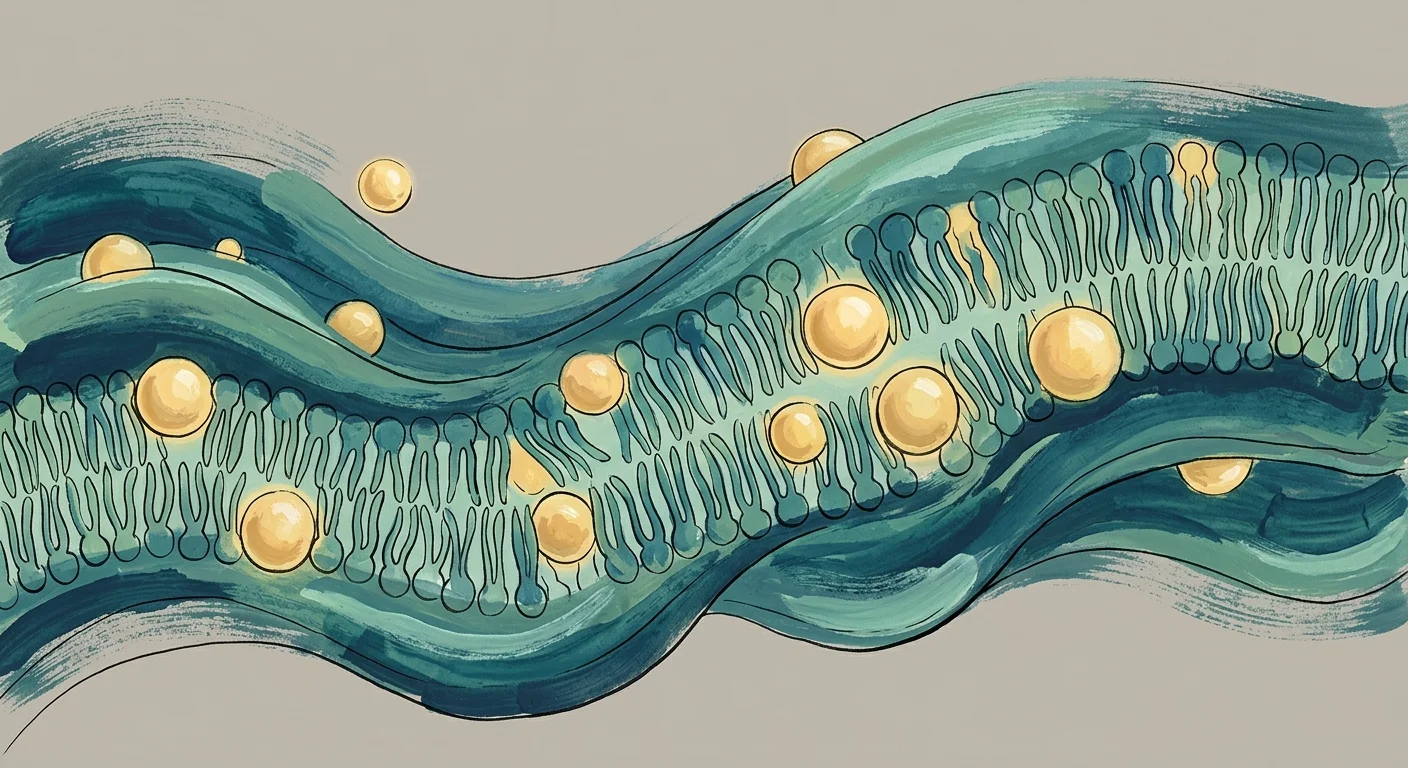
Once absorbed into cell structures, these fatty acids produce anti-inflammatory signaling molecules called resolvins and protectins. Cardiovascular research validated by the American Heart Association confirms that consuming at least two cooked three-ounce servings of oily fish weekly helps stabilize cardiac rhythms, reduce arterial plaque accumulation, and drop elevated fasting triglycerides by up to thirty percent. Furthermore, DHA concentrates heavily in brain tissue and retinal cells, supporting neuronal signaling and preserving cognitive clarity as you age.









Leave a Reply