

Practical Strategies for Seafood Integration
Maximizing the health rewards of your seafood choices involves thoughtful grocery shopping, proper cooking techniques, and careful balance regarding contaminant exposure. Applying deliberate kitchen practices protects fragile omega-3 bonds from oxidative heat damage while optimizing nutrient absorption.
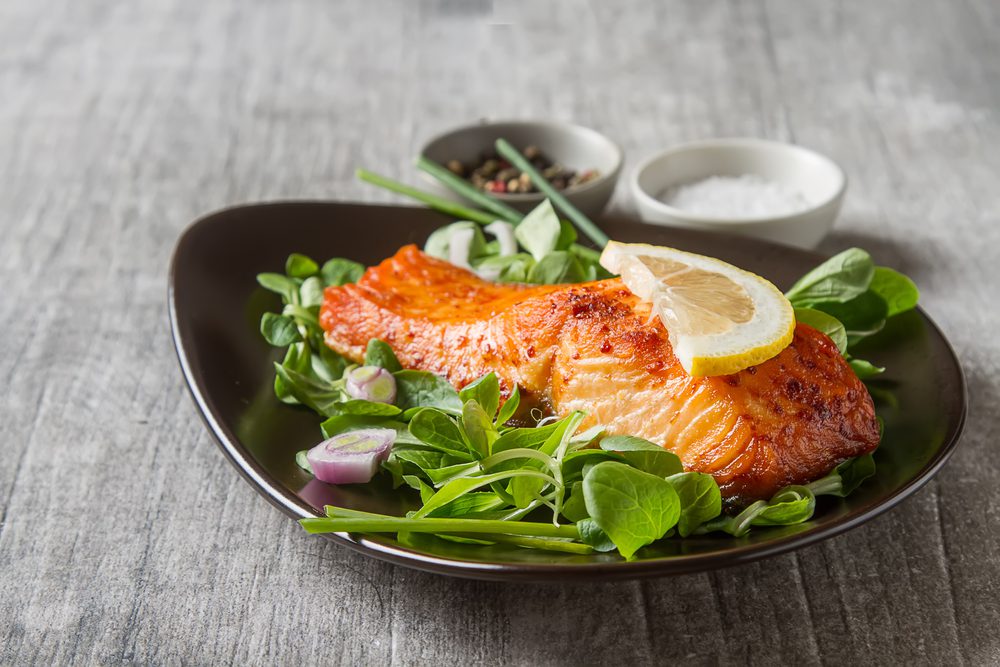
Heat can alter the delicate double bonds of polyunsaturated fatty acids. Gentle cooking methods—such as baking, poaching, steaming, or light pan-searing over medium heat—preserve the structural integrity of EPA and DHA far better than deep-frying. High-temperature frying degrades functional fats and introduces oxidized compounds that promote inflammation rather than soothe it. Pairing your fish with fresh lemon, garlic, olive oil, and leafy green vegetables introduces protective antioxidants that defend polyunsaturated oils against oxidation inside your digestive tract.
Managing heavy metal risks requires attention to fish species size and life cycle. Public health organizations such as the U.S. Food and Drug Administration recommend that pregnant women, nursing mothers, and young children prioritize low-mercury choices—such as salmon, sardines, trout, herring, and canned light tuna—while strictly limiting apex predators like swordfish, tilefish, king mackerel, and bigeye tuna. Eating smaller species allows you to enjoy high omega-3 yields frequently without exceeding toxicological thresholds.
Integrating these nutritional changes alongside comprehensive personal health tracking ensures safety and efficacy. Healthcare protocols managed through the Centers for Disease Control and Prevention emphasize individual health profiling when modifying your dietary intake. Before taking high-dose marine oil supplements alongside dietary fish—particularly if you take prescription blood thinners or antiplatelet medications—consult your primary care physician or registered dietitian. Your doctor can order a standard blood panel, such as an Omega-3 Index test, to measure the percentage of EPA and DHA in your red blood cell membranes and help you tailor your seafood intake precisely to your systemic needs.








Leave a Reply