
What do you need to know when you get your blood test?
One of the most important things you need to do in order to keep up with your overall physical well-being is to have regular blood tests. By getting tested at routine intervals, you will be able to keep track of the way your body changes over time, and you will be empowered to make informed decisions for your well-being.
Your blood test can show many things, and they are very helpful in finding out how different organs in your body are working. For example, if one of your organs, like your thyroid, liver, or kidneys. is malfunctioning, it will be visible in the blood test. Find out here the most important things you need to know about blood tests:
Your doctor can use blood tests to look for any markers of disease or health conditions such as diabetes, HIV, anemia, cancer, or coronary heart disease. And what’s even better, if you don’t suffer from any current heart diseases, a blood test can actually show you if you’re at risk of developing any condition or not.
Anyway, these aren’t the only things that you can find. There are blood tests that can show you if the current medications that you’re taking are working or not, or assess how well is your blood clotting.
Complete blood count
A routine complete blood count (CBC) is checking for levels of 10 different components that can be found in every major cell in your blood, like white blood cells, red blood cells, and platelets. Some of the most important components that these test measures are red blood cell count, hemoglobin, and hematocrit. Here is the typical range of results, even if every laboratory might have its own range that varies:
- red blood cells (cells that are in charge of carrying oxygen throughout the body) – male: 4.3-5.9 million/microlitre; female: 3.5-5.5 million/microlitre;
- white blood cells (immune system cells that are in the blood) – 4,500- 11,000/microlitre;
- platelets (the substances which are in control the clotting of the blood) – 150,000 – 400,000/microlitre;
- hemoglobin (the protein found in the red blood cells that carry oxygen to tissues and organs, but also carbon dioxide back to the lungs) – male: 13.5 – 17.5 grams/deciliter (g/dL); female: 12.0 – 16.0 g/dL;
- hematocrit (it’s the percentage of blood made of red blood cells) – male: 41-53%; female: 36-46%.
Basic metabolic panel
The basic metabolic panel, also known as BMP, is responsible for checking the levels of eight compounds in the blood. These compounds are calcium, glucose, sodium, potassium, bicarbonate, chloride, blood urea nitrogen (BUN), and creatinine.
In order to get tested for BMP, you need to fast for a minimum of 8 hours before your blood is drawn, but it depends a lot on the instructions of your doctor and what the test is measuring. If the tests show abnormal results, it might indicate a kidney disease, diabetes, or hormone imbalance.
In this case, your doctor will suggest you some follow-up tests to confirm a proper diagnosis.
Comprehensive metabolic panel
A CMP, short for the comprehensive metabolic panel, will include all the needed measurements of a BMP, but also additional proteins and substances that are linked to liver function, like:
- albumin
- total protein
- alkaline phosphatase (ALP), which is an enzyme that’s found in the bones and liver and is involved in many processes of the body
- alanine aminotransferase (ALT), an enzyme found in your liver
- aspartate aminotransferase (AST), an enzyme found in the liver but also in other tissues in the body
- bilirubin, which is the waste that results from the breakdown of red blood cells filtered out by the liver
Lipid panel
This is a specific test that checks the levels of two types of cholesterol; high-density lipoprotein (HDL), also known as “good” cholesterol, and low-density lipoprotein (LDL), or the “bad” cholesterol.
So HDL is the “good guy” when it comes to cholesterol because it removes harmful substances from the blood and it also helps the liver break them down into waste. In comparison, LDL is the “bad guy” because it’s responsible for causing plaque to develop in the arteries, which increases the risk of heart disease.
If you want to understand more about cholesterol, we suggest you read more on the topic. This book you can get on Amazon is both affordable and informative!
Thyroid panel
A thyroid panel also called a thyroid function test, checks if your thyroid is producing and reacting to hormones, such as Triiodothyronine (T3- which regulates your heart rate and your body temperature), Thyroxine (T4- which takes care of your metabolism and how you grow), and Thyroid-stimulating hormone (TSH- regulates the levels of hormones that your thyroid releases)
As you probably know already, the thyroid is that tiny little gland in your neck, which is responsible for the way your body functions when it comes to mood swings, energy levels, and overall metabolism. These are the normal results that you need to keep in mind:
- T3: 80-180 nanograms per deciliter of blood (ng/dL)
- T4: 0.8-1.8
- TSH: 0.5- 4 milli-international units per liter of blood (mIU/L)
If you notice abnormal levels of these specific hormones, it can indicate various conditions, like low protein levels, thyroid growth disorders, and abnormal levels of testosterone or estrogen.
Cardiac biomarkers
Enzymes are some proteins that your body needs to realize certain chemical processes, like breaking down food and clotting blood. They are used all over your body for many reasons and functions. If you have abnormal enzyme levels, it can indicate many conditions, and you could get a lot of answers by searching out your enzyme levels. The most common tests for enzyme levels are creatine kinase, creatine kinase-MB, and troponin.
Creatine kinase (CK) is the enzyme that is primarily found in the brain, heart, and skeletal muscle. When muscle damage occurs, CK gets into your blood in bigger amounts.
Creatine kinase-MB (CK-MB) is a number of enzymes located in the heart. When a heart attack or other heart injury occurs, they increase the blood.
Troponin is a heart enzyme that will leak into your blood after a heart injury.
Se*ually transmitted infection tests
There are many STIs, also known as se*ually transmitted infections that you can find out about by realizing a simple blood test. Even more, these tests are usually combined with urine samples or swabs of infected tissue, for a more accurate diagnosis.
Of course, you need to take into consideration that blood tests tend to be sometimes inaccurate if you have recently contracted the virus. For example, if we’re talking about an HIV infection, you might have to wait at least a month before checking if a blood test can detect the virus. But for other types of STIs, a couple of days should be just fine.
Coagulation panel
Coagulation tests are measuring how well is your blood clotting and how long it takes for the blood to clot. Some examples include the prothrombin time (PT) test and the fibrinogen activity test. Clotting is extremely important because it stops bleeding right after a cut or a wound.
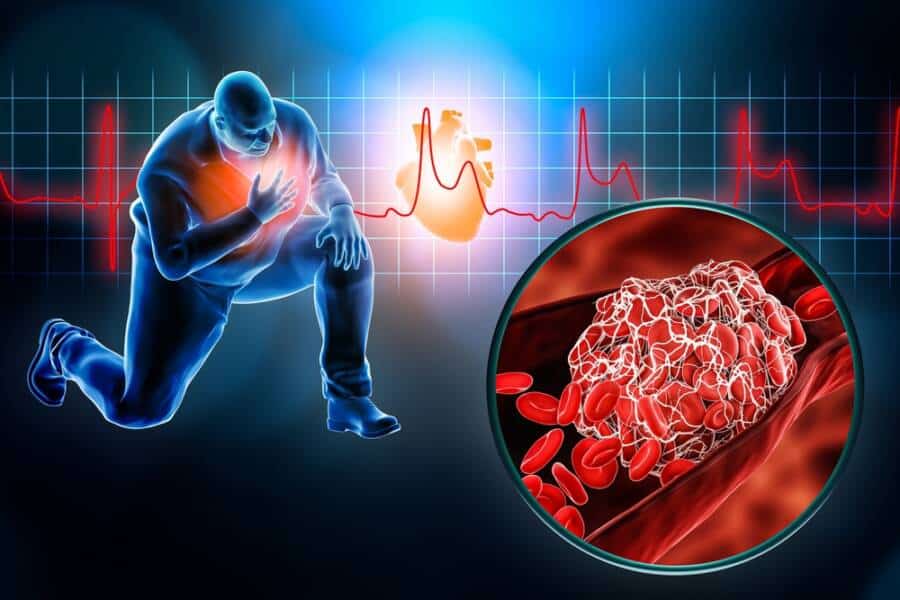
Even so, a clot in a vein or artery is deadly, because it blocks the blood flow to your brain, heart, and lungs. This does nothing but creates a heart attack or even a stroke. A coagulation test results might vary, depending on your health and any underlying conditions that are linked to clotting. Results from this test might help your doctor diagnose: leukemia, excessive bleeding (hemophilia), thrombosis, liver conditions, and vitamin K deficiency.
DHEA-sulfate serum test
The dehydroepiandrosterone or DHEA hormone is coming from your adrenal glands. This kind of test will measure if your levels are too high or too low. For example, for men, DHEA is essential in developing body hair growth, so low levels are considered to be abnormal. But in women, high levels can lead to male traits, such as excess body hair, so low levels are recommended.
Low levels might come from Addison’s disease, adrenal dysfunction, or hypopituitarism. But high levels in men and women might result from congenital adrenal hyperplasia, benign or malignant tumor on the adrenal gland, polycystic ovary syndrome (PCOS), and ovarian tumors.
If you enjoyed reading this article, we also recommend reading: 13 Foods That Are Good For Your Heart.








Leave a Reply