
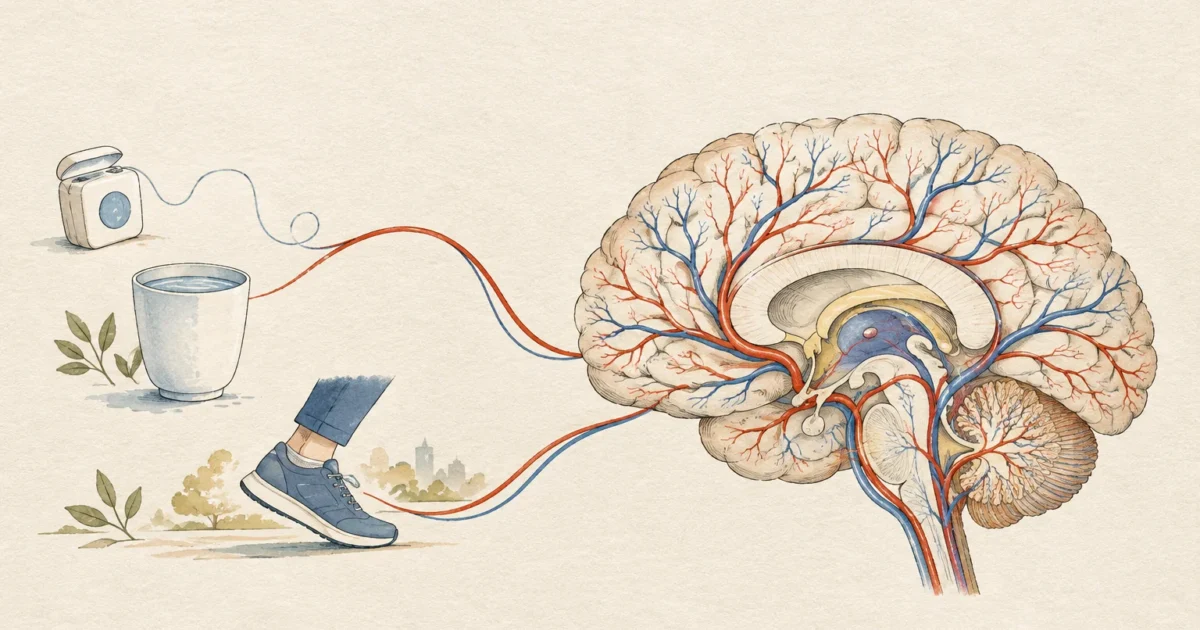
Your daily routines shape your vascular resilience far more than your inherited genetics alone. By identifying and shifting minor everyday habits, you can actively protect your brain against sudden, life-threatening vascular events.
More than 795,000 Americans suffer a stroke each year, creating an urgent need for proactive prevention. Fortunately, updated clinical findings confirm that small adjustments in your daily regimen yield substantial neurological protection.
Understanding these subtle everyday habits linked to strokes allows you to eliminate hidden strain on your arteries before vascular damage occurs.
The Science of Preventable Vascular Events
Stroke ranks among the leading causes of long-term disability and premature mortality worldwide. However, a catastrophic vascular event does not have to be an inevitable part of your aging journey.
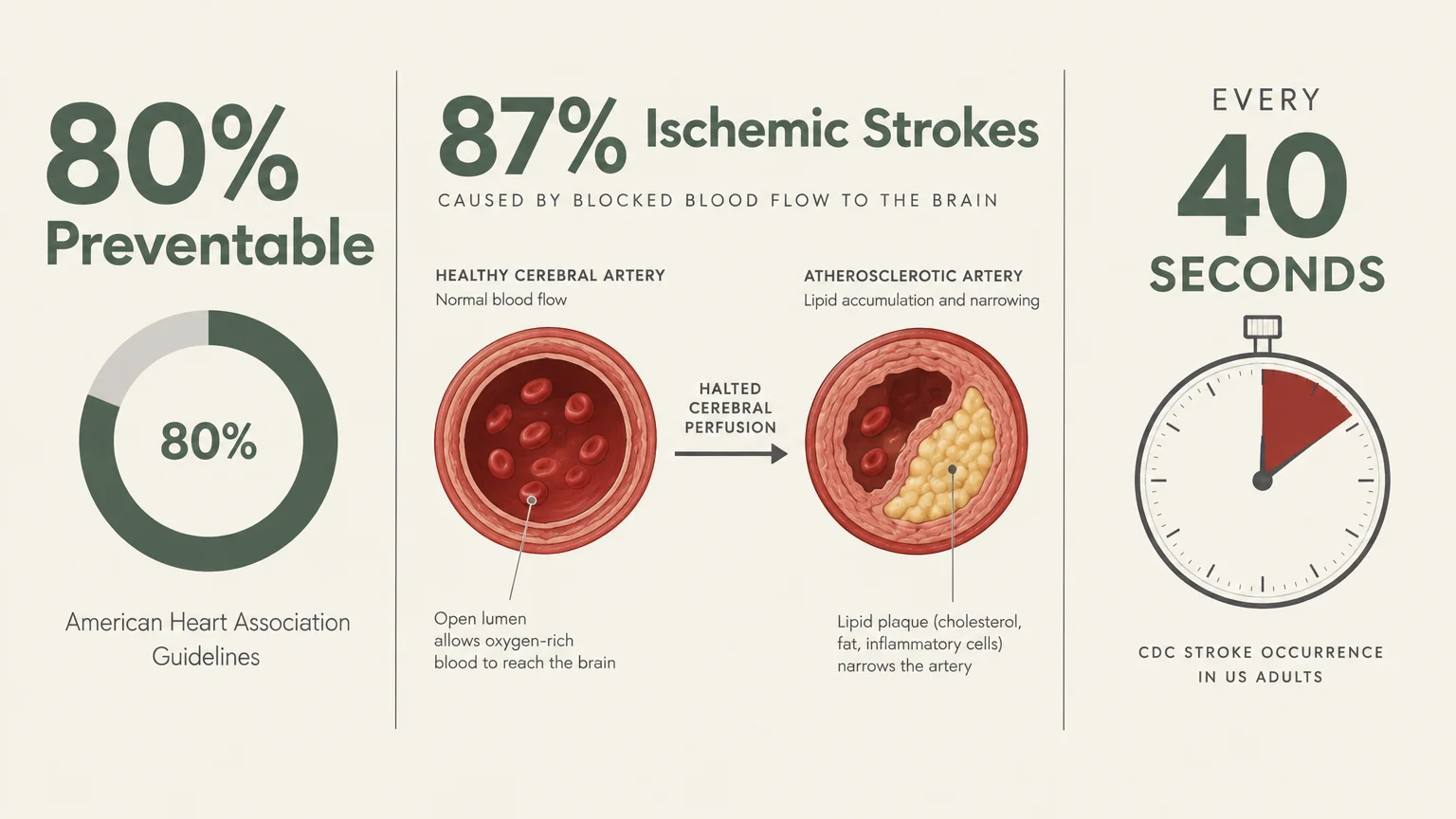
The American Heart Association guidelines updated in late 2024 confirm that up to 80% of all first strokes are preventable. Modifiable lifestyle choices and consistent screening provide your primary defense against cerebral injury.
Roughly 87% of strokes are ischemic, occurring when an arterial obstruction halts cerebral blood flow. According to the Centers for Disease Control and Prevention, a stroke strikes an American every 40 seconds.
Atherosclerosis develops quietly across decades without obvious outward symptoms. Evaluating your daily behaviors allows you to dismantle systemic vascular risk factors before emergencies manifest.

5 Seemingly Harmless Habits That Elevate Stroke Risk
Most people associate cerebrovascular danger solely with unmanaged hypertension, heavy cigarette smoking, or severe obesity. Yet subtle lifestyle causes of stroke frequently hide within seemingly harmless daily patterns.
Habit 1: Neglecting Daily Interdental Flossing
Skipping your nightly dental floss might seem like a minor cosmetic oversight confined strictly to your mouth. In reality, poor oral hygiene serves as an open gateway for systemic vascular inflammation.
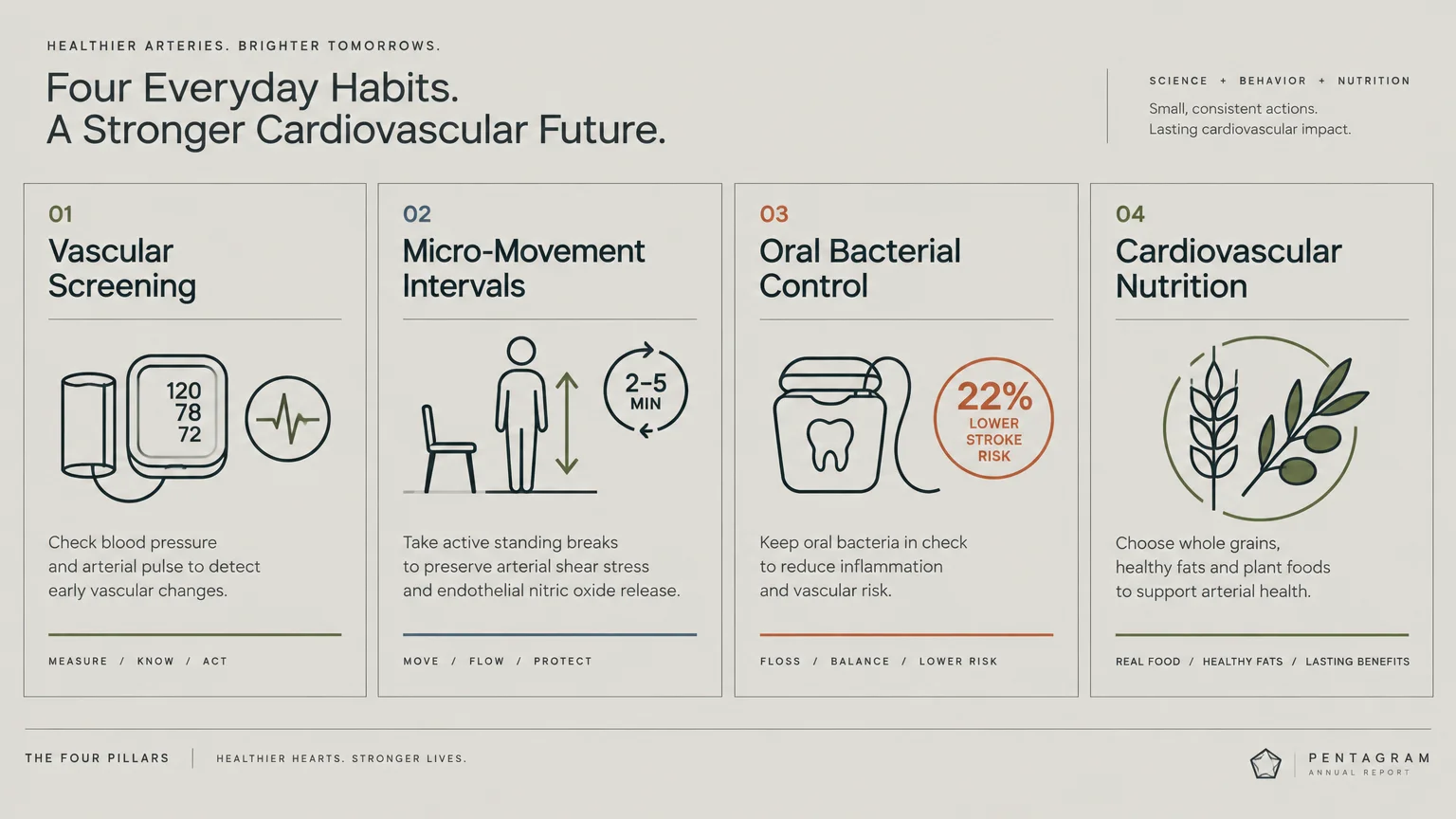
A landmark 2025 analysis of the Atherosclerosis Risk in Communities study tracked more than 6,000 individuals over 25 years. Researchers discovered that flossing at least once weekly correlated with a 22% lower risk of ischemic stroke.
Even more remarkably, regular flossing was associated with a 44% lower risk of cardioembolic stroke and a 12% lower risk of atrial fibrillation. Neglected gingival tissue fosters virulent oral bacteria that readily enter your bloodstream.
Once inside your vascular system, these pathogens trigger immune cascades that destabilize vulnerable carotid artery plaques. Maintaining pristine gum tissue directly preserves your cerebral blood vessels by eliminating a potent source of chronic inflammation.
Habit 2: Enduring Prolonged, Unbroken Desk Sedentariness
Modern office environments compel many professionals to spend consecutive hours pinned to an ergonomic chair. Even if you complete a morning workout, unbroken daytime sitting exerts an independent, detrimental toll on your vascular endothelium.
A 2022 study published in JAMA Network Open tracked 7,607 participants using objective accelerometers over seven years. The data revealed that accumulating 13 or more sedentary hours daily raised stroke risk by 44% compared to sitting fewer than 11 hours.
This sedentary vulnerability proves especially pronounced among younger demographics. Adults under age 60 who logged eight or more hours of daily sedentary leisure time faced a 4.50-fold increased risk of stroke when combined with low physical activity.
Prolonged immobility drastically reduces arterial shear stress and dampens your natural endothelial nitric oxide synthesis. Blood pools in lower extremity veins, which accelerates systemic clot formation and elevates central arterial pressure.
Habit 3: Maintaining an Irregular Sleep-Wake Schedule
Many busy adults pride themselves on clocking seven or eight hours of total rest each night. However, shifting your sleep and wake times erratically between weekdays and weekends inflicts considerable damage on your cardiovascular system.
A rigorous study published in the Journal of Epidemiology and Community Health evaluated 72,269 adults over an eight-year observation window. Participants with irregular sleep schedules exhibited a 26% higher risk of major cardiovascular events, including ischemic strokes.
Crucially, this elevated risk persisted even after researchers controlled for total sleep duration and sleep quality. Fluctuating sleep schedules continually disrupt your circadian biological clocks, which regulate blood pressure dipping and vascular repair.
When your autonomic nervous system loses its predictable temporal rhythm, midnight blood pressure remains chronically elevated. This persistent nocturnal hypertension damages delicate cerebral microvessels and increases your lifetime susceptibility to small-vessel strokes.
Habit 4: Living in a State of Chronic Mild Dehydration
Busy workdays often lead individuals to substitute caffeinated beverages for pure water throughout the day. Operating in a state of low-grade, persistent dehydration creates dangerous hemodynamic consequences inside your cranium.
A 2025 study published in the Journal of Stroke and Cardiovascular Diseases linked clinical dehydration to nearly twice the risk of ischemic stroke. Furthermore, under-hydrated patients exhibited an alarming fourfold increase in intracerebral hemorrhage occurrences.
Insufficient fluid intake reduces overall plasma volume while concentrating red blood cells and circulating platelets. This hemoconcentration elevates whole blood viscosity, turning smoothly flowing blood into a sluggish, viscous fluid.
Sluggish microcirculation promotes spontaneous thrombus formation across narrow cerebral capillaries. By drinking adequate fluids consistently, you ensure optimal blood viscosity and protect vulnerable brain tissue from localized ischemic starvation.
Habit 5: Relying on Daily Artificially Sweetened Diet Drinks
Switching from sugar-laden sodas to diet alternatives often feels like a responsible dietary compromise. Unfortunately, daily consumption of synthetic sweeteners introduces unique metabolic hazards that compromise your cerebrovascular network.
In a comprehensive Women’s Health Initiative study published in the journal Stroke, researchers monitored 81,714 postmenopausal women for over a decade. Individuals consuming two or more artificially sweetened drinks daily experienced a 23% increase in overall stroke risk.
The correlation proved even more pronounced for clot-based events, showing a 31% surge in ischemic stroke incidence. Artificial sweeteners alter your intestinal microbiome, which can provoke systemic inflammation and impair vascular endothelial reactivity.
These biochemical disruptions can also accelerate subclinical glucose intolerance and elevate resting arterial stiffness. Quenching your thirst with pure water or unsweetened herbal infusions offers a safer, restorative path toward optimal vascular vitality.
Evidence-Based Pillars for Robust Stroke Prevention
Dismantling insidious risk factors requires an intentional, sustainable approach across several operational pillars. By applying these stroke prevention tips, you cultivate long-term vascular resilience and protect cognitive function.
Pillar 1: Dynamic Physical Movement Throughout the Day
Structured exercise sessions cannot fully erase the metabolic consequences of all-day desk confinement. You must deliberately interrupt sedentary periods every 30 to 45 minutes with brief bursts of purposeful movement.
Standing up for two minutes to stretch, stroll down a hallway, or perform calf raises stimulates lower extremity muscular contractions. These micro-movements activate cellular glucose transporters and sustain beneficial endothelial nitric oxide output throughout the workday.
Invest in an adjustable sit-stand desk converter to alternate your working posture comfortably across morning and afternoon hours. Incorporate brisk 30-minute aerobic walks into your regular routine to train your arterial walls to dilate effectively.
Pillar 2: Arterial Nutrition and Proactive Hydration
Your blood vessels respond dynamically to the micronutrients and fluids you ingest on an hourly basis. Prioritize potassium-rich, unrefined whole foods such as spinach, avocado, beans, and wild-caught fish to blunt sodium-induced blood pressure spikes.
Keep a reusable glass or stainless steel water bottle at your workstation as a visual prompt to hydrate evenly. Aim to consume fluids gradually across the day rather than chugging large quantities exclusively in the evening.
Eliminate diet sodas and replace them with natural mineral water infused with fresh citrus or cucumber slices. These whole-food substitutions protect your gut microbiota while preserving healthy systemic vascular tone.
Pillar 3: Circadian Discipline and Restorative Routines
Your brain requires dependable biological timing to execute crucial nocturnal vascular repair processes. Commit to waking up and retiring within a consistent 30-minute window every day of the week, including weekends.
Expose your eyes to outdoor sunlight for ten minutes shortly after waking to anchor your central circadian pacemaker. In the evening, dim overhead household fixtures and power down blue-light emitting screens at least one hour before bed.
This disciplined consistency enables your blood pressure to dip naturally overnight, easing mechanical stress on cerebral microvessels. Quality sleep rhythm represents one of your most potent, non-pharmacological tools for long-term stroke prevention.
Pillar 4: Proactive Clinical and Oral Monitoring
Never underestimate the preventative power of routine clinical examinations and specialized dental hygiene visits. Schedule comprehensive dental cleanings every six months to eradicate subgingival tartar and keep oral bacterial colonies in check.
Invest in a validated home blood pressure cuff and track your resting readings two mornings per week. Document your readings meticulously and share this data with your primary healthcare provider during your annual wellness assessment.
The National Institutes of Health emphasizes that sustained hypertension serves as the single strongest modifiable contributor to stroke. Tracking your numbers at home empowers your physician to optimize treatment long before vascular emergencies develop.

Real Clinical Voices: Insights from the Frontlines
Vascular neurologists and preventive cardiologists frequently encounter patients surprised by unexpected stroke diagnoses. Clinicians emphasize that seemingly minor lifestyle vulnerabilities aggregate over time into substantial medical events.
Preventive cardiologists routinely emphasize that vascular health operates as an integrated system from your gums down to your microcapillaries. Treating chronic gingival inflammation or interrupting prolonged sedentariness yields measurable improvements in systemic endothelial function.
Clinicians also caution against treating over-the-counter pain relievers as harmless candy. The U.S. Food and Drug Administration cautions that regular use of non-aspirin NSAIDs can raise your risk of heart attack or stroke by 10% to 50%.
Consulting your physician before taking routine anti-inflammatory medication safeguards your kidneys and vascular integrity. Partnering closely with your medical team ensures your daily wellness strategies align with your personal risk profile.
Frequently Asked Questions About Stroke Risks
Can young, active adults still suffer strokes from these everyday habits?
Yes, stroke incidence among adults under age 55 has risen notably over the past two decades. Prolonged sitting, irregular circadian cycles, and dehydration strain arterial walls regardless of your physical age.
Even fit individuals can harbor silent vascular risks if they neglect consistent hydration and allow systemic oral inflammation to flourish. Early lifestyle prevention remains essential across every stage of your adult life.
How quickly does daily flossing improve vascular health markers?
Eliminating interdental biofilm reduces localized gingival bleeding and systemic inflammatory markers within a few short weeks. Serum levels of C-reactive protein often drop when active periodontal inflammation subsides.
According to the American Stroke Association, lowering chronic systemic inflammation directly safeguards delicate arterial plaques against rupture. Making flossing an automatic evening habit delivers immediate and enduring neurological protection.
What is the most practical way to counteract long hours of desk sitting?
Set a subtle recurring timer on your phone or smartwatch to chime every 45 minutes during your working hours. Use that cue to stand up, march in place, or walk briskly for two minutes.
These brief muscular interruptions rapidly restore healthy vascular shear stress and clear venous pooling in your legs. Consistency throughout the day matters significantly more than squeezing in one grueling workout after hours of immobility.
When should you consult a healthcare professional regarding personalized stroke risks?
You should consult your doctor immediately if you record home blood pressure readings consistently above 130/80 mmHg. Early professional intervention allows for lifestyle counseling or pharmacotherapy before microscopic vascular remodeling occurs.
Furthermore, discuss personal risk factors if you experience chronic sleep disruption, persistent migraine headaches, or a family history of premature strokes. Personalized medical care ensures you address distinct genetic predispositions alongside your positive daily lifestyle habits.
Embracing Sustainable Change for Lifelong Brain Health
Safeguarding your brain does not demand radical deprivation or overwhelming lifestyle transformations overnight. Lasting vascular resilience grows from modest, conscious choices repeated day after day with deliberate intention.
Begin by choosing just one actionable habit to refine today, such as placing dental floss beside your toothbrush or keeping fresh water at your desk. Small victories build biological momentum and reinforce your identity as an active steward of your wellbeing.
Which small, unconscious habit will you choose to transform this week to protect your future brain health? Take ownership of your vascular destiny today, and let every intentional choice shield your long-term vitality.








Leave a Reply