

Persistent fatigue, stubborn weight gain, and shifting mood often mask an underlying hormonal imbalance. Recognizing low testosterone symptoms early allows you to protect your metabolic vitality and overall long-term wellbeing.
Your endocrine system regulates vital functions ranging from cardiovascular strength to lean muscle preservation. When circulating androgen levels decline significantly, your body produces distinct physiological and psychological warning signs.
Understanding these subtle indicators helps you pursue timely clinical testing and individualized medical solutions. Modern endocrinology provides clear, evidence-based pathways toward restoring daily energy and hormone balance.

Understanding Testosterone Decline and Clinical Diagnosis
Testosterone levels do not remain static across your lifespan. Longitudinal research demonstrates that circulating testosterone drops naturally by approximately 1% per year starting between ages 30 and 40.
This natural decline impacts between 4 million and 13.8 million men across the United States. Furthermore, hypogonadism affects roughly 30% to 39% of men over age 45.
Metabolic conditions compound this hormonal reduction dramatically. Between 40% and 50% of men with obesity or type 2 diabetes face low testosterone according to the Centers for Disease Control and Prevention.
Accurate diagnosis requires strict biochemical verification rather than subjective evaluation. Both the Endocrine Society and the American Urological Association define low testosterone as total serum testosterone below 300 ng/dL.
Clinical guidelines mandate at least two separate blood draws collected on different mornings between 7:00 AM and 10:00 AM. Morning draws are vital because testosterone levels peak after restorative sleep before steadily falling.
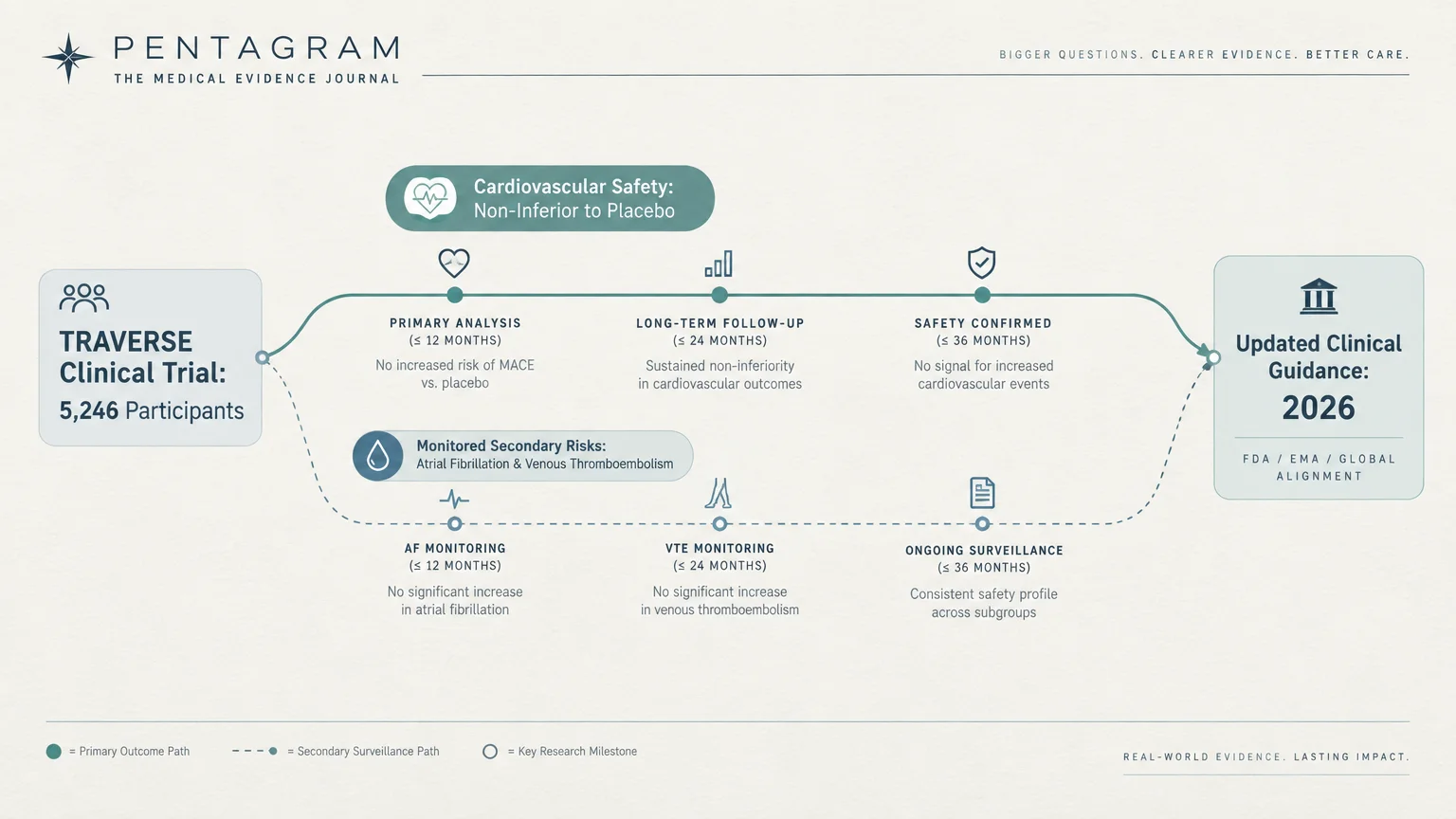
Cardiovascular safety remains paramount when evaluating hormone therapy options. The landmark TRAVERSE clinical trial in the New England Journal of Medicine tracked 5,246 hypogonadal men over several years.
The trial confirmed that testosterone replacement therapy is non-inferior to placebo regarding major adverse cardiovascular events. However, clinicians noted minor increases in secondary risks, including atrial fibrillation and venous thromboembolism.
Reflecting this extensive safety evidence, federal health agencies updated clinical guidance in mid-2026. Regulators initiated label updates to reconsider previous warnings against treating age-related hypogonadism.
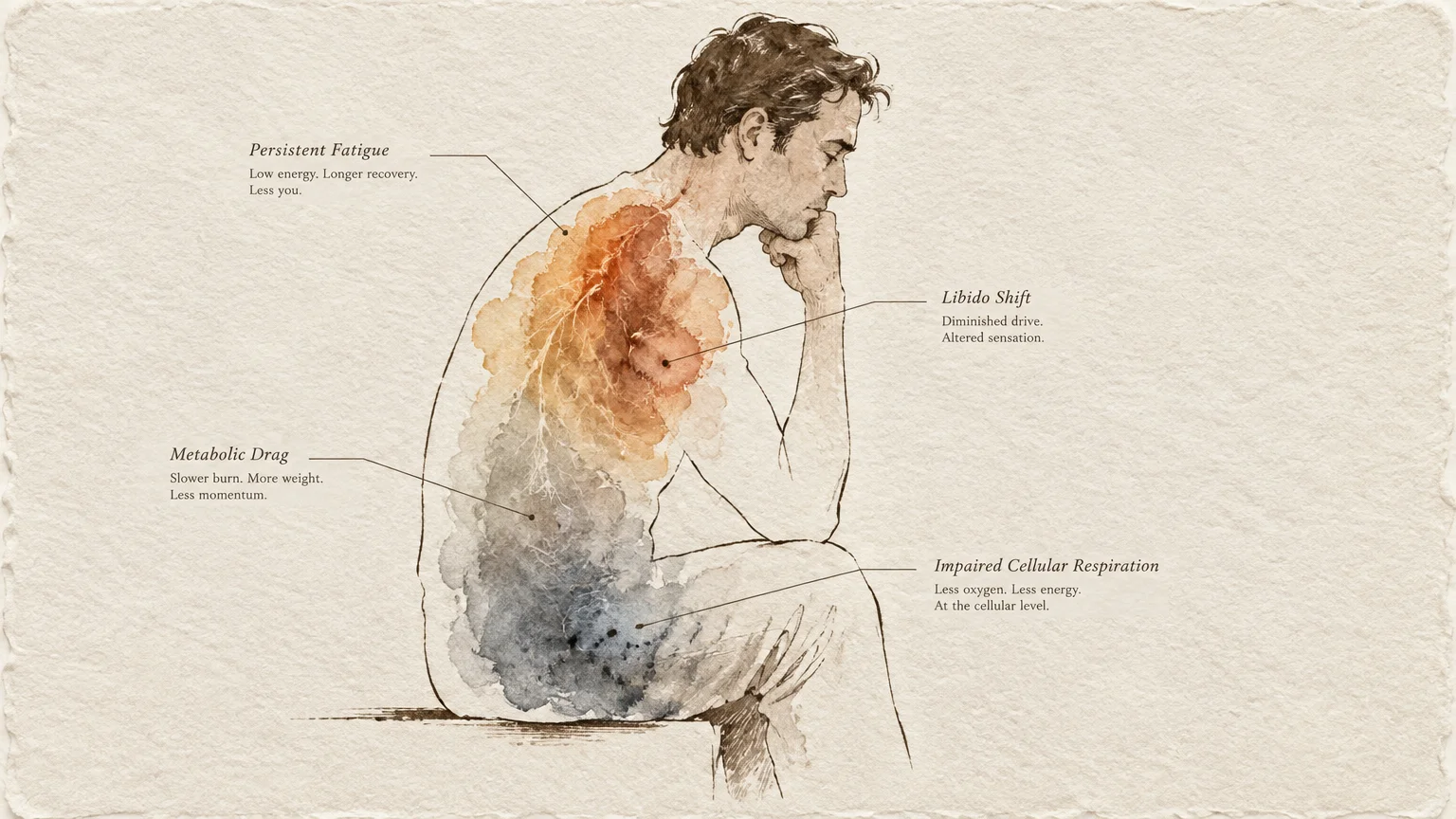
11 Symptoms That Could Point to Low Testosterone
Testosterone deficiency triggers a wide spectrum of physical, cognitive, and metabolic signs. Recognizing these distinct markers empowers you to seek an accurate medical evaluation.
1. Chronic and Unrelenting Fatigue
Experiencing profound exhaustion despite sleeping seven to eight hours points toward endocrine disruption. Low testosterone impairs mitochondrial cellular respiration, leaving you drained of physical stamina.
Unlike routine tiredness, this chronic fatigue persists across weekends and restful breaks. You may experience an afternoon energy crash that severely undermines your daily productivity.
2. Reduced Libido and Sexual Desire
Testosterone drives sexual appetite by activating androgen receptors within specific brain centers. When circulating hormone levels plummet, your baseline desire for intimacy drops noticeably.
Many men report an absence of spontaneous sexual thoughts or romantic interest. While temporary life stress affects libido, chronic disinterest warrants a formal hormone evaluation.
3. Erectile Dysfunction and Morning Erection Loss
Androgens stimulate the release of nitric oxide, which dilates penile blood vessels. Insufficient testosterone impairs this biochemical signaling, leading to softer or unsustainable erections.
The loss of involuntary morning erections serves as a reliable clinical indicator of deficiency. Because nocturnal erections depend on morning testosterone peaks, their absence suggests diminished circulating androgens.
4. Loss of Lean Muscle Mass
Testosterone plays an indispensable role in promoting muscle protein synthesis. Without sufficient circulating levels, your body struggles to repair and sustain lean skeletal muscle tissue.
You might observe visible muscle atrophy across your arms, chest, and quadriceps. Consistent strength training often fails to produce muscle growth when androgen signaling remains suppressed.
5. Noticeable Drop in Physical Strength
Muscle wasting directly correlates with a quantifiable decline in neuromuscular power. Everyday activities like carrying heavy boxes, climbing stairs, or lifting weights feel unusually exhausting.
Athletes frequently discover an inability to maintain standard training loads in the gym. This sudden drop in performance stems directly from compromised muscular recruitment.
6. Accumulation of Central Body Fat
Testosterone inhibits lipoprotein lipase, an enzyme that promotes fat accumulation in abdominal tissues. As levels drop, your body deposits stubborn visceral fat around your midsection.
Visceral adipose tissue produces aromatase, an enzyme that converts testosterone into estrogen. This process fuels a hormonal cycle that further suppresses your natural testosterone production.
7. Brain Fog and Difficulty Concentrating
Androgen receptors reside in key cognitive structures of the brain, including the hippocampus. Men with testosterone deficiency frequently report persistent mental sluggishness, forgetfulness, and poor focus.
This cognitive fog can hinder complex problem-solving and executive task completion. Restoring balanced hormone parameters often clears this mental haze and enhances concentration.
8. Depressed Mood and Heightened Irritability
Testosterone modulates neurotransmitters like serotonin and dopamine that regulate emotional wellbeing. Hormonal depletion often causes unexplained irritability, emotional volatility, and diminished motivation.
You might experience emotional numbness or a loss of interest in regular hobbies. Medical literature demonstrates that low testosterone frequently mimics or worsens clinical depressive symptoms.
9. Decreased Bone Mineral Density
Testosterone stimulates osteoblasts to construct new bone matrix and maintain skeletal integrity. When androgens drop, bone breakdown outpaces formation, increasing your risk for osteopenia and osteoporosis.
This silent symptom often remains undetected until a minor fall causes an unexpected fracture. Maintaining strong bones requires consistent hormonal support alongside progressive weight-bearing exercises.
10. Gynecomastia and Breast Tenderness
An altered ratio of testosterone to estrogen stimulates glandular tissue growth in male breasts. This condition, known as gynecomastia, causes noticeable swelling and physical tenderness beneath the nipples.
A thorough clinical examination helps distinguish glandular proliferation from simple chest fat. Medical or surgical interventions can resolve this condition once underlying hormone levels are stabilized.
11. Loss of Body Hair and Unexplained Mild Anemia
Testosterone maintains secondary sexual characteristics, including facial, chest, and pubic hair density. Severe hormone deficiencies cause gradual body hair thinning or slower beard growth.
Additionally, testosterone signals the kidneys to produce erythropoietin for red blood cell manufacturing. Deficiencies can lead to mild normocytic anemia, intensifying chronic fatigue and physical weakness.

Evidence-Based Pillars to Support Hormone Health
Restoring hormonal vitality requires combining medical therapy with proactive lifestyle modifications. Integrating these four evidence-based pillars establishes an optimal metabolic foundation for long-term recovery.
Pillar 1: Targeted Resistance Training and Movement
Engaging in progressive resistance training stimulates acute androgen release and improves insulin sensitivity. Emphasize compound lifts like squats, deadlifts, and overhead presses three to four days per week.
Limit excessive, grueling cardiovascular sessions that elevate cortisol levels for extended periods. Elevated cortisol actively blunts testicular testosterone synthesis and impairs muscular recovery.
Pillar 2: Metabolic Nutrition and Micronutrient Density
Your endocrine glands require dietary lipids to produce cholesterol, the biochemical precursor to testosterone. Incorporate monounsaturated and saturated fats from avocados, extra virgin olive oil, whole eggs, and salmon.
Address common micronutrient shortfalls by optimizing your intake of zinc, magnesium, and vitamin D. Deficiencies in these essential nutrients restrict luteinizing hormone release from your pituitary gland.
Pillar 3: Restorative Sleep and Circadian Alignment
Most daily testosterone production occurs during uninterrupted, slow-wave rapid eye movement sleep cycles. Sleeping fewer than six hours per night can reduce daytime circulating testosterone by up to 15%.
Maintain a regular sleep schedule, cool your bedroom environment, and eliminate nocturnal screen glare. Screening for obstructive sleep apnea is vital, as oxygen desaturation severely disrupts nighttime hormone synthesis.
Pillar 4: Evidence-Based Clinical Care and Hormone Therapy
When foundational lifestyle interventions cannot elevate levels past 300 ng/dL, medical treatments provide reliable relief. Physicians prescribe transdermal gels, intramuscular injections, or subcutaneous pellets tailored to your lifestyle.
Always work with licensed medical professionals rather than sourcing unregulated compounds online. Routine blood monitoring protects against elevated hematocrit, lipid shifts, and unnecessary prostate complications.
Clinical Perspectives on Evaluation and Safety
Clinicians stress that laboratory metrics must align with measurable clinical symptoms before initiating treatment. Prescribing hormone therapy based purely on marginal lab values without real-world symptoms can introduce unnecessary risks.
Specialists at the National Institutes of Health emphasize integrating lifestyle modifications alongside any clinical protocol. Reducing metabolic inflammation improves androgen receptor sensitivity, maximizing your therapeutic response.
Many patients report profound relief after receiving a formal diagnosis and structured treatment plan. Recognizing that chronic exhaustion stems from biology rather than personal failure provides powerful motivation for recovery.
Frequently Asked Questions
Can low testosterone cause rapid weight gain?
Yes, low testosterone reduces basal metabolic rate while encouraging visceral abdominal fat accumulation. This hormonal environment makes losing weight exceptionally difficult despite rigorous caloric restriction.
Correcting androgen deficiency enhances insulin sensitivity, making fat loss significantly more achievable. Combining hormonal balance with metabolic nutrition accelerates healthy body composition changes.
Does testosterone therapy increase heart disease risk?
The definitive TRAVERSE trial demonstrated that testosterone replacement does not increase major adverse cardiovascular events in hypogonadal men. However, men with preexisting heart conditions require personalized clearance from their cardiologist.
Routine clinical oversight ensures that red blood cell counts and blood pressure remain within healthy parameters. Proactive monitoring keeps cardiovascular risks minimal throughout long-term therapy.
How quickly do symptoms improve after starting treatment?
Most individuals experience noticeable improvements in energy, mood, and mental focus within three to six weeks. Physical changes like muscle hypertrophy, fat loss, and bone density gains require three to six months.
Patience and consistent medication compliance remain vital for realizing full therapeutic benefits. Maintaining an honest symptom tracker helps your physician adjust dosages effectively over time.
Can younger men develop low testosterone?
Yes, young men can experience hypogonadism caused by pituitary dysfunction, obesity, severe stress, or testicular trauma. Any adult suffering from chronic deficiency symptoms should request early morning blood work regardless of age.
Physicians often evaluate fertility preservation when treating younger patients with low testosterone. Medications such as selective estrogen receptor modulators can boost endogenous production without halting spermatogenesis.
Your Path Forward
Hormonal decline does not have to dictate your daily quality of life or long-term metabolic health. Recognizing these eleven symptoms represents your first crucial step toward reclaiming energy and strength.
Contact your primary healthcare provider to schedule an early morning fasting testosterone panel. Reflect on how restoring your hormonal vitality can enhance your daily performance, focus, and overall wellbeing.








Leave a Reply