
Have you ever woken up after 8 hours of sleep feeling worse than when you went to bed? You might not realize it, but your sleep position can affect the quality of your rest and overall health.
Sleep is vital for physical and mental health, and its quality is influenced by the position you prefer to rest overnight. While some prefer a specific position, others change positions throughout the night. The alignment of the spine, neck, and body varies with back, side, or stomach sleeping, each having its pros and cons.
Understanding the impact of sleep positions on health is crucial, especially for those with medical conditions like back pain, acid reflux, or sleep apnea. Each position can improve or worsen these issues, affecting sleep quality and daytime functioning. By evaluating different sleeping positions and the importance of suitable sleep accessories, you can make informed choices to enhance sleep quality and overall health.

Sleeping on your back
Although sleeping on your back may not be the most comfortable position for everyone, it offers numerous health benefits. Typically, the legs are relaxed and extended naturally, while the arms rest straight down at the sides, bend with hands over the chest or stomach, or are lifted overhead.
While this sleep position offers numerous benefits, it’s also essential to remember that it may have a few drawbacks depending on your individual health needs.
Pros: One incredible advantage of sleeping on your back is that it helps align your spine. This cozy position allows your head, neck, and spine to relax neutrally, which can help lessen the chances of back and neck pain. It’s also great for relieving pressure on your joints and improving your posture. If you experience acid reflux, resting on your back with your head elevated can ease those symptoms by stopping stomach acid from creeping back into your esophagus. Plus, it’s a fantastic option for minimizing the chances of pressure sores, making it beneficial for those spending more time in bed.
Cons: Back sleeping has perks, but can also make some health issues more challenging. If you have sleep apnea, this position might challenge breathing and lead to more snoring. It might not be the most comfortable option for pregnant individuals, as it can put pressure on the vena cava and affect blood flow to the baby. Additionally, some folks might notice lower back pain if they don’t use proper support, like placing a pillow under their knees to help keep the spine’s natural curve. So, even though back sleeping can be beneficial, it’s a good idea to consider your health needs and what feels comfortable.
Sleeping on your left side
Sleeping on your left side is often suggested because it offers many health benefits. People prefer this position usually rest comfortably with their head and torso leaning to the left. Their arms might be tucked under the body, gently stretched out, or slightly forward, with the left shoulder resting cozily against the mattress. The legs are bent in a curled-up fetal position, and the knees are pulled toward the torso.
This is the most relaxing sleeping position, in my opinion. However, it has some drawbacks. It can significantly affect your overall well-being, particularly if you have specific health concerns.
Pros: One of the great benefits of sleeping on your left side is that it can support your digestion. This cozy position allows food to glide more smoothly from your stomach into your intestines, which can help ease any discomfort, like acid reflux or heartburn. Plus, it’s beneficial for pregnant women, as it boosts blood flow to the baby and takes some pressure off the liver. For those dealing with sleep apnea, this position can also keep those airways nice and open, reducing snoring and contributing to a more restful night’s sleep.
Cons: While left-side sleeping has its perks, it might not be the best fit for everyone. Some folks could feel shoulder and hip discomfort, especially if they don’t have enough cushioning to support these areas. Plus, this sleeping position might add too much pressure on the heart for certain heart conditions. People dealing with carpal tunnel syndrome may also discover that this position isn’t the most comfortable for their symptoms.
Sometimes, it can be challenging to control your sleeping position, even when it isn’t the best for your health. If so, choosing the perfect mattress and pillow can enhance your comfort and help you avoid any negatives.
Sleeping on your right side
Many people find sleeping on their right side comfortable, resting their head and torso in that orientation. Just like sleeping on the left side, the arm can be positioned under the body, slightly forward, or extended, applying pressure to the right shoulder. Depending on what feels more comfortable, you can place your right leg underneath or bring both knees up toward your body in a cozy fetal position.
Pros: Sleeping on your right side comes with some fantastic benefits. It can help ease symptoms of acid reflux and heartburn for many people. It promotes better digestion by keeping stomach acid from creeping back into the esophagus. Plus, if you have certain heart conditions, this position is heart-friendly, too, as it reduces pressure on your heart compared to sleeping on the left side. If you or someone you know struggles with snoring, right-sided sleeping might be worth trying, as it can also help some folks with sleep apnea.
Cons: Sleeping on the right side can worsen specific health conditions. For pregnant women, this position may place strain on essential organs and limit blood flow to the fetus, which is why left-side sleeping is generally recommended. Moreover, right-sided sleeping might intensify symptoms for people suffering from heartburn or acid reflux, as it alters the stomach’s position in relation to the esophagus. Those who suffer from shoulder and hip pain may also find this position uncomfortable due to the added pressure on these areas.
Sleeping on your right side can provide benefits like better digestion and heart health for some individuals, but it may not be ideal for everyone. Comfort, underlying health issues, and adequate support are crucial for a restful night’s sleep.
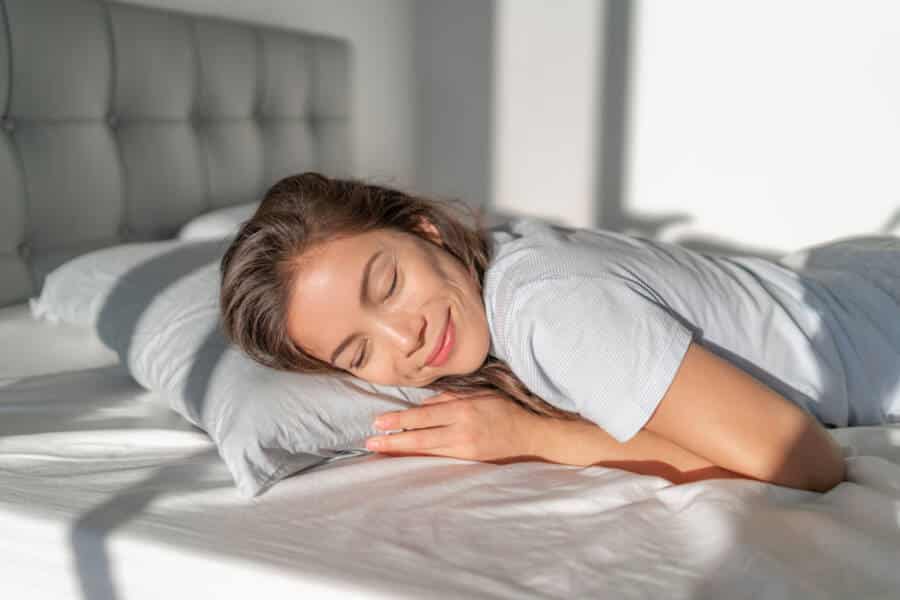
Sleeping on your stomach
Sleeping on your stomach, or prone sleeping, is an interesting way to rest. People often turn their faces to the side to breathe comfortably when in this position. Some might tuck their arms and hands underneath their bodies or keep them at their sides. Typically, the legs are kept straight, adding to the cozy feel.
While this sleep position may be incredibly comfortable for some, it comes with various health implications that are important to consider.
Pros: Sleeping on the stomach can minimize snoring. This position can help maintain open airways, allowing individuals who snore or suffer from mild sleep apnea to breathe more easily at night. Many find that this sleeping posture provides security and comfort, potentially enhancing their overall sleep quality.
Cons: Nevertheless, the disadvantages of stomach sleeping frequently surpass the advantages. A significant issue is that this position may cause neck and back pain. When lying face down, people generally need to turn their heads to one side, which can strain the neck and disrupt spinal alignment. Over time, this misalignment can lead to persistent discomfort and pain. Sleeping on the stomach can exert pressure on internal organs, potentially resulting in problems like acid reflux or digestive issues, and discomfort. Typically, this position is unsuitable for those with pre-existing back or neck issues, as it may worsen their condition.
Finding the ideal sleeping position is vital for overall health and wellness, but it isn’t always a deliberate choice. Various factors, such as personal comfort, medical issues, and even established habits, can affect how we sleep naturally. Investing in a suitable mattress and supportive pillows is crucial to improve sleep quality and reduce discomfort. A mattress that offers proper support and keeps the spine aligned can help avoid pain and encourage restful sleep. Likewise, selecting a pillow that matches your sleeping position can guarantee correct neck alignment and minimize strain. Focusing on both the appropriate sleep position and supportive sleep accessories can lead to significantly better health and sleep quality.
If you’re looking for more tips to enhance your sleep, be sure to check out our next article: “Never Wear These Clothing Items When Sleeping – Experts Warn.” It’s packed with expert advice just for you!









Leave a Reply