

Recognizing early nutrient deficiency symptoms allows you to intervene before minor physical quirks escalate into chronic health issues. Your body communicates its nutritional status through subtle changes in your skin, energy levels, and cognitive function. When essential vitamins and minerals fall below optimal thresholds, cellular repair slows down and metabolic processes falter. Aging health depends heavily on vigilant monitoring, since senior nutrition issues often develop silently due to reduced appetite or absorption challenges. By learning to decipher these critical health warning signs, you can take immediate action to restore your biological balance. Addressing vitamin deficiency signs promptly protects your vitality, ensuring your physiological systems possess the exact fuel required to sustain your daily activities and maintain optimal systemic wellness.

Understanding Your Body’s Nutritional Demands
Your biological systems require a continuous supply of macronutrients for baseline energy and micronutrients to orchestrate complex chemical reactions. While most modern diets supply ample calories, they frequently lack the precise vitamins and minerals required for long-term health. A systemic shortfall rarely occurs overnight; instead, it develops gradually as your body depletes its internal storage. The World Health Organization notes that micronutrient deficiencies affect billions of individuals globally, cutting across all socioeconomic boundaries. Aging introduces a complex layer of difficulty because your stomach produces less gastric acid over time, which directly diminishes your ability to extract essential elements from your meals. Furthermore, chronic inflammation, specialized diets, and prescription medications can severely inhibit intestinal absorption, leaving you vulnerable to deficiency even when you consume seemingly balanced meals.
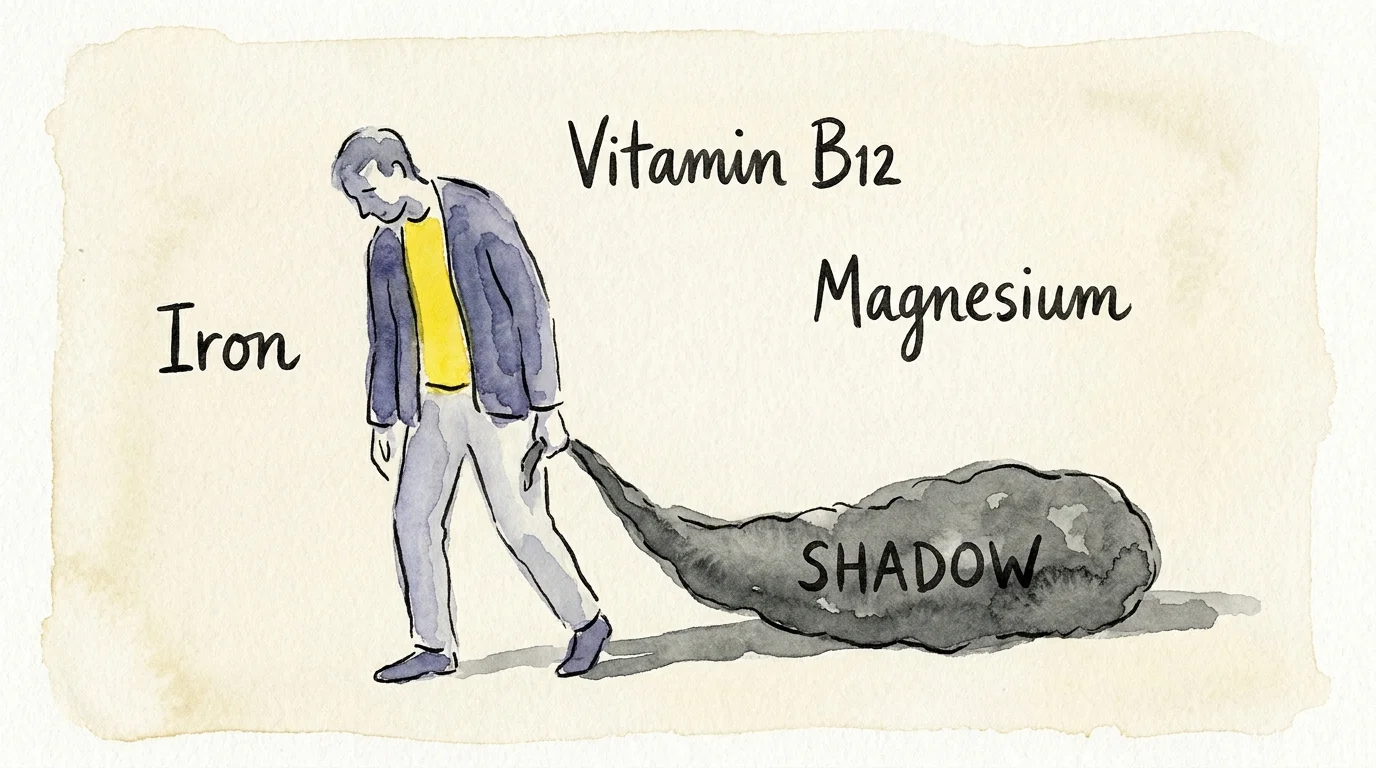
Sign 1: Unexplained Fatigue and Generalized Weakness
Feeling tired after a grueling day is expected, but waking up utterly exhausted despite logging eight hours of sleep strongly points toward a physiological deficit. Your cells depend on a steady supply of iron to produce hemoglobin, the specific protein responsible for transporting oxygen throughout your bloodstream. When your iron reserves plummet, your tissues essentially suffocate, leading to profound lethargy. Similarly, vitamin B12 plays an instrumental role in red blood cell formation and neurological transmission. A deficiency in this specific vitamin disrupts your body’s ability to convert food into usable cellular energy. Magnesium also serves as a critical co-factor in adenosine triphosphate production; its absence leaves your muscles feeling uncooperative and heavily fatigued.
Sign 2: Uncharacteristic Hair Loss and Scalp Changes
You naturally shed hair every day, but discovering large clumps of hair in your brush or observing a visibly widening part indicates a significant nutritional crisis. Your body operates on a strict hierarchy of biological survival. When you experience a severe deficit of essential minerals, your physiological systems quickly redirect those scarce resources away from non-essential functions to protect your vital organs. Iron, zinc, and biotin play a crucial role in maintaining strong hair follicles and a resilient scalp environment. Clinical guidance from the American Academy of Dermatology Association highlights that correcting underlying nutritional deficits is often necessary before topical hair restoration treatments can yield any meaningful clinical results.

Sign 3: Changes in Fingernail Texture and Shape
Your fingernails provide a visible, historical record of your nutritional status over the past several months. Healthy nails grow smoothly and securely attach to the nail bed, whereas nutrient-deprived nails become brittle, deeply ridged, or prone to peeling. A particularly distinct warning sign is koilonychia—a structural abnormality where the nails become thin and concave, resembling small spoons. This specific deformation serves as a classic indicator of severe iron deficiency anemia. Furthermore, striking white spots or bands across the nail plate frequently suggest a persistent zinc or calcium shortfall. By paying close attention to these structural changes, you can intercept deficiencies long before they trigger more severe systemic complications.
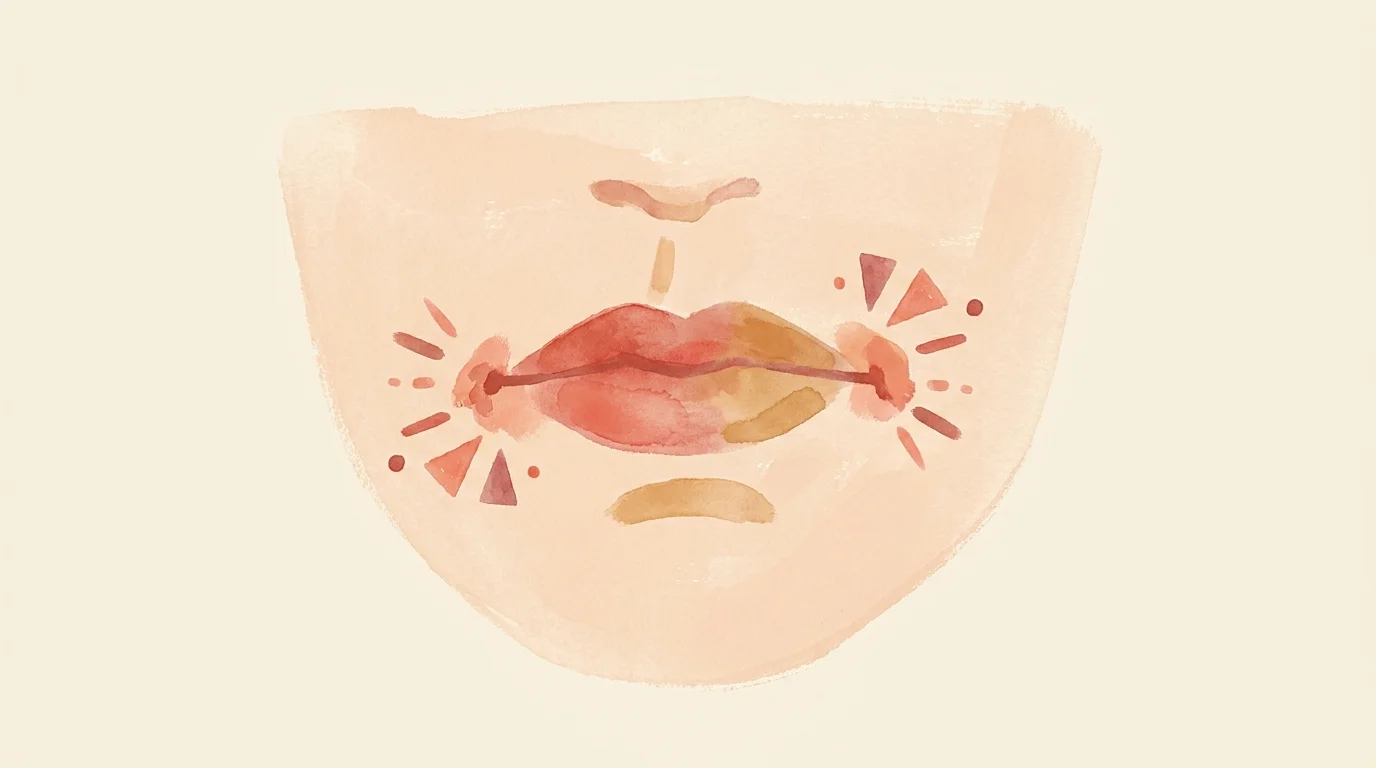
Sign 4: Mouth Ulcers and Cracks at the Lip Corners
The delicate mucous membranes inside your mouth regenerate rapidly, making them highly sensitive to fluctuating nutrient levels. Developing frequent mouth ulcers or painful sores on your gums often points directly to a shortage of B vitamins, particularly riboflavin, niacin, and pyridoxine. Another distinctive symptom is angular cheilitis, a condition characterized by deep, inflamed cracks at the exact corners of your mouth. These painful fissures make talking and eating highly uncomfortable and frequently signal overlapping deficiencies in both iron and essential B complex vitamins. Restoring these specific nutrients usually resolves the tissue inflammation and promotes rapid healing of the oral cavity.

Sign 5: Bleeding Gums and Poor Wound Healing
Healthy gums firmly anchor your teeth and resist bleeding during routine brushing. When your gums become swollen, exceptionally tender, or prone to unprovoked bleeding, you must consider a potential vitamin C deficiency. Vitamin C acts as an essential building block for collagen synthesis, the primary structural protein that fortifies your blood vessels, skin, and bone tissue. Without adequate vitamin C, the microscopic capillaries inside your gum tissue become incredibly fragile and rupture under the slightest pressure. A pronounced lack of this nutrient also dramatically drastically slows down your body’s wound-healing capabilities, causing minor cuts and bruises to linger for weeks rather than days.

Sign 6: Night Blindness and Visual Disturbances
Adapting to dimly lit environments requires your eyes to rapidly produce rhodopsin, a specialized light-sensitive protein located in your retina. Vitamin A serves as the critical foundational component for synthesizing this necessary protein. If you struggle to navigate your home safely at night or find nighttime driving increasingly hazardous due to glare and poor contrast, you might be experiencing early-stage vitamin A deficiency. Left unaddressed, a prolonged shortage of vitamin A can lead to extreme ocular dryness and potentially permanent damage to your cornea. Protecting your visual acuity requires maintaining sufficient fat-soluble vitamin reserves within your liver.
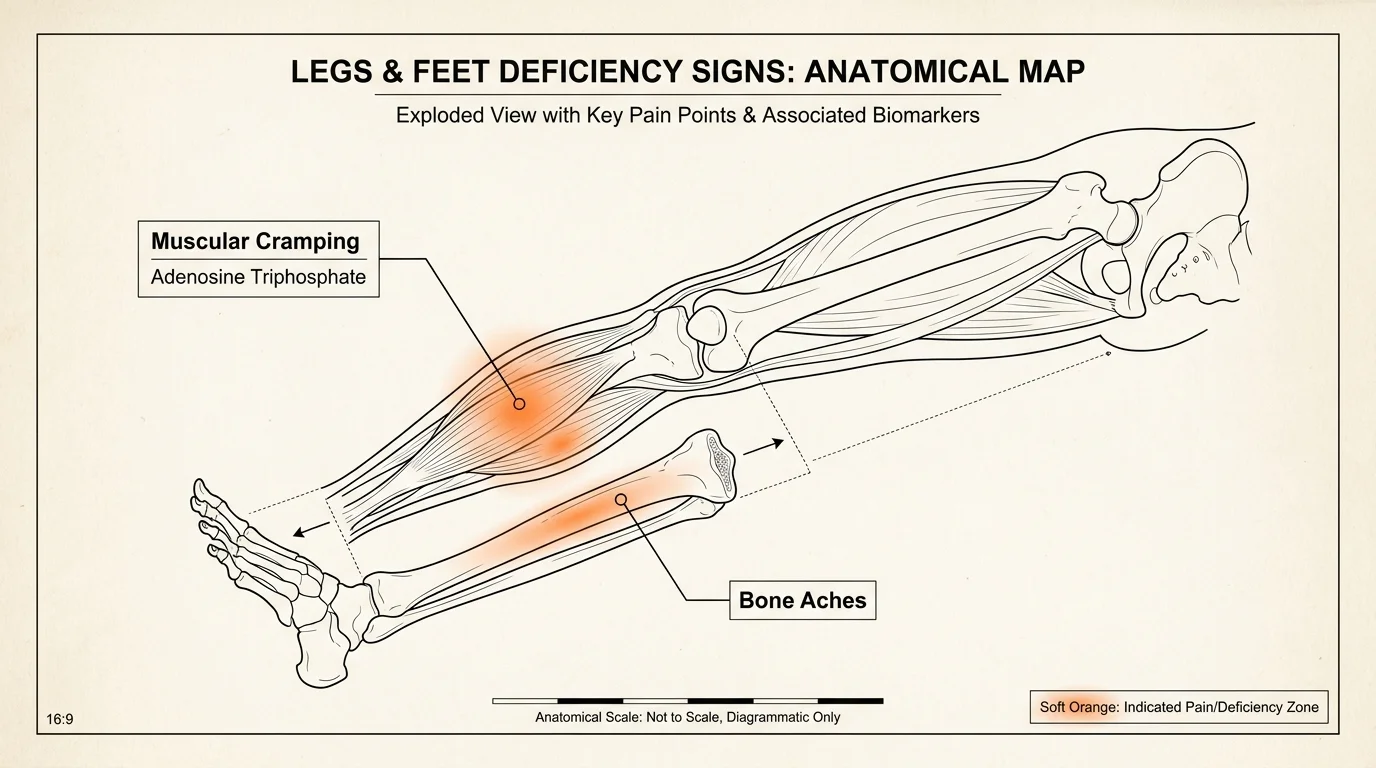
Sign 7: Bone Aches and Muscular Cramping
Your skeletal structure undergoes constant remodeling, a continuous physiological process that demands abundant calcium and vitamin D. Vitamin D acts as a biological key, unlocking your intestinal pathways to absorb dietary calcium efficiently. When you lack either nutrient, your body aggressively leaches stored calcium directly from your bones to maintain stable blood levels, resulting in a dull, persistent bone ache. Furthermore, frequent muscular cramping—especially painful spasms that awaken you in the middle of the night—frequently signals dangerously low levels of potassium or magnesium. These vital electrolytes regulate nerve impulses and muscle contractions, meaning their absence triggers involuntary, severe spasms.
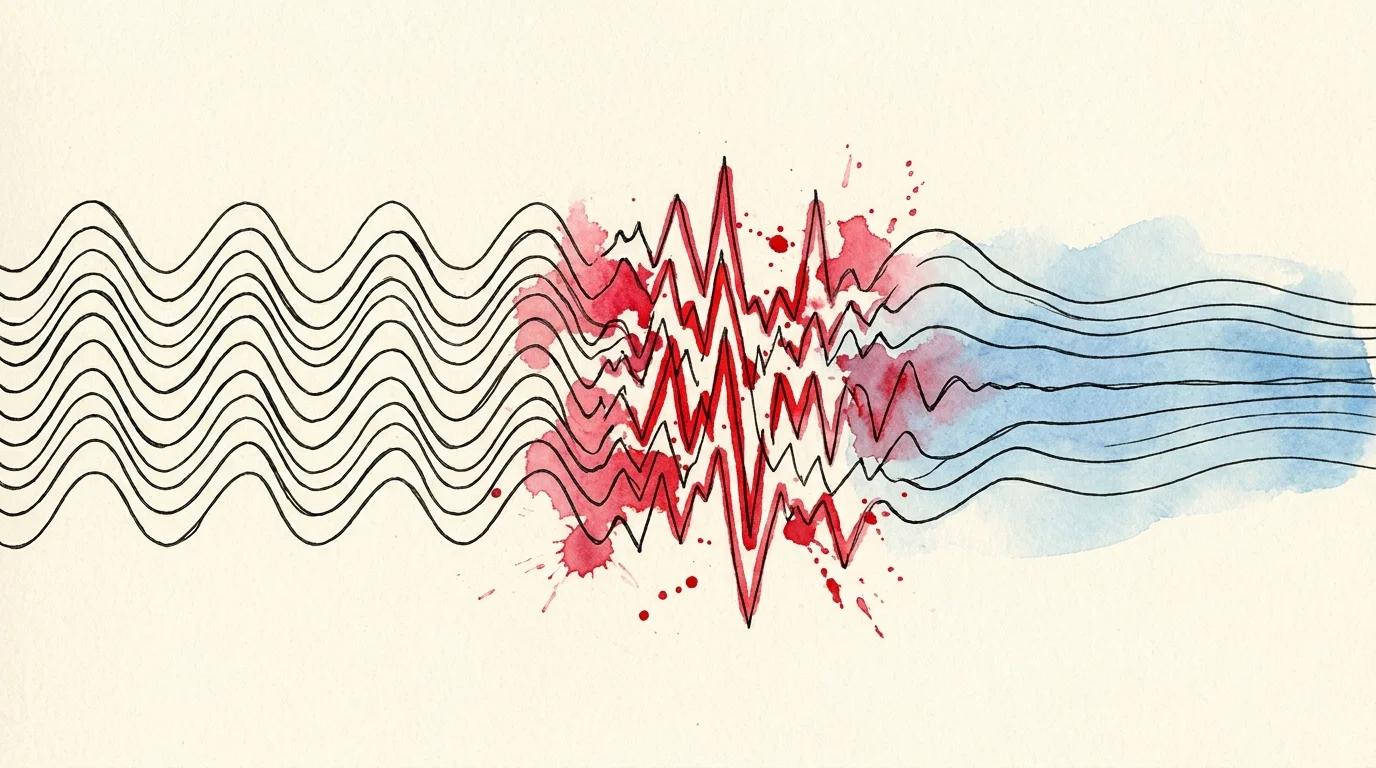
Sign 8: Irregular Heartbeat and Palpitations
A healthy heart maintains a steady, predictable rhythm dictated by precisely balanced electrical signals. Electrolytes, notably potassium, magnesium, and calcium, govern these electrical gradients across your cardiac cell membranes. When your diet lacks sufficient magnesium or potassium, you may experience unexpected heart palpitations, fluttering sensations, or a racing pulse even while resting. While minor palpitations can occasionally stem from stress or excessive caffeine consumption, persistent arrhythmias warrant immediate nutritional evaluation. Stabilizing your electrolyte intake ensures your cardiac tissue receives the correct electrical instructions to pump efficiently.
Diagnosing Nutrient Deficiencies
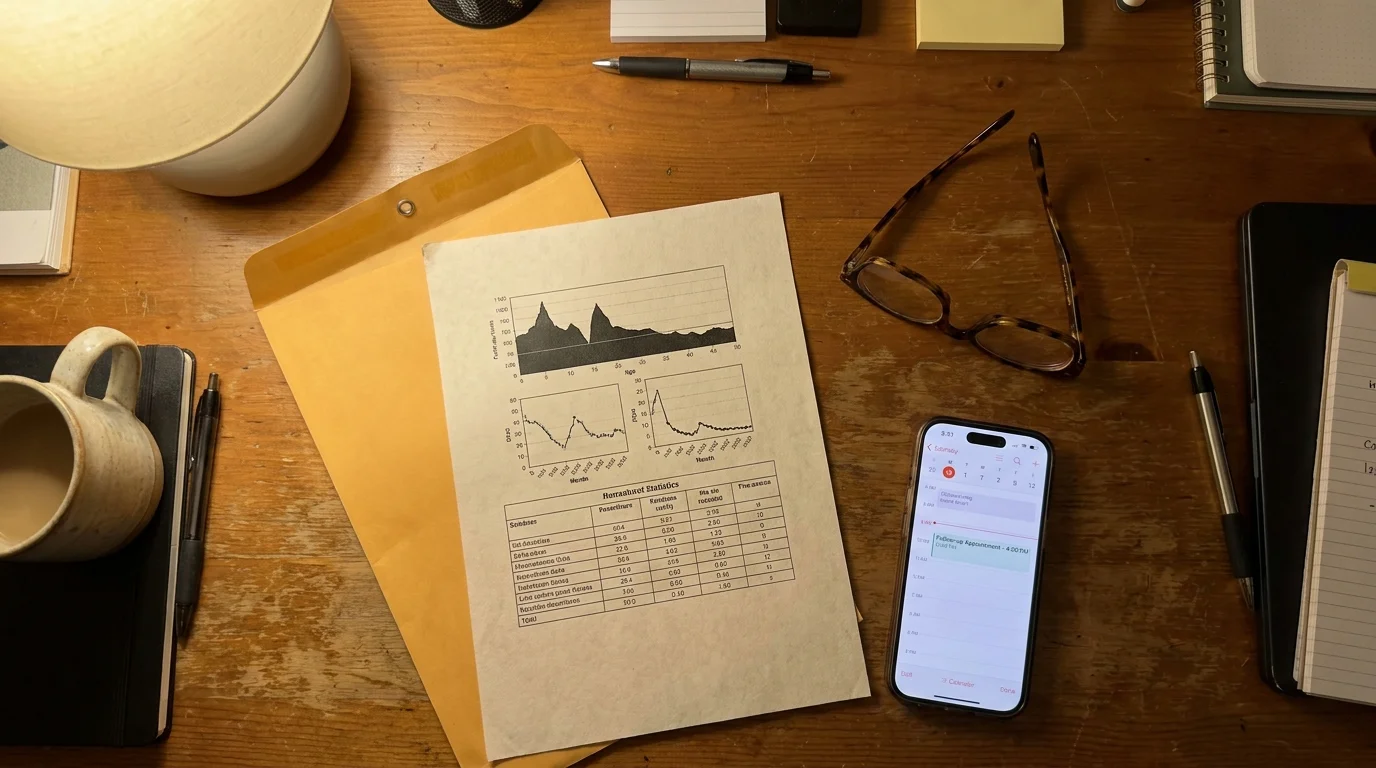
Experiencing one or more of these subtle warning signs strongly suggests a nutritional gap, but you should never guess when it comes to your internal biochemistry. Self-diagnosing based solely on physical symptoms often leads to taking the wrong supplements, which can dangerously mask underlying medical conditions. Accurate diagnosis requires clinical blood work ordered by your healthcare provider. A complete blood count will reveal anemia, while a comprehensive metabolic panel provides detailed insights into your electrolyte balance and kidney function. Physicians frequently order specific serum assays to measure your exact reserves of ferritin, vitamin B12, and 25-hydroxyvitamin D, ensuring you receive a precise, data-driven treatment protocol.
The Treatment Landscape for Nutrient Deficiencies
Treating a diagnosed nutrient deficiency requires a strategic, multi-tiered approach centered on safety and cellular absorption. The most effective first-line therapy always involves profound dietary modification. Your digestive system absorbs vitamins and minerals most efficiently when they arrive packaged within whole foods, accompanied by their natural enzymes and fiber. For example, pairing iron-rich spinach with citrus fruits dramatically enhances your body’s ability to absorb non-heme iron due to the synergistic presence of vitamin C.
When dietary interventions prove insufficient, oral supplementation becomes necessary. The National Institutes of Health Office of Dietary Supplements provides robust clinical frameworks for proper dosing to prevent accidental toxicity. You must exercise extreme caution with fat-soluble vitamins—specifically vitamins A, D, E, and K—because your body stores excess amounts in your liver, which can lead to severe organ toxicity if consumed in massive doses. Water-soluble vitamins, like vitamin C and the B-complex family, are generally safer since your kidneys excrete the excess, though megadosing can still cause gastrointestinal distress.
In cases of severe malabsorption—frequently seen in older adults with atrophic gastritis or patients with inflammatory bowel disease—oral supplements simply pass through the digestive tract unabsorbed. In these specific scenarios, medical professionals utilize intramuscular injections or intravenous infusions. B12 injections bypass the compromised digestive system entirely, delivering the vital nutrient directly into the muscular tissue for immediate systemic distribution, rapidly reversing severe neurological symptoms and persistent fatigue.

Living With Dietary Challenges and Restoring Balance
Successfully managing and reversing nutritional shortfalls requires adapting your daily routines to prioritize nutrient density over mere caloric intake. Meal planning becomes a vital tool in this endeavor. You can systematically incorporate specific restorative foods into your weekly diet, ensuring a broad spectrum of colorful vegetables, lean proteins, and complex carbohydrates. Batch-cooking nutrient-dense soups or stews allows you to retain water-soluble vitamins that might otherwise be lost during aggressive boiling or frying methods.
For older adults, chewing difficulties, ill-fitting dentures, or diminished saliva production heavily restrict the consumption of raw, crunchy produce. The Academy of Nutrition and Dietetics emphasizes that caregivers play an indispensable role in navigating these senior nutrition issues. Caregivers can dramatically improve a senior patient’s nutritional intake by preparing high-calorie, nutrient-fortified smoothies, pureeing fibrous vegetables, and ensuring adequate daily hydration. Partnering with a registered dietitian empowers both patients and caregivers to formulate sustainable, enjoyable meal plans that accommodate unique physical limitations while delivering maximum nutritional value.
Frequently Asked Questions
How quickly do health warning signs resolve after starting treatment?
The timeline for symptom resolution depends entirely on the specific nutrient and the severity of the deficiency. Water-soluble vitamin deficiencies, such as low vitamin C or B vitamins, often show dramatic clinical improvement within just a few days to a week of targeted supplementation. Conversely, rebuilding depleted structural minerals like iron or calcium requires significant patience; regenerating healthy red blood cells or improving bone density frequently takes three to six months of consistent dietary intervention and medical monitoring.
Should you request a comprehensive vitamin panel during an annual physical?
Standard annual physicals rarely include exhaustive, comprehensive vitamin panels due to the high cost and low diagnostic yield for asymptomatic individuals. However, if you actively experience unexplainable fatigue, noticeable hair loss, or unusual nerve tingling, you should definitively advocate for specific testing. Detail your exact symptoms to your physician so they can justify ordering targeted tests—such as a vitamin D, B12, or iron panel—based on your specific clinical presentation.
Does medical insurance generally cover specialized nutritional testing?
Most commercial insurance plans and Medicare will fully cover specialized nutritional blood tests if your physician provides a corresponding, valid diagnostic code demonstrating medical necessity. If you exhibit clear clinical signs of anemia, neuropathy, or malabsorption, the testing is typically categorized as essential diagnostic care. However, preemptive testing driven purely by patient curiosity without documented physical symptoms often results in out-of-pocket expenses, making clear communication with your doctor crucial.
What does recent clinical research reveal about nutrient absorption and aging health?
Modern gerontological research consistently highlights that chronological age heavily alters the gastrointestinal microbiome and reduces the functional efficiency of the stomach lining. The National Institute on Aging reports that even healthy older adults face a significantly heightened risk of silent B12 and vitamin D deficiencies due to natural declines in stomach acid and thinning skin that poorly synthesizes sunlight. Current research heavily focuses on optimizing the bioavailability of supplements specifically formulated to bypass these age-related absorption barriers.
Moving Forward With Confidence
Your body possesses an incredible capacity for healing when provided with the precise biochemical tools it requires to function. Recognizing these eight early signs empowers you to transition from being a passive observer of your health to an active participant in your ongoing wellness journey. Do not ignore persistent fatigue, sudden hair loss, or unusual changes in your oral health; these are explicit messages from your biological systems asking for support. Schedule a comprehensive evaluation with your primary care provider to discuss your physical symptoms and dietary habits. By actively collaborating with your healthcare team and embracing targeted nutritional strategies, you can successfully restore your internal balance, safeguard your long-term vitality, and dramatically enhance your overall quality of life.







Leave a Reply