

Recognizing early cardiovascular symptoms can save your life and protect your independence. Unexplained fatigue, subtle chest discomfort, or sudden breathlessness are not just normal signs of aging; they often signal that your heart muscle needs immediate medical evaluation. When you understand the physiological warning signs that precede major cardiac events, you empower yourself to seek timely interventions. Cardiovascular disease remains the leading cause of mortality globally, but early detection dramatically shifts the odds in your favor. Knowing exactly which symptoms require urgent emergency care and which warrant a scheduled cardiology appointment helps you navigate health decisions confidently. Taking prompt action preserves your long-term heart function and enhances your daily quality of life.
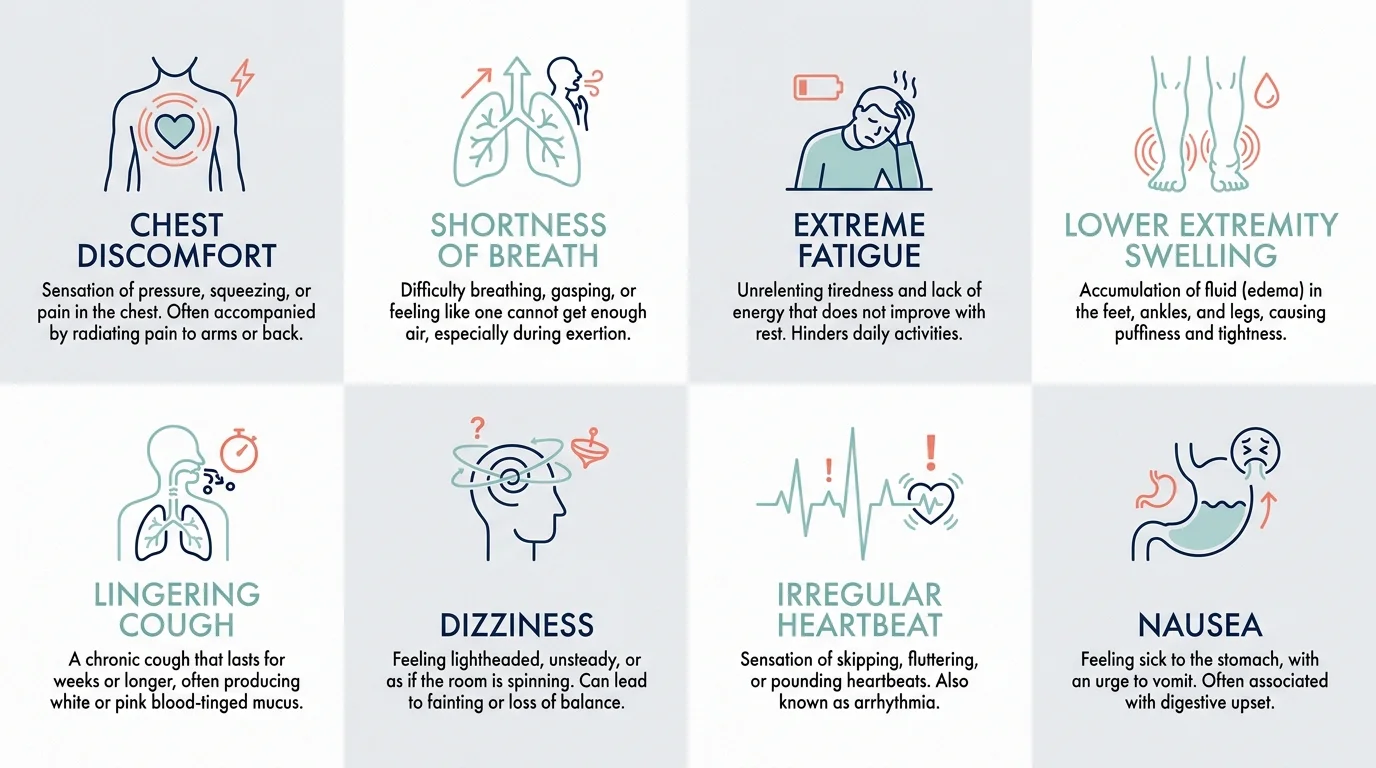
Recognizing the Eight Symptoms That Signal Heart Trouble
Understanding the varied ways your cardiovascular system communicates distress helps you seek appropriate care before a crisis occurs. By closely monitoring these heart warning signs, you can catch underlying issues before they escalate.
First, chest discomfort remains the classic indicator of reduced blood flow to the heart muscle. You might feel a crushing pressure, a tight squeezing sensation, or a dull ache. This symptom, clinically known as angina, frequently flares up during physical exertion and subsides when you rest. However, any persistent chest pain requires immediate emergency evaluation to rule out a myocardial infarction.
Second, unexplained shortness of breath develops when your heart struggles to pump blood effectively throughout your circulatory system. You might notice this breathlessness while performing simple tasks, such as climbing a single flight of stairs or carrying light groceries. In some cases, respiratory distress awakens you from sleep, forcing you to sit upright. This fluid backup into the lungs demands prompt medical investigation.
Third, extreme fatigue that suddenly impairs your daily routine points to a significant drop in cardiac output. While everyone experiences occasional tiredness, cardiovascular exhaustion feels profoundly different; you might feel completely drained after a routine shower or a short walk. When your heart cannot deliver sufficient oxygenated blood to your major organs, your body shuts down non-essential energy expenditure.
Fourth, swelling in your lower extremities indicates sluggish blood flow is causing fluid to pool in your tissues. You may observe your shoes feeling uncomfortably tight by the afternoon, or notice deep indentations left by your socks. This condition, known as peripheral edema, frequently worsens throughout the day and signals that your heart’s right pumping chamber needs clinical support.
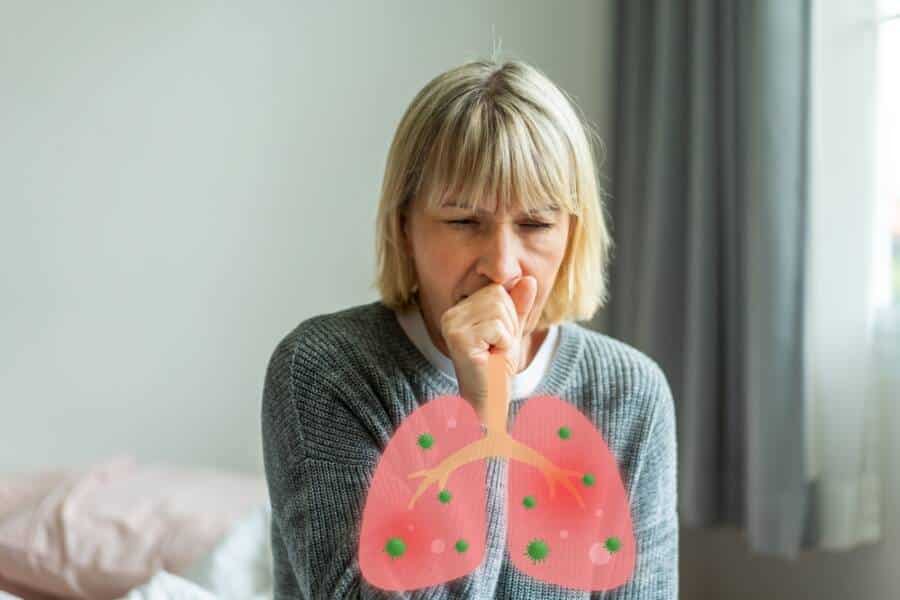
Fifth, a lingering cough or frequent wheezing episodes can mask underlying heart failure rather than an isolated respiratory infection. When blood backs up in the pulmonary veins, fluid leaks into your lungs. This chronic cough often produces a pink, blood-tinged mucus; observing this consistency helps your physician differentiate between cardiac issues and typical pulmonary conditions.
Sixth, sudden dizziness, profound lightheadedness, or brief fainting spells reveal a temporary drop in blood pressure or an insufficient blood supply reaching your brain. Arrhythmias frequently trigger these disorienting episodes. If you experience a sudden loss of consciousness—especially alongside a fluttering sensation in your chest—you must contact emergency services immediately, as this indicates a potentially life-threatening electrical malfunction.
Seventh, rapid or irregular heartbeats frequently described as palpitations warrant a thorough cardiovascular workup. You might feel your heart racing, skipping beats, or pounding aggressively while you are sitting completely still. While stress can trigger mild palpitations, a continuously erratic rhythm often points to atrial fibrillation, a serious condition that significantly increases your risk of a stroke.
Eighth, atypical digestive symptoms such as sudden nausea, severe indigestion, or upper abdominal pain frequently obscure genuine cardiac distress. Many individuals mistake a heart attack for severe heartburn, delaying crucial intervention. Women frequently present with these non-traditional heart disease symptoms; recognizing these diverse signals ensures you do not dismiss a silent cardiac event as a mere gastrointestinal upset.
Understanding Your Cardiovascular Health
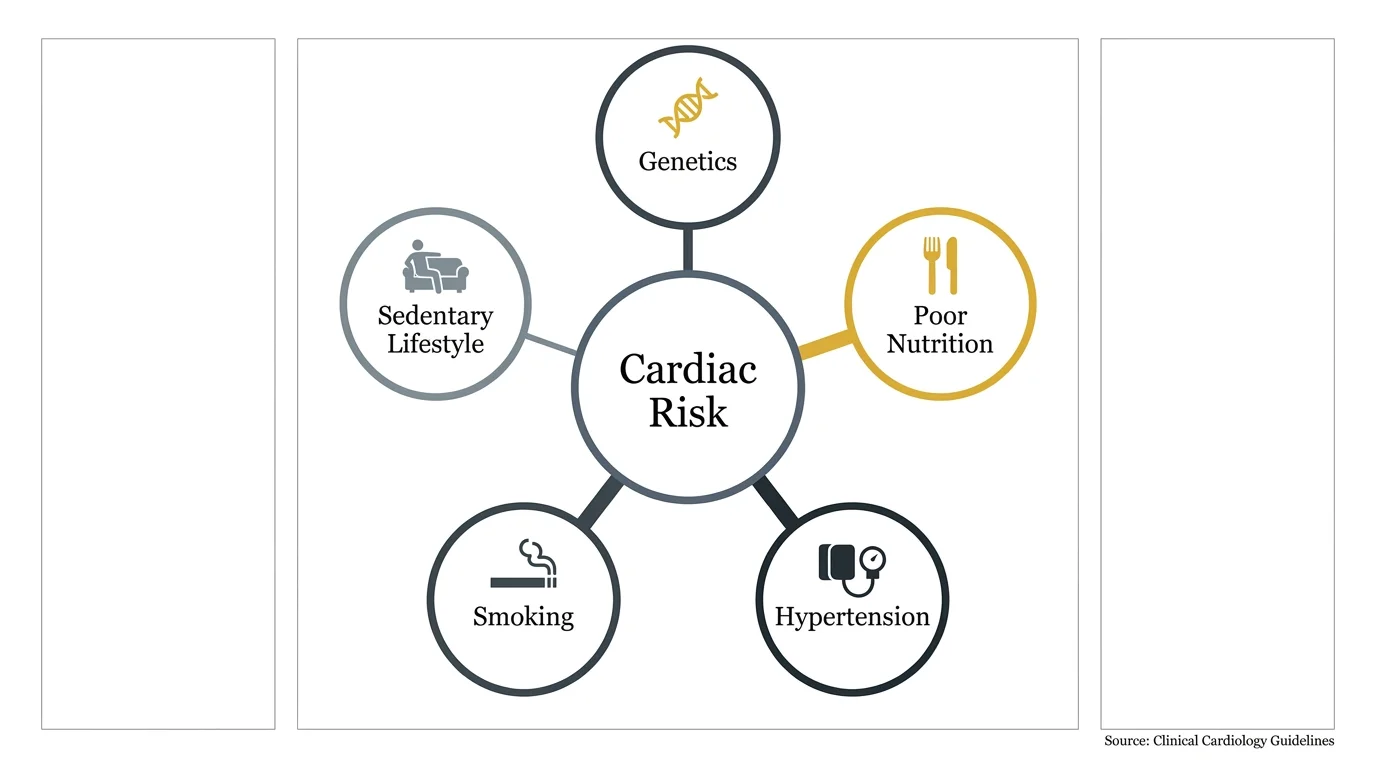
Root Causes and Risk Factors
Cardiovascular disease typically develops gradually as cholesterol, fat, and calcium accumulate inside your arteries, creating rigid plaques that restrict blood flow. This process, known as atherosclerosis, forces your heart to work significantly harder to distribute oxygen to your vital organs. Chronic hypertension, unchecked hyperlipidemia, and poorly managed diabetes act as the primary catalysts for this arterial damage. As you age, your blood vessels naturally lose elasticity, making heart health seniors’ top priority for preserving mobility. The Centers for Disease Control and Prevention warns that lifestyle factors—including smoking, sedentary habits, and chronic psychological stress—further accelerate plaque formation. Understanding these root causes enables you to collaborate effectively with your healthcare providers to mitigate your personal risk profile.
Diagnostic Pathways and Assessments
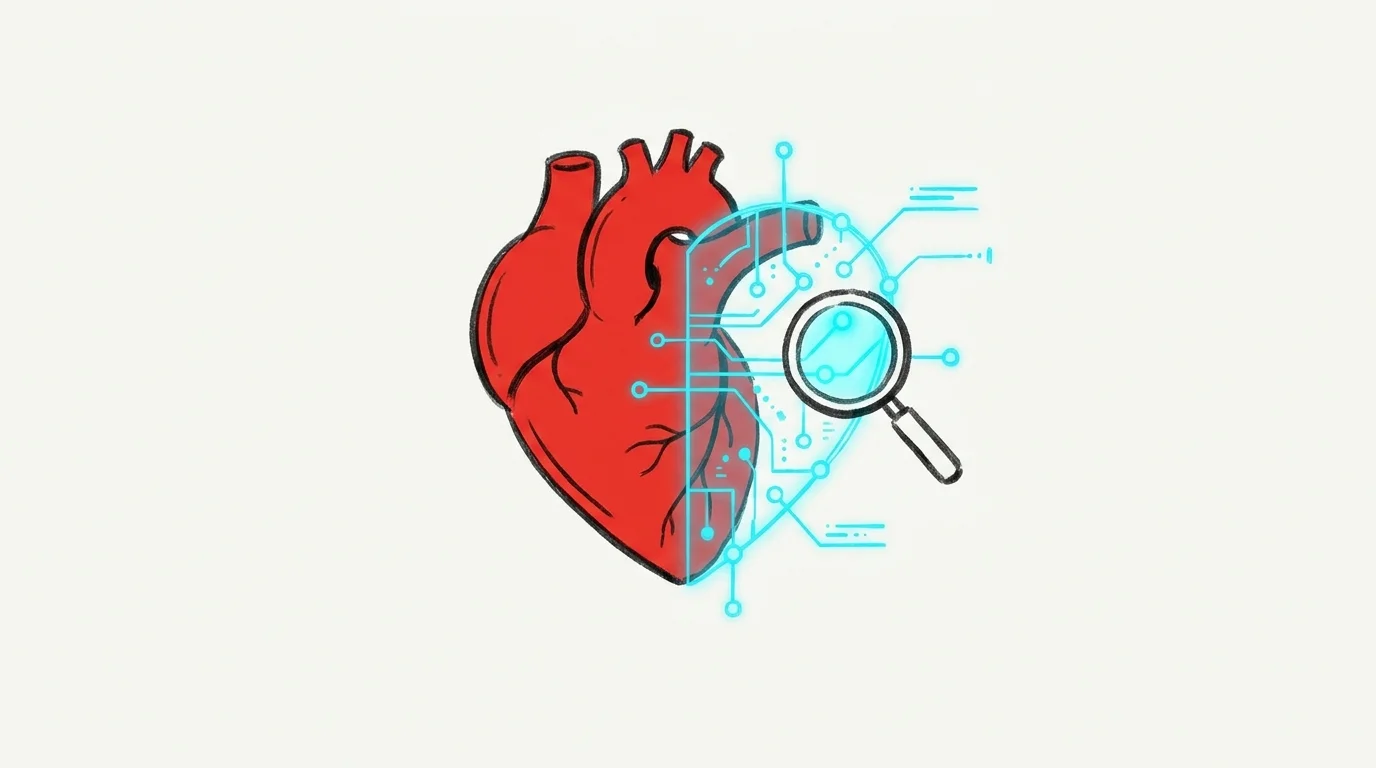
When you present with suspected cardiovascular symptoms, cardiologists employ a comprehensive suite of diagnostic tools to evaluate your cardiac function. An electrocardiogram captures the electrical activity of your heart, immediately revealing arrhythmias or evidence of prior muscle damage. Echocardiograms utilize sound waves to create moving pictures of your heart, allowing physicians to visualize valve function and measure your ejection fraction. For individuals experiencing exertional symptoms, doctors often recommend a treadmill stress test to observe how the heart performs under controlled physical demand. Furthermore, specialized blood panels measure biomarkers like troponin; elevated levels of these proteins strongly suggest cardiac muscle stress. Organizations such as the American Heart Association emphasize that combining these non-invasive imaging modalities with detailed patient histories yields the most accurate clinical diagnoses.
The Treatment Landscape for Heart Disease

Conventional Medications and Interventions
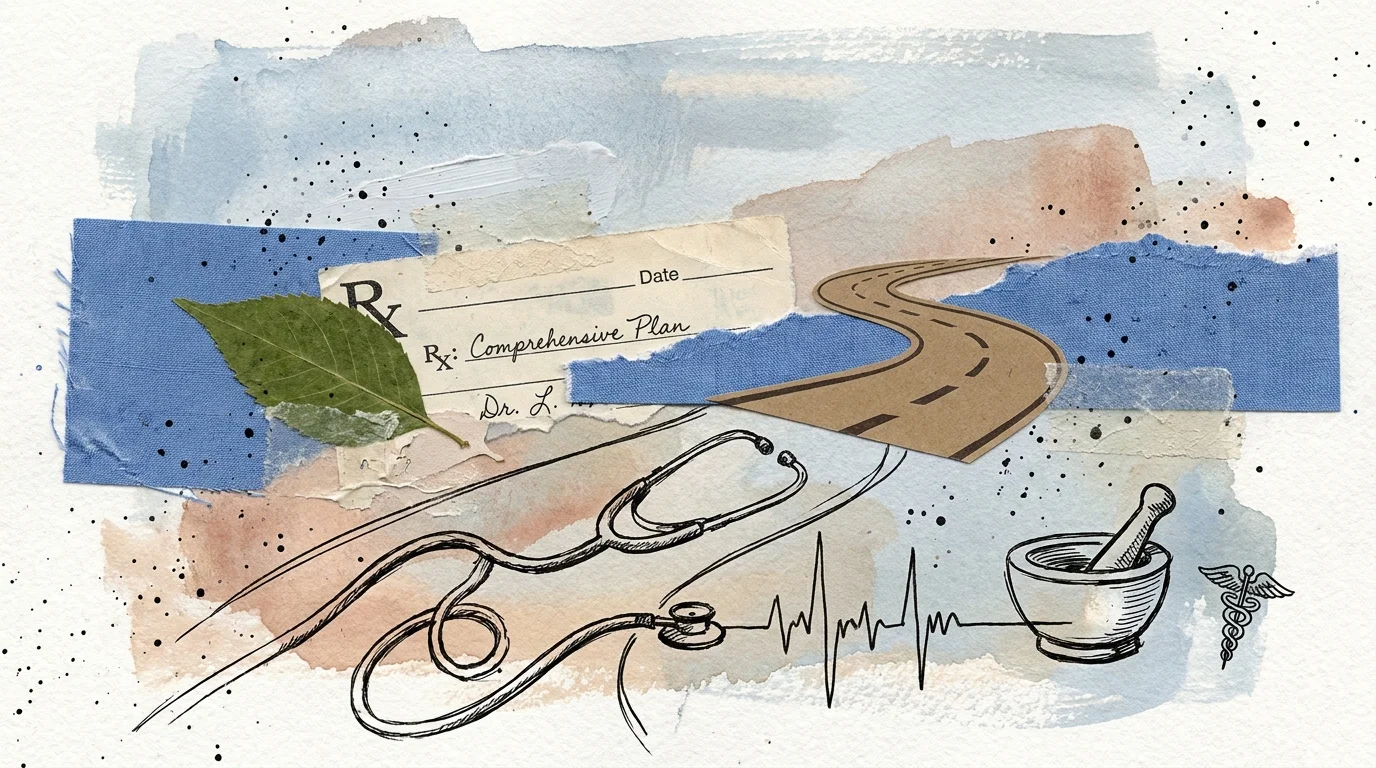
Modern cardiology offers an expansive arsenal of pharmacological and procedural treatments designed to stabilize heart function and prevent future events. Physicians frequently prescribe beta-blockers to lower your heart rate and reduce blood pressure, directly decreasing the workload on your cardiac muscle. Statins play a dual role by aggressively lowering low-density lipoprotein cholesterol while simultaneously stabilizing existing arterial plaques. When medications cannot sufficiently restore blood flow, interventional cardiologists may perform an angioplasty, utilizing a tiny balloon to open blocked arteries before placing a mesh stent to maintain the vessel’s structure. In cases of severe, multi-vessel disease, coronary artery bypass grafting provides a surgical rerouting of blood flow around dangerous blockages. Always review your complete medication regimen with your care team, as cardiovascular drugs require careful monitoring to prevent adverse interactions.

Lifestyle Medicine and Cardiac Rehabilitation
Medical interventions deliver the best outcomes when paired with robust lifestyle modifications. Enrolling in a certified cardiac rehabilitation program provides you with supervised exercise training, nutritional counseling, and stress management techniques tailored specifically to your physical capabilities. These structured programs drastically reduce hospital readmission rates and improve overall cardiovascular endurance. Transitioning to a heart-healthy dietary protocol prioritizes fresh vegetables, lean proteins, and healthy fats while eliminating processed sodium and refined sugars. Regular, moderate-intensity aerobic activity strengthens your heart muscle over time. If you are recovering from a recent cardiac event, resources provided by the American Association of Cardiovascular and Pulmonary Rehabilitation can help you locate accredited facilities equipped to guide your physical recovery safely.
Emerging Therapies and Safety Considerations
The landscape of cardiovascular treatment evolves rapidly, offering new hope for patients managing complex heart failure or stubborn hyperlipidemia. Recent clinical trials highlight the profound benefits of SGLT2 inhibitors; originally developed to manage blood glucose, these medications consistently demonstrate remarkable success in preventing heart failure hospitalizations. Additionally, injectable PCSK9 inhibitors provide a powerful alternative for patients who cannot tolerate traditional statins but require aggressive cholesterol reduction. While these cutting-edge therapies offer tremendous clinical advantages, they also introduce novel side effect profiles that require diligent medical oversight. You must report any unusual fatigue, muscle aches, or sudden weight changes to your prescribing physician immediately. Transparent communication ensures your doctor can adjust dosages safely and maintain the delicate balance between therapeutic efficacy and your daily comfort.

Living Well with Cardiovascular Conditions

Daily Self-Management Strategies
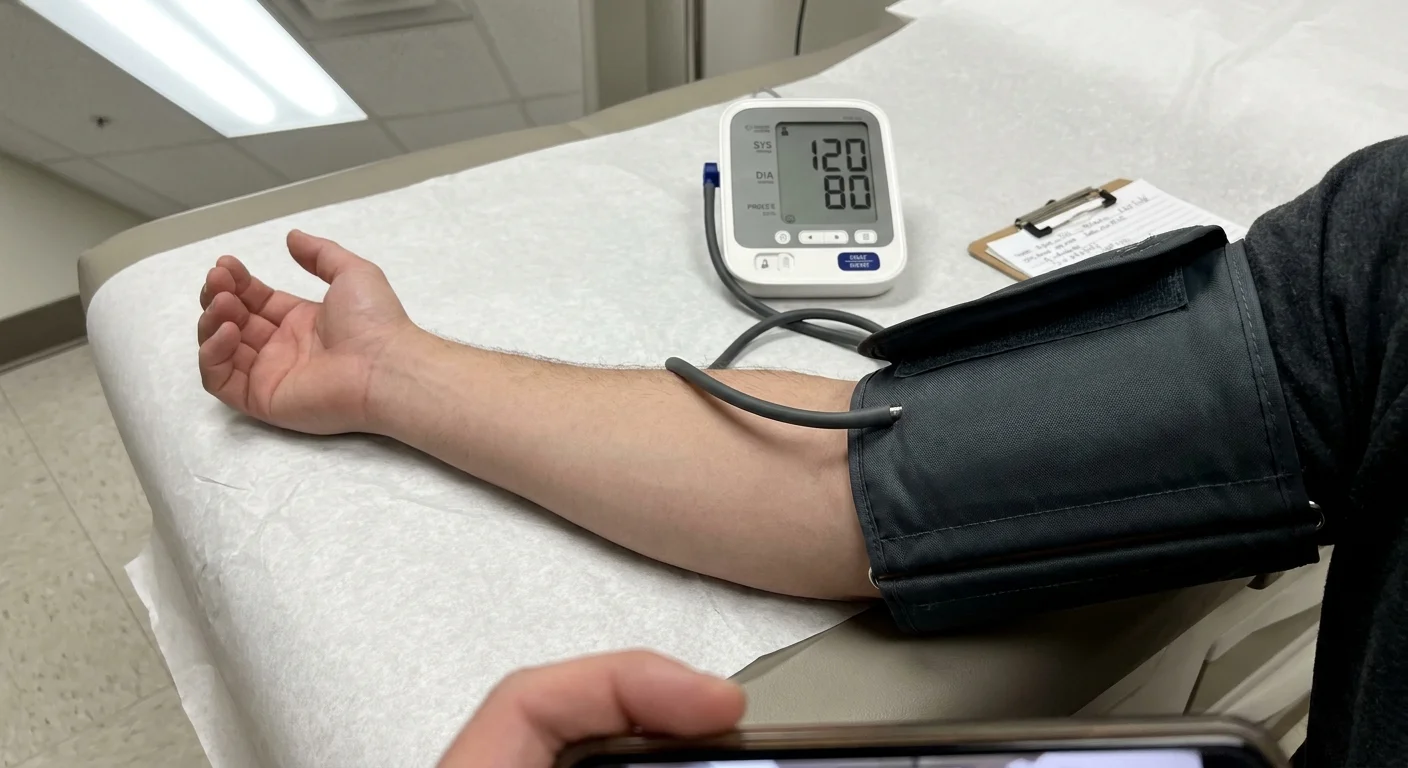
Successfully managing cardiovascular conditions requires integrating deliberate health monitoring into your daily routine. A critical component of senior health is tracking your morning weight, which serves as an excellent early warning system for fluid retention; a sudden increase of three pounds over a single weekend frequently precedes an exacerbation of heart failure symptoms. Monitoring your resting blood pressure and heart rate using an at-home cuff provides your clinical team with invaluable data between scheduled office visits. You must also organize your medications meticulously, utilizing pill organizers or smartphone reminder applications to ensure you never miss a dose. Prioritizing strict sleep hygiene and addressing sleep apnea—a condition strongly linked to cardiovascular strain—further protects your heart during its crucial restorative hours. By taking ownership of these daily metrics, you transition from a passive patient to an active architect of your health.

Caregiver Support and Team Collaboration
Navigating heart disease rarely happens in isolation; family caregivers play an indispensable role in ensuring long-term treatment success. Caregivers frequently manage complex medication schedules, prepare low-sodium meals, and provide critical emotional support during challenging recovery phases. However, the heavy demands of chronic illness management can quickly lead to caregiver burnout. Spouses and family members must actively seek out local support groups or individual counseling to process their own anxieties regarding your health trajectory. Organizations like the Family Caregiver Alliance offer extensive educational materials designed to equip families with practical coping strategies. Cultivating open, respectful communication with your entire healthcare team ensures that everyone remains aligned regarding your treatment goals and advance care preferences.
Frequently Asked Questions About Heart Health
How do I know if my warning signs require immediate emergency care?
You must contact emergency medical services immediately if you experience crushing chest pain, sudden and severe shortness of breath, profound dizziness, or discomfort radiating into your left arm, neck, or jaw. These acute symptoms strongly suggest an active heart attack or a critical arrhythmia. Never attempt to drive yourself to the emergency department when experiencing these signs; paramedics can begin life-saving diagnostics and treatments the moment they arrive at your location, significantly reducing the risk of permanent heart muscle damage.
What medical follow-up should I expect after experiencing early cardiovascular symptoms?
Following an initial evaluation for cardiovascular symptoms, your physician will typically schedule a comprehensive cardiology consultation. You should expect a detailed review of your medical history, a physical examination, and a series of non-invasive tests, such as an echocardiogram or a stress test. Depending on the results, your cardiologist may prescribe new medications to manage your blood pressure or cholesterol. Your care team will establish a routine monitoring schedule, usually requiring office visits every three to six months to track your progress and adjust therapies as needed.
Will Medicare or private insurance cover comprehensive cardiac screening and rehabilitation?
Medicare and most major private health insurance providers generally cover essential diagnostic testing, including electrocardiograms and advanced imaging, when you present with documented cardiovascular symptoms. Furthermore, insurance networks typically cover structured cardiac rehabilitation programs if you have recently experienced a heart attack, undergone bypass surgery, or received a diagnosis of stable angina. However, coverage specifics vary widely among individual policies; you must contact your insurance provider directly and consult with your clinic’s financial navigator to understand your specific copayments, deductibles, and required prior authorizations.
What does new research say about reversing heart disease symptoms?
While you cannot entirely cure advanced atherosclerosis, robust clinical research confirms that aggressive lifestyle interventions can halt and sometimes partially reverse the progression of plaque buildup. Studies published by the American College of Cardiology demonstrate that combining strict plant-predominant diets, daily aerobic exercise, and rigorous stress reduction protocols significantly improves arterial blood flow. However, this reversal process demands profound, permanent behavioral changes and works most effectively when used in conjunction with evidence-based pharmacological treatments rather than as a standalone alternative therapy.
Moving Forward with Confidence
Experiencing cardiovascular symptoms naturally provokes anxiety, but acknowledging these warning signs serves as your most powerful tool for preserving your longevity. Your body possesses a remarkable capacity for healing and adaptation when provided with the correct medical support and lifestyle environment. Do not ignore subtle changes in your physical endurance or dismiss persistent discomfort as a normal consequence of aging. Schedule a comprehensive consultation with your primary care physician or a board-certified cardiologist to discuss your symptom history and develop a proactive screening plan. Engaging with trusted patient advocacy networks and leaning on your family for emotional support ensures you never have to navigate your cardiovascular journey alone. By addressing your heart health today, you secure a more vibrant, active, and fulfilling tomorrow.






Leave a Reply