
10 Warning Signs of a Silent Infection
1. Unexplained, Crushing Fatigue
Persistent exhaustion that defies a full night of sleep often indicates an active immunological battle. Your body redirects cellular energy toward immune defenses, draining your daily stamina.
If you experience sudden, profound lethargy without an obvious lifestyle cause, never ignore it. This deep fatigue frequently serves as the earliest harbinger of an occult internal infection.
2. Sub-Normal Body Temperature
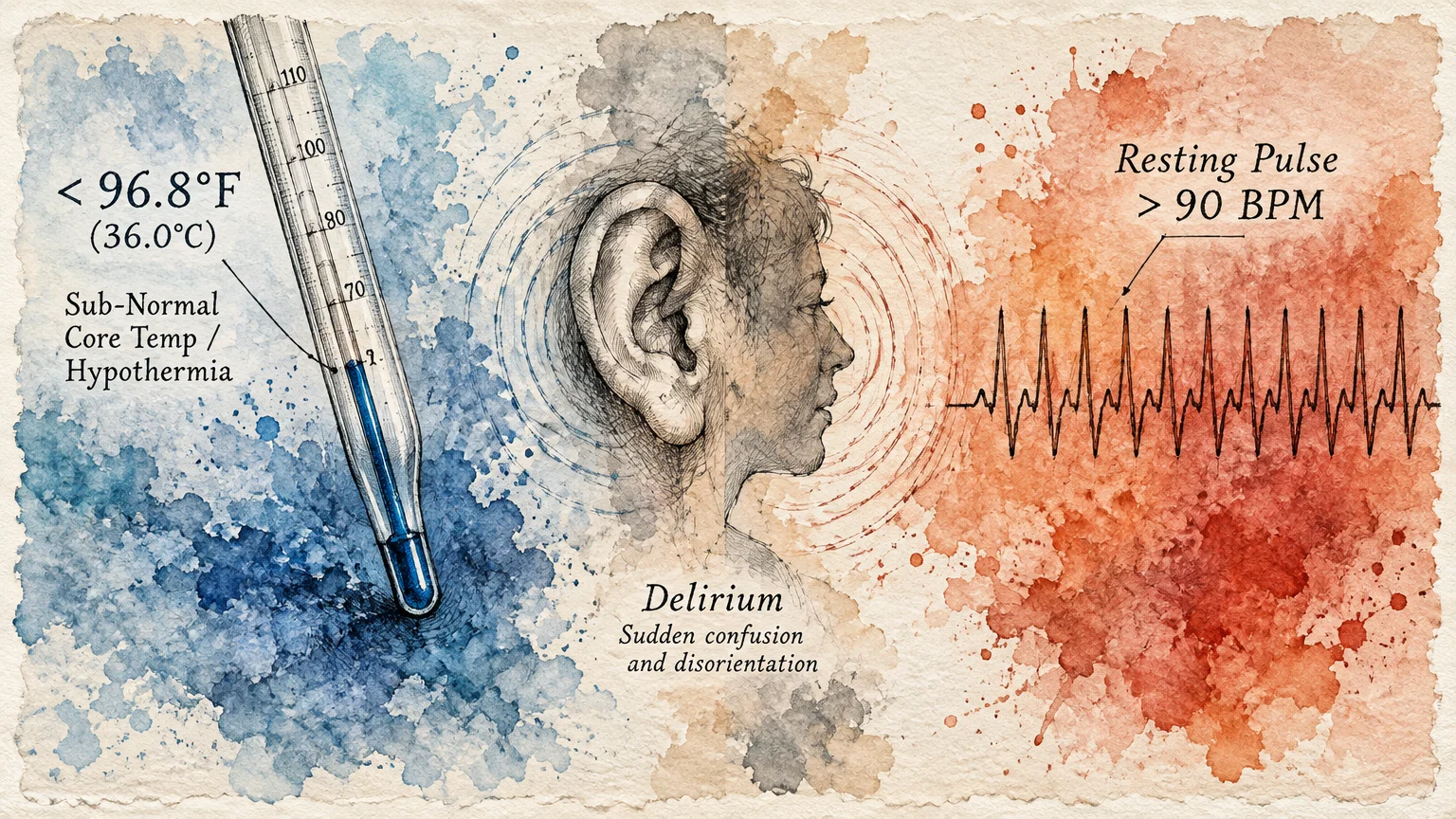
Most people associate infection with a blazing fever, but hypothermia poses an even graver threat. Under systemic inflammatory response criteria, a core temperature dropping below 96.8°F (36.0°C) signals a critical emergency.
A falling body temperature indicates that thermoregulatory mechanisms are failing under overwhelming metabolic stress. This warning sign appears frequently in older adults and immunocompromised individuals who cannot mount a fever.
3. Sudden Confusion or Delirium
Acute mental changes represent one of the most critical hidden infection warning signs. Bacterial toxins and systemic inflammation disrupt blood-brain barrier integrity, impairing normal cognitive function.
Geriatric clinicians note that silent urinary tract infections or walking pneumonia often lack localized discomfort. Instead, older adults frequently exhibit sudden disorientation, unexplained agitation, or unexpected falls.
4. Elevated Resting Heart Rate
Your cardiovascular system works harder to deliver oxygenated blood to struggling tissues during systemic inflammation. A sustained resting pulse exceeding 90 beats per minute provides clear evidence of cardiovascular strain.
If your heart races while resting quietly, your body may be compensating for vascular dilation caused by endotoxins. Track your pulse with a wearable monitor or pulse oximeter whenever you feel unwell.
5. Rapid or Shallow Breathing
Breathing faster than normal is a classic, frequently overlooked sign of metabolic distress. Bedside diagnostic standards flag a respiratory rate of 20 to 22 breaths or more per minute as an urgent warning.
As cellular metabolism shifts toward anaerobic pathways, lactic acid accumulates in your bloodstream. Your lungs quicken their pace to blow off excess carbon dioxide and restore proper blood pH.
6. Plummeting Blood Pressure
When an infection spreads unchecked, inflammatory cytokines cause widespread vasodilation and fluid leakage from capillaries. A systolic blood pressure dropping to or below 100 mm Hg indicates compromised tissue perfusion.
Low blood pressure deprives vital organs of essential nutrients and oxygen. You might notice sudden lightheadedness upon standing, extreme dizziness, or a sensation that you might faint.
7. Changes in Urination and Fluid Balance
Your kidneys are exceptionally sensitive to systemic inflammation and reduced blood flow. A marked reduction in urine output, or urine that appears dark and concentrated, demands immediate attention.
Silent urinary tract infections do not always trigger burning sensations or pelvic pain. Instead, producing very little urine throughout the day may be your only visible indicator of renal distress.
8. Subtle Night Sweats and Clammy Skin
Fluctuating internal temperatures often manifest as nocturnal drenching sweats alternating with cold chills. When your immune system releases pyrogens in intermittent bursts, your vascular tone shifts erratically.
Pay close attention if your skin feels cool, clammy, or pale. Poor peripheral microcirculation reveals that your central organs are fighting desperately to maintain baseline function.
9. Disproportionate Muscle Aches
Intense, generalized muscle pain without strenuous exercise suggests immune-mediated cellular breakdown. Pro-inflammatory signaling molecules irritate nerve endings and degrade muscle proteins to supply amino acids for antibody synthesis.
Patients often describe this sensation as feeling bruised down to their bones. When muscle weakness prevents you from climbing stairs or lifting ordinary objects, seek prompt evaluation.
10. Poor Wound Healing and Mottled Skin
A minor scratch, surgical incision, or insect bite that refuses to heal can harbor deep-seated microbes. Local tissues struggle to regenerate when subclinical bacterial colonies divert resources and sustain chronic inflammation.
Watch for faint red streaking, delayed scab formation, or purplish, mottled skin patterns on your extremities. Mottled skin reflects microvascular collapse and demands immediate evaluation by a healthcare professional.









I’m a 74 year old female, still working part-time. In good health. Your 10 warning signs of a silent infection was very informative.
I have lots of pains every place but its go’s up and down at times but can’t do everything for it will go up and have to stop to do nothing. My most pain is in my low back and sides, then I have my arms and legs where I have pain at times. I do not work for can’t walk very much but I try. I also have head aces at times and around my neck. I do like to drive all the time but that’s all for I just sit down and look around me to go wherever I’m going. And I do feel at times pain in my arms and feet. I have been going through this for many years and always pray about it.