
Living With COVID-19 Risks and Supporting Vulnerable Loved Ones
Practical Daily Self-Management During Recovery
Recovering smoothly from a respiratory infection requires patience, especially when fatigue lingers past your fever. Trying to sprint back into intense workouts or heavy workdays often triggers frustrating setbacks in energy and breathlessness.
Pace your daily activities by alternating short bouts of light movement with planned rest breaks. Listen closely to your body; if climbing stairs leaves your heart racing or your chest feeling heavy, scale back and check in with your doctor.
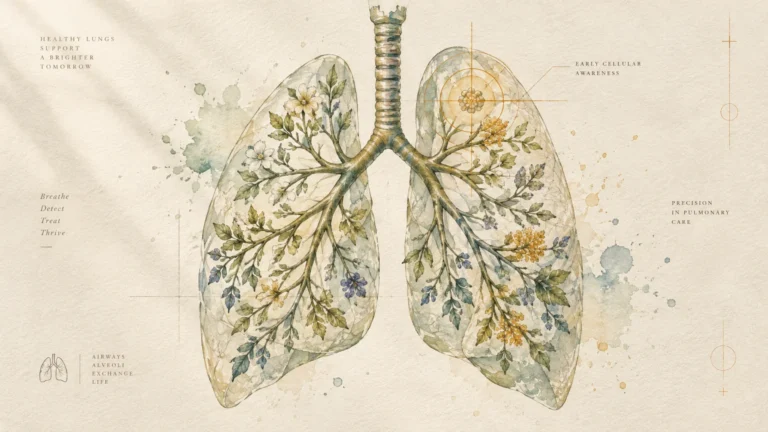
Protecting your recovering airways also helps prevent secondary irritation. Avoid tobacco smoke, vaping aerosols, and harsh chemical cleaners while coughing persists, and keep a glass of water nearby at your bedside.
Nutritious, easy-to-digest meals support tissue repair even when your appetite dips. Simple soups, yogurt, scrambled eggs, and soft fruits deliver fluids, protein, and electrolytes without overwhelming your stomach.
Caregiver Strategies to Limit Household Transmission
When someone in your home tests positive—or feels sick while waiting for a 48-hour repeat test—practical household barriers protect everyone else under your roof. Small adjustments dramatically cut the odds of passing the virus to high-risk relatives.
Increase fresh airflow immediately by cracking windows open a few inches or running portable HEPA air purifiers in shared hallways and bedrooms. Turning on bathroom and kitchen exhaust fans while occupied also helps clear lingering airborne particles.
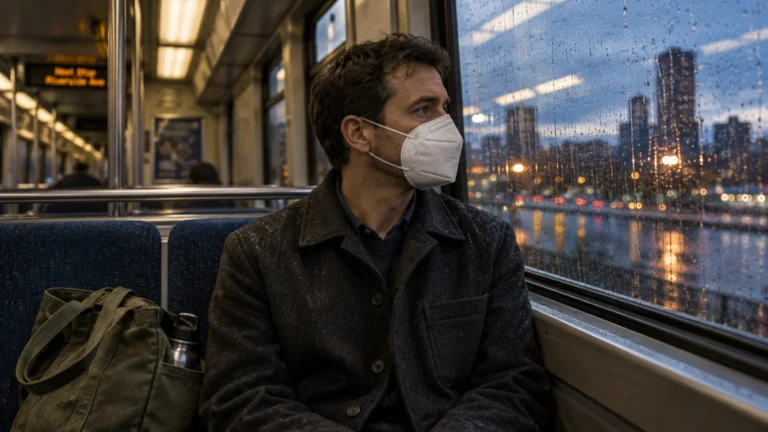
If possible, set up a dedicated sick room and separate bathroom for the recovering family member. When shared spaces cannot be avoided, wearing high-filtration masks such as N95 or KN95 respirators during brief interactions protects both caregiver and patient.
Wash your hands thoroughly with soap and water after handling used tissues, dishes, or laundry. Keep an eye on exposed household members for up to 14 days, since COVID-19 symptoms can take that long to surface.
Stocking a small home care kit ahead of winter—including unexpired rapid tests, spare masks, a working thermometer, and tissues—saves frantic late-night pharmacy trips. Careful preparation keeps caregiving calmer when illness strikes unexpectedly.
Partnering With Your Healthcare Team
Strong communication with your medical team turns confusing variant headlines into clear, personalized action steps. Before calling or messaging your clinic, gather key details so your provider can advise you efficiently.
Write down the exact date your symptoms began, the timing and brand of your rapid or PCR tests, and an updated list of every prescription and supplement you take. Mention any chronic lung, heart, or immune conditions right away.
If you care for an aging parent or immunocompromised partner, ask their primary doctor in advance how to reach an on-call clinician on weekends. Having a pre-agreed plan prevents delays if a sudden fever hits on a Friday evening.
Beyond your personal clinic, reputable patient organizations translate shifting respiratory guidance into clear, supportive tools. You can browse educational guides and caregiver support networks through the American Lung Association COVID-19 patient support resources.
Frequently Asked Questions About Variant PJ.2.1
What warning signs mean PJ.2.1 is becoming dangerous?
Most COVID-19 cases stay mild, yet dangerous complications can escalate quickly in vulnerable individuals. Watch closely for difficulty breathing, severe or persistent chest pain, or any loss of consciousness.
Other alarming cues include pale or bluish lips, new confusion, dizziness when standing, or an inability to keep fluids down. If any of these symptoms appear, call emergency medical services immediately rather than driving yourself to a clinic.
How should you handle medical follow-up after testing positive?
Contact your primary care provider promptly after a positive test if you are 60 or older, pregnant, immunocompromised, or managing chronic illnesses. Early outreach lets your clinician assess antiviral options while they remain most effective.
Even if your illness stays mild, schedule a follow-up visit if coughing, fatigue, or shortness of breath lingers beyond several weeks. Documenting persistent symptoms helps your doctor rule out secondary infections or post-viral complications.
Will insurance cover updated vaccines, testing, and treatments in 2026?
Coverage varies by country, health plan, and clinical eligibility, so checking your specific policy ahead of time prevents surprise bills. In France, for instance, XFG-adapted vaccines are 100 percent reimbursed during the seasonal campaign for eligible groups.
In the United States, many private insurers, Medicare, and Medicaid plans cover recommended vaccines and clinician-ordered tests, though out-of-pocket rules for at-home rapid kits differ. Call the member number on your insurance card or ask your pharmacy to run a benefit check before receiving care.
What are researchers studying next about PJ.2.1?
Scientists are actively collecting laboratory neutralization and epidemiological data on how well antibodies block PJ.2.1. The World Health Organization vaccine composition advisory group specifically requested this evidence ahead of its December 2026 review.
Public health teams are also tracking whether PJ.2.1 gains dominance in additional countries or stays secondary to lineages like XFG and SW.2. Ongoing hospital surveillance will clarify whether real-world severity remains unchanged over the coming winter months.
Moving Forward With Informed Care and Support
Learning about a new variant like PJ.2.1 can feel unsettling, especially when respiratory viruses overlap during busy autumn and winter months. Yet clear facts give you practical control over how you prepare and respond.
Remember that current evidence does not show PJ.2.1 causing more severe disease, and updated diagnostic, vaccine, and preventive tools remain ready to protect you. Pair sensible precautions—like timely testing, retesting after 48 hours when needed, and clean indoor air—with calm vigilance.
Reach out to your doctor, pharmacist, or specialist to review your vaccination timing and high-risk action plan before illness strikes. Connecting with trusted patient communities and leaning on family support helps you navigate each season with confidence and care.