Recognizing Symptoms and Getting an Accurate Diagnosis
Why PJ.2.1 Feels Like a Cold or the Flu
On November 8 and 9, 2026, the World Health Organization cautioned that PJ.2.1 symptoms closely mimic those of the common cold and seasonal influenza. Because overlapping respiratory viruses circulate simultaneously, you cannot tell COVID-19 apart from another bug by how you feel.
Clinicians have not observed a unique signature symptom tied exclusively to PJ.2.1. Instead, patients report familiar COVID-19 complaints such as fever, cough, sore throat, a runny or blocked nose, headache, muscle or body aches, and deep fatigue.
Some people also experience less predictable symptoms, including occasional loss of taste or smell, shortness of breath, nausea, or diarrhea. Even mild nasal congestion can signal an active infection capable of spreading to vulnerable family members.
Timing adds another wrinkle when you trace a possible exposure. On average, COVID-19 symptoms appear 5 to 6 days after infection, though onset can take anywhere up to 14 days.
Keeping a simple symptom log helps you spot subtle shifts early. Note the first day you felt off, track your temperature, and jot down any new chest tightness or fatigue before calling a clinic.
How Testing Works and When to Repeat a Rapid Test
Diagnostic testing remains the only reliable way to confirm whether your symptoms stem from SARS-CoV-2. However, routine rapid antigen swabs and standard laboratory PCR assays only report positive or negative COVID-19 status—identifying PJ.2.1 specifically requires genomic sequencing in specialized public health labs.
You do not need variant sequencing to make sound personal care decisions. Knowing you have COVID-19 immediately unlocks isolation planning, caregiver precautions, and timely conversations about antiviral treatments with your doctor.
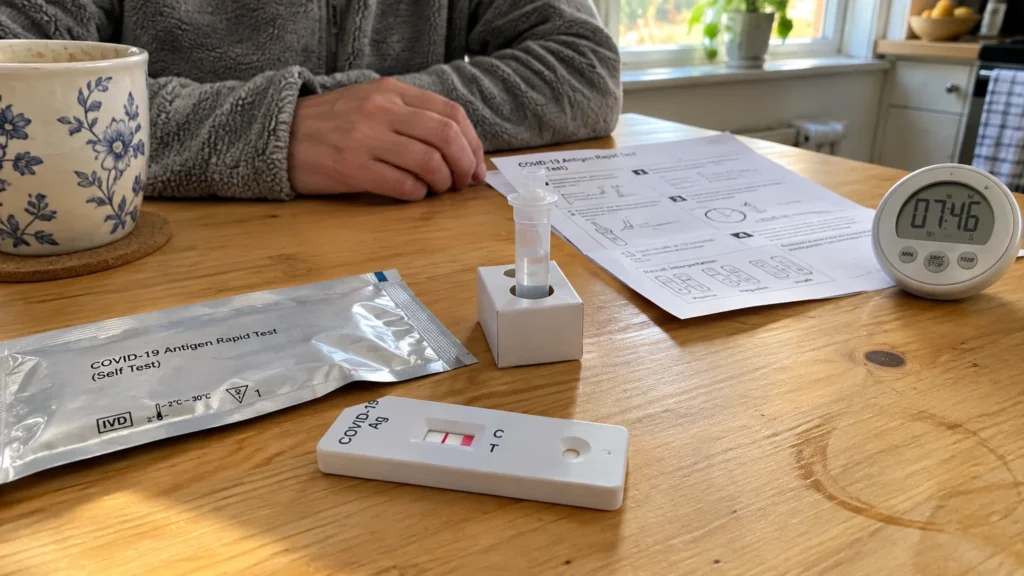
Because rapid antigen tests depend on viral load, testing too early in an illness can return a false negative. If you have symptoms and get a negative at-home rapid antigen result, the CDC advises repeating the test after 48 hours or seeking a more sensitive PCR test.
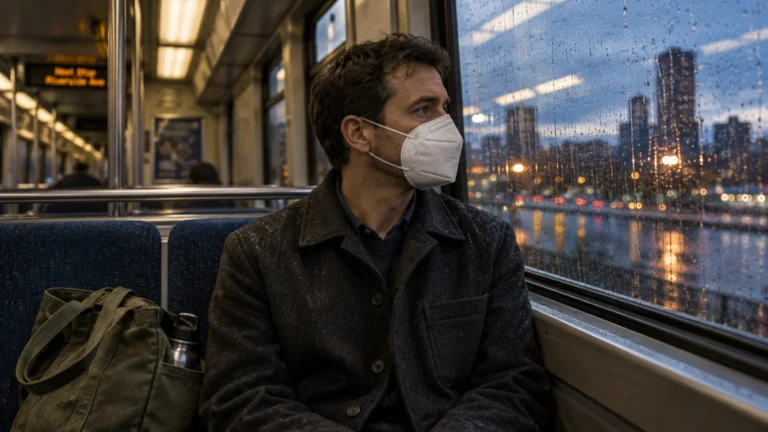
That 48-hour recheck prevents false reassurance when nasal viral levels are still climbing. While waiting to retest, treat your symptoms cautiously by wearing a well-fitting mask around others and postponing visits with elderly or immunocompromised relatives.
Before swabbing, read your kit’s expiration date and instructions carefully, and blow your nose gently to clear mucus. You can review updated testing protocols and clinical advice through Centers for Disease Control and Prevention COVID-19 clinical guidance.
Red-Flag Symptoms That Require Urgent Medical Care
Most mild respiratory infections improve with rest and home monitoring, yet certain warning signs demand immediate emergency evaluation. Never wait to see if severe symptoms pass on their own, especially if you care for an older adult or someone with chronic illness.
Seek urgent medical attention right away if you or a loved one develops difficulty breathing, persistent or severe chest pain, or loss of consciousness. Extreme confusion, bluish lips or face, or sudden inability to stay awake also warrant emergency care.
When calling emergency services or arriving at an urgent clinic, mention your positive test result or suspected COVID-19 exposure upfront. Giving staff early notice helps them prepare isolation precautions and evaluate oxygen levels without delay.
Treatment Landscape, Vaccines, and Preventive Therapies
Medical Care and Supportive Relief at Home
All guidance in this article is educational and does not replace individualized medical advice from your healthcare provider. If you test positive for COVID-19 and carry high-risk conditions, contact your clinician promptly to discuss whether prescription antiviral therapy fits your health profile.
Antiviral medications work best when started early in the course of infection, before viral replication peaks. Your doctor or pharmacist will review your current prescriptions, kidney function, and liver health to check for drug interactions and safe eligibility.
For mild illness managed at home, supportive care eases discomfort while your immune system clears the virus. Prioritize sleep, drink fluids steadily to prevent dehydration, and use clinician-approved over-the-counter pain or fever relievers according to label directions.
Soothing a sore throat with warm tea, broth, or saline throat sprays often makes eating and resting easier. A cool-mist humidifier or steamy shower can also loosen stubborn nasal congestion and ease dry coughing fits.
Avoid unproven miracle cures, leftover antibiotics, or high-dose herbal megadoses marketed online for respiratory infections. Antibiotics target bacteria rather than viruses like PJ.2.1, and unregulated supplements can interact dangerously with blood thinners or blood pressure medicines.
Monitor your breathing twice daily using a simple check-in—can you speak full sentences comfortably and walk across the room without gasping? If breathlessness creeps in, reach out to your medical team promptly rather than trying to tough it out.
2026–2027 Updated COVID-19 Vaccines and Eligibility
Vaccination remains a cornerstone defense against severe COVID-19 outcomes as new lineages emerge. In May 2026, both the U.S. Food and Drug Administration advisory committee and the European Medicines Agency recommended updating 2026–2027 vaccines to a monovalent formula targeting the JN.1-lineage XFG variant.
Following those recommendations, European regulators authorized XFG-adapted Comirnaty in July 2026, and American regulators approved the 2026–2027 Comirnaty formula on August 27, 2026. You can check vaccine formulations and safety reviews via U.S. Food and Drug Administration COVID-19 vaccine approvals.
In the United States, two vaccine platforms are available for the 2026–2027 season: mRNA vaccines—including Pfizer-BioNTech Comirnaty and Moderna Spikevax or Mnexspike—and the protein subunit vaccine Nuvaxovid from Novavax and Sanofi. Having both options helps patients with specific preferences or prior reactions find a suitable choice.
As of October 7, 2026, U.S. federal guidance frames COVID-19 immunization around individual-based, shared clinical decision-making between you and your healthcare provider. Dosing schedules depend on age and immune status, with 2026–2027 vaccination recommended for adults 18 and older and moderately or severely immunocompromised children aged 6 months to 17 years.
Globally, the World Health Organization issued an updated position paper on July 31, 2026, noting that vaccine-derived protection against infection fades beyond 6 months. The agency recommends at least one dose yearly—provided more than 6 months have passed since the prior shot—for priority groups.
Those global priority groups include older adults, with a suggested threshold of 60 years and older, plus children, adolescents, and adults living with significant chronic conditions or severe obesity. Pregnant individuals are advised to receive a dose during each pregnancy, alongside health and care workers serving high-risk patients.
European campaigns follow similar risk-focused rhythms to protect vulnerable residents through winter. For example, France’s autumn-winter drive runs through January 31, 2027, offering 100 percent reimbursed XFG-adapted shots after a 6-month interval, shortened to 3 months for people aged 80 and older or immunocompromised patients.
French authorities also plan an additional spring dose for residents aged 80 and up, immunocompromised individuals, and nursing home residents. You can explore European authorization policies through the European Medicines Agency COVID-19 overview.
Because PJ.2.1 belongs to the broader JN.1 family and showed preserved neutralization against LP.8.1-adapted antibodies in lab tests, updated XFG-targeted shots remain a practical tool for lowering severe illness risk. Ask your pharmacist or physician whether an updated dose fits your timing and health goals.
Pre-Exposure Protection for Immunocompromised Patients
Some people living with blood cancers, organ transplants, or potent immune-suppressing therapies cannot build strong antibody responses from vaccines alone. For these moderately or severely immunocompromised individuals, preventive monoclonal antibody therapy offers an added layer of defense.
According to U.S. clinical considerations, the monoclonal antibody pemivibart—sold under the brand name Pemgarda—is available as pre-exposure prophylaxis. Clinicians administer it as a single 60-minute intravenous infusion, scheduled at least 2 weeks after receiving a COVID-19 vaccine.
Because infusion therapies carry potential allergic or infusion-related side effects, medical teams monitor patients during and after administration. Talk with your oncologist, rheumatologist, or transplant specialist to confirm whether ongoing variant susceptibility and your medical history make pemivibart appropriate for you.