
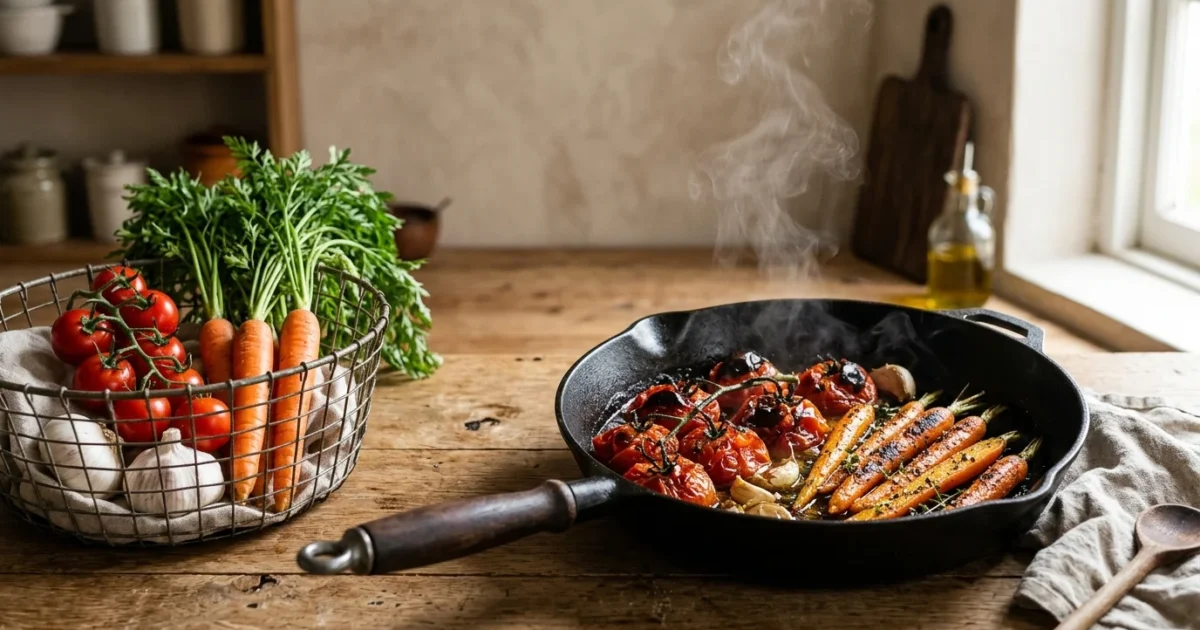
Eating raw salads often seems like the ultimate standard for health-conscious dining, yet cooking actually unlocks essential antioxidants, minerals, and vitamins that your digestive system cannot easily extract from raw plants. Heat softens rigid plant cell walls and breaks down tough cellular matrices, releasing bound compounds like lycopene and beta-carotene into readily absorbable forms. Furthermore, targeted thermal processing inactivates natural anti-nutrients—such as oxalates and phytates—that otherwise block your body from absorbing key minerals like calcium and iron. By understanding how sensible cooking methods increase nutrient availability, you can easily transform affordable produce into bioavailable powerhouses that support your long-term energy, immunity, and overall metabolic health.
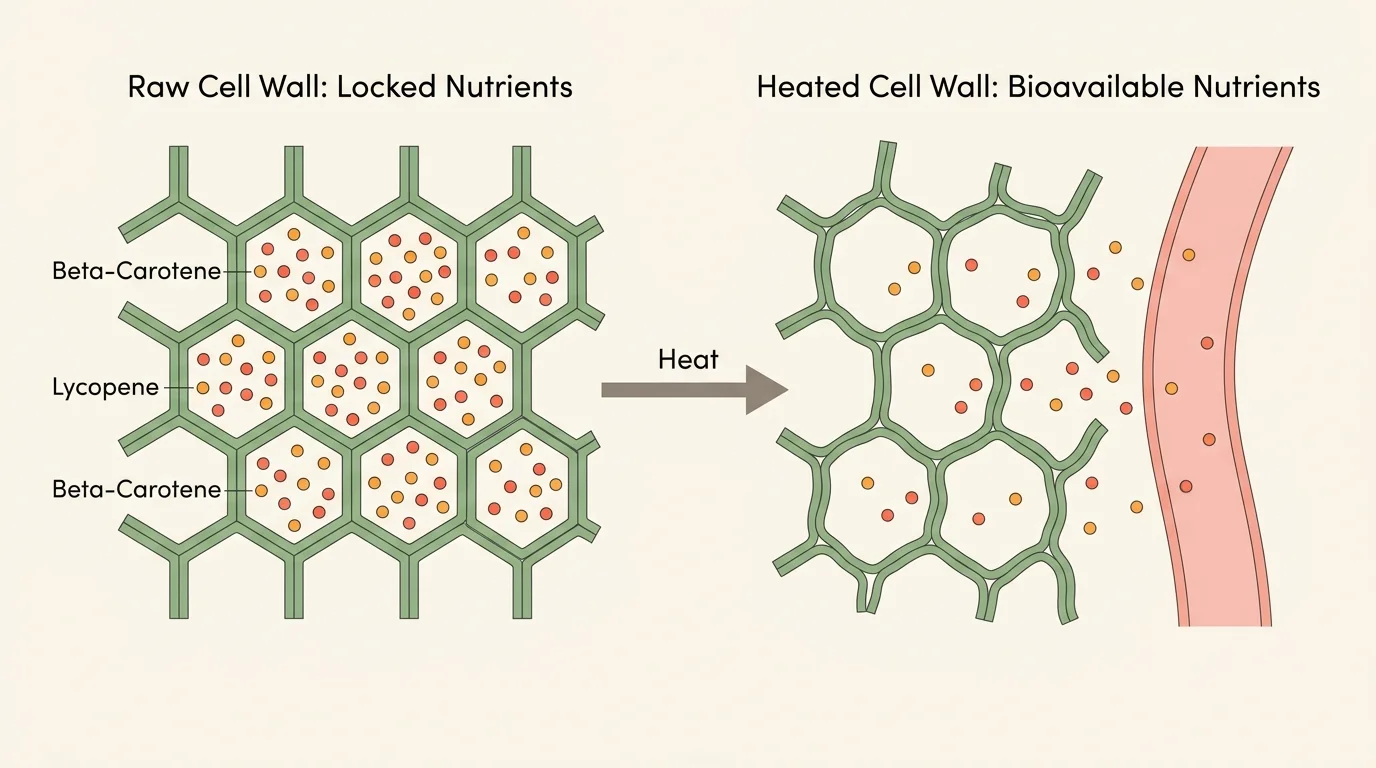
The Science of Bioavailability: How Heat Unlocks Plant Nutrients
Plant cells possess rigid outer walls made of cellulose, hemicellulose, and pectin. Human digestive enzymes cannot fully break down cellulose, meaning many nutrients trapped inside plant matrices pass through your tract unabsorbed. Thermal energy disrupts these structural walls, softening fibers and freeing trapped micronutrients so your small intestine can take them up effectively.
Research from the National Institutes of Health demonstrates that heat alters the physical structure of fat-soluble carotenoids, converting them into molecular forms that dissolve easily in dietary lipids. Furthermore, heat deactivates heat-labile anti-nutrients. Compounds like oxalic acid and phytic acid naturally defend plants from pests, but in your gut, they bind tightly to calcium, iron, and zinc. Thermal preparation breaks these bonds, allowing your bloodstream to absorb essential minerals that would otherwise remain unavailable.
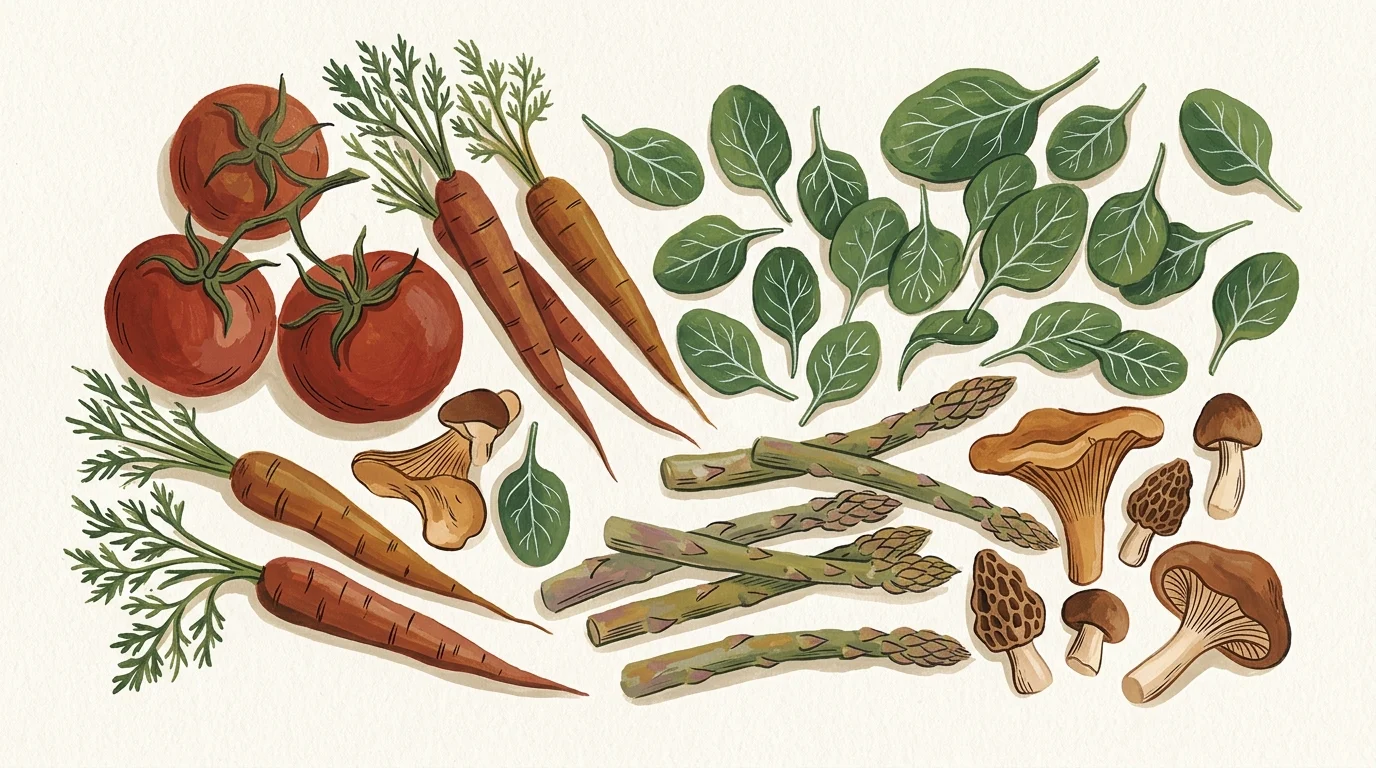
10 Vegetables That Become More Nutritious When Cooked
1. Tomatoes
While crisp raw tomatoes add great flavor to salads, heat unlocks their primary antioxidant: lycopene. Lycopene protects heart tissues and reduces systemic inflammation. Raw tomatoes hold lycopene in a trans-isomer form tightly bound to plant fiber. Cooking tomatoes for 30 minutes at moderate heat increases bioavailable lycopene by over 30 percent by altering its structure into an easily absorbable cis-isomer. Adding extra virgin olive oil during cooking enhances this uptake even further.
2. Spinach
Raw spinach contains oxalic acid, an anti-nutrient that binds to dietary calcium and iron, making them insoluble. Steaming or brief boiling degrades oxalic acid by up to 80 percent, freeing rich stores of non-heme iron and calcium. Cooking also shrinks spinach leaves, allowing you to consume a larger volume of greens and significantly higher concentrations of vitamins A, E, and K without stomach bloating.
3. Carrots
Carrots get their orange hue from beta-carotene, an essential antioxidant that your body converts into active vitamin A for immune defense and vision. Your body absorbs only 3 to 4 percent of beta-carotene from raw carrots due to tough cell walls. Boiling or steaming carrots breaks down these rigid matrices, increasing beta-carotene absorption by up to 600 percent. Leave the skin intact to preserve maximum dietary fiber.
4. Asparagus
Asparagus spears contain dense cell walls that make raw stalks tough and fibrous. Cooking ruptures these cell layers, making protective polyphenols and ferulic acid up to 16 percent more accessible to your metabolic tissues. Light cooking also increases the availability of vitamin A, vitamin E, and folate, which supports healthy cellular DNA repair and cardiovascular stability throughout your body.
5. Mushrooms
Mushrooms feature cell walls made of chitin, an indigestible carbohydrate structure. Raw chitin often causes digestive distress and blocks nutrient uptake. Heating mushrooms breaks down chitin, unlocking ergothioneine, a potent cellular antioxidant that protects mitochondria from free radical damage. Sautéing or grilling also neutralizes trace heat-sensitive toxins naturally found in raw mushroom varieties.
6. Sweet Potatoes
Raw sweet potatoes contain trypsin inhibitors that interfere with digestive enzymes, making protein breakdown difficult and causing gas. Baking or roasting sweet potatoes deactivates these inhibitors completely while breaking down starches into easily digestible maltose. Heat also liberates stored beta-carotene and chlorogenic acid, which helps moderate post-meal blood sugar levels.
7. Kale and Brassica Greens
Raw kale and brassicas contain goitrogens that can interfere with thyroid iodine absorption when eaten raw in large amounts. Steaming or light cooking neutralizes goitrogenic enzymes while preserving glucosinolates, which convert into cancer-protective isothiocyanates. Thermal exposure also releases stored lutein and zeaxanthin, two key antioxidants that protect eye retinas from oxidative light strain.
8. Pumpkin and Winter Squash
Hard winter squashes like butternut and pumpkin possess dense cellular walls in their raw state. Roasting or steaming softens these carbohydrates, making their rich concentrations of alpha-carotene, beta-carotene, and lutein highly bioavailable. According to data from the USDA FoodData Central, cooked pumpkin provides significantly higher digestible amounts of potassium and fiber than raw alternatives.
9. Red Bell Peppers
Although high heat destroys some water-soluble vitamin C, light roasting or quick sautéing provides superior overall antioxidant availability. Heat breaks down pepper skins, liberating bound carotenoids, capsanthin, and ferulic acid. Stir-frying red peppers quickly with healthy fats minimizes vitamin C loss while maximizing fat-soluble antioxidant absorption across your digestive tract.
10. Green Beans
Raw green beans contain lectins, which can bind to your intestinal lining and cause digestive irritation. Sautéing or steaming green beans neutralizes lectins and reduces phytic acid, leaving calcium, silicon, and phosphorus fully available. Cooking green beans until vibrant green delivers maximum free radical-fighting antioxidants while providing a tender, appetizing texture.
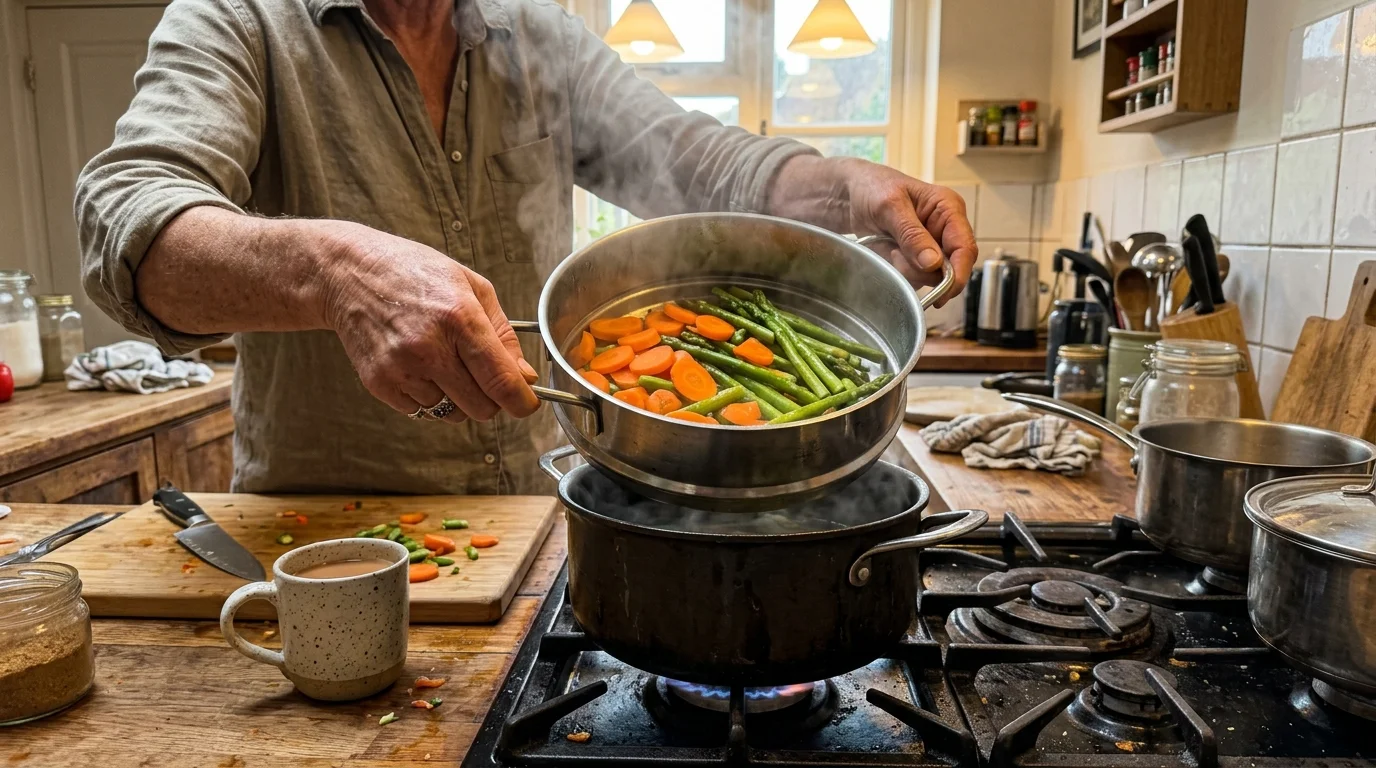
Actionable Culinary Strategies for Maximum Nutrient Retention
1. Master Low-Water Cooking Techniques
Water-soluble nutrients like vitamin C and B vitamins easily dissolve into cooking liquid during prolonged boiling. To preserve these fragile vitamins, choose minimal-water cooking methods such as steaming, microwaving, or rapid sautéing. Research from the Harvard T.H. Chan School of Public Health shows that microwaving vegetables with a small tablespoon of water retains higher nutrient concentrations than traditional boiling because shorter exposure times prevent thermal degradation.
2. Pair Carotenoids with Healthy Fats
Carotenoids like lycopene and beta-carotene require dietary fat to cross your intestinal wall. Always pair cooked orange, red, and dark green vegetables with high-quality fats. Drizzle warm roasted carrots with extra virgin olive oil, toss steamed kale with toasted pumpkin seeds, or sauté squash in avocado oil to multiply your daily antioxidant absorption rate.
3. Cook for Optimal Texture and Vibrant Color
Overcooking vegetables into soft mush destroys beneficial polyphenols and breaks down fiber structure. Aim for tender-crisp textures and vivid colors. Greens should appear deep emerald, carrots should yield slightly to a fork, and tomatoes should gently burst. Halting heat exposure at peak color ensures you enjoy maximum phytonutrient benefits and superior culinary flavor.

Expert Perspectives on Bioavailability and Digestive Comfort
Clinical nutritionists note that cooking vegetables provides benefits far beyond chemical nutrient density. Cooked produce proves dramatically gentler on sensitive human digestions. For individuals managing irritable bowel syndrome, inflammatory bowel conditions, or diminished digestive enzyme output, raw fiber can trigger uncomfortable gas, cramping, and bloating.
Specialists at the Academy of Nutrition and Dietetics point out that softening plant cell walls with moist heat reduces the physical work required by your stomach. This streamlined digestion prevents gastrointestinal distress and allows your gut mucosa to absorb vital micronutrients efficiently without triggering chronic tissue irritation.
Frequently Asked Questions About Cooking Vegetables
Does cooking destroy vitamin C in all vegetables?
Heat degrades water-soluble vitamin C, but quick methods like steaming or microwaving minimize losses. The increased availability of fat-soluble antioxidants and bound minerals in cooked produce easily offsets minor vitamin C declines, boosting your net nutrient intake.
What is the healthiest cooking method for preserving nutrients?
Steaming and microwaving represent the healthiest methods because they require brief cooking times and minimal water. These techniques prevent nutrient leaching while effectively breaking down cell walls to release bound minerals and carotenoids.
Is eating raw spinach harmful due to oxalates?
Raw spinach in modest amounts is safe for most people. However, if you have a history of calcium-oxalate kidney stones or poor mineral absorption, cooking spinach lowers oxalates by up to 80 percent, protecting your kidneys and mineral levels.
Do cooked frozen vegetables provide the same health benefits as fresh ones?
Yes, frozen vegetables are blanched and flash-frozen shortly after harvest, locking in key vitamins. Cooking frozen vegetables provides equivalent or superior nutrient availability compared to fresh produce that has sat in transport for weeks. For personalized dietary advice, review guidance from the Centers for Disease Control and Prevention or consult a registered dietitian.
Your Next Step Toward Bioavailable Nutrition
Improving your daily nutrition does not require complicated meal plans or costly supplements. You can unlock vital health benefits simply by adjusting how you cook whole foods. Pick one vegetable from this guide—like carrots, spinach, or sweet potatoes—and prepare it with gentle heat and a healthy fat this week. Observe how your body responds to tender, nutrient-rich meals that nourish your digestive tract seamlessly. Which vegetable will you cook tonight to enhance your daily health?






Leave a Reply