
You reach for spices daily to elevate flavor and nourish your body without adding empty calories. Yet certain common seasonings quietly introduce harmful compounds directly into your home-cooked meals.
Industrial processing, soil contamination, and commercial shortcuts frequently load standard spice jars with toxic heavy metals, synthetic additives, and staggering levels of hidden sodium.
Scrutinizing your spice rack shields your cardiovascular health and kidneys from silent degradation. By swapping risky blends for pure alternatives, you can protect your long-term wellbeing while keeping every meal delicious.
Understanding Modern Spice Contamination
Many people assume culinary spices are inherently pure because they originate from plants. Unfortunately, modern supply chains and agricultural practices introduce unexpected chemical risks into everyday seasonings.
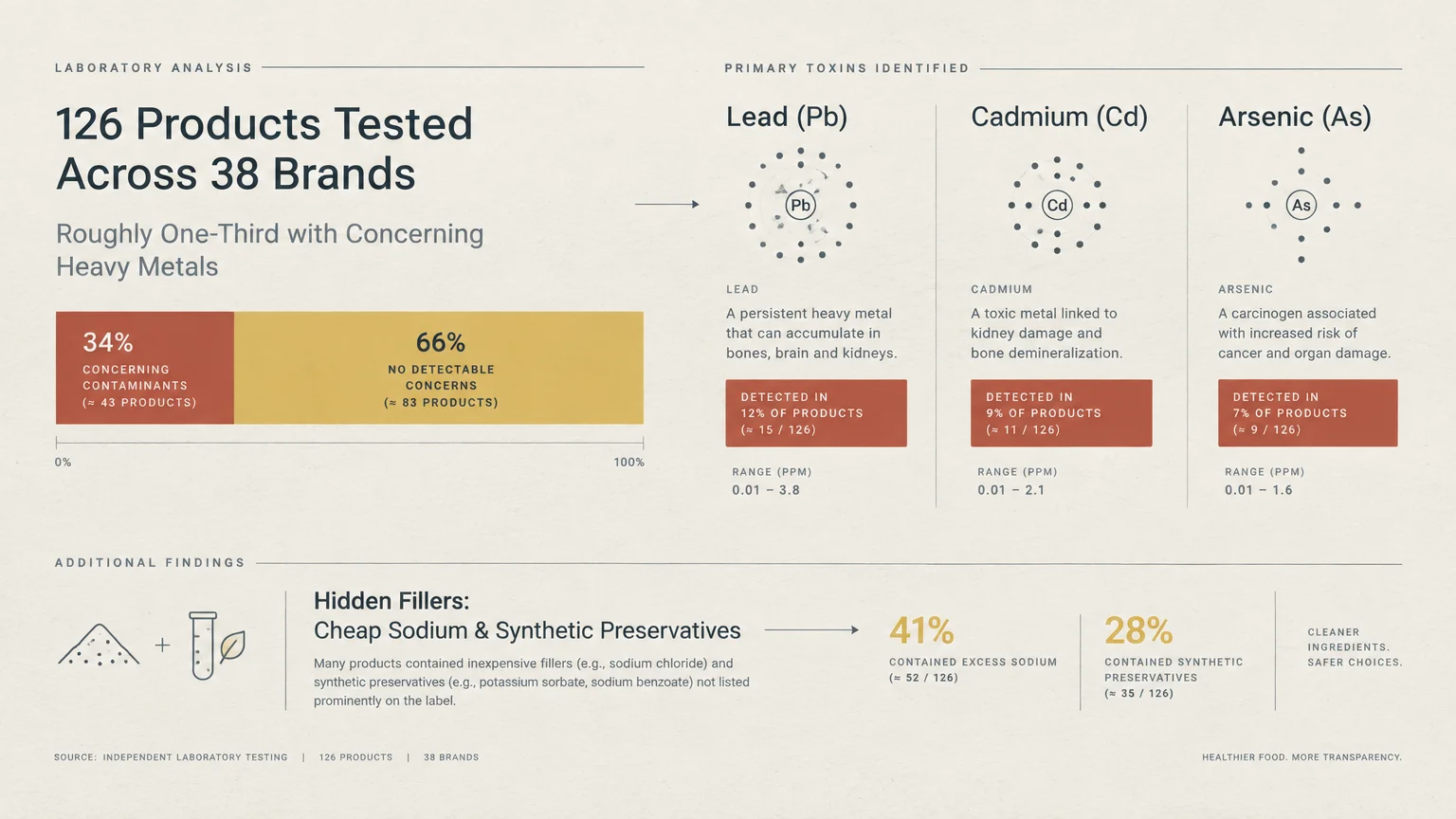
A landmark investigation by Consumer Reports heavy metals testing examined 126 commercial dried herb and spice products across 38 brands. Laboratory technicians found that roughly one-third of tested products contained concerning levels of lead, cadmium, and arsenic.
Simultaneously, commercial food manufacturers frequently dilute herbs with cheap sodium and synthetic preservatives to maximize profit margins. These hidden additives directly undermine your cardiovascular system and kidneys without your knowledge.
Top 10 Unhealthiest Spices and Seasonings to Avoid
1. Contaminated Discount Ground Cinnamon
Ground cinnamon offers blood sugar benefits, but low-cost varieties pose severe heavy metal hazards. Contaminated soil and illicit post-harvest adulteration frequently introduce toxic inorganic lead into bargain bark products.
Between March and November 2024, the FDA health alert on ground cinnamon flagged over 18 discount brands—including La Fiesta, Marcum, and Swad—for elevated lead. Testing revealed lead concentrations up to 20 parts per million, making pure, third-party-tested Ceylon cinnamon essential.
2. Commercial Garlic Salt
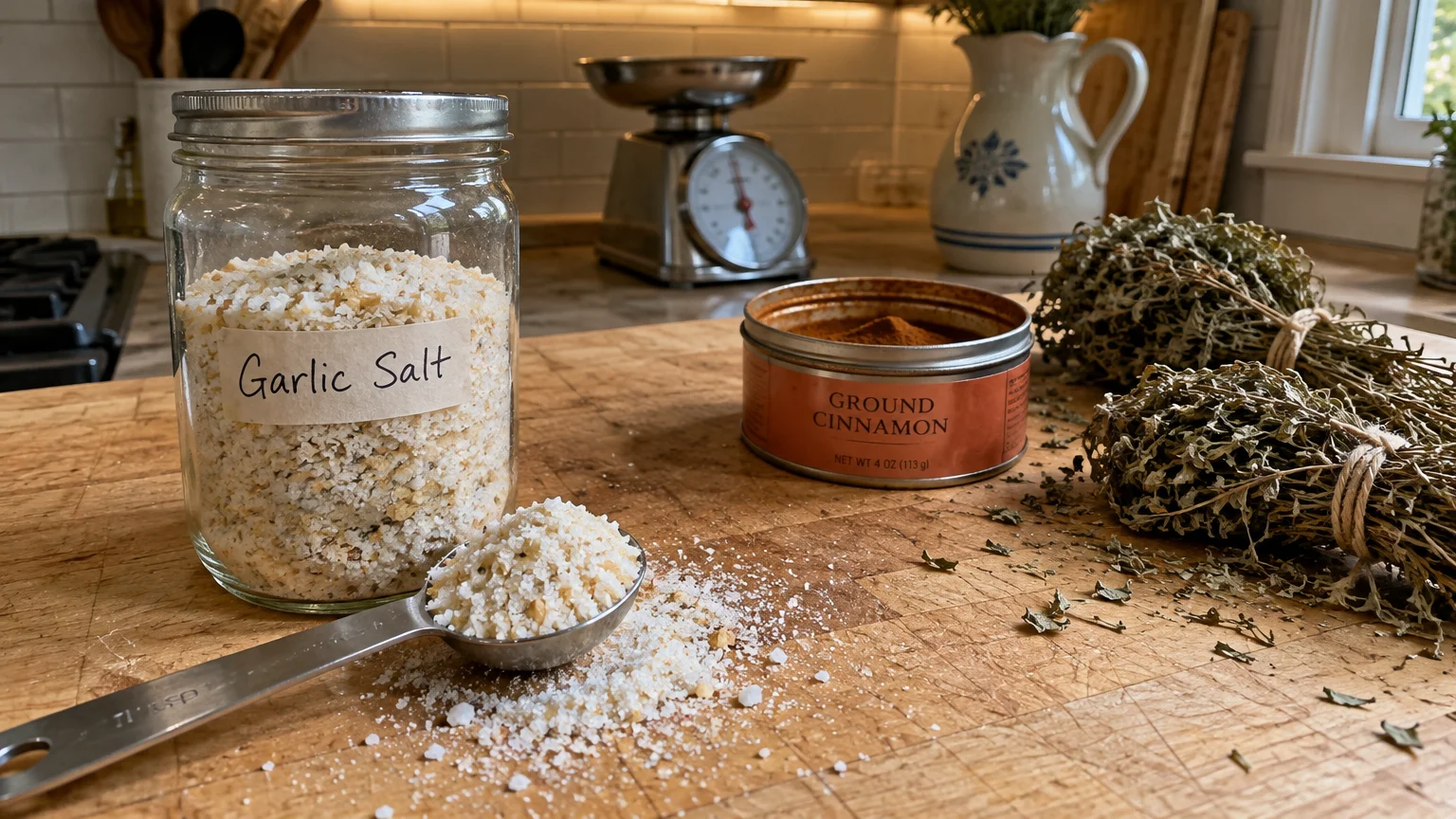
Garlic provides allicin to support vascular health, but commercial garlic salt turns this superfood into a cardiovascular liability. Food processors combine a small dusting of dehydrated garlic with massive volumes of refined sodium chloride.
One teaspoon of garlic salt contains up to 2,325 milligrams of sodium, exceeding the American Heart Association sodium guidelines ideal limit of 1,500 milligrams daily. Choose pure garlic powder instead to protect your blood pressure.
3. Non-Certified Dried Oregano
Dried oregano forms the backbone of Mediterranean dishes, but it remains one of the most contaminated herbs in grocery aisles. Oregano plants naturally bioaccumulate toxic heavy metals from ambient soil and agricultural runoff.
Consumer Reports testing found concerning levels of cadmium and lead across every single commercial oregano brand tested. Purchase certified organic oregano from verified growers, or cultivate your own fresh plants to eliminate contamination risks.
4. Non-Certified Dried Thyme
Like oregano, dried thyme frequently tests positive for alarming concentrations of heavy metals. Its delicate leaf surface and root biology make it exceptionally prone to retaining airborne pollutants and soil contaminants.
Laboratory evaluations discovered concerning levels of inorganic arsenic and lead across all tested commercial thyme products. Incorporate fresh organic thyme sprigs into your cooking instead of relying on dusty, mass-market dried jars.
5. Packaged Taco and Fajita Seasoning Mixes
Pre-packaged Mexican seasoning packets promise convenient weeknight dinners, but they deliver staggering doses of hidden sodium. Commercial producers use salt as a cheap bulking agent because it costs far less than real spices.
A single packet contains up to 2,280 milligrams of sodium, delivering 490 milligrams per two-teaspoon serving alongside maltodextrin and synthetic anti-caking agents. Blend your own cumin, chili powder, and smoked paprika for bold flavor without vascular strain.
6. High-Dose Ground Nutmeg
Ground nutmeg lends a warm aroma to holiday baked goods, but it contains a psychoactive compound named myristicin. While typical culinary pinches cause no harm, measuring errors can produce severe neurotoxic symptoms.
According to clinical toxicology research on myristicin, ingesting as little as five grams—roughly one to two teaspoons—triggers acute poisoning. Toxicity causes tachycardia, severe nausea, and disorientation lasting up to 72 hours, demanding strict portion control.
7. Commercial Onion Salt
Commercial onion salt lures home cooks into believing they are adding innocent aromatics to their savory dishes. Instead, you are predominantly shaking refined sodium and chemical anti-caking compounds over your meal.
A single teaspoon contains roughly 1,600 to 2,000 milligrams of sodium alongside chemical stabilizers like sodium aluminosilicate. Transition to pure onion powder or fresh scallions to nourish your gut microbiome without spiking your blood pressure.
8. Industrial Seasoned Salt Blends
Mass-market seasoned salts remain popular kitchen staples, marketed as universal flavor enhancers for meats and vegetables. Unfortunately, their ingredient labels reveal a chemical mixture that bears little resemblance to whole botanical spices.
Their formulations feature table salt as the primary component, supplemented with sugar, monosodium glutamate, and synthetic yellow dyes. To lower dietary sodium, follow the new FDA voluntary sodium reduction targets by making salt-free herb rubs.
9. Low-Grade or Adulterated Ground Paprika
Pure paprika offers rich carotenoids that protect cellular structures from oxidative damage. Unfortunately, cheap imported paprika is historically notorious for illicit adulteration and substandard post-harvest handling.
Suppliers have occasionally diluted inferior paprika with toxic lead oxides and industrial dyes to mimic brilliant red hues. Furthermore, improper drying fosters fungal aflatoxins, making certified organic Spanish or Hungarian paprika the safest choice.
10. Mass-Market Lemon Pepper Seasoning
Lemon pepper seasoning sounds like a refreshing pairing of cracked black peppercorns and aromatic citrus zest. However, commercial mass-market versions rely on deceptive formulas dominated by refined sodium chloride.
Most grocery brands list salt as the leading ingredient, packing over 800 milligrams of sodium per teaspoon alongside synthetic yellow dyes. Grind pure whole black peppercorns and add fresh lemon zest to enjoy authentic citrus aromatics safely.
Evidence-Based Strategies for a Healthier Spice Rack
Revamping your spice cabinet does not mean sacrificing the deep, complex flavors that make home cooking enjoyable. Adopting simple pantry habits allows you to maximize nutritional benefits while shielding your body from hidden contaminants.
Nutritional Strategies: Prioritizing Pure Botanicals
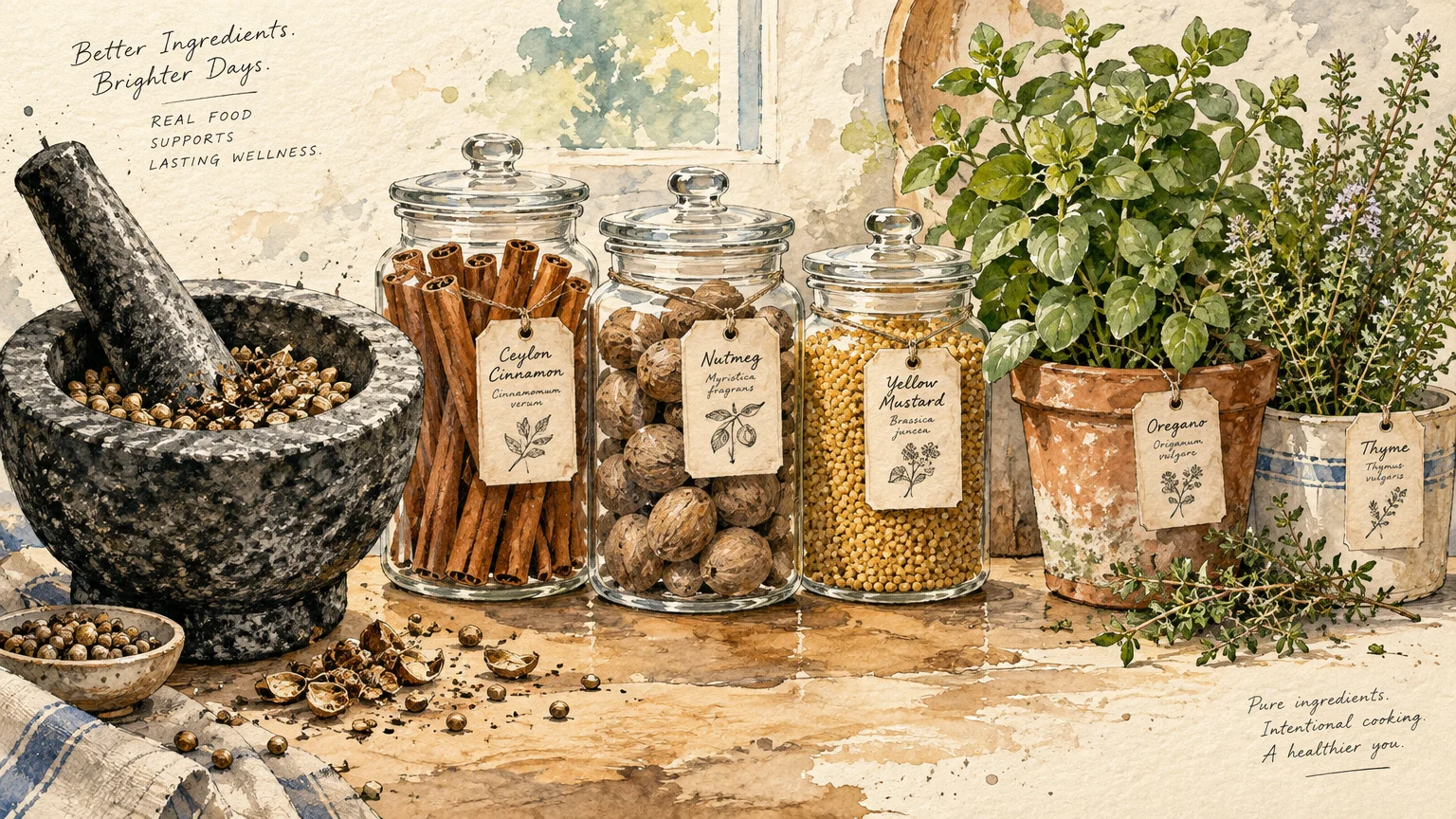
Commit to purchasing single-ingredient herbs and spices rather than pre-mixed seasoning blends. When you purchase pure cumin, turmeric, or coriander, you avoid hidden sodium, modified starches, and artificial coloring agents entirely.
Laboratory data shows that pure coriander, black pepper, and garlic powder contain minimal heavy metal residues. Invest in whole seeds and grind them with a mortar and pestle to preserve bioavailable antioxidants.
Mindset Strategies: Reading Labels as an Empowered Consumer
Treat spice shopping with the same careful scrutiny you apply to fresh produce and packaged foods. Flip the jar over and examine the nutrition facts panel and ingredient statement rather than trusting front-label claims.
If salt, sugar, or anti-caking additives appear in the ingredient list, return that container to the grocery shelf. Seek out spice purveyors that prioritize fair-trade partnerships and publish independent laboratory testing for purity.
Medical Strategies: Monitoring Biomarkers and Clinical Indicators
Chronic consumption of hidden sodium and heavy metals exerts cumulative strain on your cardiovascular and renal systems. Routine medical evaluations help detect early physiological changes long before overt symptoms manifest.
Collaborate with your primary healthcare provider to monitor your resting blood pressure and kidney filtration markers annually. If you have consumed heavily contaminated spices for years, discuss whether specific baseline screening is appropriate.

Clinical Perspectives and Real-World Insights
Cardiologists and registered dietitians frequently encounter patients who eat clean meals yet struggle with stubborn, uncontrolled hypertension. The culprit often hides in commercial seasoning blends that patients sprinkle generously onto grilled proteins and vegetables.
Integrative dietitian Sarah Jenkins emphasizes that patients rarely calculate sodium from spice blends into their daily nutrition tracking. She explains that a single tablespoon of seasoned salt can quietly exceed an entire day’s clinical sodium target.
After replacing commercial taco seasonings and garlic salts with whole spices, cardiac patient David Martinez saw his systolic blood pressure drop 11 points over six weeks. David noted that his meals tasted fresher once his palate adapted to natural herbal flavors.
Frequently Asked Questions
Are organic spices completely free from heavy metals?
Organic certification ensures crops are grown without synthetic pesticides, but it cannot fully eliminate environmental minerals from agricultural soil. Plants naturally absorb ambient trace minerals through their roots regardless of organic farming practices.
However, certified organic spices consistently test with fewer synthetic chemicals and lower average metal contamination than discount brands. Reviewing third-party laboratory reports provides the best assurance of purity.
How can I spot hidden sodium in commercial seasonings?
Inspect the nutrition facts panel and verify that the sodium content reads zero milligrams per serving. If words like salt, sea salt, or monosodium glutamate appear in the ingredients, significant sodium is present.
True dried herbs and spices contain virtually no natural sodium. If a single teaspoon contains several hundred milligrams of sodium, treat that product as a concentrated salt rather than a spice.
Does high-heat cooking eliminate heavy metals or toxic compounds?
Cooking heat, baking, and boiling do not break down heavy metals such as lead, cadmium, or arsenic. These elemental toxins remain chemically intact and transfer directly into the food you eat.
Similarly, thermal cooking does not destroy the neurotoxic compound myristicin found in high doses of nutmeg. The only reliable way to prevent toxicity is purchasing tested spices and practicing strict culinary moderation.
How long can you safely store dried spices in your pantry?
Whole spices retain their flavor and biological potency for three to four years when stored properly in airtight glass jars. Pre-ground spices lose volatile oils much faster and should generally be refreshed every one to two years.
Discard any jar that develops a musty aroma, dull grayish color, or visible clumps from ambient humidity. Store your spice collection in a dark, cool cupboard rather than directly above your warm stovetop.
Taking Your First Step Toward a Safer Kitchen
Dedicate ten minutes this week to clearing contaminated and high-sodium seasoning jars from your pantry shelves. Discard commercial seasoning salts, questionable discount cinnamon, and expired herb jars that lack verifiable sourcing.
Replace them with whole black peppercorns, single-origin Ceylon cinnamon, and pure garlic powder from transparent suppliers. What single spice blend will you swap out today to begin protecting your cardiovascular vitality?






Leave a Reply