
Supplements can improve your health, but more doesn’t mean better. Does your healthcare provider prescribe all your supplements, or are you guilty of trying something new without consulting first?
To maintain good health as you age, it’s essential to get all the necessary vitamins, minerals, and nutrients. However, it can often be challenging to obtain everything needed from food alone. This is why many people choose to take supplements. But navigating the supplement industry can be quite overwhelming. With countless options available, a new elixir emerges daily, claiming to help you look and feel younger. However, just because something is labeled as healthy doesn’t mean it will fulfill all its promises.
Choosing the right supplements is essential for older adults. They can address specific nutritional deficiencies, support bone health, enhance cognitive function, and improve overall vitality. However, some supplements may interact negatively with medications or cause unwanted side effects, which emphasizes the need for careful consideration. The best advice is to always talk to your health care provider before taking supplements. A doctor can ask for blood tests and other evaluations to determine exactly what you need and how you need to take it.
However, most of us are guilty of taking supplements without consulting our healthcare providers. Even though I know I should always talk to my doctor, adding a new green powder to my morning routine seems innocent. This is why it’s essential to understand which supplements are most beneficial and which should be taken only if the doctor recommends them.
Let’s explore popular supplements like vitamin D, calcium, omega-3 fatty acids, and probiotics, focusing on their roles in promoting healthy aging. Additionally, we’ll discuss supplements that may pose risks, especially for older adults with pre-existing health conditions or those who are taking multiple medications. Here are five supplements that may help you meet your needs.
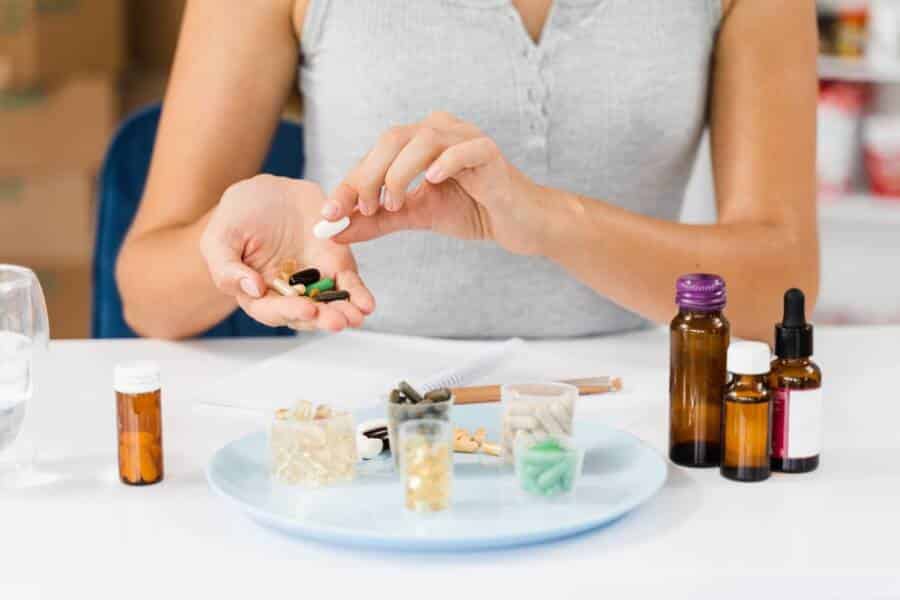
1. Vitamin D
Vitamin D is an important supplement for older adults, contributing significantly to overall health. As we age, our skin becomes less effective at producing vitamin D from sunlight, and our diets may not provide enough of this vital nutrient. To address this, it’s beneficial to consider vitamin D supplementation, as it plays a key role in preventing deficiencies that can lead to health issues, particularly those affecting bone health. By enhancing calcium absorption, vitamin D helps maintain bone density and reduce the risk of osteoporosis, which can increase the likelihood of fractures.
Furthermore, vitamin D is crucial for the immune system, especially as we grow older. Sufficient vitamin D levels are associated with a reduced risk of chronic illnesses, such as cardiovascular diseases and some cancers. Recent studies also indicate that vitamin D might play a role in cognitive abilities and mental well-being, potentially lowering the chances of depression and cognitive decline.
2. Omega-3 Fatty Acids
Healthy fats, mainly sourced from fish oil, flaxseeds, and walnuts, offer various health advantages. A key benefit of omega-3 fatty acids is their role in promoting heart health by decreasing inflammation, lowering blood pressure, and enhancing cholesterol levels. This is especially crucial for seniors, as they face an increased risk of cardiovascular issues and diseases.
Also, omega-3 fatty acids play a vital role in sustaining cognitive function. Research indicates they might lower the risk of cognitive decline related to aging and dementia, thereby supporting brain health and memory enhancement. Additionally, omega-3s contribute to joint health by alleviating arthritis symptoms and enhancing mobility. Due to their protective benefits for both the heart and the brain, including omega-3 fatty acids in the diet or through supplements is essential for promoting overall wellness in older adults.
3. Probiotics
Probiotics are helpful bacteria essential for gut health, especially for older adults. As we age, the digestive system undergoes changes that can disrupt the balance of gut bacteria, causing problems like constipation, bloating, and a higher risk of infections. Probiotics assist in reestablishing this balance, supporting a healthy gut microbiome.
Apart from facilitating digestion, probiotics bolster the immune system, which often declines with age. A well-balanced gut microbiome is associated with stronger immune responses, enabling older adults to combat infections and diseases more efficiently. Studies indicate that probiotics might also improve cognitive function and lower the chances of anxiety and depression, thereby promoting better mental health and well-being.
Additionally, probiotics support the absorption of crucial nutrients like vitamins and minerals, which are essential for overall well-being. By adding probiotics to their daily regimen, older adults can greatly improve their digestive health and enhance their quality of life.
4. Collagen
Collagen is an essential protein that acts as a foundational element for skin, bones, joints, and connective tissues, making it a valuable supplement for seniors. With advancing age, our natural collagen production diminishes, resulting in visible aging signs like wrinkles, sagging skin, and joint discomfort. Taking collagen supplements can help counteract these impacts by enhancing skin elasticity and hydration, thereby improving overall skin health and appearance.
Beyond its aesthetic advantages, collagen is essential for joint health. It helps preserve cartilage structure, lowering the chances of joint degeneration and ailments such as osteoarthritis, which are prevalent among older adults. This can enhance mobility and lessen discomfort in everyday activities.
5. Glucosamine and Chondroitin
Glucosamine and chondroitin are essential supplements for seniors, especially those suffering from joint pain and stiffness. These naturally occurring compounds are vital for preserving cartilage health, which is crucial for proper joint function. As people age, their joints endure wear and tear that can contribute to conditions such as osteoarthritis, leading to discomfort and decreased mobility.
Glucosamine contributes to cartilage formation and repair, while chondroitin offers structural support, helping retain the cartilage’s moisture and nutrients. Together, they reduce inflammation, relieve pain, and enhance joint flexibility, thus making daily tasks easier for older adults.
Studies indicate that these supplements could slow the progression of osteoarthritis and boost joint health. When older adults add glucosamine and chondroitin to their wellness routines, they may experience better joint function and enhanced mobility.
Similar to certain supplements that enhance general health, others pose risks, especially for seniors. Although some may be safe individually, they frequently disrupt the effectiveness of commonly prescribed medications.
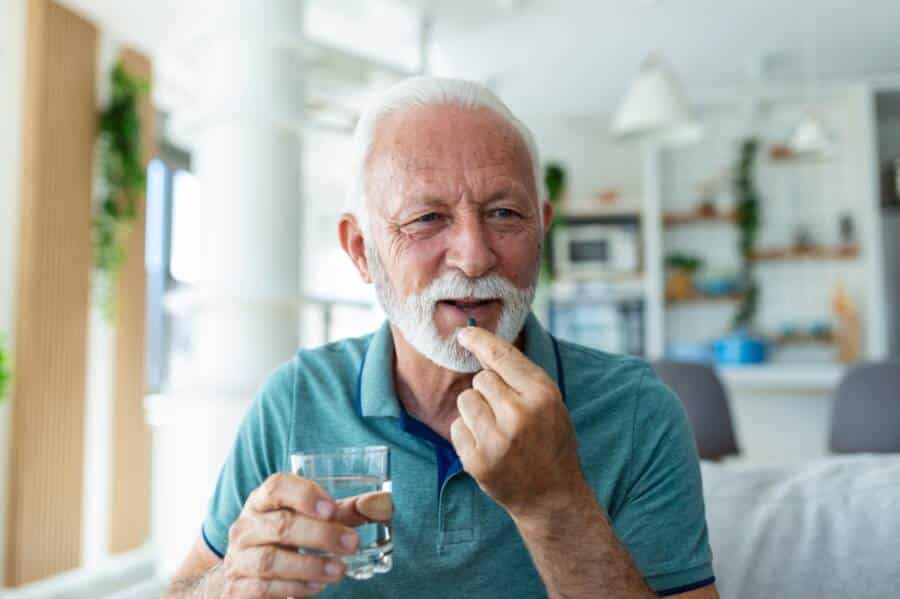
1. Iron
Iron is a vital mineral necessary for hemoglobin production and overall health. However, older adults should be cautious with supplementation. Many seniors have adequate iron levels through their diet, and too much iron can result in toxicity. In contrast to water-soluble vitamins, excess iron is not quickly expelled from the body, which may cause accumulation.
Elevated iron levels may lead to several health problems, encompassing oxidative stress and harm to critical organs such as the liver, heart, and pancreas. Moreover, older adults frequently face the risk of conditions like hemochromatosis, which causes the body to absorb excessive iron, worsening health outcomes and complications.
Iron may also obstruct the absorption of crucial nutrients such as zinc and calcium, which are vitamins that are essential for bone health and overall wellness in older adults. Therefore, seniors must consult healthcare professionals before starting iron supplements and ensure they are used only when necessary and under medical supervision.
2. St. John’s Wort
St. John’s Wort is a widely used herbal supplement for mild to moderate depression management. However, herbal supplements have the potential to interact with prescribed medication. St. John’s Wort affects the liver enzymes and can alter the metabolism of other drugs, leading to unpredictable effects.
Also, senior individuals might face side effects like gastrointestinal issues, tiredness, or anxiety, which can complicate their health management. Considering these potential risks, older adults need to seek advice from healthcare professionals before using St. John’s Wort to guarantee safe and effective mental health treatment options.
3. Kava
Another herbal supplement to avoid unless recommended by a doctor is kava. This root is frequently utilized for its calming properties and anxiety alleviation. However, it may present significant risks for older adults. A primary concern is its risk of liver toxicity. Kava has been associated with severe liver damage, such as hepatitis and liver failure, particularly in those with pre-existing liver issues, which are more prevalent among older individuals.
Kava can also lead to drowsiness, dizziness, and impaired coordination, raising the risk of falls and accidents among seniors, who often struggle with balance and mobility. Furthermore, its sedative properties may interact adversely with other medications, especially those for anxiety, depression, or sleep disorders, resulting in increased sedation or other adverse effects.
4. Ginkgo Biloba
Ginkgo biloba is often used to enhance cognitive function and memory, but it poses significant risks for older adults. A primary concern is its potential to increase bleeding risk, as it acts as a blood thinner, which is especially dangerous for seniors on anticoagulants like warfarin or aspirin, escalating the chance of hemorrhage complications.
Ginkgo may cause gastrointestinal issues, headaches, and allergic skin reactions, especially in older individuals. Its effects on cognitive function vary; some may benefit, while others see no improvement, leading to wasted resources and potential side effects.
Ginkgo can interact with medications, complicating treatment for older adults with conditions like hypertension and diabetes. Seniors should consult healthcare professionals before using ginkgo biloba to ensure safety and health.
5. Multivitamins with High Doses
Taking multivitamins in high doses can be harmful, as an overconsumption of specific vitamins and minerals may result in adverse health outcomes. Seniors often have distinct nutritional requirements, and their bodies may not metabolize high doses as well as those of younger individuals. For example, too much vitamin A can be toxic, potentially leading to symptoms such as dizziness, nausea, and liver damage.
Likewise, seniors frequently take multiple medications, increasing the risk of interactions with high-dose supplements. Certain vitamins can interfere with the absorption or effectiveness of prescribed drugs, complicating their health management issues.
Relying on high-dose multivitamins might lead seniors to neglect a balanced diet, which is essential for nutrients from whole foods. Therefore, you should consult healthcare professionals about the safety and health implications.
Consult your doctor or health team before regularly using supplements, especially with medications. Discuss a vitamin and mineral test with your doctor if you suspect a nutrient deficiency, such as muscle weakness or fatigue. Remember, supplements should complement healthy foods, not replace them.
Read next: 15 Harmless Things Your Doctor Should Know About Your Health.







Leave a Reply