

Retiring from the workforce provides the perfect opportunity to reinvent your daily routine and actively protect your cognitive health. You can replace the mental demands of your career with engaging activities that build cognitive reserve and lower your risk of dementia. While many people anticipate the physical relaxation of retirement, the sudden absence of complex problem-solving can leave your brain vulnerable to decline. By strategically adopting specific pastimes, you can stimulate neuroplasticity—the ability of your brain to form new neural connections—and maintain vibrant mental clarity. Exploring these ten carefully selected hobbies will help you build a resilient, sharp mind while ensuring your post-career years remain deeply fulfilling and socially connected.
The Science of Active Retirement and Brain Health
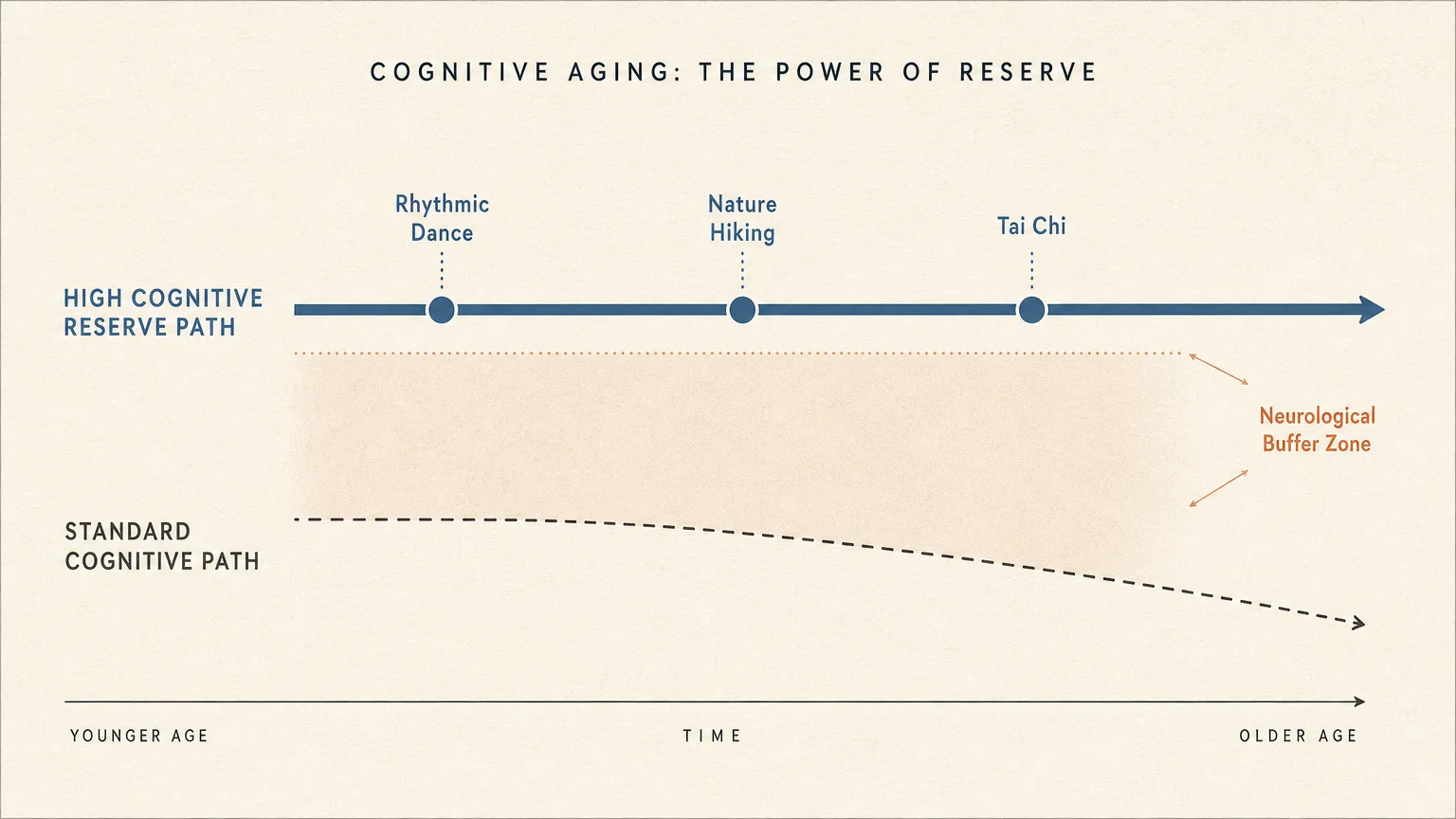
Engaging in mentally stimulating activities throughout your later years directly influences your cognitive reserve. This reserve acts as a neurological buffer; it allows your brain to function effectively even if age-related changes or disease pathology begin to develop. When you learn a new skill or navigate a complex physical task, your brain generates new neural pathways and strengthens existing cellular connections. The National Institute on Aging emphasizes that combining physical, mental, and social activities provides the most robust defense against cognitive decline. Building this reserve requires consistent effort, but it must also respect your personal resources. Acknowledging social determinants of health is vital—not everyone has access to expensive classes or expansive outdoor recreation spaces. Therefore, finding accessible, low-cost ways to challenge your brain remains essential. Selecting hobbies that require you to absorb new information and adapt to novel situations will ensure your cognitive networks stay dynamic and highly resilient.
Strategy Pillar: Movement and Physical Health Hobbies
1. Rhythmic Dancing for Neuroplasticity
Rhythmic dancing requires your brain to simultaneously process music, coordinate complex physical movements, and navigate spatial environments. This multi-sensory engagement stimulates the hippocampus—the brain region strictly responsible for memory consolidation and spatial navigation. Memorizing choreography forces your neural pathways to adapt and strengthen, directly enhancing neuroplasticity. Furthermore, dancing serves as an excellent cardiovascular workout, increasing blood flow to the brain and delivering essential oxygen to your tissues. You can easily explore local community centers that offer highly accessible classes tailored for older adults, ensuring you build physical endurance in a safe, deeply supportive environment.
2. Tai Chi for Balance and Focus
Tai Chi combines deep, deliberate breathing with flowing, low-impact postures to create an immersive moving meditation. This ancient practice demands intense focus and body awareness; it forces your brain to constantly monitor your center of gravity and limb positioning. Clinical research consistently demonstrates that regular Tai Chi practice significantly reduces the risk of falls among older adults by improving proprioception and muscular control. The slow, controlled movements also lower circulating cortisol levels, reducing stress-induced inflammation that can drastically accelerate cognitive decline. You can easily adapt these movements to accommodate various physical limitations, making it a perfectly inclusive daily practice.
3. Nature Hiking and Trail Navigation
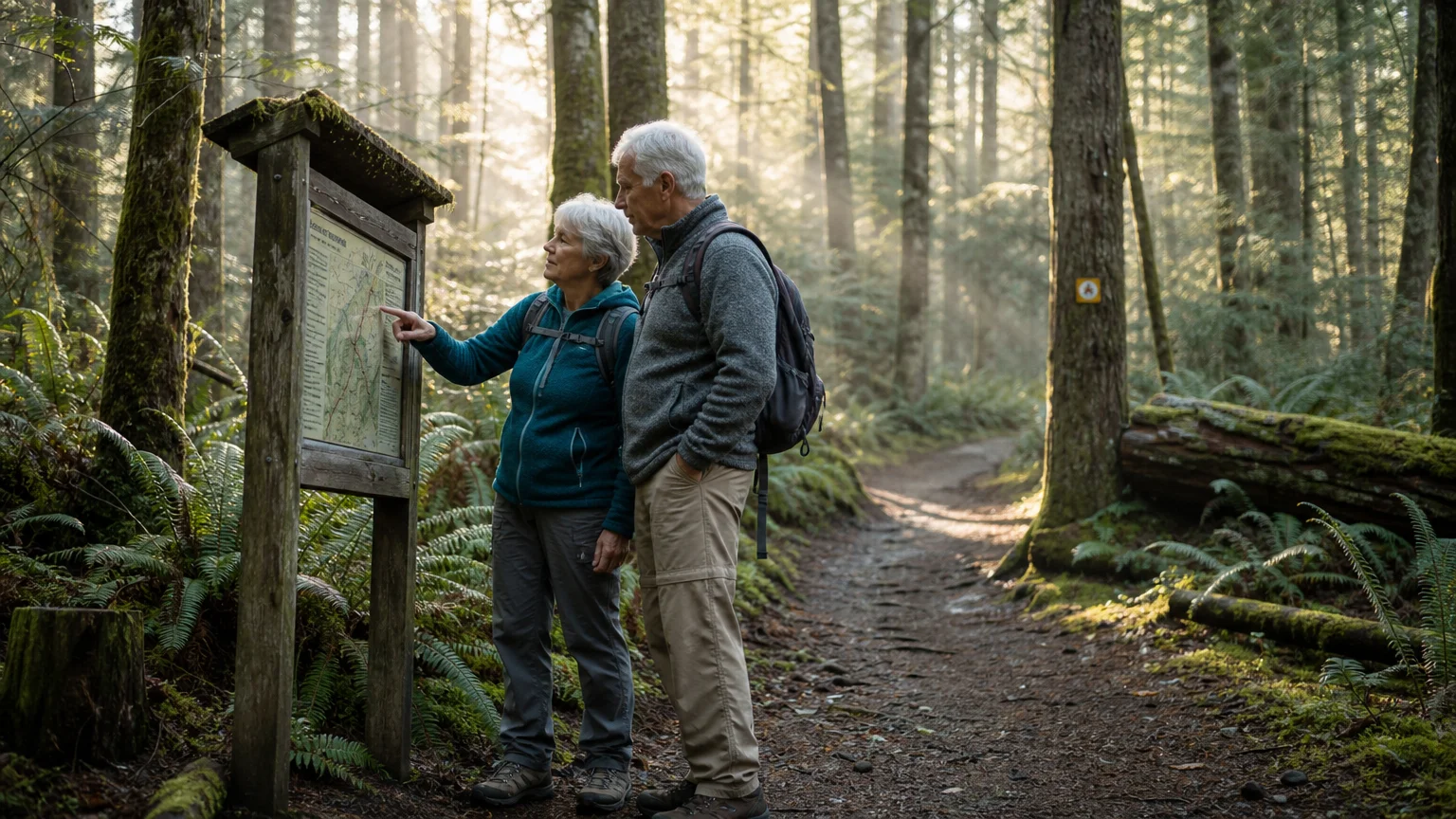
Hiking through nature trails provides a highly dynamic environment that constantly challenges your spatial memory and rapid decision-making skills. Unlike walking on a predictable, flat treadmill, navigating uneven terrain requires continuous micro-adjustments from your musculoskeletal and central nervous systems. This constant physical adaptation keeps your motor cortex deeply engaged. Immersing yourself in natural environments reliably lowers mental fatigue and enhances your ability to sustain attention over long periods. The Centers for Disease Control and Prevention strongly advocates for regular aerobic activities to maintain functional independence; hiking elegantly fulfills this recommendation while providing vital, complex sensory stimulation.

Strategy Pillar: Mindset and Cognitive Stimulation
4. Acquiring a Second Language
Acquiring a second language serves as one of the most rigorous and immensely rewarding workouts for your brain. Memorizing vocabulary and internalizing unfamiliar grammatical rules heavily taxes your working memory and strengthens your brain’s executive control system. Bilingual individuals frequently display a delayed onset of dementia symptoms compared to monolingual peers, largely due to the formidable cognitive reserve built through managing two linguistic systems. You do not need to achieve perfect, native fluency to reap these benefits; the mere struggle of translating thoughts builds dense neural networks. Many public libraries provide completely free language-learning software to aggressively eliminate financial barriers.
5. Mastering a Musical Instrument
Mastering a musical instrument engages almost every major functional area of your central nervous system simultaneously. Reading sheet music requires rapid visual processing, while physically executing the exact notes demands precise fine motor skills. This intense coordination strengthens the corpus callosum—the critical bridge connecting the left and right hemispheres of your brain—allowing messages to travel substantially faster across your neural networks. The deeply rewarding process of creating rhythmic melodies naturally stimulates dopamine production, lifting your mood and combating retirement-induced depression. You can effortlessly start with beginner tutorials online to learn comfortably at your own pace.
6. Engaging in Strategic Board Games
Engaging in strategic board games and chess forces you to actively exercise anticipation, pattern recognition, and complex problem-solving skills. When you play chess, you must hold multiple potential scenarios in your working memory and accurately calculate the consequences of each move. This forward-thinking approach heavily engages your prefrontal cortex, the specific area responsible for higher-level executive functions. Regularly challenging yourself with advanced strategy games prevents mental stagnation. Participating in local community game nights also adds a crucial layer of social interaction, compounding the cognitive benefits by requiring you to actively read facial expressions and engage in rapid conversation.
7. Creative Writing and Memoir Crafting
Creative writing and memoir crafting provide a profound, accessible outlet for emotional processing and intense cognitive organization. Translating raw memories and abstract emotions into structured narratives forces your brain to carefully sequence events and utilize highly precise vocabulary. Expressive writing definitively improves working memory capacity and dramatically reduces anxious thoughts by allowing you to cleanly externalize your internal experiences. Documenting your personal life history brilliantly challenges your imagination while preserving your unique legacy for younger generations. You can dedicate just twenty minutes each morning to journaling, immediately establishing a reliable routine that jumpstarts your cognitive engines.

Strategy Pillar: Nutrition and Culinary Arts
8. Plant-Based Culinary Arts
Plant-based culinary arts thoroughly transform routine meal preparation into a highly engaging, multi-sensory cognitive exercise. Learning to cook entirely unfamiliar recipes requires meticulous attention to detail, advanced sequence planning, and strict time management. When you focus on a plant-based dietary approach, you actively nourish your brain with proven neuroprotective compounds. The World Health Organization highlights the critical importance of dietary interventions in promoting healthy aging; incorporating foods rich in potent antioxidants directly supports rapid cellular repair in the brain. Sourcing fresh ingredients and boldly experimenting with complex flavor profiles keeps your mind deeply engaged.
9. Cultivating an Organic Vegetable Garden
Cultivating an organic vegetable garden brilliantly merges moderate physical exertion with strategic, long-term environmental planning. Successful gardening absolutely requires you to rigorously research optimal planting seasons, calculate exact soil pH, and closely monitor weather patterns, heavily stimulating your core analytical skills. The demanding physical acts of digging and planting provide excellent joint mobility exercises and regularly expose you to natural sunlight, rapidly boosting your vitamin D synthesis. Interacting with beneficial soil microbes reliably elevates your mood naturally. Adapting your garden with elevated raised beds ensures this hobby remains fully accessible even if you experience lower back pain.
10. Exploring Herbalism and Botany
Exploring herbalism and botany effectively challenges your brain to accurately categorize and memorize vast amounts of new, specialized information. Identifying distinct plant species, understanding their complex medicinal properties, and learning proper harvesting techniques requires intense observation and rapid memory recall. This hobby strongly encourages you to step outside, engage deeply with your local ecosystem, and practice mindful, sustained attention to detail. Drying herbs and meticulously blending custom teas involves highly precise measurements and careful sensory evaluation, powerfully stimulating your olfactory networks. You can easily start by cultivating a small windowsill herb garden today.
Real Voices: Insights from Healthcare Professionals
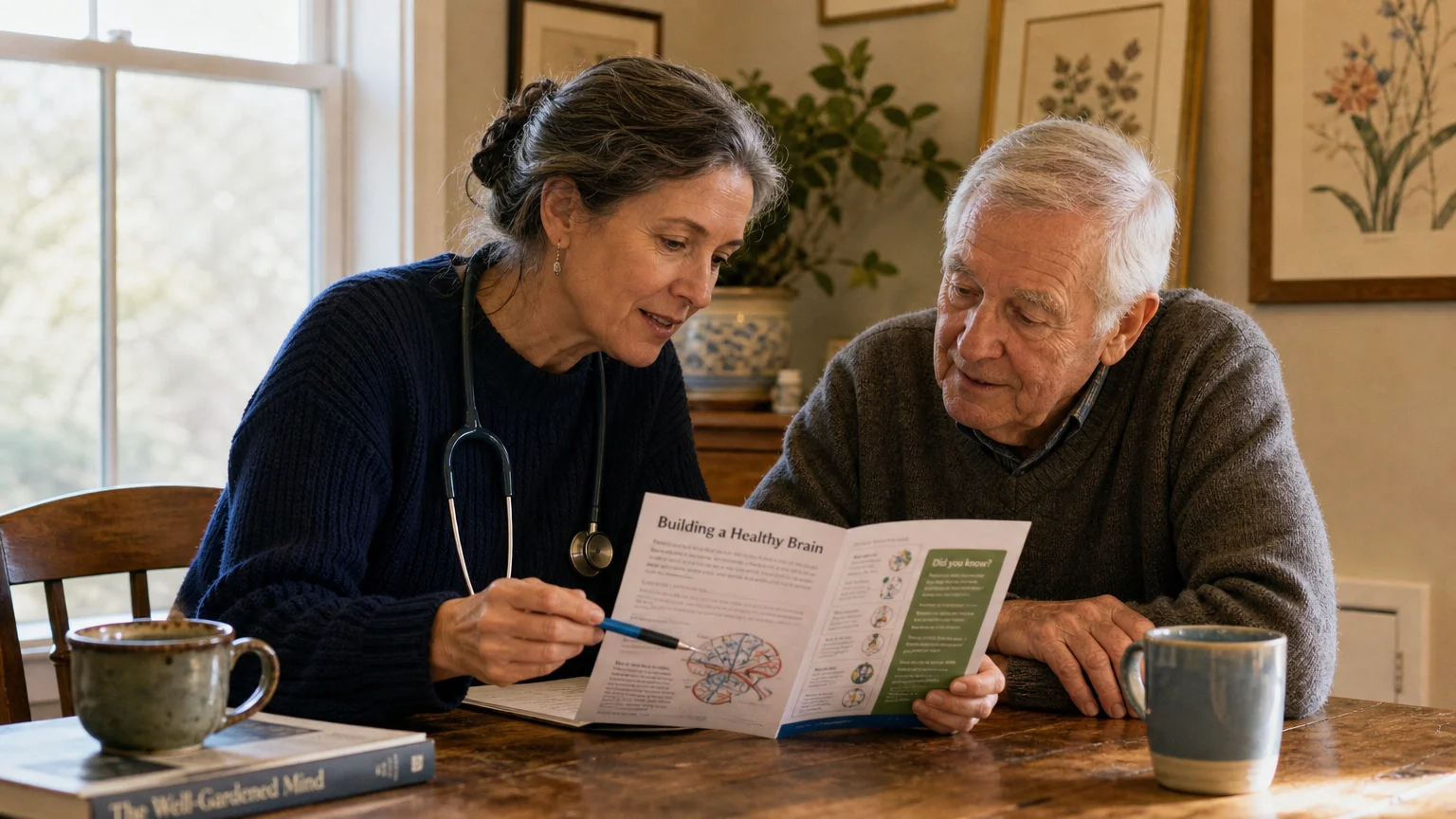
Healthcare professionals consistently observe stark differences in aging trajectories between older adults who actively challenge their minds and those who adopt a completely passive lifestyle. Geriatric specialists and clinical neuropsychologists note that the human brain operates under a strict physiological mandate: you must use your neural pathways, or you will eventually lose them. Clinicians frequently advise their aging patients to intentionally seek out activities that feel slightly frustrating at first. This initial mental friction—the intense struggle to form a difficult guitar chord or successfully conjugate a new Spanish verb—signals that the brain is actively forging vital new connections. Physical therapists and registered dietitians strongly echo this sentiment in their respective fields. They explicitly emphasize that integrating complex movement and nutrient-dense culinary habits into your daily routine creates a powerful synergistic effect, providing the physical hardware of your brain with the exact premium fuel it needs to flawlessly support new cognitive software.
Frequently Asked Questions
How much time should I dedicate to a new hobby to see cognitive benefits?
Consistency vastly outweighs sheer volume when it comes to actively building cognitive reserve. Dedicating roughly twenty to thirty minutes a day to a highly challenging activity yields far better neurological results than engaging in a single three-hour marathon session once a week. Your brain strictly requires regular, repeated exposure to new stimuli to permanently solidify neural pathways. Establish a highly predictable daily rhythm to fiercely maximize your long-term memory retention and overall neuroplasticity.
Can I start a physically demanding hobby if I have mobility issues?
Yes, you absolutely can adapt physical hobbies to perfectly match your current functional capacity. If intense hiking feels completely inaccessible due to persistent joint pain, seated Tai Chi or highly modified water aerobics provide excellent, low-impact alternatives. The primary goal involves safely elevating your heart rate and fully engaging your motor cortex, not ruthlessly pushing your body past its safe limits. You should carefully consider consulting the comprehensive resources provided by the American Physical Therapy Association to locate an expert who can quickly customize a movement strategy for you.
Are digital brain games as effective as real-world hobbies?
While digital brain training applications provide basic mental stimulation, they rarely offer the comprehensive, multi-layered benefits of rich real-world hobbies. Applications typically improve your specific ability to play that exact game, but that isolated skill does not always translate to improved memory in your daily life. Real-world activities actively engage multiple senses simultaneously and heavily involve physical movement. The Alzheimer’s Association clearly notes that multifaceted activities integrating physical, mental, and social elements consistently deliver the strongest protective effects against cognitive decline.
Should I consult my doctor before beginning these activities?
You should always actively engage your primary care physician before making any significant changes to your physical routine or established dietary habits. Hobbies that require moderate cardiovascular exertion absolutely demand a baseline of physical fitness that a licensed medical professional should thoroughly evaluate. Discussing your specific plans with your healthcare provider actively ensures that your newly chosen activities do not dangerously conflict with your current medications. Proactive medical care serves as the ultimate foundation of an active retirement.
Taking Your First Step Toward an Active Retirement
Instead of becoming deeply overwhelmed by the sheer necessity of daily cognitive maintenance, view your hard-earned retirement as an open, joyful invitation to actively explore passions you never previously had time to pursue. You do not need to immediately adopt all ten of these hobbies to effectively protect your brain; carefully selecting just one or two that genuinely pique your personal interest will confidently set you on the correct path toward sustained mental clarity. Choose one single activity that boldly sparks a flicker of intense curiosity today—whether that actively involves buying a beginner’s language workbook or rigorously researching local Tai Chi classes. Ask yourself: what brand new skill would bring me the absolute most joy to master this year? Take that single, highly manageable step tomorrow morning, and actively claim the vibrant, remarkably sharp future you fully deserve.






Leave a Reply