
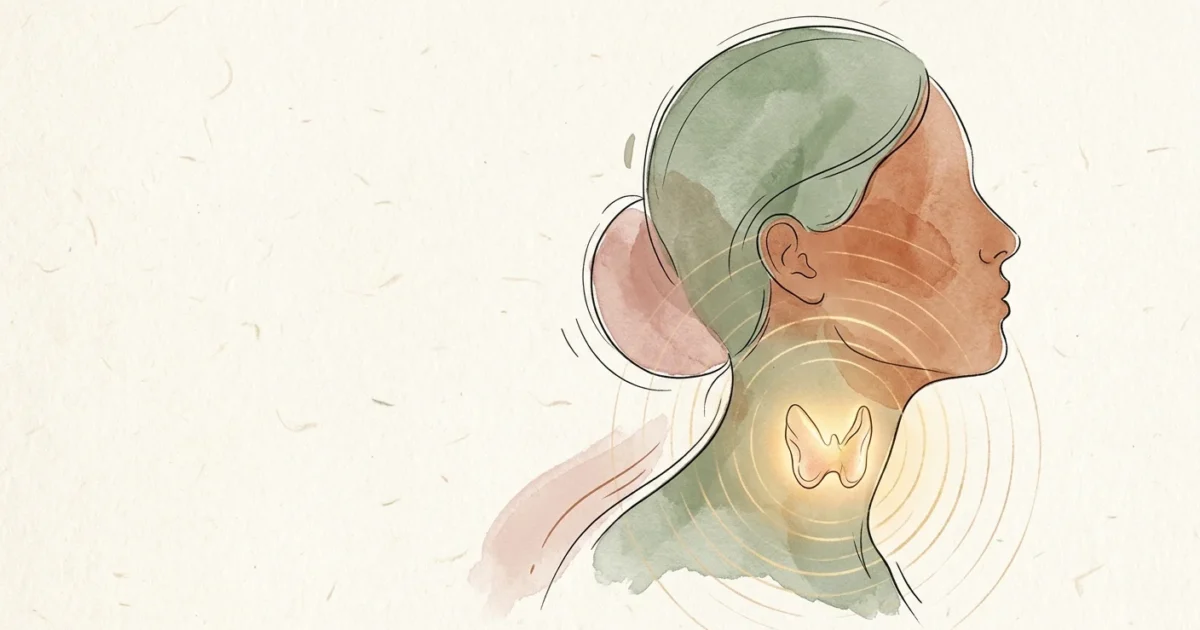
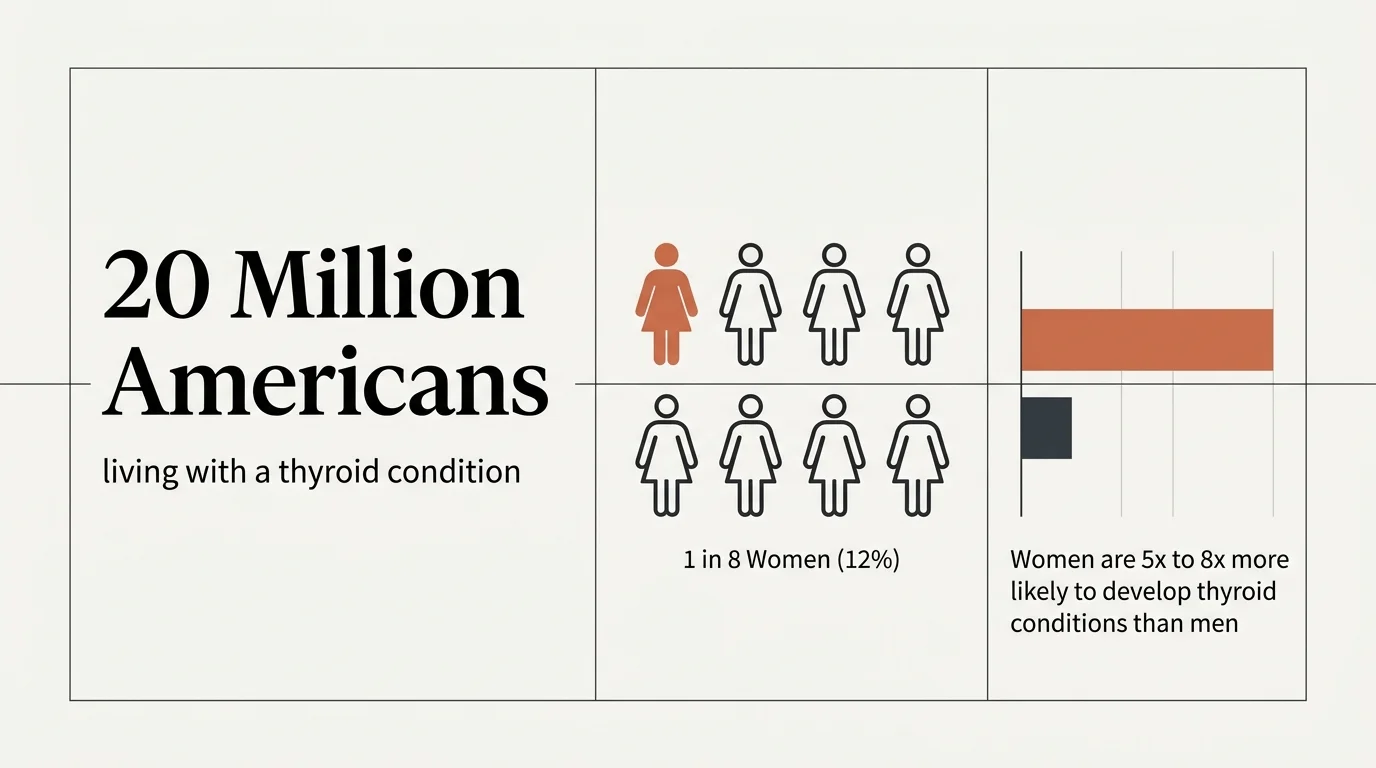
Your thyroid—a small, butterfly-shaped gland located at the base of your neck—acts as the master conductor of your body’s cellular metabolism. When this microscopic factory malfunctions, it secretes either too few or too many hormones, quietly throwing every organ system into disarray. An estimated 20 million Americans currently live with a thyroid condition, yet up to 60 percent remain completely unaware that their subtle daily symptoms stem from a glandular imbalance. Identifying the warning signs early empowers you to take control of your metabolic health, seek appropriate diagnostic testing, and restore your baseline vitality before chronic exhaustion, mood changes, or metabolic dysfunction compromise your quality of life.
Understanding the Body’s Master Regulator
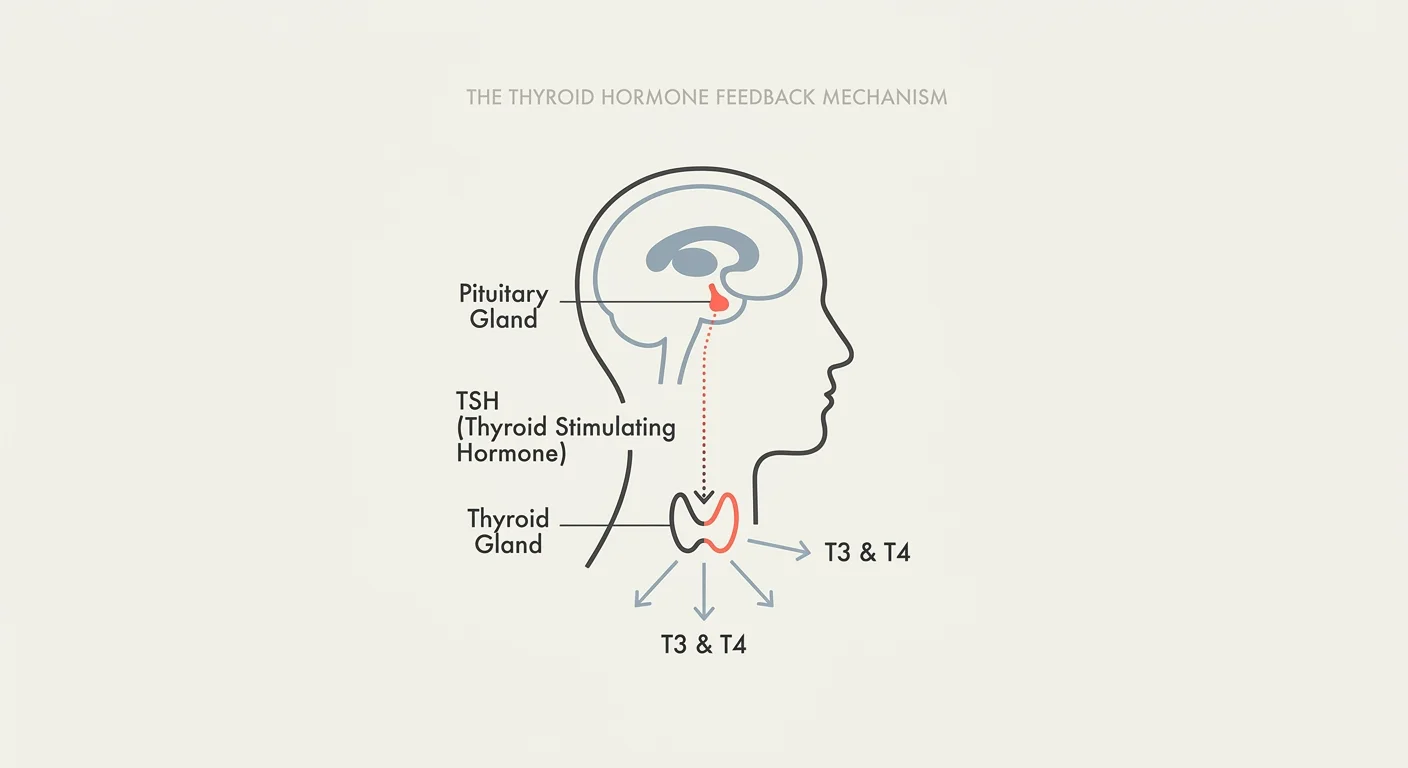
Your thyroid gland produces two primary hormones: triiodothyronine (T3) and thyroxine (T4). These chemical messengers travel through your bloodstream to regulate oxygen consumption, heat production, tissue growth, and energy utilization in virtually every cell. When your system functions smoothly, complex feedback loops between your brain and neck maintain hormone levels in exact equilibrium. However, when disease alters this delicate balance, your entire metabolic architecture shifts dramatically.
Thyroid disorders strike unequally across demographics. Clinical research published by the American Thyroid Association indicates that women are five to eight times more likely than men to experience thyroid dysfunction. In fact, approximately one in eight women—or roughly 12 percent of the female population—will develop a clinical thyroid disorder during her lifetime. Because many manifestations mirror common stressors, aging, or routine fatigue, doctors emphasize the necessity of tracking your body’s subtle warnings over time.

9 Warning Signs Your Thyroid Might Be Off
1. Unexplained Weight Changes Without Lifestyle Shifts
Unexpected fluctuations in weight often serve as the primary trigger prompting patients to schedule a medical visit. If you experience sudden, unaccountable weight gain while maintaining your usual calorie intake and exercise routine, your thyroid may have slowed down. This metabolic deceleration points toward hypothyroidism, where insufficient hormone production reduces your basal metabolic rate. Conversely, rapid weight loss despite an increased appetite often signals hyperthyroidism—a state where an overactive gland forces your body to burn energy at an unsustainable, hyperactive pace.
2. Persistent Fatigue That Sleep Cannot Fix
Feeling depleted after a grueling workweek is completely normal; waking up exhausted after eight hours of uninterrupted rest is not. Thyroid hormones directly govern your cellular mitochondria—the microscopic energy generators inside your cells. When hormone levels plummet, your cells fail to produce adequate adenosine triphosphate (ATP), leaving you feeling drained at a cellular level. Doctors distinguish ordinary tiredness from thyroid exhaustion by its persistence; no amount of extra sleep, caffeine, or relaxation seems to restore your baseline stamina.
3. Uncomfortable Temperature Sensitivity
Do you constantly bundle up in sweaters while everyone else in the room feels comfortable? Or do you find yourself sweating profusely in mild, climate-controlled environments? Your thyroid acts as your body’s internal thermostat. In hypothyroidism, reduced cellular activity generates less thermal energy, causing persistent cold intolerance, icy hands, and chilly feet. Hyperthyroidism exerts the exact opposite effect, overstimulating metabolic heat generation, inducing hot flashes, and triggering excessive night sweats even during cool weather.
4. Mood Disturbances, Anxiety, and Brain Fog
Thyroid hormones exert profound effects on central nervous system chemistry and brain function. Patients dealing with an underactive thyroid frequently report pervasive brain fog, sluggish working memory, reduced concentration, and depressive feelings that resist typical psychological interventions. On the hyperactive end of the spectrum, excessive thyroid hormone overstimulates the nervous system, frequently manifesting as relentless anxiety, panic attacks, irritability, nervousness, and emotional reactivity that feels entirely out of character.
5. Hair Thinning, Brittle Nails, and Dry Skin
Because skin cells, hair follicles, and nail beds demand rapid cellular turnover, they depend heavily on precise thyroid hormone signaling. Hypothyroidism slows skin cell regeneration, yielding rough, dry, or scaly patches, along with brittle nails that crack easily. It also causes diffuse hair shedding across your scalp and may lead to a distinctive thinning of the outer third of your eyebrows. Hyperthyroidism produces distinct dermatological changes as well, including abnormally thin, fragile skin and fine, fragile hair texture.
6. Menstrual Irregularities and Reproductive Shifts
Thyroid hormones interact directly with sex steroid hormones and ovarian tissue function. Consequently, glandular disruptions frequently disrupt menstrual cycles and reproductive health. Hypothyroidism often triggers unusually heavy, painful, or prolonged periods, along with shorter intervals between cycles. Hyperthyroidism, by contrast, frequently causes lighter, infrequent, or completely absent menstrual periods. Both conditions can interfere with ovulation, presenting challenges for individuals attempting to conceive.
7. Unexplained Muscle Weakness and Joint Aches
When your thyroid gland fails to output adequate chemical signaling, your musculoskeletal system experiences tangible strain. Hypothyroidism frequently leads to generalized muscle cramping, stiffness, joint pain, and fluid retention in the extremities, such as carpal tunnel syndrome in the wrists. Hyperthyroidism breaks down muscle tissue at an accelerated rate, causing proximal muscle weakness—making simple, daily tasks like climbing stairs, lifting groceries, or reaching overhead feel unusually strenuous.
8. Heart Rate Fluctuations and Cardiac Palpitations
Your cardiovascular system responds rapidly to shifts in circulating thyroid hormone levels. An underactive thyroid decreases your heart rate (bradycardia), reduces cardiac contractility, and elevates peripheral vascular resistance, which can raise your diastolic blood pressure. Conversely, an overactive thyroid overstimulates cardiac tissues, causing a rapid resting heart rate (tachycardia), elevated systolic blood pressure, fluttery heart palpitations, or even dangerous irregular heart rhythms like atrial fibrillation.
9. Digestive Disruptions and Neck Swelling
Your gastrointestinal tract relies on thyroid signaling to regulate smooth muscle contraction and peristalsis. Hypothyroidism dramatically slows digestive motility, leading to chronic constipation, abdominal bloating, and poor nutrient absorption. Hyperthyroidism accelerates transit times, resulting in frequent loose stools or diarrhea. Additionally, localized swelling at the base of your neck—known as a goiter—or persistent tightness, hoarseness, and difficulty swallowing warrants immediate evaluation by a healthcare clinician.
Science Snapshot: Autoimmunity and Rising Diagnosis Rates
To understand why thyroid disorders occur, researchers examine systemic autoimmune activity and demographic trends. Clinical research tracked across U.S. health databases reveals that the diagnosed rate of hypothyroidism rose steadily from 9.5 percent in 2012 to 11.7 percent in 2019, with the highest prevalence appearing among females and adults over age 60. You can review epidemiological data directly through the National Institutes of Health PubMed Central repository.
In iodine-sufficient regions like North America, the leading cause of hypothyroidism is Hashimoto’s thyroiditis—an autoimmune disorder where your immune system mistakenly attacks thyroid tissue, causing chronic inflammation and progressive loss of hormone production. On the hyperthyroid spectrum, Graves’ disease stands as the primary autoimmune culprit, stimulating the thyroid receptor continuously and forcing excessive hormone synthesis. Recognizing these underlying autoimmune mechanics allows physicians to design targeted treatment strategies rather than simply managing isolated symptoms.

Actionable Strategy Pillars for Thyroid Support
Pillar 1: Medical Care and Complete Diagnostic Testing
If you suspect a thyroid issue, taking action begins with accurate, comprehensive laboratory testing. Requesting a basic Thyroid Stimulating Hormone (TSH) test provides a good starting point, but a standard TSH screening alone does not always reveal the full clinical picture. Partner with your physician to order a complete thyroid panel that evaluates TSH, Free T3, Free T4, Thyroid Peroxidase (TPO) antibodies, and Thyroglobulin antibodies. Review updated diagnostic parameters from the Centers for Disease Control and Prevention to ensure your lab evaluations match current clinical standards.
Pillar 2: Targeted Micronutrient and Dietary Support
Nutrition plays a vital supporting role in optimizing thyroid hormone synthesis and conversion. Your gland requires adequate levels of trace minerals—specifically selenium, zinc, and iodine—to manufacture T4 and efficiently convert it into active T3 in your liver and peripheral tissues. Focus on nutrient-dense whole foods, such as Brazil nuts for selenium, pumpkin seeds for zinc, and wild seafood or seaweed for natural iodine. If you suffer from Hashimoto’s thyroiditis, consult a registered dietitian regarding an anti-inflammatory diet, as clinical evidence suggests reducing gluten and processed foods may decrease systemic antibody burden.
Pillar 3: Adaptive Movement and Nervous System Balance
Chronic elevation of stress hormones like cortisol can suppress hypothalamic-pituitary-thyroid (HPT) axis function, worsening thyroid symptoms. Tailor your physical activity to match your current hormonal capacity. If you suffer from active hypothyroidism or exhaustion, replace high-intensity interval training with restorative movement—such as gentle walking, resistance training, or low-impact yoga—to avoid overloading your adrenal system. Prioritize seven to nine hours of quality sleep nightly to encourage tissue repair and support baseline metabolic regulation.

Real Voices: Clinical Perspectives on Thyroid Care
Endocrinologists emphasize that thyroid health requires personalized, attentive clinical care rather than a one-size-fits-all protocol. Dr. Elena Vance, a practicing clinical endocrinologist, notes that many patients suffer unnecessarily for years because their initial blood work falls within broad laboratory ranges despite clear physical symptoms. Clinicians recommend maintaining a detailed journal documenting your energy levels, temperature preferences, cycle regularity, and weight shifts before your medical appointment.
Functional medicine practitioners also emphasize looking beyond isolated lab numbers to evaluate social determinants of health, stress levels, and daily access to fresh, whole foods. When you bring concrete symptom logs to your healthcare provider, you transform your medical visit into a collaborative effort, helping your physician tailor medication dosages and lifestyle recommendations to your exact physiological needs.
Frequently Asked Questions About Thyroid Health
Can daily stress directly cause a thyroid disorder?
While chronic stress does not directly trigger autoimmune thyroid conditions like Hashimoto’s on its own, prolonged elevation of cortisol disrupts the pituitary gland’s signaling to your thyroid. High stress levels suppress the conversion of inactive T4 into active T3, magnifying thyroid problem symptoms. Managing chronic stress forms a critical component of any broader medical strategy.
What specific blood test is best for evaluating thyroid function?
Although TSH is the initial screening standard, a complete panel measuring TSH, Free T4, Free T3, and TPO antibodies offers a far clearer diagnostic portrait. Free T3 measures the active hormone available to your cells, while TPO antibodies confirm or rule out underlying autoimmune activity. Discuss comprehensive testing options directly with your healthcare provider.
How long does it take to feel better after starting thyroid treatment?
Most patients begin noticing improvements in energy, mood, and mental clarity within two to four weeks of starting synthetic thyroid hormone replacement like levothyroxine. However, establishing your optimal medication dose often requires periodic blood checks every six to eight weeks, meaning full clinical recovery may take three to six months of careful titration.
Can diet and natural supplements cure thyroid disease completely?
Dietary adjustments and targeted supplements significantly support cellular health, reduce autoimmune inflammation, and improve symptom management, but they rarely replace medical therapy when structural thyroid failure occurs. Always consult a qualified endocrinologist or primary care physician before altering your treatment plan or starting new supplements.
Taking Your First Step Toward Balance
Regaining control over your metabolic health begins with a single, structured choice. If you recognized several warning signs outlined in this guide, take ten minutes today to outline your specific daily symptoms, noting when they began and how severely they impact your routine. Share these observations with a trusted healthcare provider to request a comprehensive thyroid laboratory evaluation. Learn more about worldwide metabolic health initiatives through the World Health Organization. What small step will you take today to listen to your body and prioritize your long-term wellbeing?








Leave a Reply