

A single isolated symptom like a mild headache or temporary fatigue often points to simple dehydration, but symptom combinations completely alter the clinical picture. When distinct warning signs emerge simultaneously, your body usually signals an acute systemic event that demands immediate emergency evaluation rather than a cautious wait-and-see approach. Recognizing warning sign combinations requiring ER visit protocols can preserve vital organ function, prevent long-term disability, and save your life. Emergency physicians rely heavily on these overlapping clinical indicators to triage life-threatening conditions like stroke, sepsis, or acute coronary syndrome. Understanding how these critical signals interact equips you to act swiftly when time-sensitive emergencies strike.

Understanding Triage: Why Symptom Combinations Matter
Your body functions as an interconnected web of organ systems; when a primary organ experiences severe distress, secondary systems trigger rapid physiological compensations to maintain basic survival. For instance, if your heart struggles to pump oxygenated blood efficiently, your respiratory rate increases, your vascular system constricts, and your brain signals acute panic. This physiological domino effect explains why symptoms together mean emergency care is vital; a solitary symptom rarely reveals the full scope of internal physiological collapse.
According to clinical research published by the National Institutes of Health, medical triage protocols prioritize multi-system presentation because combined symptoms correlate directly with higher morbidity and mortality risks. When two or three organ systems present distress concurrently—such as the neurological, cardiovascular, and respiratory systems—the probability of an acute, irreversible event escalates dramatically. Recognizing combined emergency symptoms allows non-medical professionals to bypass dangerous delays and seek immediate life-saving care.

7 Critical Symptom Combinations That Signal a Medical Emergency
Knowing when multiple symptoms together are serious can transform you from a passive observer into an effective advocate for your own health or the health of a loved one. Emergency medical personnel train extensively to spot specific clusters of symptoms that point toward time-critical medical crises. Below are seven symptom combinations that require an immediate call to emergency medical services or an urgent trip to the nearest emergency department.
1. Chest Pressure, Shortness of Breath, and Radiating Body Pain
Squeezing chest pressure accompanied by severe shortness of breath and pain radiating into your left arm, neck, jaw, or upper back forms the classic presentation of acute coronary syndrome. According to cardiac emergency guidelines from the American Heart Association, this cluster signals myocardial infarction, commonly known as a heart attack. Women often experience subtle variations, including nausea, sudden cold sweats, and overwhelming exhaustion alongside mild chest discomfort. Delaying medical evaluation during a cardiac event leads to permanent heart muscle damage, making immediate emergency transport essential.
2. Facial Drooping, Arm Weakness, and Slurred Speech
If you notice one side of your face drooping, sudden weakness or numbness in one arm, and slurred or scrambled speech, you are witnessing a neurological emergency. The Centers for Disease Control and Prevention emphasizes the FAST protocol (Face, Arms, Speech, Time) because every minute counts during an ischemic or hemorrhagic stroke. Brain tissue dies rapidly without adequate blood flow; immediate administration of thrombolytic therapy or surgical intervention can reverse neurological deficits if delivered within narrow therapeutic timeframes.
3. High Fever, Confusion, Shortness of Breath, and Rapid Heartbeat
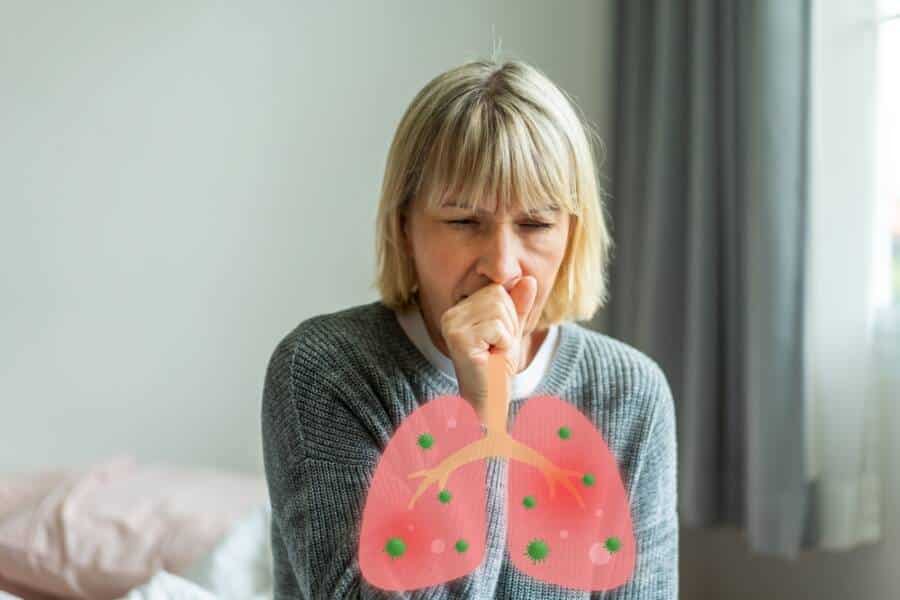
A spiking fever combined with mental confusion, rapid shallow breathing, and a racing pulse signals sepsis, a severe medical emergency caused by the body’s toxic response to an underlying infection. Global health protocols from the World Health Organization highlight sepsis as a leading cause of preventable hospital deaths worldwide. Sepsis quickly triggers widespread tissue damage, organ failure, and lethal drops in blood pressure. You must seek emergency treatment immediately if an infection suddenly escalates into this devastating systemic response.
4. Sudden “Thunderclap” Headache, Stiff Neck, and Light Sensitivity
An excruciating headache that reaches peak intensity within seconds—often described as the worst headache of your life—combined with neck stiffness and extreme light sensitivity demands urgent emergency assessment. According to neurological research from the National Institute of Neurological Disorders and Stroke, this cluster frequently points to a subarachnoid hemorrhage, which involves bleeding around the brain, or acute bacterial meningitis. Both conditions elevate intracranial pressure rapidly and can cause permanent brain injury or death without prompt neurosurgical or intravenous antibiotic intervention.
5. Severe Abdominal Pain, High Fever, and Persistent Vomiting
Intense, progressive abdominal pain—particularly pain localized in the lower right quadrant or diffusely across the entire abdomen—paired with a rising fever and persistent vomiting suggests a surgical emergency. Conditions like acute appendicitis with perforation, ruptured diverticulitis, bowel ischemia, or severe gallbladder infection require swift surgical intervention. Ignoring these symptoms allows bacteria and inflammatory toxins to spill into the abdominal cavity, precipitating life-threatening peritonitis and septic shock.
6. Sudden Shortness of Breath, Sharp Chest Pain, and Unilateral Calf Swelling
Unexplained breathlessness paired with sharp chest pain that worsens when you take a deep breath and localized swelling or tenderness in one calf indicates a pulmonary embolism. This life-threatening condition occurs when a deep vein thrombosis in the leg breaks free and travels through the circulatory system into the pulmonary arteries. Prompt administration of anticoagulant medication or clot-dissolving therapies prevents fatal blockages in your lung circulation.
7. Sudden Vision Loss, Acute Confusion, and Loss of Balance
A sudden loss or darkening of vision in one or both eyes, accompanied by sudden confusion, dizziness, or loss of physical coordination, signals a critical cerebrovascular emergency. These combined symptoms can indicate a transient ischemic attack, a stroke in progress, acute retinal artery occlusion, or a severe hypertensive crisis. Immediate clinical assessment by emergency specialists is necessary to restore vascular flow and preserve both your sight and neurological function.

Actionable Pillars for Managing Acute Medical Risks
Navigating a health crisis effectively requires preparation, emotional regulation, and a clear understanding of systemic healthcare resources. By incorporating these three foundational pillars into your health strategy, you ensure quick, decisive action during acute medical emergencies.
Pillar 1: Emergency Preparedness and Clear Communication
Keep a digital and paper record of your medical history, current prescription medications, known allergies, and primary physician contact details readily available. Store emergency contact details on your mobile phone’s lock screen. When calling emergency medical services, speak clearly, describe all active symptoms concurrently, and emphasize any history of heart disease, diabetes, or prior vascular events. Clear communication helps dispatchers send specialized life-support personnel to your location immediately.
Pillar 2: Navigating Healthcare Access and Systemic Barriers
Socioeconomic factors, transportation limitations, and language barriers frequently delay emergency medical care. Federal law in the United States requires emergency departments to stabilize and treat any individual seeking care, regardless of insurance status or ability to pay. If language access poses a barrier, request a certified medical interpreter immediately upon arrival. Utilizing emergency ambulance services provides vital pre-hospital care and diagnostic monitoring while ensuring rapid triage upon arrival at the facility.
Pillar 3: Psychological Regulation During Severe Health Events
Panic severely impairs cognitive function and decision-making during a health crisis. Practice grounding techniques such as controlled box breathing—inhaling for four seconds, holding for four seconds, exhaling for four seconds, and pausing for four seconds—if you notice acute warning signs in yourself or others. Maintaining a calm, structured mindset allows you to focus on executing your safety plan, calling emergency services without delay, and accurately reporting symptom timelines to triage clinicians.

Clinical Perspectives and Expert Guidance
Emergency medicine specialists continuously emphasize the critical value of early intervention. Dr. Elena Rostova, an emergency triage physician, notes that patients frequently delay seeking care because they hope individual symptoms will resolve independently. However, when multiple symptoms present together, the physiological margin for error shrinks rapidly. “We far prefer evaluating a patient who turns out to have a non-critical condition than treating someone who waited hours while myocardial or brain tissue deteriorated,” explains Dr. Rostova. Triage nurses rely on your detailed description of symptom onset and progression, so tracking exactly when each symptom appeared provides invaluable diagnostic clues during your initial emergency room assessment.
Frequently Asked Questions
What should I do if I experience two symptoms from different categories simultaneously?
If you experience two or more acute symptoms across different systems—such as chest discomfort alongside neurological confusion—treat the situation as a medical emergency. Contact emergency services immediately. Combining symptoms often points to systemic dysfunction that demands comprehensive clinical diagnostics, including blood work, electrocardiograms, or advanced diagnostic imaging.
How do emergency medical services differ from driving myself to the hospital?
Calling emergency medical services brings specialized emergency equipment and trained paramedics directly to your location. Paramedics begin life-saving interventions, administer oxygen, monitor cardiac rhythms, and alert the hospital emergency department before your arrival. Driving yourself or having someone else drive you risks sudden condition deterioration en route without medical support.
Can chronic health conditions mask acute symptom combinations?
Yes, long-standing conditions like diabetic neuropathy, chronic heart failure, or autoimmune disorders can alter standard pain responses and symptom presentations. Diabetic individuals, for example, may experience silent heart attacks characterized by unexplained fatigue and shortness of breath rather than classic chest pain. Always consult your healthcare provider to understand how your chronic diagnoses alter your personal emergency warning signs.
What rights do I have if I lack health insurance during a medical emergency?
Under the Emergency Medical Treatment and Labor Act, Medicare-participating hospitals with emergency departments must provide a medical screening examination and stabilizing treatment to anyone seeking care for an emergency medical condition, regardless of insurance status, income, race, or nationality. Never delay emergency medical care due to financial concerns.
Taking Your Next Step Toward Personal Safety
Understanding how symptom combinations signal acute medical events empowers you to protect yourself and your loved ones. Take a practical step today by updating the emergency medical ID card on your smartphone and reviewing these seven symptom combinations with your family members. Ask yourself: do you and your household know exactly what steps to take if someone displays signs of a stroke or cardiac event? Discussing these scenarios in advance transforms anxiety into actionable confidence, ensuring you respond quickly and effectively when every second counts.






Leave a Reply