

Your morning coffee might quietly dismantle the life-saving potential of your daily prescriptions. Pairing coffee with specific medicines can slash drug absorption by half or trigger unpredictable adverse reactions.
You do not need to give up your cherished morning ritual to protect your therapy. Learning how caffeine, acidity, and polyphenols interact with human physiology empowers you to optimize both your wellness and your daily joy.
Understanding strategic medication timing ensures that your body absorbs every critical milligram. Here is how you can safeguard your prescriptions while keeping your favorite roast in your daily routine.
The Biological Clash Between Caffeine and Pharmaceuticals
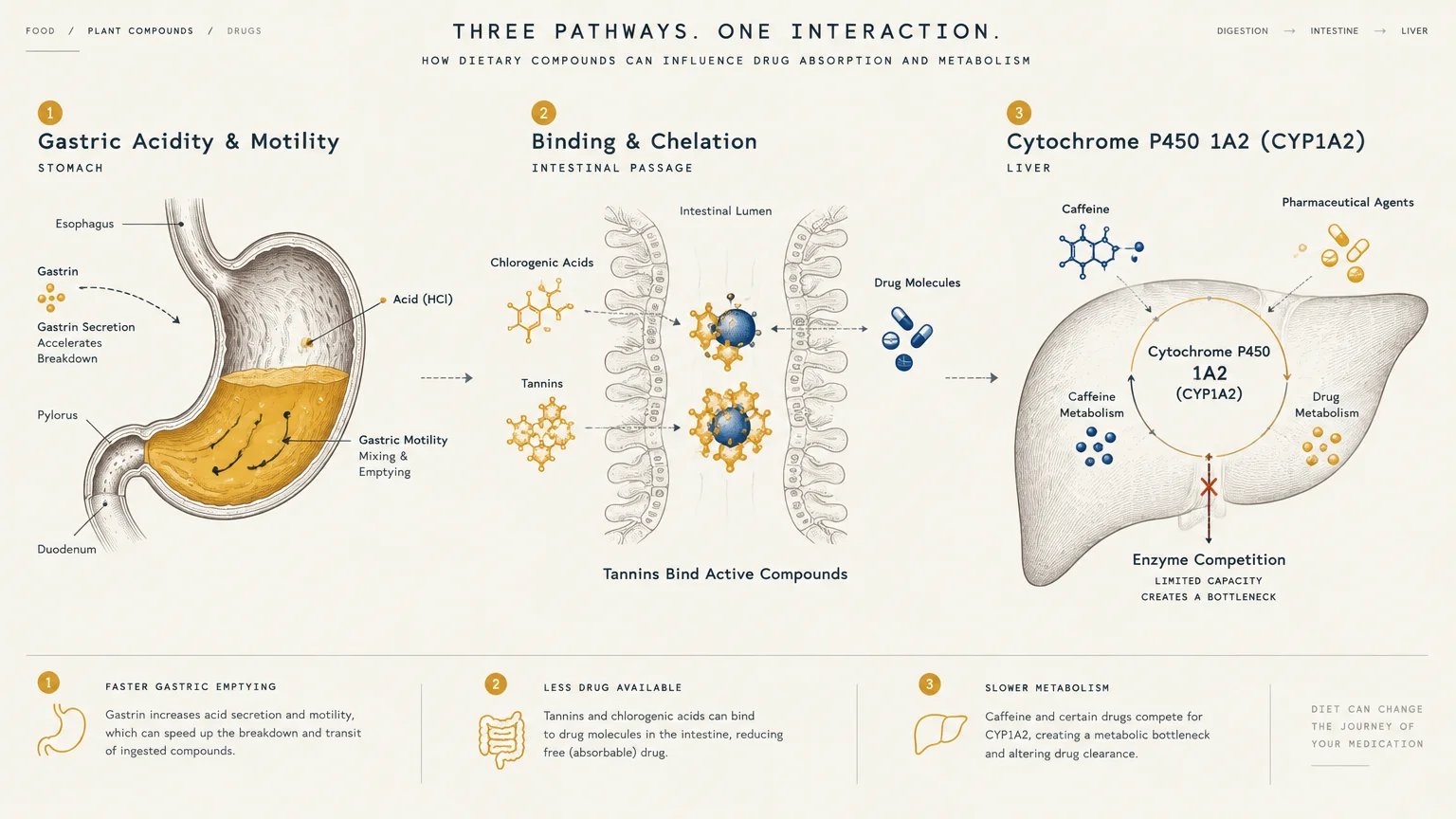
Coffee interacts with pharmaceuticals through several distinct biochemical pathways within your gastrointestinal tract. It alters gastric acidity, accelerates bowel motility, and chemically binds to active pharmaceutical ingredients.
Your stomach pH changes rapidly when coffee stimulates excess gastrin secretion. This acidic surge alters how tablets disintegrate, dissolve, and pass into your small intestine.
Research published by the National Institutes of Health demonstrates that coffee compounds actively compete for crucial metabolic pathways. Specifically, the cytochrome P450 1A2 liver enzyme processes both caffeine and numerous therapeutic compounds.
When coffee monopolizes these liver enzymes, drug molecules linger in your bloodstream far longer than intended. This metabolic bottleneck increases the likelihood of cumulative toxicity and uncomfortable adverse events.
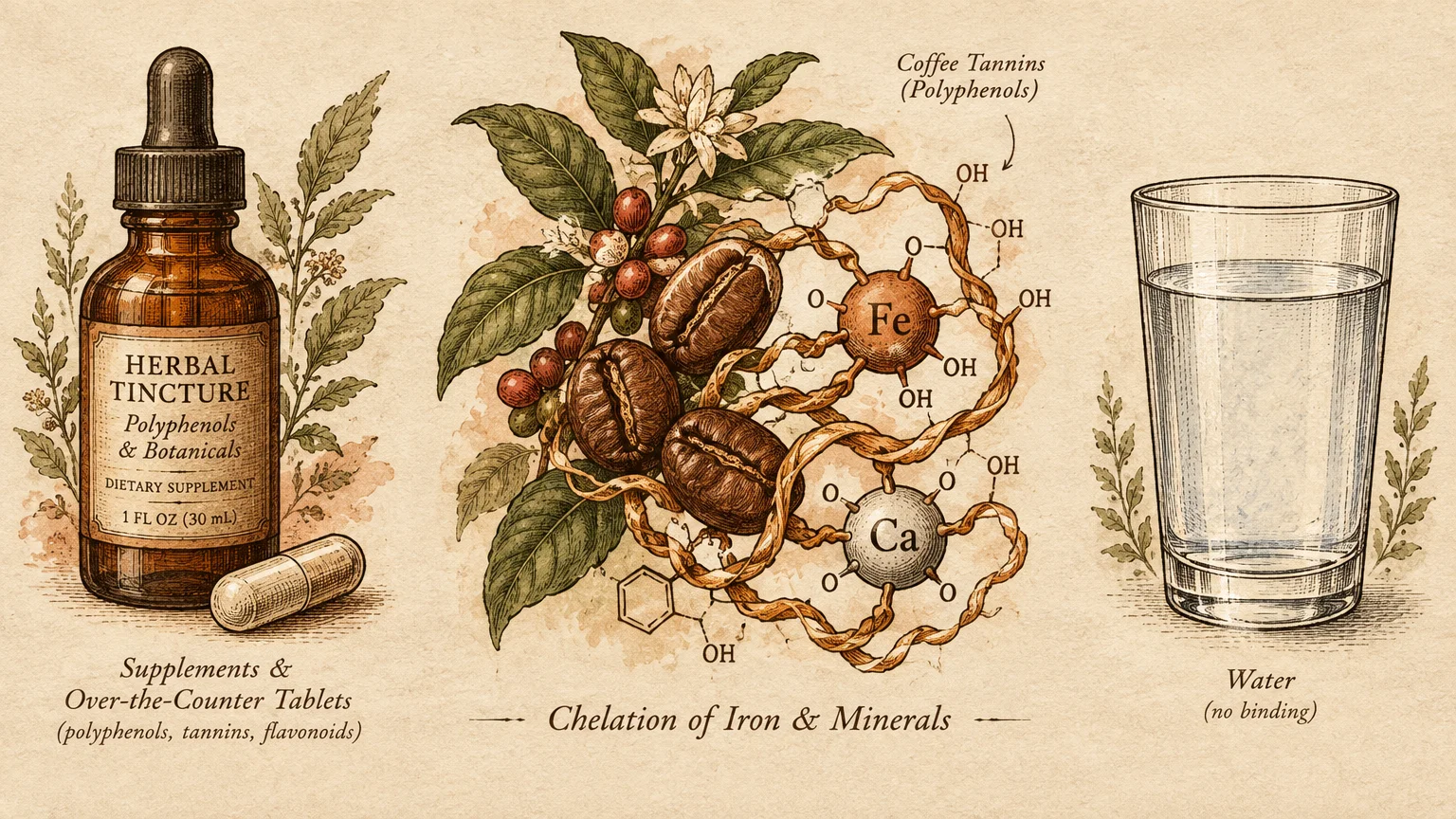
Furthermore, tannins and chlorogenic acids in brewed coffee act as potent chelating agents. They bind tightly to mineral molecules and complex drug structures, dragging them out through the intestines unabsorbed.
Thyroid Medications and Hormone Replacements
Thyroid hormone replacement therapy requires strict adherence to delicate absorption protocols. Millions of individuals rely on synthetic levothyroxine every morning to maintain healthy metabolic function.
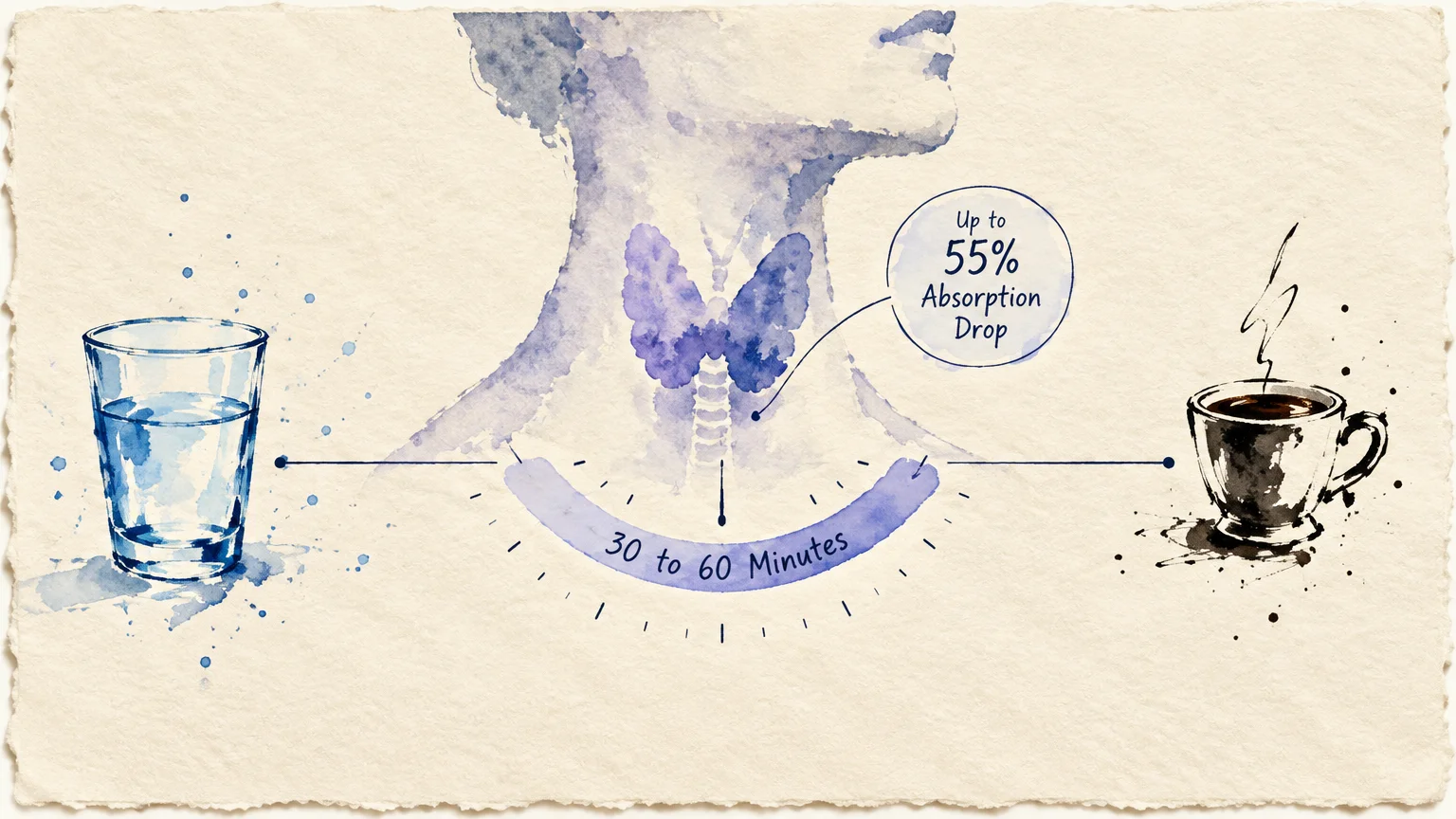
Drinking coffee alongside your levothyroxine can reduce intestinal absorption by up to 55 percent. The coffee binds the hormone in your digestive tract, preventing it from entering your systemic circulation.
Patients frequently complain of persistent hypothyroid symptoms despite taking high prescribed doses. Chronic fatigue, unexpected weight gain, and brain fog often stem directly from this unrecognized breakfast collision.
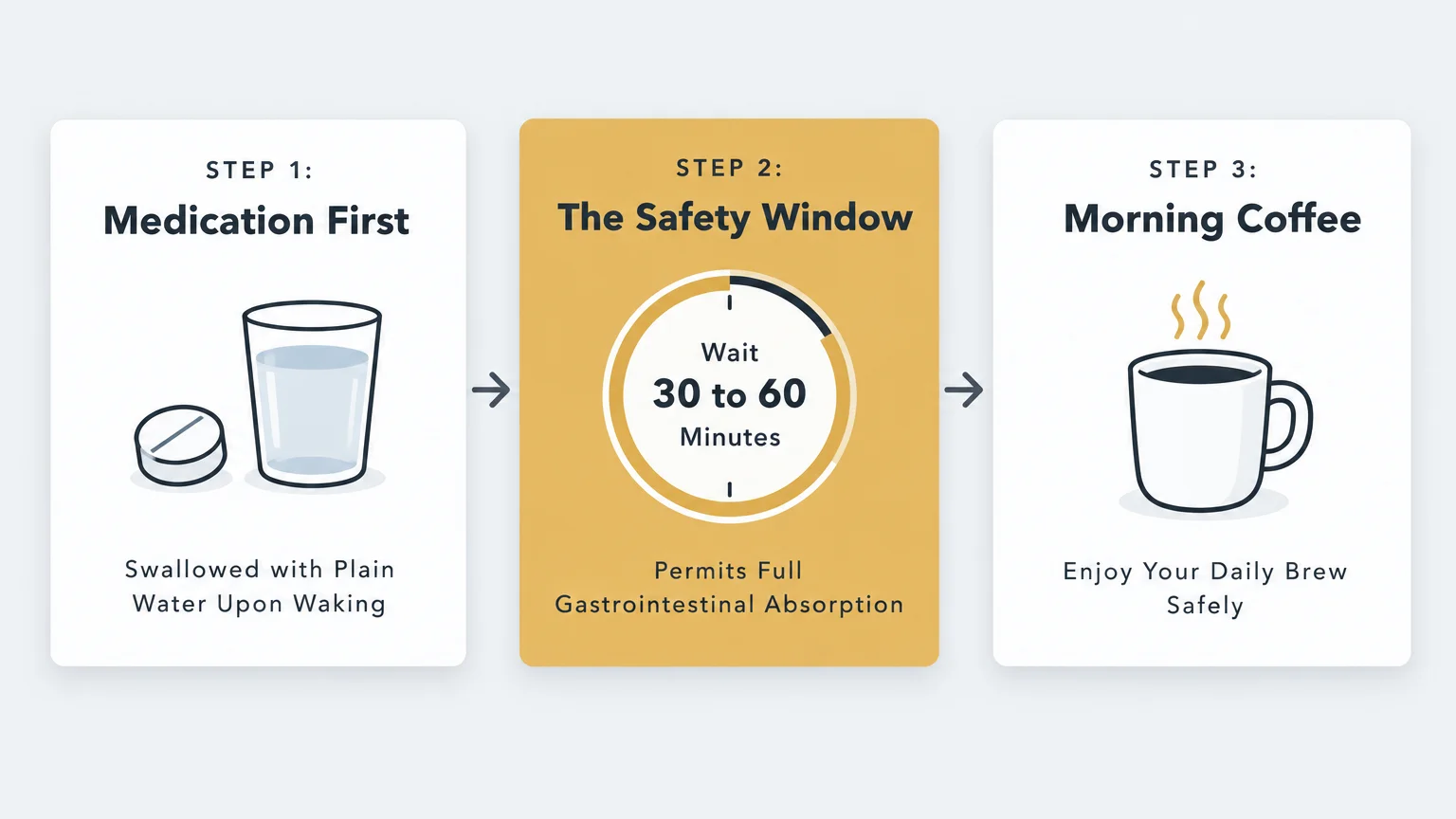
Clinical guidelines from the American Thyroid Association advise taking levothyroxine on an empty stomach with plain water. You should wait at least 30 to 60 minutes before sipping your first morning brew.
Osteoporosis Treatments and Bone Density Protectants
Oral bisphosphonates treat osteoporosis and restore declining bone mineral density. Common examples include alendronate, risedronate, and ibandronate.
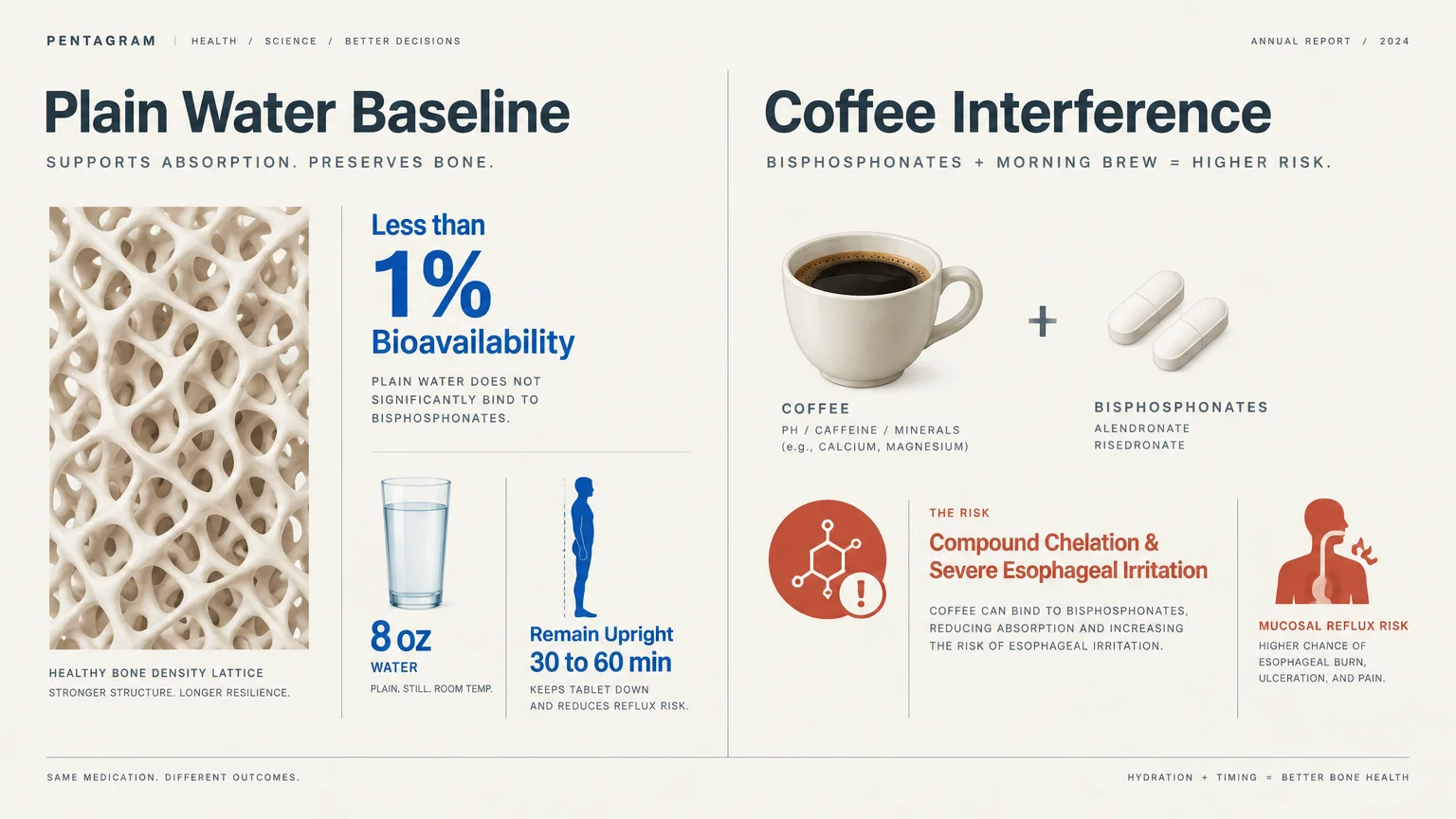
These medications suffer from notoriously poor bioavailability even under ideal physiological conditions. When swallowed with water alone, your gastrointestinal tract absorbs less than one percent of the active drug dose.
Adding coffee to the equation virtually wipes out that tiny percentage entirely. Coffee compounds bind directly to bisphosphonate molecules, rendering the therapy ineffective for bone reconstruction.
Furthermore, bisphosphonates cause severe irritation to the delicate mucosal lining of your esophagus. Combining them with acidic coffee markedly increases your risk of painful reflux, ulcers, and chemical esophagitis.
Take your bisphosphonate upon waking with eight ounces of plain water. Remain upright and wait 30 to 60 minutes before having food or coffee.
Cardiovascular Drugs and Blood Pressure Regulators
Managing cardiovascular health requires precise hemodynamic control. Millions take beta-blockers such as metoprolol, atenolol, or propranolol to lower blood pressure and steady irregular heart rhythms.
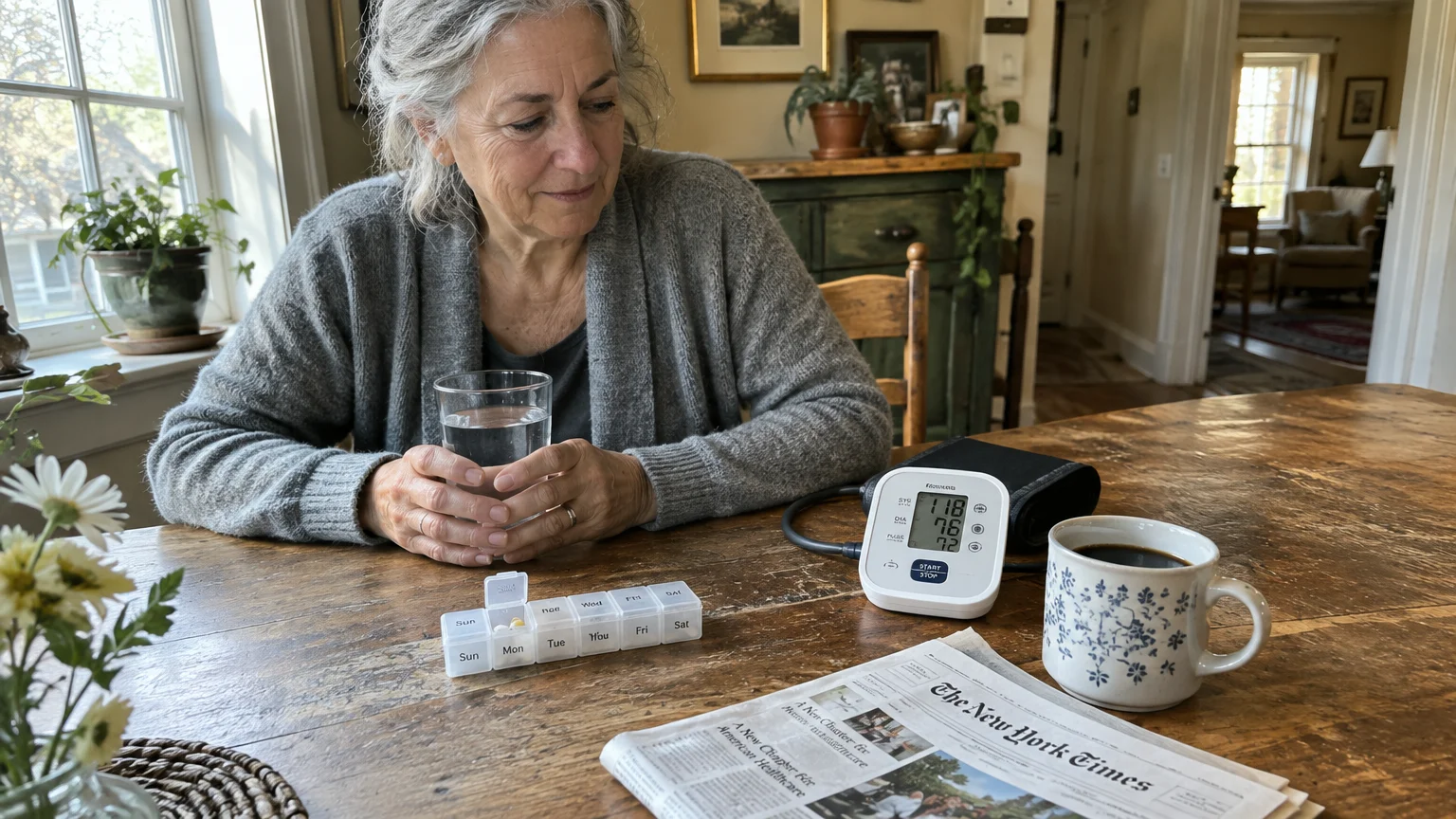
Caffeine acts as a central nervous system stimulant that naturally elevates heart rate and vascular resistance. Consuming it simultaneously with beta-blockers creates an antagonistic physiological tug-of-war.
The stimulant properties of coffee actively counteract the calming, antihypertensive effects of your medication. This opposition can leave your blood pressure elevated despite your diligent daily adherence.
Calcium channel blockers like amlodipine also demand caution when paired with regular caffeine intake. The American Heart Association emphasizes monitoring how daily stimulants influence your cardiovascular stability.
Additionally, combining coffee with diuretics like hydrochlorothiazide accelerates fluid loss. Rapid electrolyte shifts can induce muscle cramps, dizziness, and irregular heartbeats.
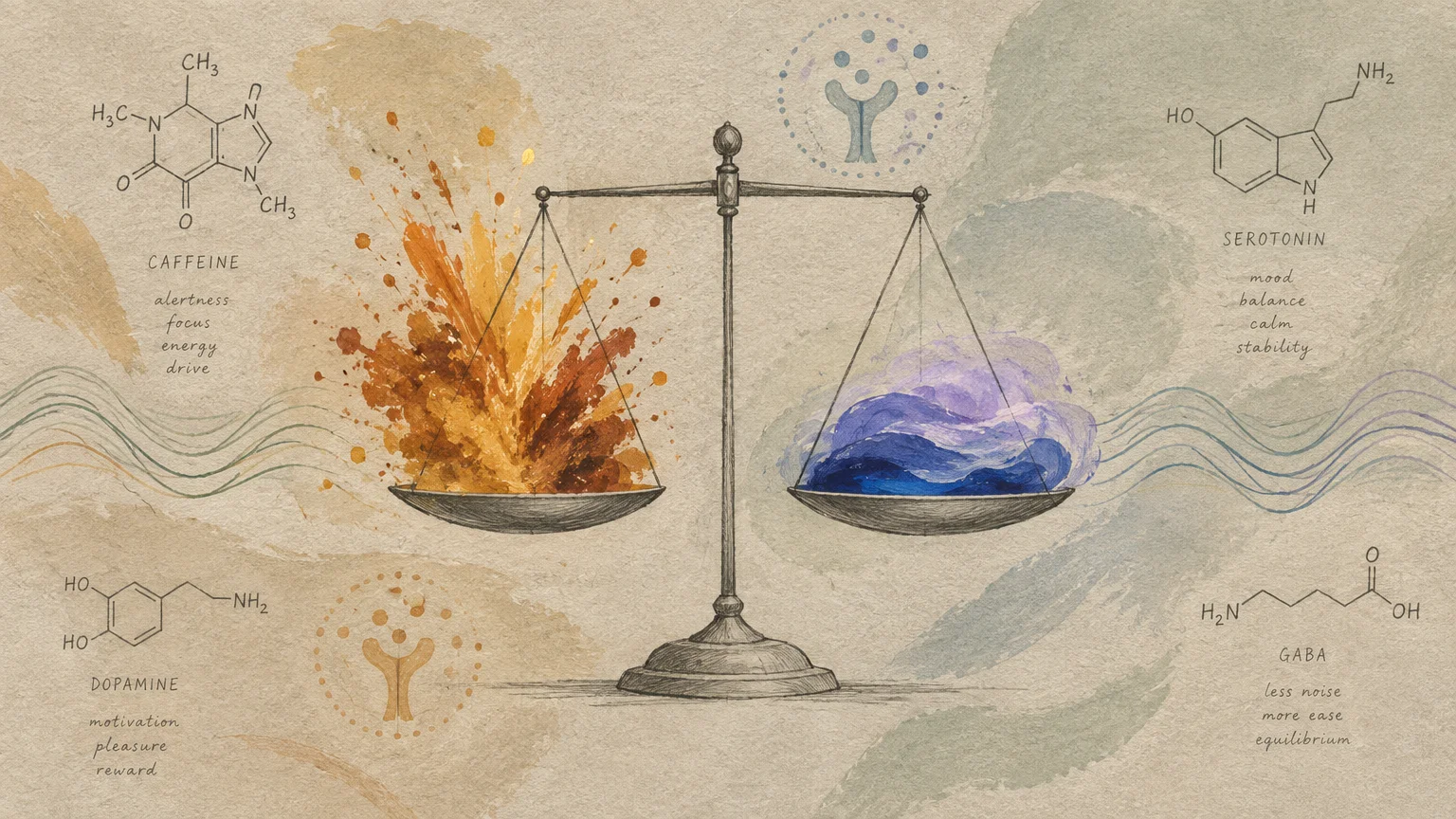
Psychiatric Medications and Mood Stabilizers
Central nervous system medications interact heavily with dietary stimulants. Antidepressants, anxiolytics, and mood stabilizers rely on delicate neurochemical balances that caffeine can easily disrupt.
Fluvoxamine, an SSRI, dramatically inhibits caffeine breakdown. This interaction can multiply caffeine levels fivefold, triggering intense agitation, insomnia, and palpitations.
Tricyclic antidepressants, including amitriptyline and imipramine, show markedly reduced absorption when swallowed with coffee. The polyphenols in your cup precipitate the active ingredients before your intestines absorb them.
Lithium requires exceptional clinical vigilance because caffeine directly influences how your kidneys filter the drug. Sudden fluctuations in your daily coffee intake can cause lithium levels to plummet or surge dangerously.
Antipsychotic medications like clozapine and olanzapine also share the CYP1A2 metabolic clearance route. High coffee intake can cause clozapine to accumulate to toxic concentrations in your bloodstream.

Diabetes Medications and Glycemic Regulators
Regulating blood glucose demands careful harmony between food, physical activity, and pharmacological support. Insulin, metformin, and sulfonylureas work diligently to stabilize your post-meal blood sugar levels.
Acute caffeine intake can temporarily blunt systemic insulin sensitivity in skeletal muscle and liver tissue. When caffeine triggers adrenaline release, your liver pours stored glucose back into your circulation.
This surge counteracts the therapeutic intention of your glucose-lowering prescriptions. You might notice stubbornly high morning readings even after eating a balanced, low-glycemic breakfast.
Modern oral GLP-1 receptor agonists, such as oral semaglutide tablets, require meticulous fasting conditions. Swallowing oral semaglutide with coffee severely impedes peptide absorption across your gastric mucosa.
Moreover, GLP-1 therapies inherently slow gastric emptying. Pouring acidic coffee onto a sluggish stomach frequently worsens nausea, heartburn, and digestive discomfort.

Respiratory Medications and Bronchodilators
Individuals managing chronic obstructive pulmonary disease or asthma often utilize oral or inhaled bronchodilators. Medications such as theophylline share an almost identical chemical architecture with caffeine.
When you consume coffee with theophylline, you effectively double down on methylxanthine compounds. This additive effect elevates serum drug concentrations and taxes your cardiovascular system.
Common toxicity symptoms include trembling hands, persistent insomnia, severe nausea, and irregular heartbeats. In severe cases, toxic accumulation can precipitate dangerous cardiac arrhythmias or neurological seizures.
Inhaled beta-agonists like albuterol also stimulate adrenergic receptors across pulmonary and cardiac tissues. Stacking caffeinated coffee on top of rescue inhalers can trigger distressing palpitations and heightened nervousness.
Antibiotics, Over-the-Counter Remedies, and Supplements
Fluoroquinolone antibiotics like ciprofloxacin severely impair your liver’s caffeine metabolism. This interaction causes caffeine to linger, triggering extreme jitters, headaches, and insomnia.
Over-the-counter decongestants containing pseudoephedrine produce intense cardiovascular strain when combined with caffeine. Both compounds stimulate your sympathetic nervous system, driving up blood pressure and causing profound restlessness.
Taking nonsteroidal anti-inflammatory drugs like ibuprofen or naproxen with coffee increases your risk of gastric distress. Both NSAIDs and acidic coffee irritate your stomach lining, compounding the potential for acid reflux and peptic ulcers.
Iron supplements present another widespread interaction risk that frequently leads to unresolved anemia. The polyphenols and tannins in brewed coffee bind iron molecules, reducing mineral absorption by up to 80 percent.
Similarly, calcium and vitamin D supplements require separation from your morning caffeine habit. Coffee accelerates urinary calcium excretion and shortens digestive transit time before minerals can cross into the bloodstream.
Strategy Pillars: Protecting Your Health Routine
Balancing pharmaceutical efficacy with the comforting joy of coffee requires a structured, sustainable approach. You can easily build daily habits that honor both your medical requirements and your morning happiness.
Pillar 1: Precision Timing and Hydration Schedules
Establish a dedicated hydration window immediately upon waking every morning. Drink sixteen ounces of pure, room-temperature water alongside your morning prescriptions before doing anything else.
Set a phone alarm for 45 to 60 minutes. Use this window to stretch, dress, or prepare breakfast before touching the coffee maker.
Delaying your coffee allows complete tablet disintegration and gut absorption in an ideal neutral environment. Your body absorbs the full therapeutic dose, ensuring predictable healing and symptom relief.
Pillar 2: Nutritional Buffering and Beverage Swaps
If waiting an hour for a warm beverage feels difficult, explore gentle caffeine-free alternatives. Herbal infusions such as roasted chicory, peppermint, or warm lemon water provide comforting morning rituals without binding medications.
When your prescription instructions allow food, consume a balanced breakfast containing protein and fiber. A nourishing meal creates a physical buffer that protects your stomach lining against subsequent coffee acidity.
The Academy of Nutrition and Dietetics emphasizes that consistent meal patterns support digestive predictability. Steady meal timing minimizes erratic gut transit times that could otherwise compromise medication bioavailability.
Pillar 3: Clinical Collaboration and Daily Tracking
Never hesitate to bring your daily caffeine habits directly into your clinical conversations. Bring an exhaustive list of your medications, vitamins, and average daily coffee cups to your next doctor visit.
The U.S. Food and Drug Administration provides comprehensive medication guides with specific warnings. Your local pharmacist can also design a personalized, clash-free dosing schedule.
Maintain a brief symptom journal on your phone for two consecutive weeks. Record your dosing times, coffee intake, and any noticeable sensations like heart flutters, stomach pain, or afternoon fatigue.

Perspectives from Clinical Practice
Integrative clinical pharmacists encounter the real-world consequences of coffee interactions every single week. Dr. Marcus Vance, an ambulatory care clinical pharmacist, frequently encounters patients struggling with mysterious medication failures.
He shares that many patients who struggle to normalize their blood pressure simply take their pills with black coffee. Once they shift their coffee intake by one hour, their clinical readings frequently normalize without increasing dosages.
Clinicians emphasize that sustainable wellness never requires punitive deprivations or sudden lifestyle shocks. When you understand the biological reasons behind medication rules, adherence transforms into an empowering daily act of self-care.
Frequently Asked Questions
Does decaf coffee still cause drug interactions?
Decaffeinated coffee eliminates most stimulant-driven interactions, but it still contains significant amounts of chlorogenic acids and tannins. These acidic compounds can continue to bind iron, bisphosphonates, and levothyroxine in your stomach.
If your prescription warning advises against coffee or acidic beverages, decaf is not an automatic safe pass. Consult your pharmacist to verify whether your specific medication reacts to caffeine alone or to whole coffee extract.
How long should you wait between taking your pill and drinking coffee?
Waiting 60 minutes provides an adequate safety buffer for most oral medications. This gives your stomach sufficient time to dissolve the tablet and pass it forward.
Certain sensitive medications, such as bisphosphonates and levothyroxine, require strict adherence to fasting windows. Always check your prescription label or package insert to confirm the ideal waiting period for your therapy.
Can you take over-the-counter pain relievers with your morning coffee?
Taking nonsteroidal anti-inflammatory drugs like ibuprofen or naproxen with coffee increases your risk of gastric distress. Both NSAIDs and acidic coffee irritate your stomach lining, compounding the potential for acid reflux and peptic ulcers.
Acetaminophen is gentler on your gastric lining, but high caffeine intake can alter its liver clearance. Swallowing all analgesics with a full glass of plain water remains the safest practice.
What should you do if you accidentally swallowed your medication with coffee?
Do not panic, and never take an extra pill to compensate for possible malabsorption. Taking additional doses can trigger accidental overdose and toxicity if your body ends up absorbing both tablets.
Drink sixteen ounces of water immediately to dilute stomach contents and support digestion. Monitor your symptoms and contact your pharmacist for personalized guidance.
Moving Toward Harmonious Daily Wellness
You have the power to protect your medical health without abandoning the cherished morning rituals that bring you happiness. Simple, mindful adjustments in your morning routine yield profound long-term rewards for your vitality and therapeutic success.
Start tomorrow morning by placing a full glass of pure water right on your bedside table. Swallow your essential morning prescriptions the moment you awaken, well before you step into the kitchen.
How might shifting your first cup of coffee by just forty-five minutes transform your energy, digestion, and peace of mind? Embrace this small shift as a loving investment in your long-term wellness.








Leave a Reply