
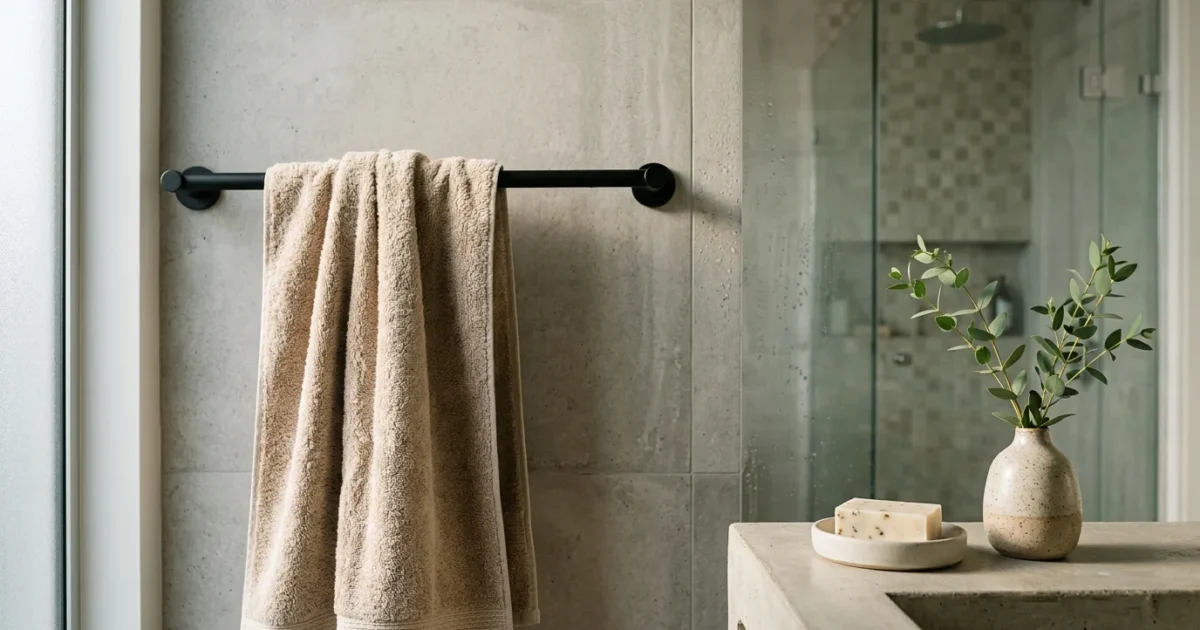
You should wash your bath towel after every three to four uses to prevent harmful bacterial buildup. Reusing damp fabric past this window transfers concentrated microbes, dead skin cells, and body oils straight back onto your clean skin.
While hanging your towel to dry helps between showers, bathroom humidity often prevents complete evaporation. This lingering dampness creates an ideal breeding ground for fungi and common household bacteria.
Adjusting your laundry schedule protects your skin barrier without demanding excessive time or wasted energy. Here is what medical researchers and hygiene professionals recommend for a healthier home environment.
The Science of Towel Contamination: What Lurks in Damp Fibers
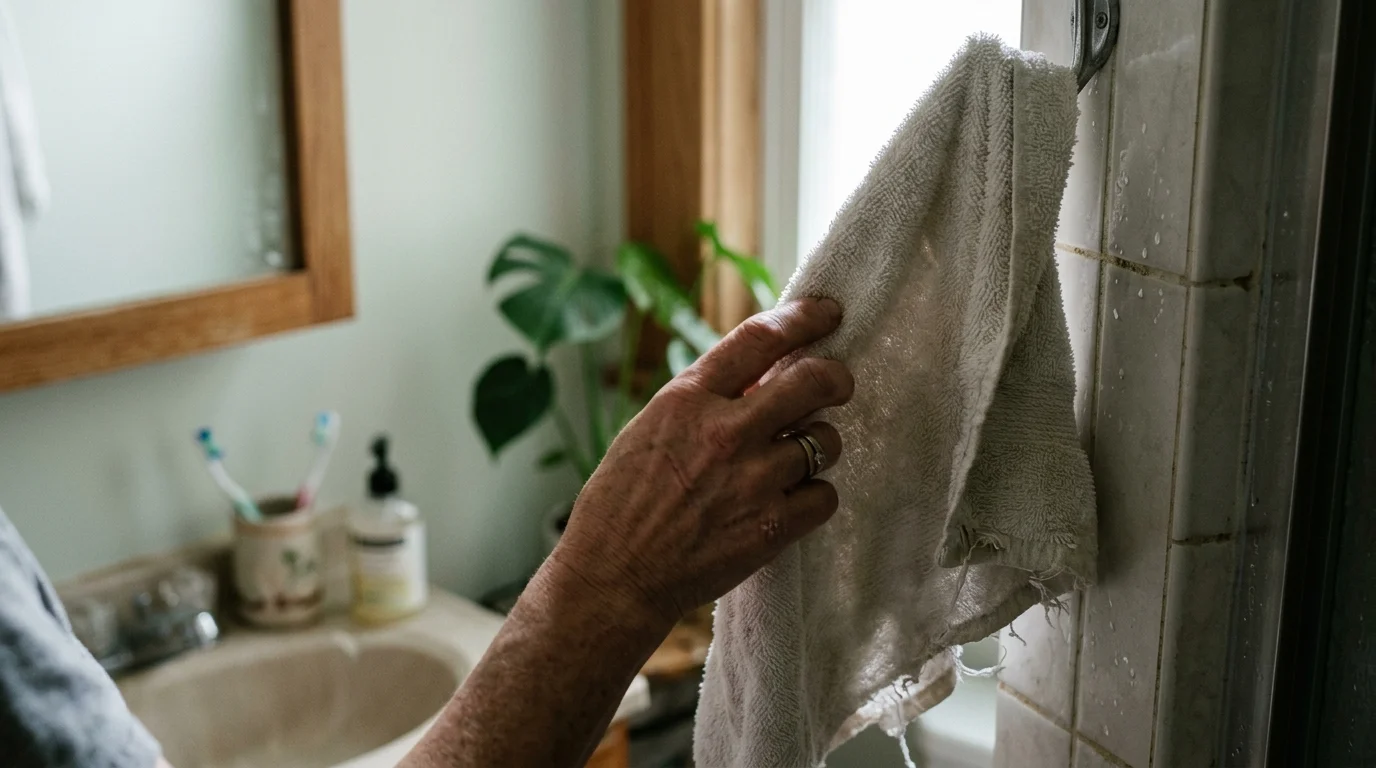
Every time you step out of the shower, your towel collects millions of dead skin cells and natural body oils. It also absorbs moisture, which creates a prime microclimate for microbial colonization.
Microbiologists note that damp terrycloth harbors diverse communities of bacteria, including Staphylococcus species and environmental molds. These organisms multiply exponentially when towels stay damp in poorly ventilated bathrooms.
Research published through the National Institutes of Health demonstrates that moist textiles readily support microbial survival for days. Even clean-looking towels can harbor significant bacterial loads after repeated use.
Coliform bacteria, often originating from toilet plume or hands, can also settle on fabric surfaces over time. When you rub that fabric against your face and body, you reintroduce those pathogens to open pores.
This process does not automatically cause disease, because your skin barrier offers substantial natural defense. However, excessive microbial loads can overwhelm sensitive skin, leading to flare-ups or irritation.
The Three-Use Rule for Standard Bath Towels
Medical professionals broadly recommend laundering your standard bath towel after three to four normal uses. This timeline prevents bacterial populations from reaching levels that compromise skin health.
This baseline assumes your towel dries completely between each shower. If your bathroom stays humid and prevents full drying, you must wash the towel even sooner.
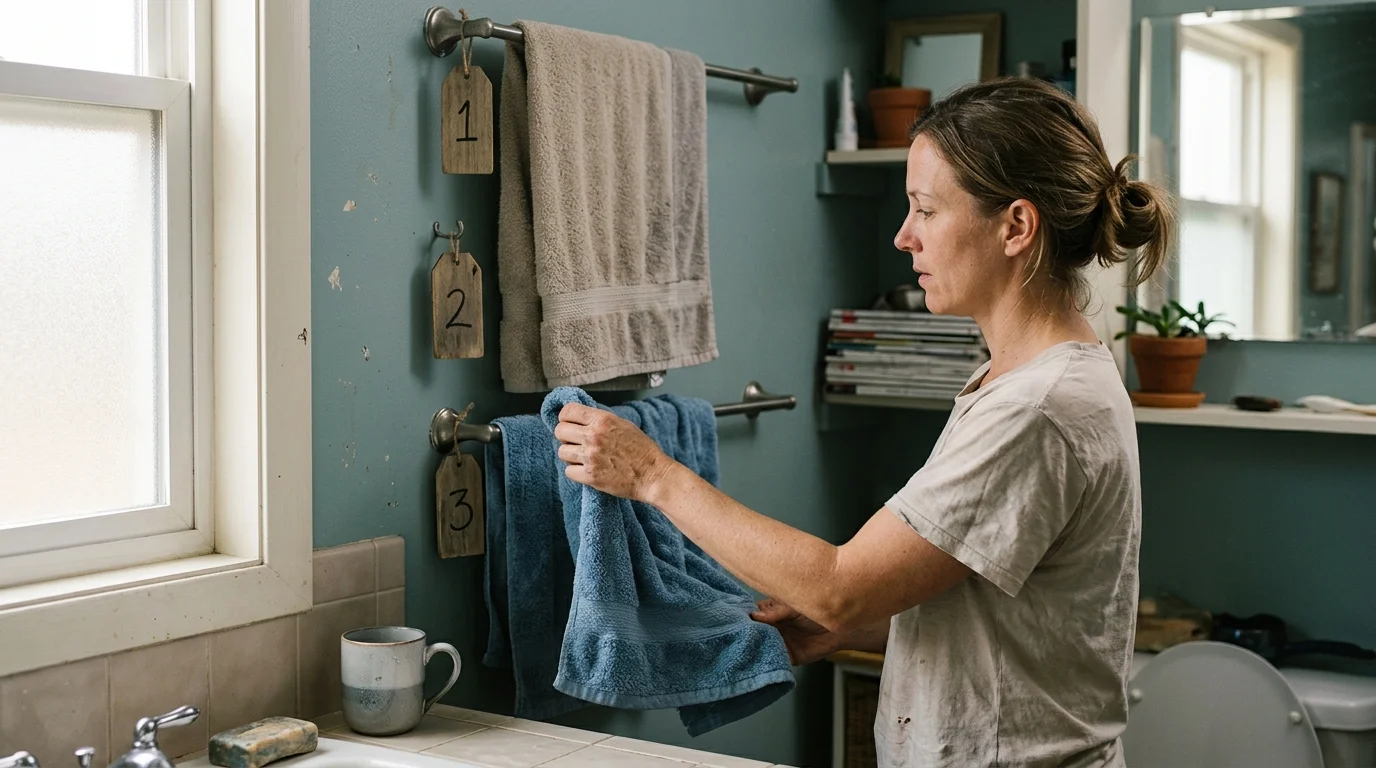
How you hang your towel directly dictates its hygienic lifespan between wash cycles. Spreading the fabric flat across a towel bar allows maximum airflow and faster evaporation.
Conversely, hanging a damp towel on a small hook traps moisture inside the gathered folds. Those trapped damp areas harbor active bacterial growth within just a few hours.
If you take multiple showers daily due to intense workouts, consider rotating between two towels. This simple practice ensures that each textile dries thoroughly before touching your skin again.
Hand Towels and Face Towels: Why Their Timelines Differ
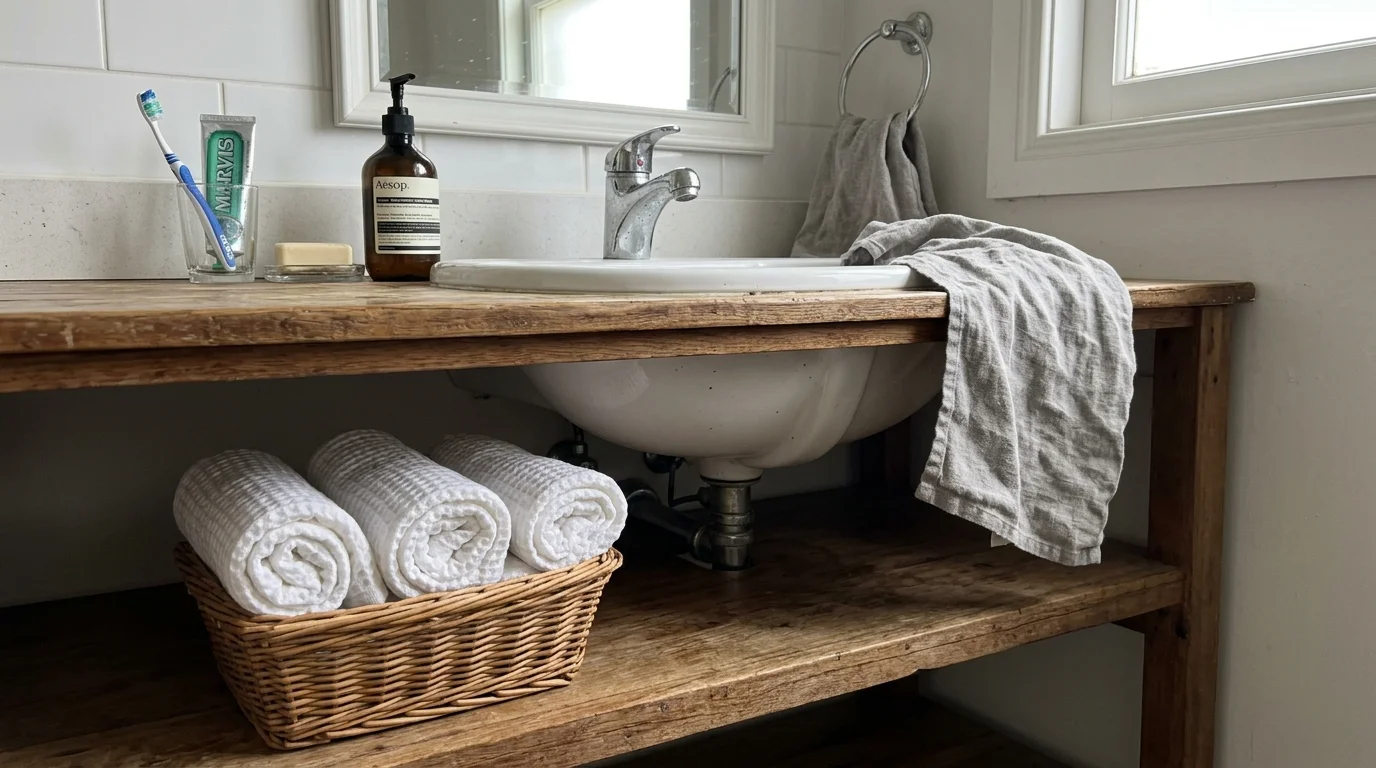
Hand towels require far more frequent laundering than large bath towels. Multiple household members and guests typically use the same hand towel multiple times every single day.
Public health guidelines from the Centers for Disease Control and Prevention emphasize hand hygiene as the primary barrier against infectious illnesses. A contaminated hand towel undermines that protective effort immediately.
You should replace kitchen and bathroom hand towels every one to two days. In high-traffic homes or during respiratory virus season, daily replacement is the safer choice.
Face towels demand an even stricter hygiene protocol to protect delicate facial skin. Facial pores are particularly vulnerable to oil accumulation, makeup residue, and transferred bacteria.
Dermatologists affiliated with the American Academy of Dermatology recommend using a fresh washcloth or face towel daily. Reusing a damp face cloth can trigger inflammatory acne and irritate sensitive conditions like rosacea.
If you struggle with persistent breakouts, gentle single-use organic cotton pads or fresh mini washcloths offer a practical alternative. Always pat your face gently rather than rubbing aggressively with coarse fibers.
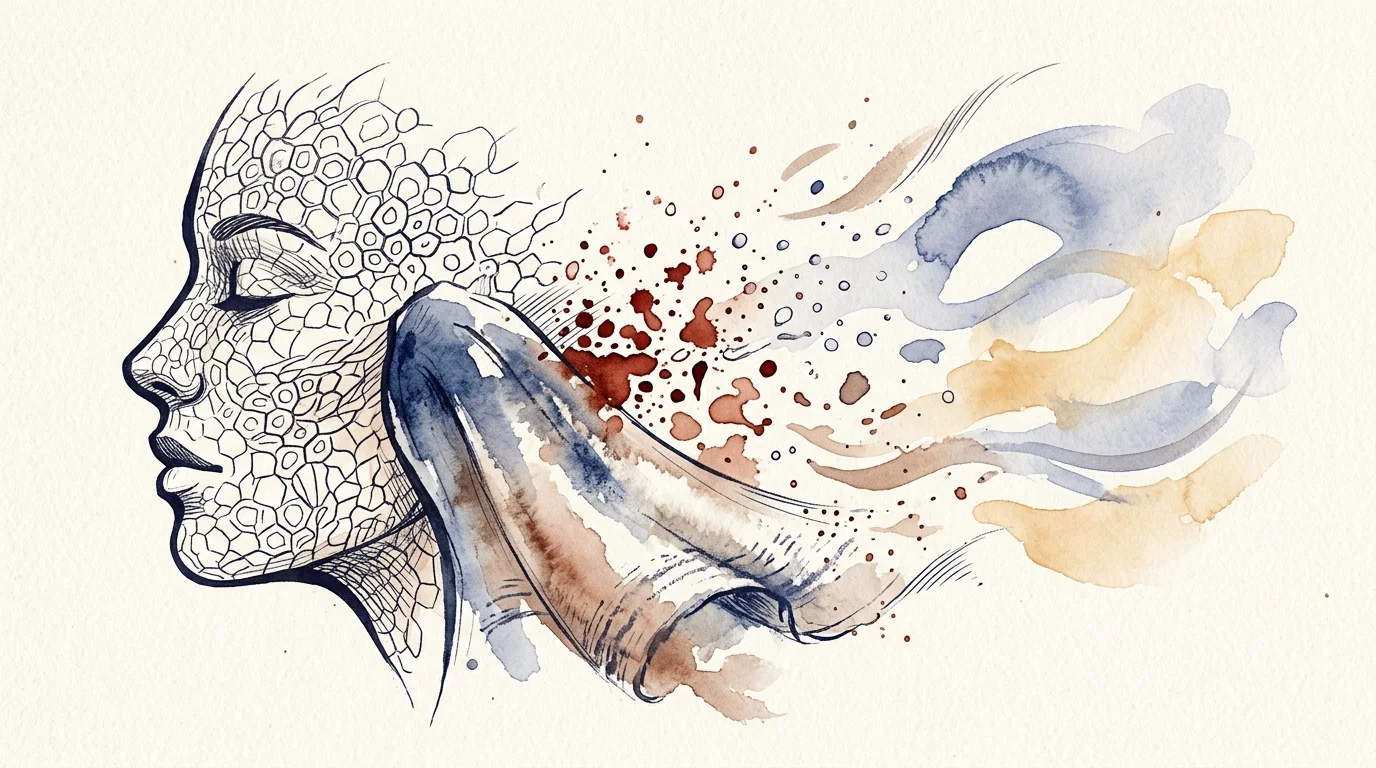
Dermatological Impacts: Acne, Eczema, and Skin Barrier Health
Your skin hosts a complex ecosystem of beneficial bacteria known as the cutaneous microbiome. Overgrown pathogens on unwashed towels can disrupt this balance and trigger inflammatory responses.
Individuals managing atopic dermatitis or eczema have compromised skin barriers that let bacteria enter more easily. For these individuals, unwashed towels frequently introduce Staphylococcus aureus, triggering painful eczema flares.
Folliculitis—an inflammation of the hair follicles—also stems from friction combined with bacterial exposure. Rubbing damp, colonized towel fibers across freshly shaved skin easily initiates this bumpy condition.
Sharing towels between family members significantly amplifies these dermatological risks. Fungal infections like ringworm, athlete’s foot, and jock itch spread rapidly through shared bathroom textiles.
Assigning distinct, color-coded towels to each person in your household prevents accidental cross-contamination. This simple organizational system protects vulnerable family members from shared pathogens.
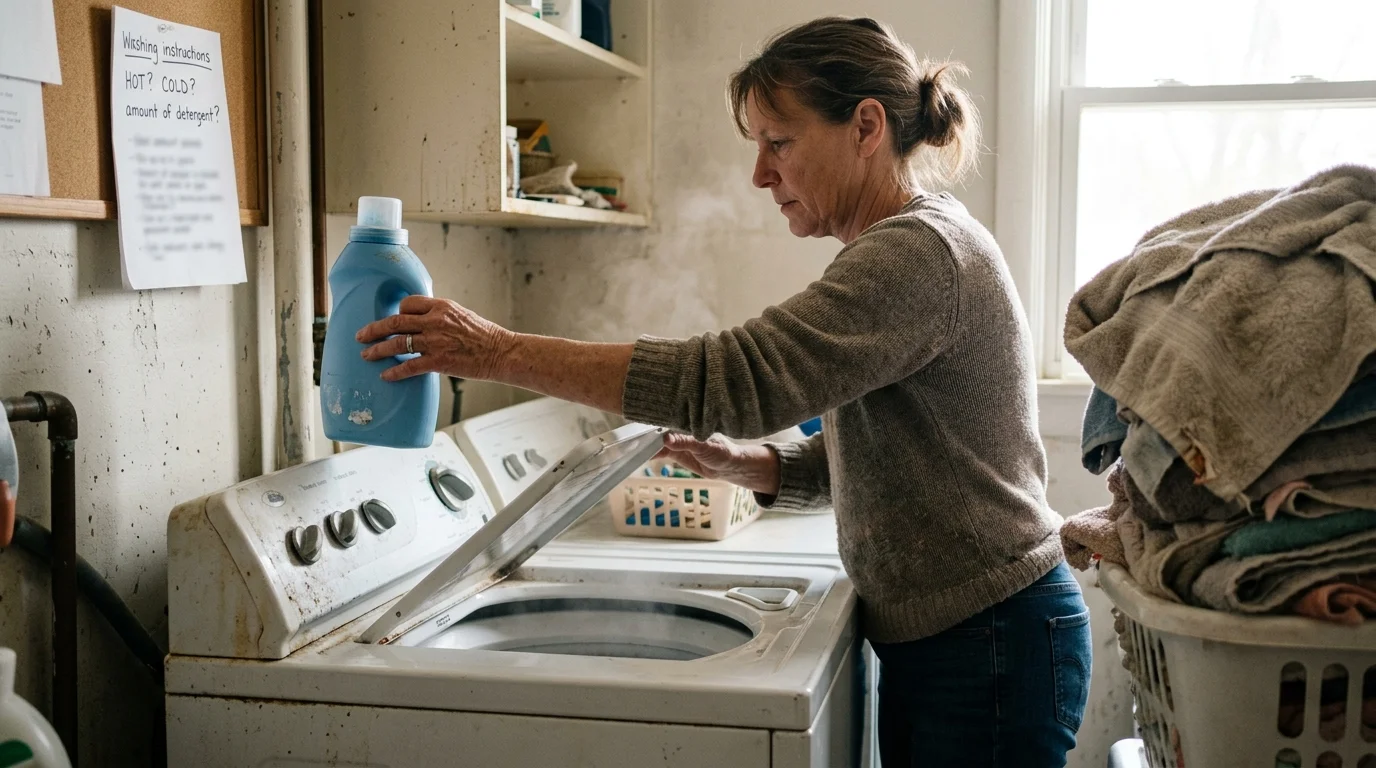
Optimal Laundering Strategies: Water Temperature and Detergent Choice
Washing towels correctly matters just as much as washing them frequently. Suboptimal wash cycles leave bacteria, fungi, and chemical residues deeply embedded in thick cotton loops.
Clinical hygiene guidelines from the National Health Service advise washing bath linens at 60 degrees Celsius (140 degrees Fahrenheit). This elevated temperature effectively kills common bacteria, dust mites, and fungal spores.
If your fabric care tags mandate warm or cold water, use a sanitizing laundry additive. Oxygen-based bleaches eliminate microbial growth without degrading vibrant textile colors.
Avoid using excessive amounts of liquid laundry detergent during your cycles. Leftover soap builds up in dense terrycloth, trapping odor-causing bacteria and creating a stiff, scratchy texture.
Skip commercial fabric softeners and dryer sheets when cleaning your towel collection. These products coat cotton fibers in hydrophobic chemicals, which drastically reduces absorbency over time.
Instead, add one cup of distilled white vinegar to the rinse cycle once monthly. The natural acetic acid dissolves detergent buildup and restores natural fabric softness without damaging fibers.
Ensure your towels dry completely in the dryer or under direct sunlight before folding them. Storing even slightly damp towels in a dark closet encourages rapid mold proliferation.
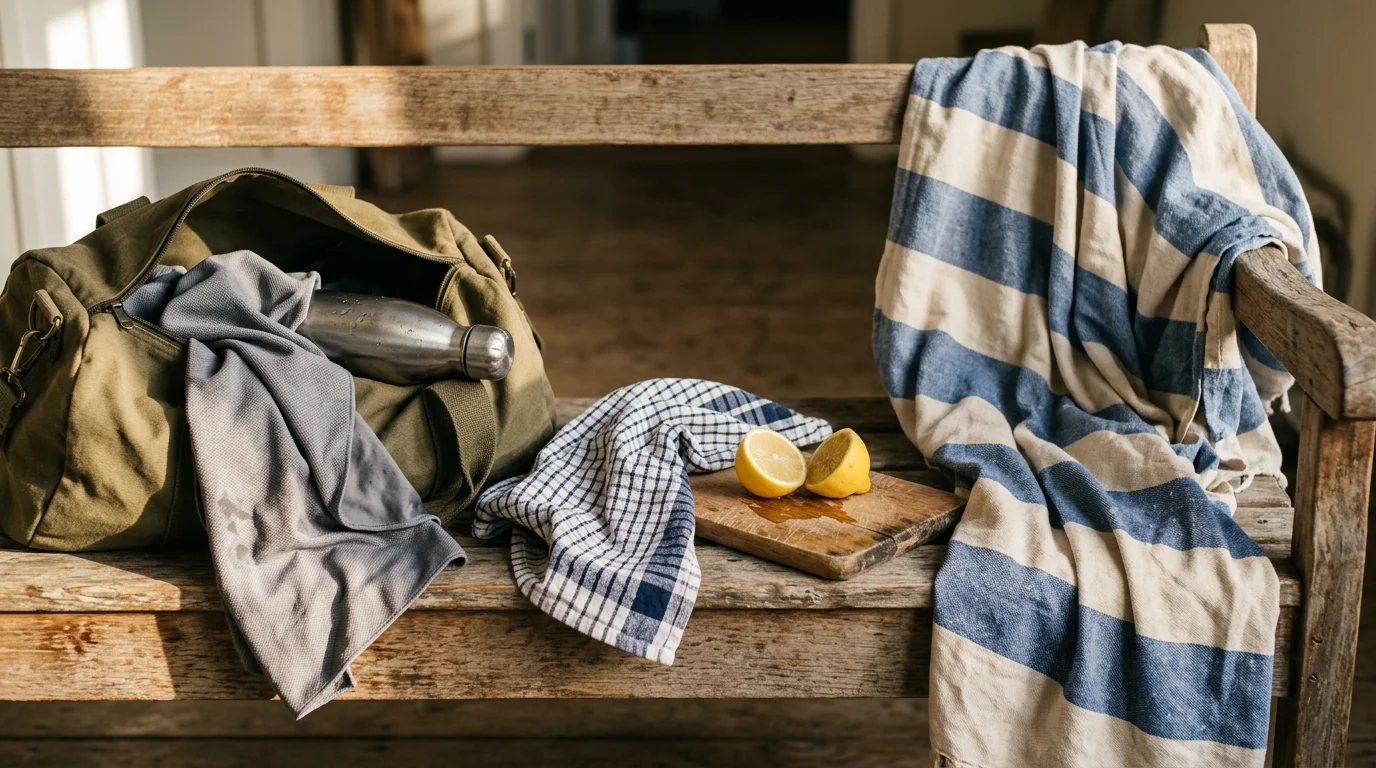
Specialized Towels: Gym Gear, Kitchen Linens, and Beach Towels
Gym towels require immediate laundering after a single workout session. They absorb concentrated sweat, dead skin, and equipment bacteria found across shared fitness facilities.
Leaving a damp workout towel in your dark gym bag creates an aggressive breeding zone for fungi. Wash fitness towels on high heat immediately upon returning home.
Kitchen towels present unique contamination risks because they regularly contact raw food residues, dirty hands, and kitchen counters. Cross-contamination between raw ingredients and drying dishes can cause foodborne illness.
Designate separate towels for drying hands and wiping food preparation surfaces. Wash all kitchen towels every one to two days using hot water and sanitizing detergent.
Beach and pool towels also require washing after every outing. They accumulate sand, sunscreens, chlorine, and outdoor microorganisms that degrade fabric integrity if left unwashed.
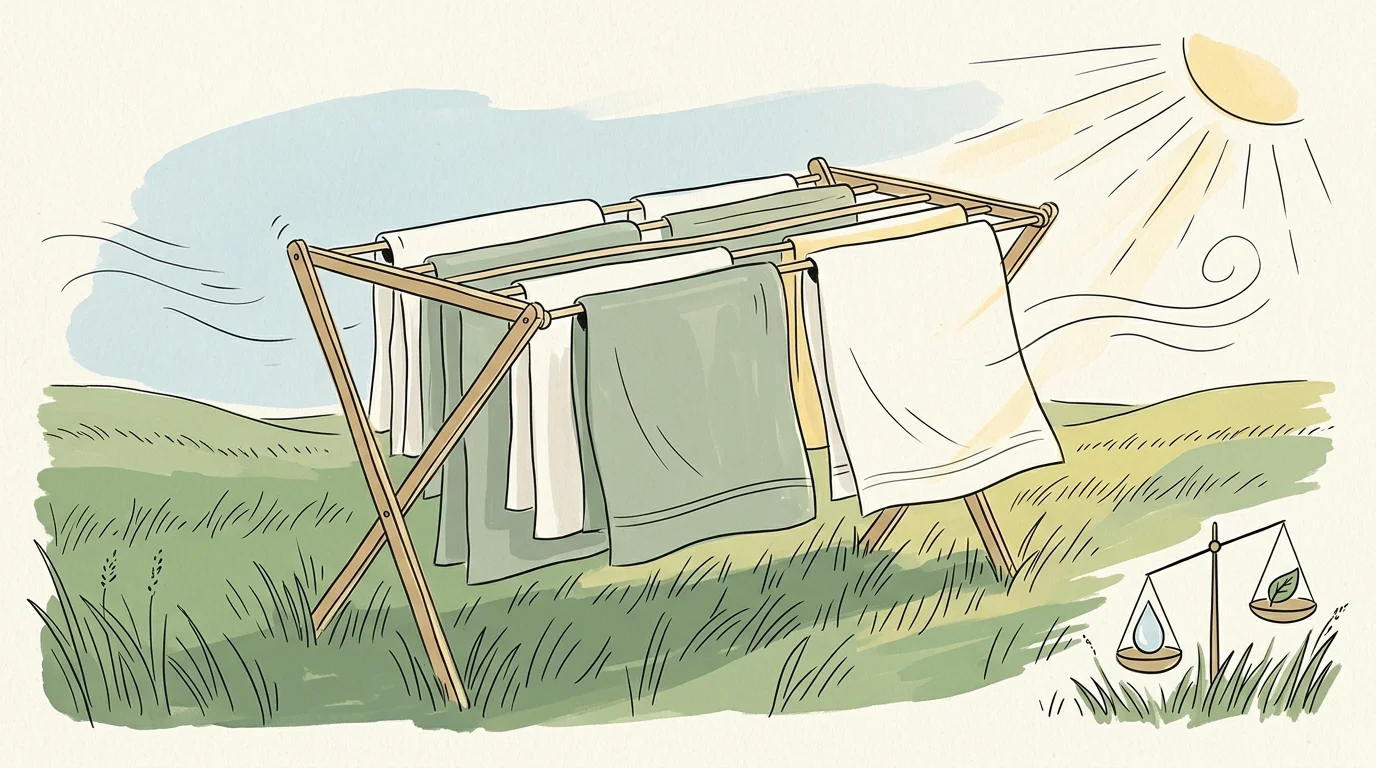
Balancing Hygiene with Sustainability and Energy Conservation
Frequent laundry cycles raise valid concerns regarding water consumption and household utility expenses. Practicing good hygiene does not require running half-empty washing machines every afternoon.
Consolidate your towel loads to maximize machine efficiency and conserve municipal water supplies. Running full, balanced loads optimizes both mechanical agitation and energy efficiency.
Installing a heated towel rack or high-airflow drying bar helps towels dry significantly faster between uses. Rapid drying extends towel freshness, allowing you to reach that four-use threshold comfortably.
For those utilizing communal or paid laundromats, buying a few extra towel sets is often more economical. This buffer allows you to maintain clean rotations without making multiple expensive weekly trips.
If outdoor space permits, line-drying your towels under direct sunlight provides natural sanitization. Solar ultraviolet rays possess proven antimicrobial properties that naturally deodorize cotton fabrics.

Clinical Perspectives: What Dermatologists and Microbiologists Emphasize
Leading medical institutions, including the Cleveland Clinic, emphasize that hygiene routines should match individual health status. People with compromised immune systems need stricter laundry frequencies than healthy individuals.
Dermatologists frequently note that simple laundry modifications resolve unexplained skin irritation and stubborn body acne. Patients often spend hundreds on skincare serums while overlooking dirty washcloths.
When treating patients for recurrent skin conditions, doctors regularly investigate household laundry habits. Aligning home hygiene with medical treatments accelerates skin recovery and prevents secondary infections.
Microbiologists also remind us that perfection is neither possible nor necessary for good health. The human immune system manages low-level environmental microbes easily under normal circumstances.
The goal of regular towel laundering is simply risk reduction, not complete sterilization. Maintaining reasonable cleaning rhythms keeps microbial loads well within safe, manageable thresholds.
Frequently Asked Questions About Towel Hygiene
Can sharing bath towels transmit infections between family members?
Yes, sharing bath towels readily transmits pathogenic bacteria, fungal spores, and viral infections between individuals. Towels transfer organisms like MRSA, warts, and athlete’s foot through direct contact with compromised skin.
Each family member should always use their own designated towel to protect overall household health. If someone in your home develops an infection, wash their linens separately on high heat.
What causes clean towels to smell musty immediately after getting wet?
That persistent sour odor indicates embedded detergent residue combined with dormant bacterial and fungal colonies. When warm water hits the fabric, these dormant microbes reactivate and release volatile organic compounds.
To eliminate this odor, run the towels through a hot cycle with one cup of white vinegar, followed by a second hot cycle with half a cup of baking soda.
How often should you replace old bath towels with new ones?
Most high-quality cotton towels last approximately two years with regular weekly washing and drying cycles. Over time, repeated laundering breaks down cotton loops, diminishing absorbency and softness.
When towels develop frayed edges, thin spots, or persistent odors that survive vinegar stripping, repurpose them as cleaning rags. Replacing worn towels ensures effective moisture absorption and comfortable skin contact.
How should you handle towels when recovering from an active skin infection?
Use a fresh bath towel and washcloth for every single shower while recovering from an active infection. Reusing contaminated fabric can reinfect healing tissue and prolong recovery times substantially.
Wash these towels immediately in hot water using an antibacterial detergent or bleach safe for the fabric. Consult your dermatologist or primary healthcare provider for personalized guidance on managing infectious conditions at home.
Taking Action: A Manageable First Step for Healthier Towels
Upgrading your bathroom hygiene does not require buying an entirely new linen collection or stressing over microscopic risks. Small, consistent improvements create lasting benefits for your skin health and peace of mind.
Take a moment today to evaluate how your towels dry after your morning shower. Moving a towel from a crowded hook to an open bar is an effortless step you can take right now.
Reflect on your household routines and identify one simple adjustment that fits your current lifestyle. Whether that means washing hand towels more frequently or switching your face cloth daily, small shifts yield substantial rewards.






Leave a Reply