

Entering your sixties brings distinct physiological transitions that directly reshape your daily energy, physical strength, and long-term vitality. Understanding these predictable shifts empowers you to protect your functional independence.
Your body processes calories, repairs muscle fibers, and manages cardiovascular pressure differently than it did in midlife. Knowledge of these cellular adjustments allows you to take control of your health with targeted lifestyle choices.
Here is the clinical research behind seven foundational body changes after age 60, paired with practical steps to help you thrive throughout the coming decades.

1. Accelerated Loss of Muscle Mass and Strength
Muscle tissue naturally fluctuates across your lifespan, but reaching age 60 marks a noticeable turning point. While gradual loss begins decades earlier, the process of sarcopenia accelerates significantly during this stage of life.
Without targeted resistance training, you can lose between 1% and 3% of your muscle mass and strength each year after 60. This biological shift affects approximately 5% to 13% of adults in their sixties.
The underlying mechanism involves a decrease in motor units, lower growth hormone production, and reduced muscle protein synthesis. As type II fast-twitch muscle fibers shrink, everyday tasks like lifting groceries or climbing stairs require greater effort.
Fortunately, progressive strength training directly stimulates muscle protein synthesis regardless of your starting fitness level. Challenging your muscles twice weekly restores motor unit recruitment and builds functional resilience.

2. Arterial Stiffening and Blood Pressure Elevation
Your vascular system undergoes structural remodeling as you age. Over time, flexible elastin fibers within your arterial walls gradually degrade and give way to rigid collagen deposits.
This structural stiffening increases systemic vascular resistance, forcing your heart to generate higher pressure with every beat. Consequently, isolated systolic hypertension becomes remarkably common in this demographic.
According to epidemiological research published by the American Heart Association, more than 70% of adults aged 60 and older live with hypertension. This condition is defined as a blood pressure reading of 130/80 mm Hg or higher.
Because vascular stiffness develops silently, routine monitoring remains your most effective early-warning tool. Adopting a low-sodium, potassium-rich dietary pattern supports vessel elasticity and reduces strain on your cardiac muscle.
3. A Gradual Downshift in Basal Metabolic Rate
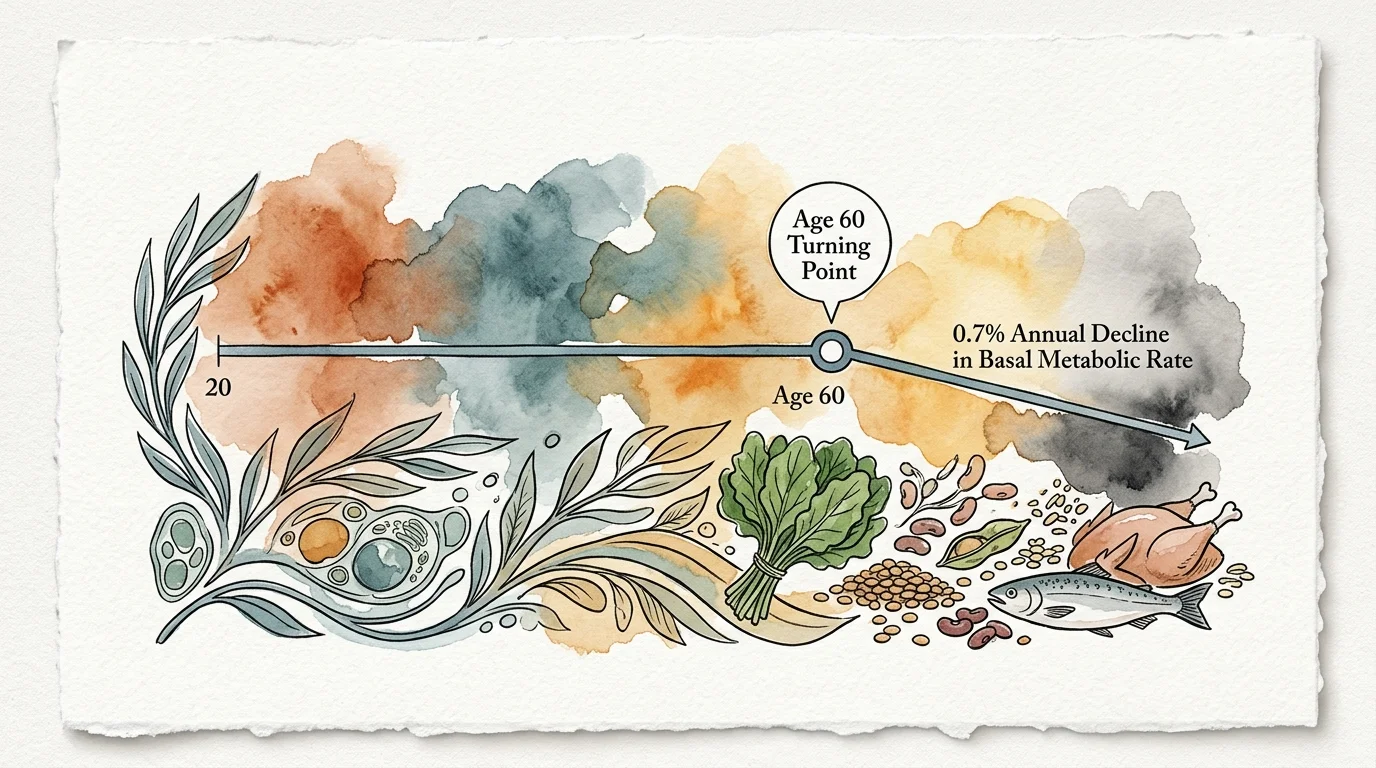
Many people assume metabolism slows continuously throughout adult life, but landmark energy expenditure studies reveal a different reality. Your resting metabolic rate remains remarkably stable between ages 20 and 60.
Once you cross age 60, however, your basal metabolic rate declines at a steady pace of roughly 0.7% per year. This shift stems from reduced organ cellular activity and the natural loss of metabolically active lean muscle tissue.
Because your body burns fewer resting calories, continuing to consume your midlife caloric baseline often leads to gradual fat accumulation. This extra visceral fat frequently settles around abdominal organs, where it can elevate systemic inflammation.
You can counter this metabolic slowdown by prioritizing nutrient density over empty calories. Combining adequate daily physical activity with adequate dietary protein keeps your metabolic furnace burning efficiently.

4. Decreased Bone Density and Skeletal Remodeling
Bone is dynamic living tissue that continuously breaks down and rebuilds throughout your life. After age 60, the rate of bone resorption outpaces new bone formation, leading to lower bone mineral density.
Postmenopausal women experience accelerated bone loss due to decreased estrogen levels, while men experience a slower, steady decline linked to aging and gradual androgen reduction. Unchecked bone loss eventually develops into osteopenia or osteoporosis.
To identify silent bone thinning before fractures occur, clinical guidelines from the U.S. Preventive Services Task Force recommend dual-energy X-ray absorptiometry (DEXA) scans for women starting at age 65. Individuals with elevated clinical risk factors should consider screening earlier.
Weight-bearing exercises, adequate dietary calcium, and optimal vitamin D status provide the essential mechanical and chemical signals your body needs to maintain skeletal integrity.

5. Shifts in Sleep Architecture and Circadian Timing
If you find yourself waking earlier or waking more frequently during the night, your neurological sleep architecture is changing. The brain’s master circadian clock naturally shifts after 60.
This biological rhythm shift often produces advanced sleep phase syndrome, causing you to feel sleepy earlier in the evening and alert in the pre-dawn hours. Simultaneously, your brain spends less time in deep, slow-wave sleep and rapid eye movement sleep.
Lighter sleep stages leave you more vulnerable to nocturnal awakenings from temperature changes, noise, or bathroom trips. Despite these shifts, your physiological need for seven to eight hours of total rest remains unchanged.
Establishing consistent morning light exposure and eliminating evening screen use helps anchor your circadian cycle. Avoiding late-day stimulants and heavy meals further protects the quality of your nocturnal rest.
6. Auditory and Sensory Perception Changes
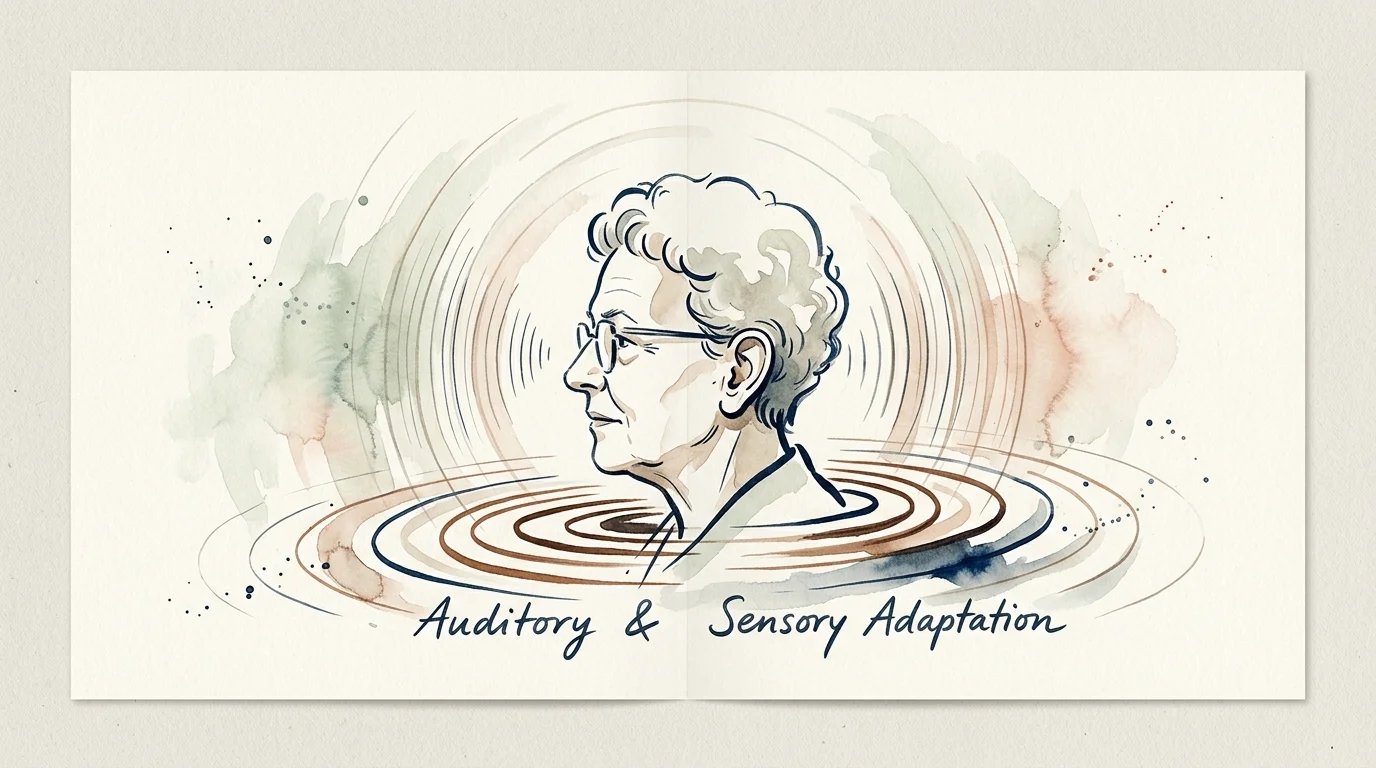
Sensory processing undergoes subtle yet meaningful changes in your sixties. The delicate hair cells within your inner ear cochlea experience cumulative wear, leading to age-related hearing loss, known clinically as presbycusis.
According to data from the National Institute on Deafness and Other Communication Disorders, age is the single strongest predictor of hearing decline. The sharpest onset of noticeable auditory loss begins between ages 60 and 69.
Approximately one in three adults aged 65 to 74 exhibits measurable hearing impairment, particularly with high-frequency consonants like s, f, and th. Untreated auditory deficits can create social fatigue and accelerate cognitive strain.
Scheduling baseline audiometric testing allows you to detect hearing changes early. Modern hearing assistance technology significantly preserves communication ease, social connection, and long-term brain health.
7. Immune Remodeling and Immunosenescence
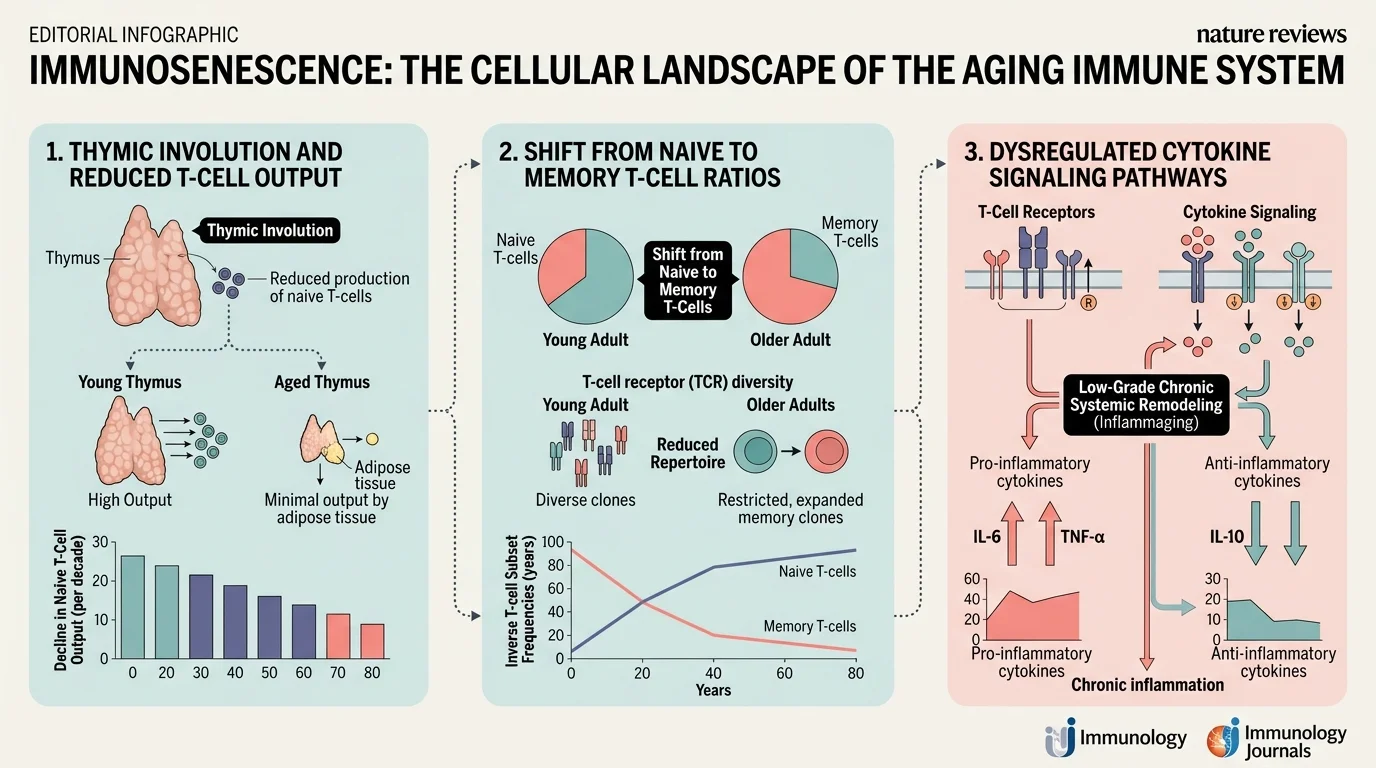
Your immune defense system undergoes a natural evolutionary process termed immunosenescence. Over decades of life, the thymus gland shrinks, resulting in a reduced output of naive T-cells capable of fighting novel pathogens.
This cellular remodeling slows your initial immune response to infections and slightly diminishes your antibody response to standard inoculations. Consequently, staying current with recommended adult immunizations becomes an indispensable health strategy.
The Centers for Disease Control and Prevention recommends the two-dose shingles vaccine series for all adults aged 50 and older. Clinicians also recommend a single RSV immunization for adults 75 and older, or ages 50 to 74 with underlying medical risks.
Adults aged 65 and older should specifically request high-dose or adjuvanted influenza vaccines each autumn. These specialized formulations generate a stronger protective antibody response than standard flu shots.

Clinical Perspectives: What Geriatric Experts Emphasize
Geriatricians and physical therapists emphasize that aging is not a passive process of inevitable decline. Instead, clinicians view age 60 as a crucial window for intentional lifestyle adaptation.
Dr. Elizabeth Vance, a specialist in geriatric rehabilitation, notes that functional independence relies heavily on muscular power and joint mobility. She advises patients to view strength training as non-negotiable medicine for long-term autonomy.
Clinical dietitians similarly stress that digestive enzyme secretion and gastric acid decrease with age. This gastrointestinal shift impairs the natural absorption of essential micronutrients, particularly vitamin B12, calcium, and dietary iron.
Working closely with your primary care provider ensures you identify nutrient deficiencies and address subtle physiological changes before they impact your daily life.

Actionable Strategies to Optimize Your Health After 60
Pillar 1: Targeted Resistance and Functional Movement
Counteracting sarcopenia requires progressive overload through purposeful resistance training. You should perform multi-joint strength exercises—such as squats, seated rows, overhead presses, and lunges—at least two to three days per week.
Focus on controlled tempo and full range of motion rather than lifting excessively heavy weights. Incorporating balance drills, such as single-leg stands or tandem walking, sharpens your neuromuscular pathways and prevents accidental falls.
Complement your strength routine with 150 minutes of moderate aerobic activity weekly, such as brisk walking, cycling, or swimming. These aerobic sessions enhance endothelial function and support cardiovascular elasticity.
Pillar 2: High-Density Nutrition and Protein Optimization
Because your metabolic rate slows while nutrient requirements increase, every meal must offer high nutritional value. Aim to consume 1.2 to 1.6 grams of high-quality protein per kilogram of body weight each day.
Distribute this protein evenly across your meals, consuming roughly 25 to 35 grams per sitting. This consistent distribution maximally triggers muscle protein synthesis throughout the day.
Incorporate anti-inflammatory whole foods, including leafy greens, wild salmon, berries, legumes, and extra-virgin olive oil. These nutrient-dense choices supply dietary antioxidants that neutralize cellular oxidative stress and support metabolic health.
Stay mindful of daily hydration, as your thirst sensation diminishes with age. Drinking water consistently throughout the day protects renal function and maintains steady blood volume.
Pillar 3: Proactive Medical Care and Circadian Health
Take a proactive approach to medical screenings by partnering closely with your physician. Schedule annual blood pressure checks, lipid panels, comprehensive metabolic panels, and age-appropriate cancer screenings.
Review your medication list annually with your doctor or pharmacist to prevent adverse drug interactions. Because liver and kidney drug clearance rates slow after 60, medication dosages frequently need careful recalibration.
Support your circadian rhythms by getting 15 minutes of direct sunlight each morning shortly after waking. This natural light suppresses daytime melatonin production and promotes deeper nocturnal sleep cycles.
Keep your bedroom cool, dark, and quiet to minimize sleep fragmentation. Maintaining a steady sleep schedule reinforces restorative deep-sleep architecture.
Frequently Asked Questions
Is persistent fatigue an inevitable part of living past 60?
Persistent exhaustion is never normal, regardless of your chronological age. While minor energy fluctuations occur, chronic fatigue often signals underlying conditions such as anemia, thyroid dysfunction, sleep apnea, or vitamin deficiencies.
Consult your healthcare provider promptly if exhaustion interferes with your normal routine. A standard blood panel and clinical evaluation can quickly identify and treat the underlying cause.
How much daily protein do I truly need after turning 60?
Most healthy older adults benefit from consuming 1.2 to 1.6 grams of protein per kilogram of body weight daily. This intake is higher than the standard baseline recommendation for younger adults.
This increased intake compensates for anabolic resistance, ensuring your muscles receive sufficient amino acids for repair. If you have chronic kidney disease, consult your nephrologist to determine your specific protein threshold.
Can I rebuild lost bone density after age 60, or only slow its loss?
You can actively strengthen your bones through heavy resistance training, impact exercises, and optimized nutrition. While rebuilding bone density takes time, these interventions stimulate osteoblast activity and reinforce your skeletal architecture.
For individuals with diagnosed osteoporosis, prescription medications can substantially increase bone density and lower fracture risk. Discuss your DEXA scan results with your physician to select the safest therapeutic path.
When should I consult a clinician about balance or memory changes?
You should seek a professional medical evaluation whenever balance issues cause near-falls or when memory lapses disrupt your daily life. Occasional forgetfulness is normal, but difficulty managing finances or navigating familiar places warrants clinical attention.
Early assessment allows healthcare professionals to screen for reversible contributors, such as medication side effects, inner ear conditions, or nutritional deficiencies. Prompt diagnosis empowers you to implement targeted interventions early.
Your Next Step Toward Lasting Vitality
Navigating the physical changes that emerge after 60 does not require an overwhelming lifestyle overhaul. Lasting physical vitality emerges from consistent, manageable habits performed day after day.
Choose one small action to implement today, such as adding a serving of lean protein to breakfast or completing a ten-minute walk after lunch. Small, intentional adjustments create substantial momentum over time.
Take a quiet moment today to reflect on how you want your body to feel in ten years. Use that personal vision as your daily inspiration to move, nourish, and care for yourself with purpose.









Leave a Reply