
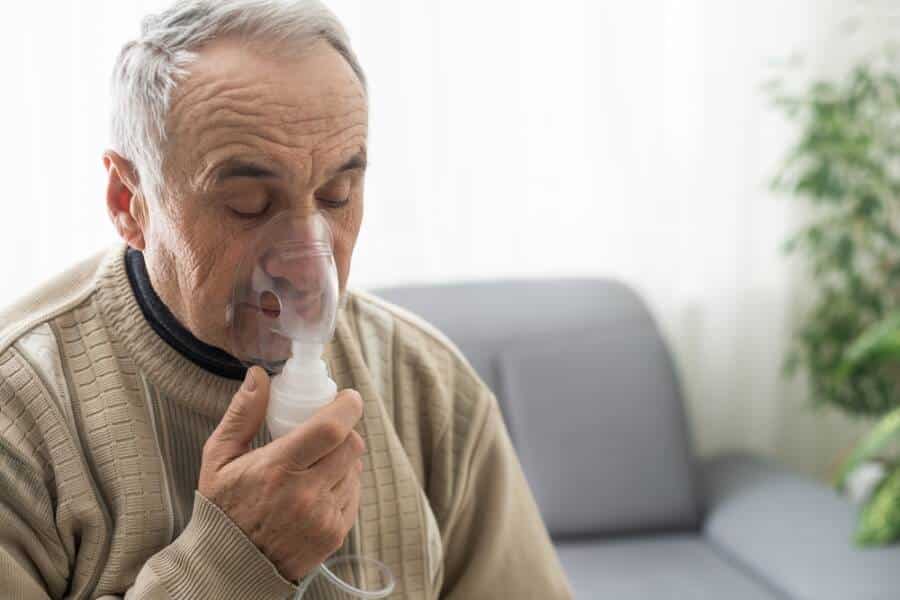
Never trigger your asthma ever again!
Asthma is one of the most common chronic diseases that affects seniors in the US, with 2.5 million adults aged 65 and older suffering from it. What is worse is that many people from this age group remain undiagnosed for a long time, and this leads to many unwanted reactions that can also be life-threatening.
Older people who suffer from asthma are also the ones who have a higher risk of severe symptoms such as attacks that need hospitalization and various complications that can happen due to coexisting conditions like COPD or heart disease.
This is why it is so important to be aware of all possible triggers. If you are over 65, this piece of info can save your life, and we are here to tell you more about it. Proper management of this disease is crucial, and being informed is the best way to approach it.
Here are some of the most common everyday things that can trigger your asthma. Read more and find out how to protect yourself!

Air pollutants, especially tobacco
Pollutants that are found in the air can truly bother lungs that are already affected by asthma. They immediately cause irritation and inflammation of the airways, and these are truly threatening for seniors who are suffering from this chronic disease.
But maybe the most harmful trigger that you can encounter is by far tobacco smoke. We know that sometimes it might seem impossible to avoid it, and this is what makes it so dangerous. People are smoking everywhere, and you need to be incredibly careful.
Yes, it is obvious that firsthand smoking is the worst, but secondhand or even thirdhand (residue left on surfaces and clothing) exposure to tobacco smoke can tremendously worsen asthma symptoms. Frequent flare-ups and prolonged recovery times are the main things that can happen after being exposed to smoke.
What you should do is to avoid tobacco smoke at all costs. This is the first step you should take and probably the most important one. If you or someone in your household smokes, quitting or maintaining a smoke-free environment is essential.
Then make sure that you stay away from scented products such as detergents, lotions, and air fresheners. For detergents and lotions, choose the unscented versions. Strong smells can also trigger asthma attacks.
Sudden weather changes and cold air
These changes can be pretty harsh on your lungs, and cold air is the main culprit because it can be very irritating. Why? Cold air is usually dry, and this explains why you get asthma flare-ups during chilly days or when entering an air-conditioned room. This contrast between warm indoor air and freezing outdoor temperatures causes airway spasms and, as a result, difficulty breathing.
When the weather is cold outside, you can dress in layers and make sure you cover your nose and mouth with a scarf. This will warm up the air a little bit before you breathe it in and reduce the risk of inflammation.
When you are indoors, a humidifier can be lifesaving. This will keep the air humid, and your lungs will love it. The thing is that you should be careful and clean it regularly because you don’t want mold to form inside.
Also, if needed, you can discuss medication adjustments with your doctor anytime you think it is appropriate. For some people, seasonal changes are a good enough reason to discuss this with their doctor.
Stress
This is more than a mental burden for anyone who suffers from asthma. When you are a senior, this is even more true. Anxiety and emotional distress can increase airway inflammation, tighten chest muscles, and make breathing more difficult.
There are many people over 65 who experience tremendous levels of stress due to the life changes that happen during this time. Emotional triggers should not be ignored because sometimes they can totally change how things work for patients suffering from this condition.
Also, besides emotional stress, physical stress is a huge factor. Stress from illness or lack of sleep can weaken the immune system and make asthma harder to control. This is why it is important to identify what causes sites in your life. Discover the stressors and try to manage them better if this is possible.
If you suffer from anxiety, breathing exercises can help you reduce the stress and also improve your ability to breathe. Take one deep breath, keep the air in your lungs for three seconds, and then exhale slowly. Repeat this exercise until you feel less anxious.
In case the stress is overwhelming you, you can talk with your doctor and present them with the situation. They are the ones who can help you the most.
Viral respiratory infections
When you are a senior and you suffer from asthma, even a regular cold can be a huge problem. Casual respiratory infections are one of the most common asthma triggers, and in general, those who are affected will experience worse symptoms, which are harder to control.
The rhinovirus, which causes the common cold, is the most widespread culprit. However, influenza, respiratory syncytial virus (RSV), and parainfluenza can all cause serious asthma problems.
What makes these respiratory infections different from other triggers is that they can cause prolonged inflammation and airway narrowing, making it difficult to breathe even with standard asthma treatments.
Seniors are so vulnerable because their immune systems are weaker, and they are not able to protect themselves properly. When the infection is not fought efficiently, this can lead to numerous complications. The risk of treatment failure increases, which means rescue inhalers might not work as they are intended to.

Exercise
Physical activity is essential if you want to keep yourself healthy, but when you are a senior with asthma, exercise can sometimes trigger coughing, wheezing, chest tightness, and shortness of breath.
This phenomenon is known as exercise-induced bronchoconstriction (EIB), and the first symptoms might appear after 5 to 20 minutes of physical activity. It can be a mild discomfort for the lucky ones, or it can bring severe breathing difficulties for some. The thing you need to do when this is happening is to reach for your rescue inhaler (albuterol) for relief.
So, if you are affected by this, you need to learn how to balance the benefits you get from exercise with actions you take for asthma management. The best thing you can do is to choose low-impact activities like walking, swimming, or yoga, which are easier on the lungs.
In case your asthma symptoms interfere with your exercise routine regularly, you should immediately talk with your doctor, and together you will find a proper solution.
Are you suffering from this condition? Tell us more about your experience and how you manage asthma in the comments!
So you want to learn more about asthma, but you don’t know where to start? This book might be exactly what you are looking for: Asthma For Dummies – Breathe easier and live a full life with proper asthma treatment
If you have found this article useful, you can also read: 7 Simple Ways to Protect Your Gut Health







Leave a Reply