

Eating right before bed does not have to derail your health goals if you choose nutrient-dense options that support metabolic rest and muscle recovery. Strategic nighttime snacking actually stabilizes your blood sugar and prevents the midnight cravings that lead to poor dietary choices. While diet culture insists you must close your kitchen at six in the evening, modern nutritional science shows that the quality of your late-night food matters far more than the exact time you consume it. Whether you work non-traditional hours, experience evening hunger after an active day, or simply need a calming ritual before sleep, understanding how specific macronutrients interact with your circadian rhythm empowers you to nourish your body without unwanted weight gain.

The Science of Nighttime Digestion and Sleep
Your metabolism never fully powers down. While your resting metabolic rate drops slightly during the deepest phases of rest, your body continues burning energy to repair tissues and regulate hormones. The myth that eating after dark automatically causes weight gain oversimplifies human biology. However, your insulin sensitivity naturally decreases as evening approaches due to your circadian rhythm. Consuming heavily processed, sugar-laden meals late at night forces your pancreas to work overtime, leading to elevated blood glucose and increased fat storage.
Research published by the National Institutes of Health demonstrates that late-night consumption of high-glycemic foods disrupts sleep architecture, leaving you groggy and prone to overeating the following day. Conversely, choosing snacks rich in tryptophan, magnesium, and lean protein actively promotes melatonin production, easing you into restorative sleep. By shifting your focus from arbitrary curfews to the nutritional density of your evening choices, you create a sustainable environment for both restful sleep and healthy weight management.
Strategy Pillar One: Strategic Nutritional Choices
Instead of ignoring late-night hunger pangs, you can satisfy them with foods that serve a distinct biological purpose. The following twelve options deliver optimal nutrition without overloading your digestive system or derailing your weight management efforts.
Tart Cherry Juice
Tart cherry juice provides a natural source of melatonin, the hormone controlling your sleep-wake cycle. Drinking a small glass of unsweetened cherry juice before bed reduces insomnia severity and improves overall sleep quality. Because poor sleep correlates directly with increased hunger hormones like ghrelin the next day, supporting your rest with this antioxidant-rich drink indirectly supports your long-term weight goals. Keep your serving to about four ounces to minimize liquid intake before lying down.
Greek Yogurt
A small bowl of plain, unsweetened Greek yogurt delivers an excellent source of casein protein. Casein digests slowly over several hours, providing your recovering muscles with steady amino acids overnight. This sustained digestion stabilizes your blood sugar and prevents ravenous morning hunger. You can also add a small handful of chia seeds to boost the fiber content, which further enhances the feeling of fullness without causing digestive distress. Stir in a dash of cinnamon for flavor without introducing refined sugars.
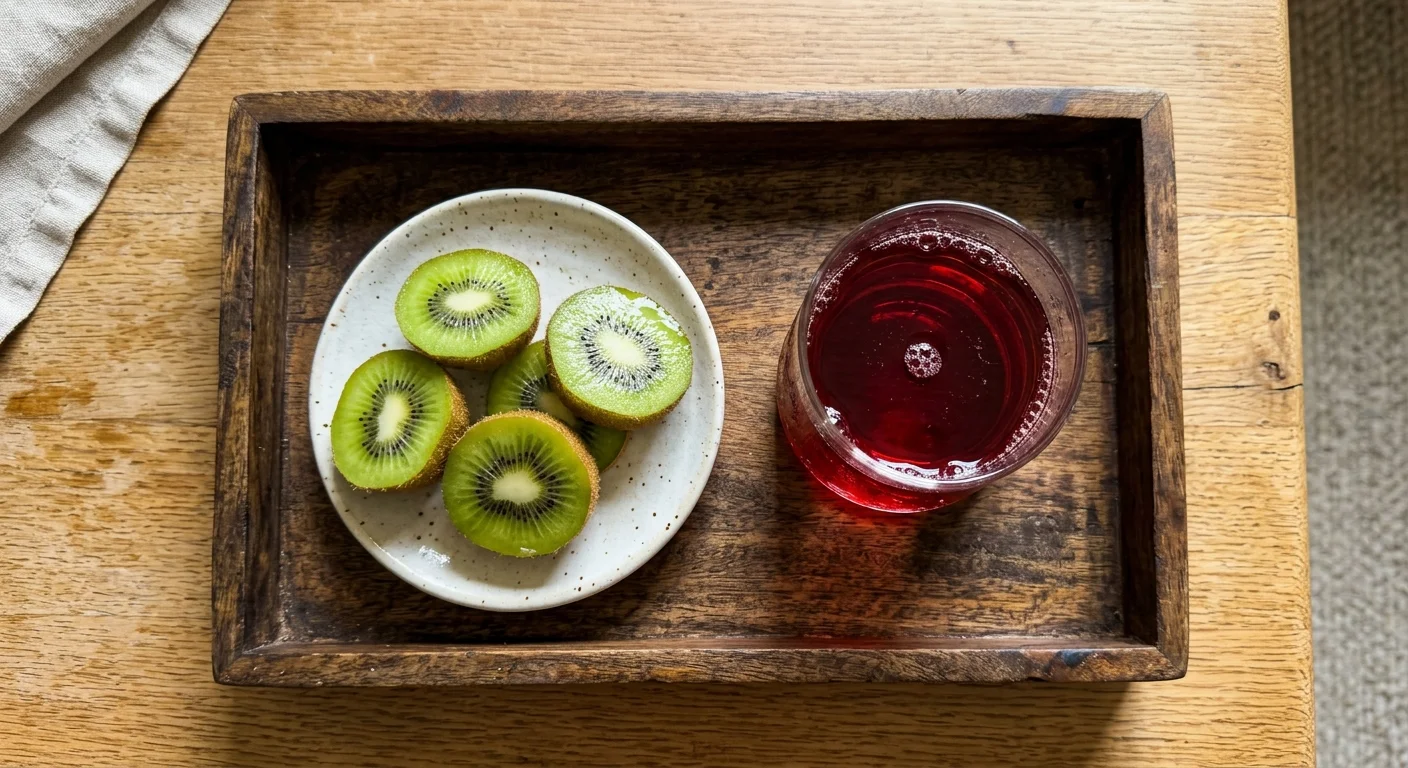
Kiwifruit
Eating two kiwis an hour before bed significantly decreases the time it takes to fall asleep while increasing total sleep duration. This vibrant fruit packs a concentrated dose of serotonin and antioxidants that soothe your nervous system. Incorporate this fruit into your evening routine if you struggle with racing thoughts, as the natural sugars provide a gentle, relaxing energy source. At roughly forty calories per fruit, kiwis deliver substantial dietary fiber that promotes fullness, making them an ideal choice for weight-conscious snacking.
Almonds
Almonds provide a robust profile of heart-healthy monounsaturated fats, dietary fiber, and protein. More importantly, they represent a premier source of magnesium, which naturally relaxes your muscles and central nervous system. Eating a modest handful of raw or dry-roasted almonds satisfies your craving for a crunch while delivering steady energy that staves off midnight hunger. Keep your portion size intentional, as the high caloric density of nuts can inadvertently push you into a caloric surplus if eaten directly from the bag.
Edamame
Steamed soybeans offer a stellar plant-based protein option for late-night cravings. They naturally supply high volumes of tryptophan, an essential amino acid your brain converts into serotonin and melatonin. A half-cup serving lightly dusted with sea salt requires intentional eating since you must shell them. This physical requirement automatically slows down your consumption and enhances mindful snacking, preventing you from mindlessly overeating while winding down for the night.
Cottage Cheese
Much like Greek yogurt, cottage cheese delivers a substantial dose of slow-digesting protein. Nighttime consumption supports your metabolic rate and muscle recovery just as effectively as daytime consumption, without increasing abdominal fat storage. The naturally occurring sodium in cottage cheese also helps replenish lost electrolytes if you engaged in a strenuous evening workout session prior to dinner. Opt for a low-fat variety to keep caloric density manageable while maximizing the satiating benefits of the rich protein content.
Pumpkin Seeds
When you desire a savory, crunchy alternative to potato chips, pumpkin seeds step in as a nutritional powerhouse. They harbor exceptional amounts of zinc and magnesium. Zinc facilitates the efficient conversion of tryptophan to serotonin, smoothing your transition into deep sleep. Because they are calorie-dense, you only need about one-quarter of a cup to reap the sleep-supporting benefits. Roasting them at home with paprika elevates the flavor profile without adding unwanted processed oils.
Herbal Tea
While technically a beverage, a warm cup of herbal tea often provides the sensory satisfaction needed to curb evening cravings. Chamomile and passionflower teas contain apigenin, an antioxidant that binds to specific receptors in your brain to promote sleepiness and reduce anxiety. Sipping a warm liquid physically fills your stomach, which sends stretch signals to your brain indicating fullness. This simple ritual keeps you hydrated without adding a single calorie to your daily intake.
Turkey Roll-Ups
Turkey remains famous for its tryptophan content, making it an excellent centerpiece for an evening snack. Rolling a few slices of high-quality, nitrate-free deli turkey around a pickle spear or a small piece of low-fat cheese yields a satisfying, low-carbohydrate bite. By avoiding bread or crackers, you bypass the rapid insulin spike that typically accompanies carbohydrate-heavy midnight snacks, allowing your body to remain in a fat-burning state while you rest comfortably.
Walnuts
Walnuts stand out among nuts because they contain their own naturally occurring melatonin alongside alpha-linolenic acid, a powerful omega-3 fatty acid. Your body converts these healthy fats into compounds that dramatically increase serotonin production. Eating a small handful of about fourteen walnut halves delivers adequate fats to trigger the release of cholecystokinin, a hormone that signals extreme satiety to your brain. This mechanism efficiently shuts down the urge to raid the pantry for less nutritious alternatives.
Warm Milk
The classic remedy of warm milk before bed holds up under scientific scrutiny. Milk contains both calcium and tryptophan, a biological combination that efficiently manufactures sleep-regulating hormones. Beyond the biochemical advantages, drinking a warm mug of milk often carries deep psychological associations with comfort, which helps reduce evening stress and emotional eating. Unsweetened soy milk offers a highly comparable nutritional profile and identical amino acids if you experience lactose intolerance or prefer plant-based options.
Protein Smoothies
If you engage in evening resistance training, a small protein smoothie becomes a crucial recovery tool rather than a dietary indulgence. Blending half a scoop of whey or plant-based protein powder with water delivers rapidly absorbing amino acids to repair torn muscle fibers. Increased muscle mass permanently elevates your resting metabolic rate. Keep the liquid volume low and avoid adding sugary fruits to ensure your digestive system does not work overtime during your sleep cycle.
Strategy Pillar Two: Movement and Digestion
How you move your body following your final meal dictates how effectively you process nutrients. Engaging in light physical activity immediately after eating accelerates gastric emptying, moving food from your stomach into your small intestine more efficiently. A fifteen-minute walk around your neighborhood helps lower the post-meal blood sugar spike by signaling your active muscles to absorb circulating glucose. This simple habit prevents the sharp insulin crashes that trigger late-night cravings.
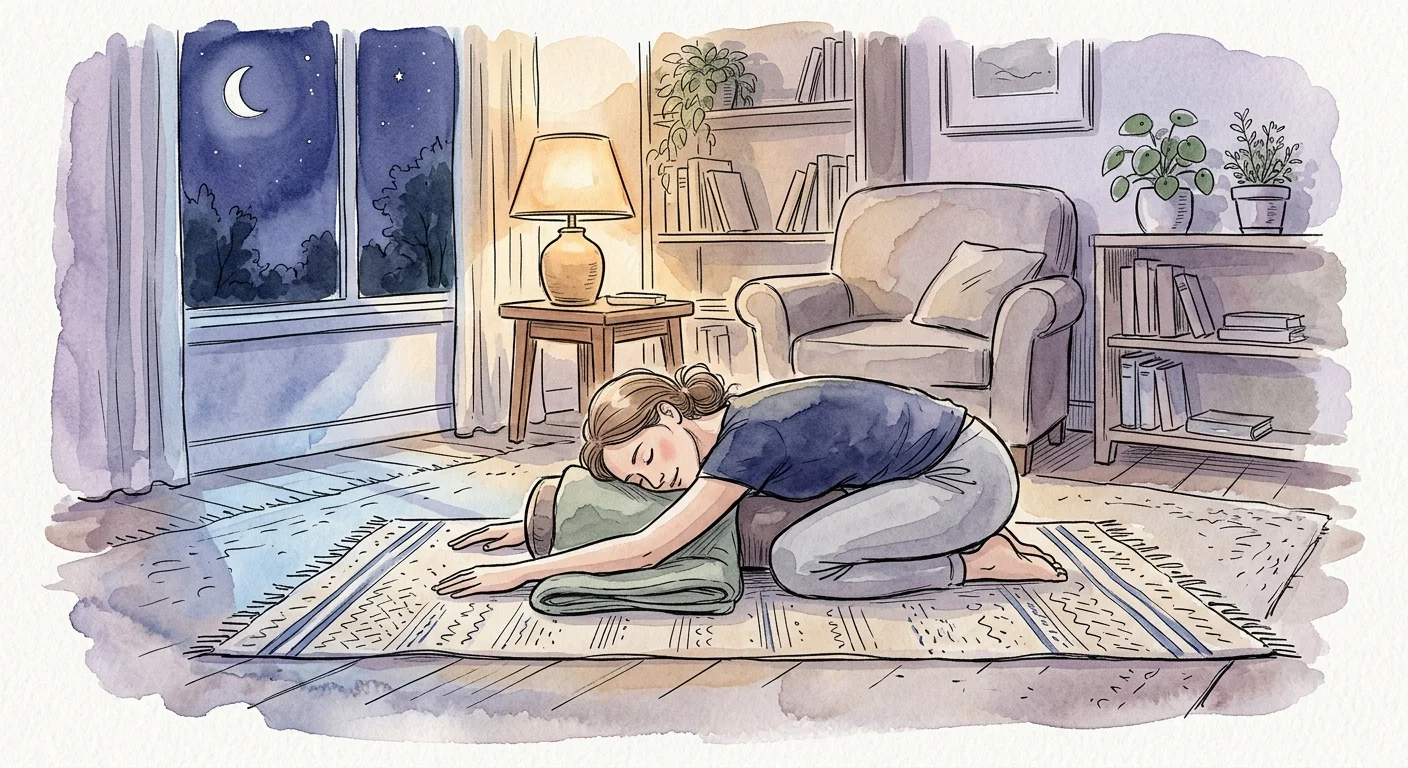
If outdoor walking proves impractical due to weather or safety concerns, engaging in restorative yoga or gentle stretching in your living room produces similar metabolic benefits. These low-intensity movements activate your parasympathetic nervous system, shifting your body from a tense state into rest-and-digest mode. Physical relaxation directly impacts gastrointestinal motility, ensuring your nighttime snacks process smoothly without causing acid reflux or painful bloating. Incorporating gentle movement aligns your physical state with your nutritional goals.

Strategy Pillar Three: Mindset and Emotional Eating
Distinguishing between biological hunger and emotional fatigue represents a significant hurdle in late-night weight management. After a demanding day of decision-making, your prefrontal cortex experiences cognitive depletion, making you highly susceptible to impulsive food choices. You often reach for sugary or salty snacks not because your body requires cellular energy, but because your brain seeks a rapid dopamine release to counter exhaustion.
You can break this cycle by implementing a habit-stacking routine that disconnects eating from entertainment. The Academy of Nutrition and Dietetics recommends practicing mindful eating by focusing entirely on the taste, texture, and temperature of your food. Break the neurological link between screen time and chewing by intentionally eating your evening snack at the kitchen table without digital distractions. When you pay full attention to your consumption, your brain registers satiety much faster, allowing you to feel completely satisfied with smaller portions and preventing accidental overeating.
Strategy Pillar Four: Medical Care and Underlying Conditions
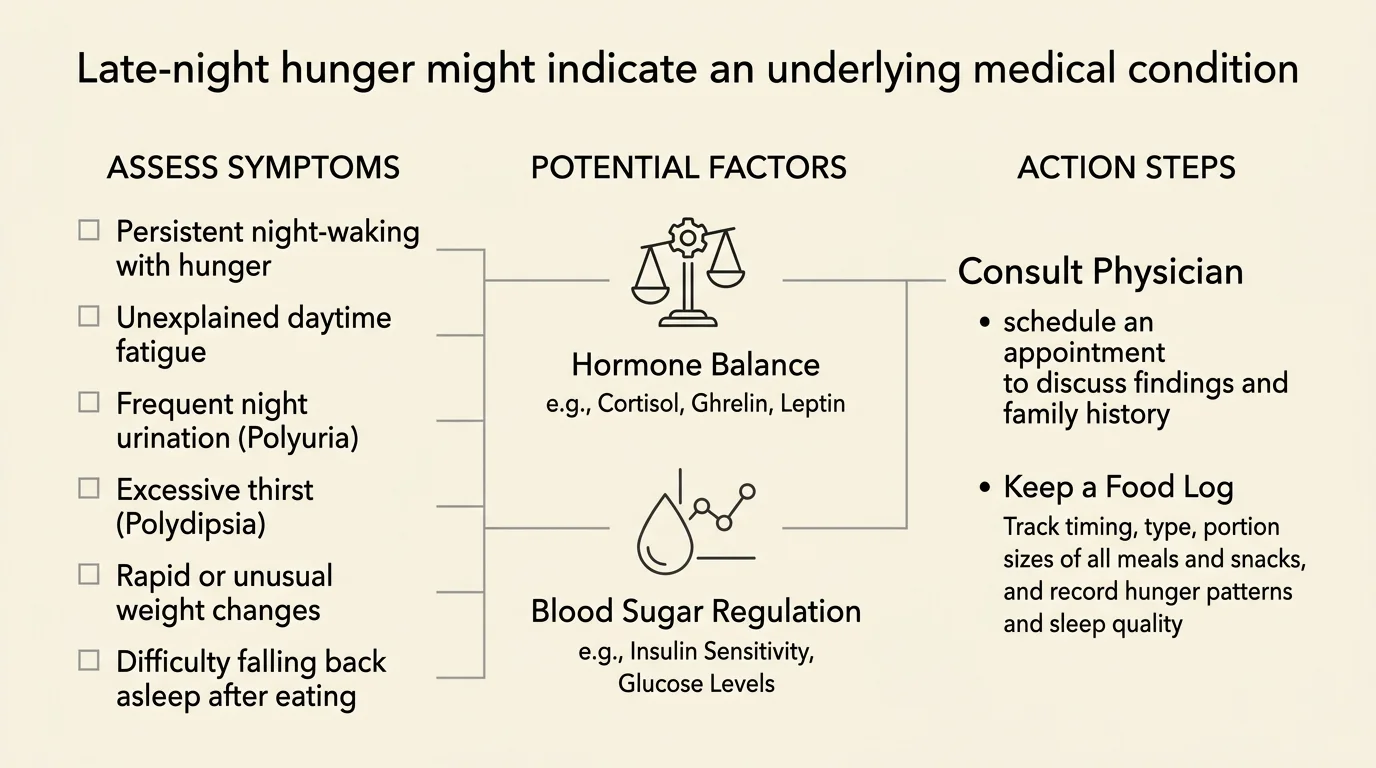
Sometimes, persistent nighttime hunger stems from medical issues requiring professional intervention rather than simple willpower. Night Eating Syndrome is a recognized clinical condition where a significant portion of daily caloric intake occurs after dinner, often accompanied by insomnia and emotional distress. If you frequently wake up in the middle of the night feeling compelled to eat before you can return to sleep, discussing these behavioral patterns with a healthcare provider becomes essential.
Additionally, undiagnosed gastroesophageal reflux disease—commonly known as GERD—can masquerade as intense hunger. The physical sensation of excess stomach acid creeping into the esophagus feels remarkably similar to hunger pangs. Eating temporarily soothes this discomfort by pushing the acid down, accidentally reinforcing a continuous cycle of nighttime snacking and weight gain. The Centers for Disease Control and Prevention emphasizes the vital connection between adequate rest and overall metabolic health. Consulting a registered dietitian or gastroenterologist ensures you receive the specialized care necessary to protect your wellbeing.

Real Voices from the Health Community
Leading dietitians consistently emphasize that successful weight management requires biological consistency rather than strict deprivation. Clinical nutritionists regularly point out that restricting calories too severely during the daylight hours almost guarantees a catastrophic binge when evening arrives. The prevailing advice encourages individuals to consume adequate, balanced meals throughout the morning and afternoon. When you nourish yourself properly during your active hours, your late-night food choices transform from desperate cravings into intentional, portion-controlled nutritional top-offs.
Global health initiatives from organizations like the World Health Organization echo this sentiment, noting that holistic, unrestrictive approaches to daily nutrition yield the most sustainable long-term results. Sleep specialists confirm that patients who stabilize their evening blood sugar through intelligent snacking routinely report fewer sleep interruptions and vastly improved daytime energy levels.
Frequently Asked Questions
Does eating late at night slow down my metabolism?
Your metabolism does not shut off when the sun goes down. While your metabolic rate decreases slightly during deep sleep, your body continuously expends energy to maintain vital organ functions. Nighttime weight gain typically occurs because people consume heavily processed, calorie-dense foods in the evening, pushing them into a caloric surplus. Timing matters far less than total food quality and daily caloric balance.
How long before bed should I stop eating?
Aim to finish substantial meals two to three hours before lying down. This window provides your stomach with adequate time to empty, significantly reducing the risk of acid reflux and indigestion. However, if you experience genuine physical hunger closer to bedtime, consuming a small, easily digestible snack from the recommended options thirty minutes before sleep remains perfectly healthy.
Can drinking water before bed help with weight loss?
Staying hydrated absolutely supports metabolic efficiency and helps your body process nutrients. Drinking water can also satisfy the sensation of hunger, as mild dehydration often mimics an empty stomach. Balance this benefit against the disruption of waking up for bathroom trips by stopping large fluid intakes roughly ninety minutes before sleep, relying instead on small sips.
Should I ignore a growling stomach if I am trying to lose weight?
Ignoring true, physical hunger rarely yields positive long-term results. Going to bed hungry frequently elevates stress hormones, making it incredibly difficult to fall asleep. Poor sleep quality then drives up your hunger hormones the following morning. Proactively choose a low-glycemic, protein-rich snack that stabilizes your system and allows you to rest peacefully without compromising your nutritional objectives.
Taking the First Step Toward Better Nights
Transforming your evening habits begins with small, sustainable adjustments rather than sweeping overnight restrictions. Your nutritional journey requires patience, self-compassion, and a willingness to listen to your body rather than strictly following rigid dieting rules. Access to fresh produce and specialized ingredients varies from person to person, but adopting a mindful approach to whatever wholesome, minimally processed foods you have available makes a profound difference in your overall health.
Tonight, pay close attention to your physical cues as evening approaches. Ask yourself if you are genuinely hungry, or if you simply crave comfort and distraction after a long day. If true hunger arises, choose one accessible option from the strategies discussed, plate it thoughtfully, and eat it without digital distractions. Empower yourself to nourish your body adequately, trusting that strategic, nutrient-dense choices will support both your immediate rest and your long-term health goals.






Leave a Reply