

Choosing between decaf coffee and regular coffee directly impacts your daily energy, digestion, and long-term cardiovascular health. Dietitians emphasize that neither option is universally superior; instead, analyzing your individual caffeine tolerance helps you select the brew that best supports your unique biology. Regular coffee delivers cognitive enhancements and metabolic boosts through its natural stimulant properties, whereas decaf provides nearly identical antioxidant benefits without the sleep disruption or acid reflux flare-ups. Navigating the coffee menu requires understanding how decaffeination alters bean chemistry and recognizing when your nervous system signals a need for change. Mastering your daily habit transforms a simple morning ritual into a targeted strategy for sustained wellness.
The Science Snapshot: Dissecting the Bean
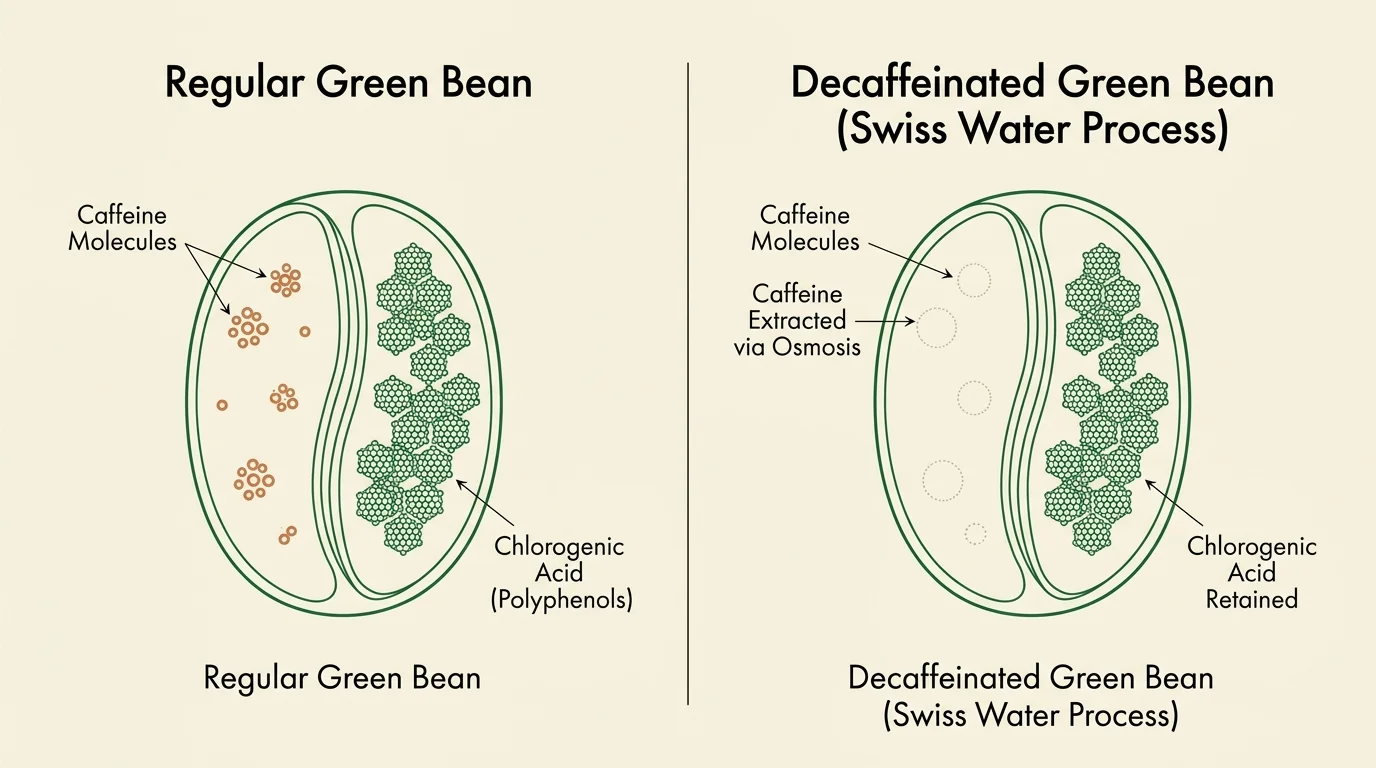
Understanding the fundamental chemistry of your morning brew empowers you to make informed dietary choices. Both regular and decaffeinated coffee originate from the exact same raw green coffee beans, meaning they share a complex matrix of over one thousand bioactive compounds. The most prominent among these are polyphenols, specifically chlorogenic acid, which acts as a powerful antioxidant in the human body. Chlorogenic acid aggressively neutralizes free radicals, reduces systemic inflammation, and plays a substantial role in cellular repair. Extensive research demonstrates that the roasting process also generates melanoidins, which provide the dark brown color of your beverage and further contribute to its antioxidant capacity. By studying clinical insights on caffeine consumption, researchers continually validate that the overarching health benefits of coffee stem primarily from these plant compounds rather than the stimulant itself.
The core divergence between the two beverages occurs during the decaffeination phase, which takes place before the beans ever reach a roaster. Manufacturers utilize various methods to extract the stimulant while attempting to preserve the delicate flavor profiles and antioxidant structures. Traditional chemical processes soak the green beans in solvents like ethyl acetate or methylene chloride, which bond to the caffeine molecules and lift them away. Alternatively, the popular Swiss Water Process relies entirely on osmosis, utilizing pure water and precisely calibrated temperature controls to gently coax the caffeine out over several hours. Regardless of the extraction method, decaffeination preserves the vast majority of the beneficial polyphenols. Therefore, choosing decaf does not mean you forfeit the potent disease-fighting properties associated with lifelong coffee consumption.

The Core Differences in Health Outcomes
The health outcomes associated with regular versus decaffeinated coffee hinge almost entirely on how your specific biology interacts with central nervous system stimulants. When you consume a standard cup of regular coffee, the caffeine rapidly enters your bloodstream and crosses the blood-brain barrier. Once inside the brain, caffeine expertly mimics a neurotransmitter called adenosine, which normally builds up throughout the day to signal fatigue. By blocking these adenosine receptors, regular coffee artificially prevents you from feeling tired while simultaneously triggering your adrenal glands to release adrenaline and cortisol. This acute hormonal surge sharpens your focus, elevates your mood, and increases your reaction time, making regular coffee a highly effective tool for powering through demanding cognitive tasks or early morning meetings.
However, this artificial state of heightened alertness demands a physiological toll that some bodies simply cannot afford. If you struggle with chronic stress, hypertension, or generalized anxiety, regularly flooding your system with adrenaline often exacerbates your symptoms. For individuals carrying specific variations of the CYP1A2 gene—which dictates how quickly the liver metabolizes caffeine—a single morning cup can leave stimulants circulating in the bloodstream for up to twelve hours. These slow metabolizers typically experience profound health benefits when transitioning to decaffeinated coffee. Decaf allows you to maintain the comforting psychological ritual of a warm morning beverage without putting your adrenal glands under constant siege. Reviewing the cardiovascular dietary guidelines emphasizes that while moderate caffeine is safe for the general population, listening to your individual biological feedback remains the ultimate metric for healthy choices.

Strategy Pillar: Optimizing Nutrition and Digestion
Your digestive tract responds dramatically to the chemical composition of coffee, making gastrointestinal comfort a critical factor in your beverage selection. Both decaf and regular coffee contain various plant acids that actively stimulate the production of gastrin, a hormone that signals your stomach to release digestive juices and accelerates colon motility. This mechanism explains why your morning cup often prompts an immediate bathroom visit. While this mild laxative effect helps many people maintain digestive regularity, the addition of caffeine in regular coffee significantly amplifies the contractions in your digestive tract. If you suffer from Irritable Bowel Syndrome or frequent stomach cramping, the aggressively stimulating nature of regular coffee may trigger unwanted flare-ups, making decaf a significantly safer baseline choice for sensitive digestive systems.
Beyond motility, you must carefully consider the acidity of your daily brew and its relationship to acid reflux or gastroesophageal reflux disease. Caffeine actively relaxes the lower esophageal sphincter, the muscular valve separating your stomach from your esophagus. When this valve loosens, stomach acid easily travels upward, resulting in the painful burning sensation of heartburn. By switching to decaf, you remove the primary chemical trigger for this relaxation, often resulting in immediate relief from chronic morning heartburn. Furthermore, dietitians strongly advocate for pairing your coffee—whether decaf or regular—with a solid meal rich in protein and healthy fats. Drinking highly acidic coffee on an empty stomach creates a harsh environment for your gastric lining and spikes your blood sugar. Incorporating affordable, accessible whole foods alongside your beverage ensures you protect your gut lining while maximizing the antioxidant absorption from the beans.
Strategy Pillar: Syncing Movement and Performance
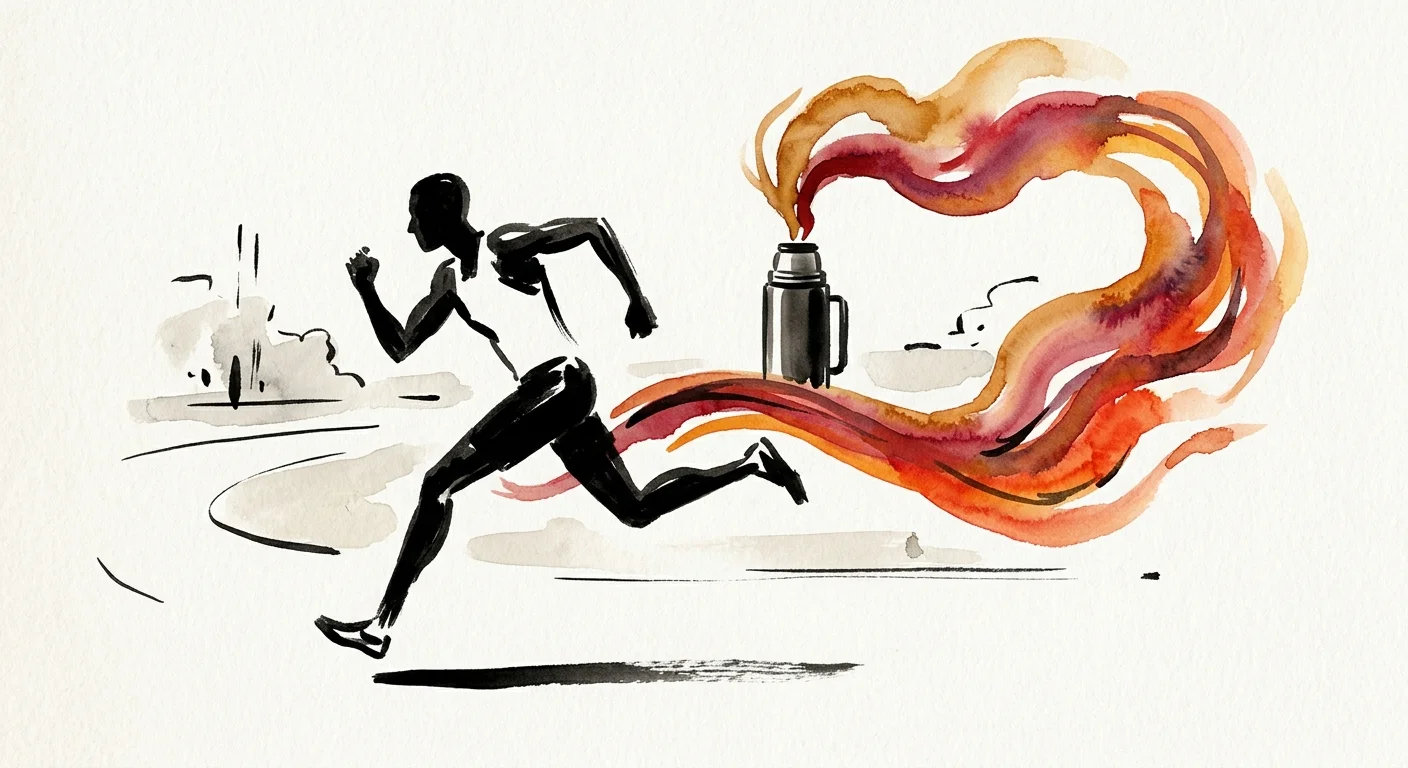
Athletic performance and daily physical movement present a unique context where regular coffee frequently outperforms its decaffeinated counterpart. Sports dietitians widely recognize caffeine as a safe, highly effective ergogenic aid that consistently improves physical output across various disciplines. When consumed roughly forty-five minutes before exercise, regular coffee mobilizes fatty acids from your fat tissues, allowing your muscles to burn fat for fuel and preserve precious glycogen stores. Furthermore, the central nervous system stimulation actively lowers your perceived rate of exertion. This psychological advantage means that lifting heavy weights, enduring a grueling run, or participating in a high-intensity interval training class feels noticeably easier. If you plan to engage in vigorous morning exercise, deploying regular coffee as a strategic performance enhancer offers well-documented, tangible benefits.
Conversely, decaffeinated coffee claims the spotlight when you coordinate your movement routines with evening recovery. Many people prefer to exercise after completing their workday, utilizing movement to bleed off the stress of the office. Consuming regular coffee before a 6:00 PM workout introduces a massive disruption to your body clock. For late-day exercisers, decaf coffee shines as an ideal pre-workout alternative. It provides the psychological cue and comforting warmth of your standard pre-gym ritual without interfering with the parasympathetic nervous system’s ability to wind down afterward. Reviewing current sports medicine literature on exercise performance highlights that matching your beverage choice to the specific timing and intensity of your movement routine yields the best physiological results.

Strategy Pillar: Mindset, Sleep, and Nervous System Regulation
Protecting your sleep architecture stands as one of the most vital components of holistic health, and your coffee habits play a dominant role in determining your sleep quality. Caffeine boasts a biological half-life of approximately five to six hours. If you consume a strong cup of regular coffee at 3:00 PM to combat the mid-afternoon slump, a significant portion of that stimulant actively circulates through your brain tissue well past 9:00 PM. This residual caffeine severely delays the natural onset of melatonin production and fractures your slow-wave, deep sleep phases. You may feel like you slept through the night, but the disruption prevents your brain from effectively clearing out metabolic waste and repairing cellular damage. This chronic lack of deep sleep inevitably fuels higher cortisol levels the following day, trapping you in an exhausting cycle of fatigue and caffeine dependency.
Implementing a firm daily caffeine cutoff time transforms your nervous system regulation and dramatically improves your psychological resilience. Dietitians frequently recommend utilizing decaf coffee as the perfect bridge beverage for the afternoon hours. By swapping your 2:00 PM regular coffee for a decaf alternative, you successfully satisfy the behavioral habit of stepping away from your desk for a warm drink without sabotaging your circadian rhythm. This simple, actionable switch allows your autonomic nervous system to gradually transition from the sympathetic fight-or-flight state required for daily tasks into the parasympathetic rest-and-digest state necessary for evening relaxation. For individuals actively managing chronic stress or panic disorders, entirely removing the chemical catalyst of caffeine by committing strictly to decaf often leads to a profound reduction in baseline anxiety levels.

Real Voices: Clinical Perspectives on Your Daily Brew
Clinical dietitians and holistic health practitioners consistently observe that patients often overlook their liquid calories and beverage habits when diagnosing chronic fatigue. A registered dietitian evaluating a new client will almost immediately audit their daily coffee consumption. Clinical practitioners routinely note that patients rely on regular coffee not for enjoyment, but as a crutch to mask severe sleep deprivation and poor nutritional foundations. The clinical consensus shifts the perspective from viewing coffee as an essential life-support system to treating it as an optional, enjoyable supplement. Medical professionals emphasize that true energy must originate from adequate hydration, balanced macronutrients, and restorative sleep, with coffee serving only as an occasional enhancement.
When guiding patients toward healthier habits, clinical nutritionists frequently employ the “half-caf” transition strategy to mitigate the harsh realities of caffeine withdrawal. Abruptly stopping regular coffee often triggers severe tension headaches, brain fog, and profound irritability as the brain struggles to upregulate blood flow without the stimulant. To prevent this, dietitians instruct patients to blend regular and decaffeinated beans in equal measure, slowly increasing the ratio of decaf over several weeks. This methodical tapering process respects your biology and ensures sustainable, long-term habit change. Because every individual manages complex health histories differently, it remains vital to collaborate with a qualified professional through a credentialed dietary directory before making drastic shifts, ensuring your beverage choices actively support your specific medical needs.
Frequently Asked Questions About Decaf vs. Regular Coffee
Does decaf coffee still contain caffeine?
Decaffeinated coffee is not entirely caffeine-free, though the remaining amounts are incredibly small. The strict regulatory standards for decaffeination require manufacturers to remove at least ninety-seven percent of the original caffeine content from the beans. As a result, a typical eight-ounce cup of decaf contains roughly two to five milligrams of caffeine, compared to the ninety-five to one hundred milligrams found in a standard cup of regular coffee. For the vast majority of people, this trace amount remains entirely imperceptible and will not trigger a nervous system response. However, individuals with severe hypersensitivity or specific medical contraindications should recognize that drinking multiple large cups of decaf throughout the day can eventually lead to a mild accumulation of the stimulant.
Is the decaffeination process toxic?
Concerns regarding the toxicity of decaffeination stem from the historical use of harsh chemical solvents, but modern manufacturing processes are heavily regulated and entirely safe. When producers use solvents like ethyl acetate—a compound naturally found in fruits—the beans undergo intense steaming and roasting at high temperatures that effectively vaporize any residual chemicals. Strict consumer safety regulations mandate that any remaining trace amounts fall vastly below the threshold for human toxicity. If you prefer to completely avoid chemical exposure out of an abundance of caution, you can easily source beans labeled with the Swiss Water Process or the Carbon Dioxide extraction method, both of which rely entirely on natural elements to strip away the caffeine while preserving the integrity of the bean.
Can regular coffee cause heart palpitations?
Yes, regular coffee frequently causes benign heart palpitations in susceptible individuals. Because caffeine aggressively stimulates the sympathetic nervous system and prompts the release of adrenaline, your heart muscle temporarily contracts with greater force and speed. This rapid heart rate or fluttering sensation in the chest usually subsides as your liver metabolizes the caffeine. While these transient palpitations are generally harmless for people with healthy cardiovascular systems, they understandably cause significant anxiety and physical discomfort. Transitioning to decaffeinated coffee removes this powerful nervous system trigger, and most individuals report an immediate cessation of caffeine-induced palpitations within days of making the switch.
Do both types of coffee dehydrate you?
The persistent belief that coffee aggressively dehydrates the human body represents a fundamental misunderstanding of fluid dynamics. While isolated caffeine acts as a mild diuretic that gently encourages your kidneys to flush sodium and water, the actual volume of liquid in a standard cup of coffee completely counteracts this minor fluid loss. Whether you choose to brew regular or decaffeinated beans, the beverage itself consists of roughly ninety-eight percent water. Therefore, both regular and decaf coffee actively contribute to your total daily hydration goals. You do not need to drink an extra glass of water to offset your morning coffee, as the beverage naturally hydrates your bodily tissues while delivering its payload of beneficial antioxidants.
Cultivating a Healthier Coffee Ritual
Transforming your daily coffee routine begins with paying deep attention to the physical signals your body broadcasts after your first morning cup. Check in with your nervous system roughly one hour after finishing your beverage. Notice the rhythm of your resting heart rate, evaluate the clarity of your mental focus, and pay attention to any subtle churning in your digestive tract. If you discover that your current brew leaves you feeling jittery, anxious, or plagued by midday crashes, grant yourself permission to experiment with high-quality decaf alternatives.
Your path to sustainable wellness relies on matching your dietary inputs to the immediate needs of your lifestyle. Consider implementing the half-caf strategy tomorrow morning as a manageable, low-stakes experiment. By intentionally blending your regular grounds with a decaf roast, you take immediate control over your stimulant intake without sacrificing the comforting warmth and rich aroma that anchors your morning routine. True health optimization happens not through rigid deprivation, but by making subtle, informed adjustments that respect and support your unique physiological needs.









Leave a Reply