

Your upcoming Medicare wellness visit will soon look different, as 2027 changes to the Health Risk Assessment directly impact the preventive care and supplemental benefits you receive. By understanding how these new guidelines work, you can secure better coverage for chronic conditions and daily needs. The Centers for Medicare and Medicaid Services now require insurers to link your specific assessment answers to measurable health outcomes and targeted resources, such as over-the-counter benefit debit cards. This means your responses during your annual visit carry more weight than ever before. Knowing exactly what to say and how to accurately describe your physical, mental, and social health ensures your medical team builds a personalized, comprehensive safety net around you.

The Science Snapshot: Why Your Annual Visit is Evolving
Federal regulators recognize that optimal aging requires more than just checking boxes on a medical form. Starting in 2027, the Centers for Medicare and Medicaid Services have fully phased in a revised risk adjustment model that alters how healthcare providers document chronic conditions. This overhaul captures an accurate picture of patient health by demanding that clinical assessments trigger immediate interventions. When you fill out your Health Risk Assessment, the resulting data directly dictates the funding your health plan receives to manage your care for the following year.
In the past, you might have skipped over a question about mild fatigue. Today, downplaying your symptoms can actively harm your healthcare access. Research shows that patients who minimize their struggles often miss out on crucial early interventions, leading to severe complications. The new framework forces insurers to justify the supplemental benefits they offer; they must connect your self-reported struggles to objective criteria.
If you fail to communicate your challenges, the system assumes you require zero additional support. By speaking up, you activate the algorithms designed to deliver specialized resources directly to your doorstep. For a deeper understanding of how these assessments shape clinical pathways, explore the official coverage parameters for preventive visits.

Strategy Pillar 1: Reframe Your Nutrition and Daily Living Needs
Nutrition dictates how your body fights infection, maintains muscle, and repairs cellular damage. Under the 2027 guidelines, your access to Special Supplemental Benefits for the Chronically Ill heavily depends on how you articulate your nutritional challenges. Insurers now use your Health Risk Assessment answers to activate grocery allowances and meal preparation services. You must approach this section with radical honesty.
Think about your daily routine over the last month. Do you struggle to open jars or stand at the stove long enough to cook a hot meal? Does a limited budget force you to choose high-sodium, processed foods over fresh proteins and vegetables? Share these specific details with your provider. Instead of offering a generic statement like “my diet is fine,” explain that arthritis makes chopping vegetables impossible. This exact phrasing gives your doctor the objective criteria needed to authorize specialized support.
Furthermore, dental health directly impacts your nutritional intake. If you avoid certain nutrient-dense foods because chewing causes pain, document this limitation thoroughly. Proper documentation opens the door to registered dietitian consultations and dental interventions that you might otherwise pay for out of pocket. For science-backed strategies on optimizing your diet, review the evidence-based nutrition guidelines for older adults published by the National Institute on Aging. Always consult your primary care physician before making significant changes to your diet or taking new supplements.
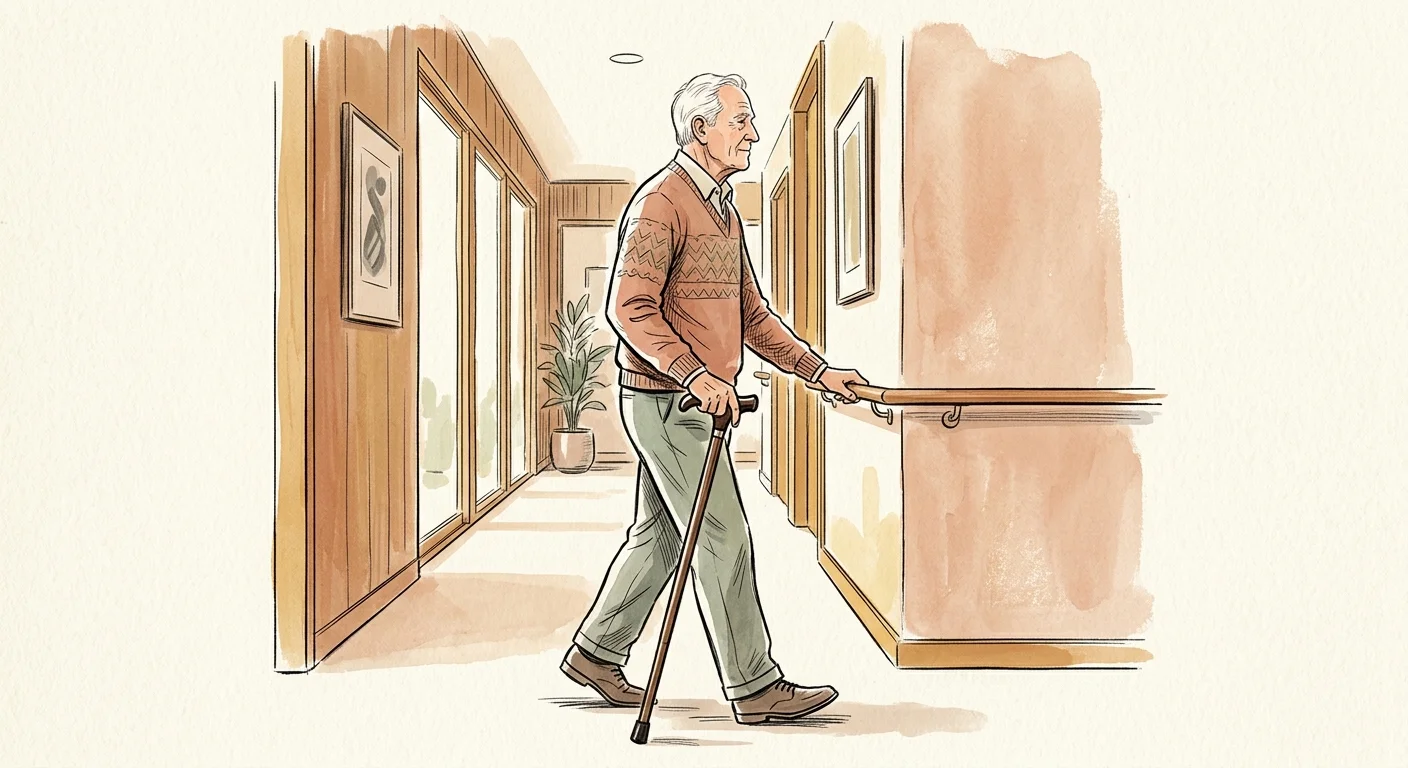
Strategy Pillar 2: Document Every Nuance of Your Movement and Mobility
Mobility encompasses your balance, stamina, and joint stability. As the new federal models emphasize predicting long-term costs associated with falls and orthopedic decline, your healthcare team needs a meticulous accounting of your physical capabilities. The instinct to act tough works against you in the examination room. If your physician does not know you struggle to climb the stairs, they cannot order the interventions that keep you independent.
Spend the week before your assessment tracking every physical hesitation. Note if you need to hold onto the furniture while navigating your living room or if standing up requires multiple attempts. When asked about physical activity, provide concrete examples. Explain that neuropathy makes walking on uneven pavement dangerous, or that lower back pain forces you to abandon your gardening hobbies.
Your transparent answers unlock specialized care. Detailing your balance issues directly justifies referrals for physical therapy, occupational therapy, and home safety evaluations. These programs can provide assistive devices, custom exercises, and home modifications like shower grab bars. To better understand how your mobility responses trigger protective care, review the clinical fall prevention strategies developed by the Centers for Disease Control and Prevention. Keep in mind that you should always work with healthcare professionals before starting any rigorous new exercise regimen.

Strategy Pillar 3: Vocalize Your Mindset and Cognitive Health
Your cognitive health and emotional well-being significantly influence your physical recovery and medication adherence. The 2027 updates introduce stricter performance metrics for health plans regarding depression screenings and subsequent mental health care. When you take the Health Risk Assessment, you will encounter questions from standard mental health questionnaires designed to measure isolation, anxiety, and depressive symptoms.
Brushing off persistent sadness as a normal part of aging is a critical mistake. Many people feel a lingering stigma around mental health conversations, yet your brain requires the same medical attention as your heart. If you experience chronic sleep disturbances, a lack of motivation to socialize, or escalating anxiety, write it down. Be specific about how these feelings impact your daily life. A statement like “I spend most days sitting alone because I feel too overwhelmed to call my friends” provides actionable data for your clinician.
Honest reporting triggers a safety net of supportive care. Based on your assessment scores, your plan must facilitate follow-up interventions, which could include telehealth counseling sessions or community day programs that combat isolation. Your emotional health directly dictates your physical resilience. For a comprehensive look at how cognitive factors integrate with overall wellness, read the global mental health perspectives from the World Health Organization.

Strategy Pillar 4: Coordinate Your Medical Care and Chronic Conditions
One of the most significant shifts in the 2027 healthcare landscape involves how your chronic conditions are documented. The updated models demand that every diagnosis you carry is re-evaluated and recorded annually. A diagnosis established three years ago drops off your risk profile if your physician does not explicitly document its current impact. This regulatory change requires you to treat your annual visit as a comprehensive audit of your medical history.
Prepare a detailed inventory of your symptoms before you walk into the clinic. Do not assume your doctor remembers the mild kidney issue you discussed last November. Bring a list of every specialist you have visited, every new medication you take, and every side effect you experience. If you live with diabetes, describe the exact frequency of your blood sugar spikes and any tingling in your extremities. If you have a cardiovascular condition, detail any shortness of breath felt while carrying groceries.
This precise documentation ensures your health plan allocates the exact funding required for continuous care. Without this annual re-coding, you risk losing coverage for specialized monitoring devices. Your proactive communication guarantees that your medical file reflects the reality of your daily life, securing the personalized care pathways you deserve.

Real Voices: What Clinicians Are Saying About the 2027 Shifts
Medical professionals echo a singular message regarding the new assessment guidelines; they need you to become an active investigative partner in your healthcare. Geriatricians frequently express frustration when patients withhold critical information out of pride. A clinician only has a brief window of time to evaluate you, making the Health Risk Assessment the most powerful tool they have to understand your comprehensive needs.
Registered dietitians and physical therapists note that early intervention represents the gold standard of care. They stress that a minor knee twinge reported today can prevent a catastrophic fall tomorrow. Clinicians rely on your unfiltered answers to navigate the bureaucracy of modern healthcare. When you provide explicit details about your challenges, you give your doctor the exact terminology needed to justify referrals and secure coverage for advanced treatments. Ultimately, healthcare providers view the 2027 changes as an opportunity to move toward proactive, holistic support. However, they cannot build that support system if you hide your struggles. Your transparency bridges the gap between a standard medical file and a dynamic care plan.
Frequently Asked Questions About the 2027 Health Risk Assessment
Will answering honestly about my physical struggles increase my Medicare premiums?
No; your Medicare premiums are not calculated based on your individual health status or your Health Risk Assessment answers. Providing an honest account of your medical challenges ensures your specific health plan receives the appropriate federal funding required to cover your elevated care needs. Your transparency increases your access to necessary resources without penalizing your wallet.
Do I need to schedule a separate appointment just for this assessment?
Typically, you complete the Health Risk Assessment alongside your Annual Wellness Visit. However, under the 2027 regulations, certain integrated care plans may reach out within your first ninety days of enrollment to complete this assessment by phone or mail. If you receive a request from your insurer, you should complete it promptly to activate your preventive benefits.
Can a family member or caregiver fill out the assessment on my behalf?
Yes; if you face cognitive challenges, experience severe fatigue, or prefer the assistance, a designated caregiver can help you complete the form. Caregivers provide a crucial outside perspective on your daily limitations, ensuring the medical team receives a highly accurate picture of the challenges you face at home.
What happens if I lose my supplemental debit card benefits based on my answers?
Recent federal guidelines require health plans to base supplemental benefit eligibility on objective clinical criteria. If you fail to document your ongoing needs, you could temporarily lose access to certain resources. Should your health status change, you have the right to request a reassessment. Keep in mind that personalized care is essential; you should always advocate for yourself and work directly with your primary care provider to appeal any coverage decisions.
Your Next Step Toward Empowered Healthcare
Taking control of your healthcare trajectory starts well before you sit on the examination table. Your most powerful tool is preparation. This week, grab a notebook and dedicate ten minutes a day to recording your physical, nutritional, and emotional challenges. Notice the small hurdles, like the effort required to prepare a meal or the lingering anxiety that disrupts your sleep. When you carry this detailed log into your next Health Risk Assessment, you transform a routine questionnaire into a blueprint for your longevity. Take pride in advocating for your needs; absolute honesty is the foundation of sustainable health.









Leave a Reply