
Managing your daily regimen of prescriptions and over-the-counter supplements holds the key to safeguarding your long-term independence and vitality. You likely take vitamins to support your heart, bones, or immune system, yet mixing certain natural supplements with common senior medications often triggers hidden and potentially dangerous interactions. An everyday calcium pill can unexpectedly neutralize your thyroid medication, while a simple vitamin E supplement might increase bleeding risks when combined with blood thinners. Understanding these biochemical collisions empowers you to maximize the benefits of your healthcare plan without accidentally undermining your prescriptions. By learning exactly which vitamins and minerals clash with your daily medications, you can make informed choices and protect your physiological equilibrium.

The Hidden Chemistry Behind Supplement and Drug Collisions
When you swallow a prescription medication, your body initiates a complex sequence of chemical reactions designed to absorb, distribute, metabolize, and eventually excrete the drug. As we age, our physiological systems naturally change. Kidney clearance rates slow down, liver mass decreases, and the volume of water in our bodies shifts. These age-related changes already require your physician to carefully calibrate your medication dosages to prevent dangerous buildup in your bloodstream. When you introduce highly concentrated vitamins and minerals into this delicate biological environment, you introduce variables that can dramatically alter how your body processes those essential medications.
The pharmaceutical industry designs most oral medications under the assumption that they will encounter a relatively stable digestive environment. However, many common over-the-counter dietary supplements alter stomach acidity, physically bind to drug molecules, or compete for the exact same processing enzymes in your liver. For instance, a specific family of liver enzymes known as cytochrome P450 handles the breakdown of a vast majority of common medications. Concentrated botanical extracts and high-dose vitamins can inhibit these enzymes, causing your prescription drugs to accumulate to toxic levels. Conversely, some supplements accelerate these enzymes, flushing the medication from your system before it can provide any therapeutic benefit. Recognizing that natural does not automatically mean safe is the foundational step in protecting your health and optimizing your medical treatments.
Navigating the Most Common Vitamin and Mineral Interactions
Building a safe daily routine requires you to recognize the specific combinations that pose the greatest risk to your wellbeing. While thousands of interactions exist in medical literature, several specific vitamins and minerals repeatedly surface in geriatric care as major culprits for adverse events. By familiarizing yourself with these primary offenders, you can proactively audit your own medicine cabinet.
Calcium and Iron Sabotaging Thyroid and Bone Medications
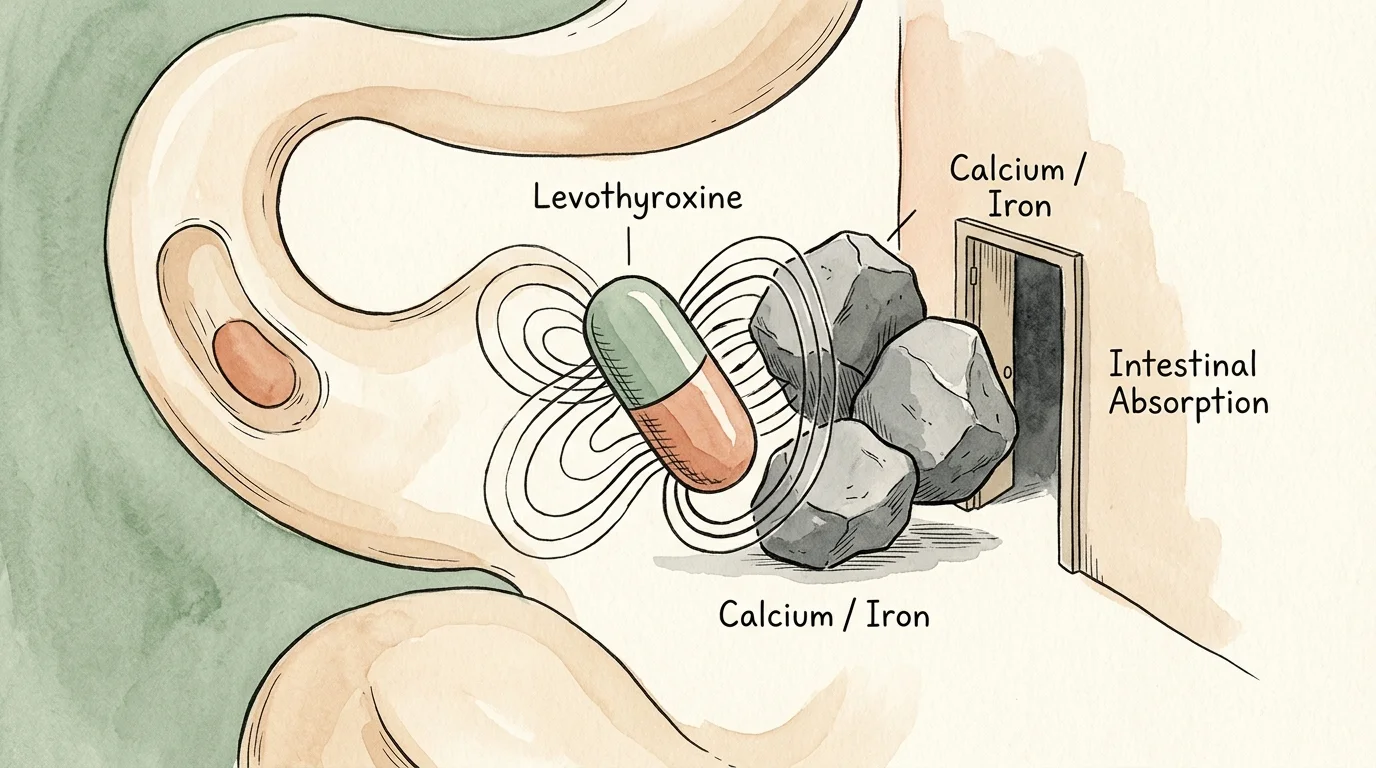
Calcium and iron represent two of the most frequently recommended supplements for older adults, heavily promoted to preserve bone density and combat anemia. Unfortunately, these dense minerals act like chemical magnets in your digestive tract. If you take a calcium or iron supplement alongside levothyroxine—the standard treatment for an underactive thyroid—the minerals bind directly to the synthetic hormone. This physical binding process, known as chelation, creates a solid complex that your intestines cannot absorb. Your body simply excretes the medication, leaving you vulnerable to profound fatigue, weight gain, and depressive symptoms associated with untreated hypothyroidism. Similarly, if you take osteoporosis medications known as bisphosphonates, taking them alongside calcium completely neutralizes their bone-protecting effects. You must separate these medications from mineral supplements by a minimum of four hours to ensure your body actually absorbs your expensive prescriptions.
Vitamin K and the Blood Clotting Cascade
If your doctor prescribes the blood thinner warfarin to prevent strokes or manage atrial fibrillation, your relationship with vitamin K requires intense vigilance. Warfarin works specifically by blocking your body from using vitamin K to produce blood-clotting proteins. When you consume a vitamin K supplement—often marketed for bone or cardiovascular health—you directly antagonize the medication. This pushes your blood clotting time out of the safe therapeutic window, putting you at severe risk for developing deep vein thromboses or suffering a stroke. The key to managing this interaction lies in absolute consistency. You do not necessarily need to eliminate vitamin K entirely, but you must maintain the exact same daily intake so your doctor can accurately calibrate your warfarin dosage around your established habits.
Vitamin E and Unintended Bleeding Risks
Many older adults turn to high-dose vitamin E supplements for their antioxidant properties and perceived benefits for cognitive preservation. However, vitamin E possesses mild blood-thinning capabilities of its own. When you combine high doses of vitamin E with daily aspirin regimens or newer class anticoagulant medications like apixaban, you subject your vascular system to a compounding effect. This synergistic reaction heavily impairs your platelets’ ability to clump together and seal microscopic tears in your blood vessels. Even a minor fall or a simple bump against furniture can result in severe bruising or, much more dangerously, internal bleeding. You must critically evaluate the necessity of antioxidant supplements if your primary care physician already manages your cardiovascular risks with antiplatelet therapy.
Potassium Elevating the Threat of Heart Arrhythmias
Leg cramps frequently disrupt the sleep of older adults, prompting many to reach for over-the-counter potassium supplements or specialized salt substitutes. While potassium plays a critical role in nerve and muscle function, it interacts severely with two major classes of blood pressure medications: ACE inhibitors and angiotensin receptor blockers. These blood pressure drugs naturally cause your kidneys to retain potassium. If you add a concentrated potassium supplement to the mix, your blood potassium levels can spike dangerously high—a condition known as hyperkalemia. Elevated potassium fundamentally disrupts the electrical signaling in your heart muscle, leading to palpitations, weakness, and potentially fatal cardiac arrhythmias.

Cultivating a Proactive Approach to Your Supplement Routine
Modern healthcare often involves consulting multiple specialists, from cardiologists to rheumatologists. Unfortunately, these distinct medical professionals rarely utilize a unified charting system, leaving you as the primary custodian of your health data. When patients visit a specialist, they frequently remember to list their prescription drugs but omit their daily vitamins, assuming natural products lack clinical relevance. This breakdown in communication represents a massive systemic vulnerability. You must adopt a mindset that treats every capsule, gummy, or powdered extract you consume as an active pharmacological agent.
Social determinants of health also play a significant role in this dynamic. In rural or underserved areas, access to dedicated geriatric specialists remains sparse. Older adults in these communities often rely heavily on over-the-counter remedies and general health advice to manage chronic pain or energy loss. When professional medical oversight is limited, the responsibility of identifying medication interactions falls disproportionately on the patient. Building your health literacy and meticulously tracking your daily intake offers your best defense against accidental harm.

Collaborating with Your Healthcare Team
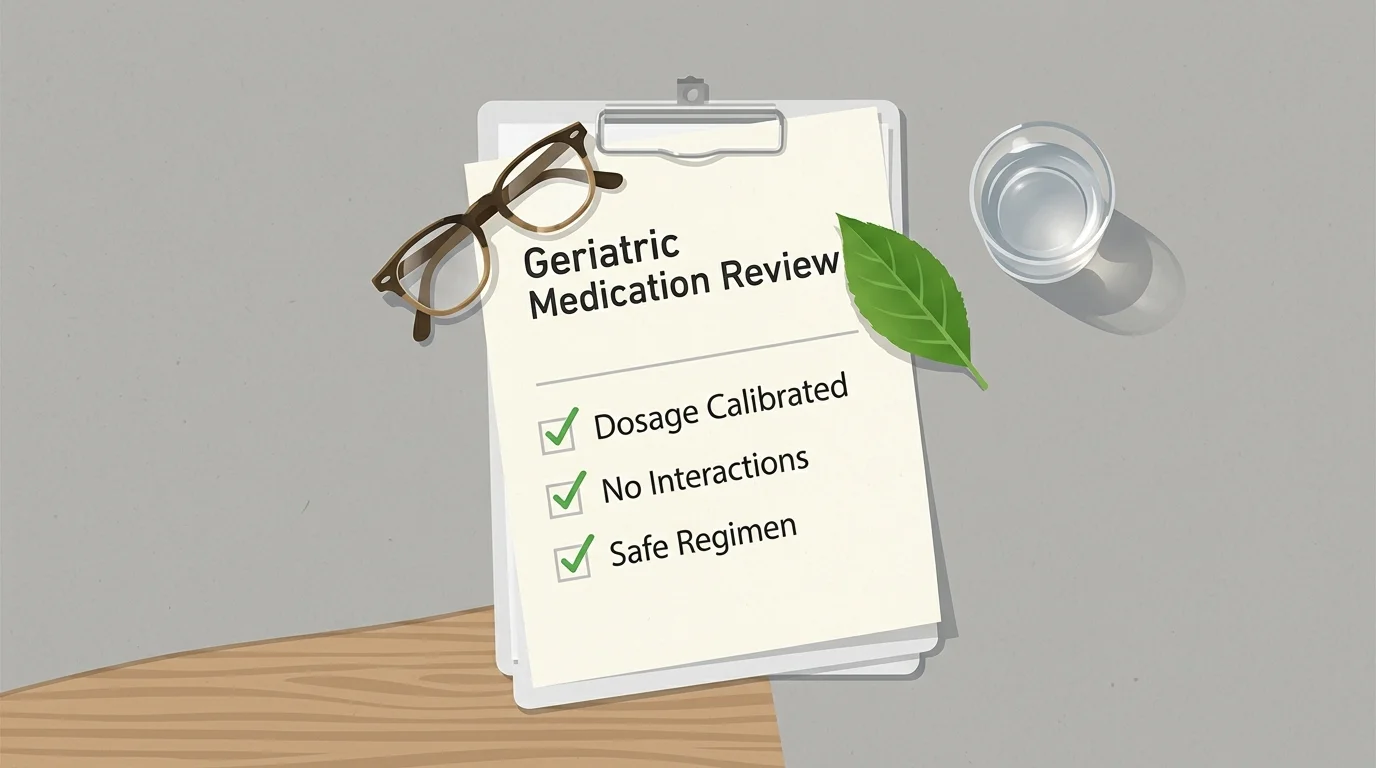
Your local pharmacist serves as one of the most accessible and underutilized experts in your medical network. Pharmacists undergo extensive training in pharmacokinetics and drug interactions, making them uniquely qualified to audit your daily regimen. You can leverage their expertise by scheduling a comprehensive medication review. Many clinical advocates suggest utilizing the brown bag method—literally placing every prescription bottle, vitamin jar, and herbal extract you consume into a bag and bringing it to your pharmacy for a direct consultation. Relying on professional resources, such as those provided through the federal dietary supplement guidelines, ensures you receive evidence-based safety parameters rather than marketing claims.
Furthermore, you must learn to distinguish the symptoms of a drug interaction from the natural aging process. Patients frequently dismiss sudden bouts of dizziness, uncharacteristic muscle weakness, or lingering brain fog as inevitable consequences of getting older. In reality, these symptoms often perfectly align with a newly introduced vitamin interacting with a long-standing prescription. Always report sudden cognitive or physical shifts to your doctor, expressly mentioning any new supplements you recently integrated into your routine.
Perspectives from Geriatric Specialists
Clinical geriatricians consistently emphasize that less is often more when managing an older adult’s nutritional profile. Professional organizations, including those that curate criteria for safe medication use in older adults, warn against the cascade effect. This phenomenon occurs when an interaction causes a side effect, and a doctor mistakenly prescribes a brand-new medication to treat that side effect, creating a dangerous and unnecessary spiral. You can consult the safety frameworks endorsed by the national geriatrics organizations to understand how experts evaluate the risk-to-benefit ratio of any pill.
Consider a common scenario observed in clinical practice: A patient managing high cholesterol with a modern statin decides to add a high-dose niacin supplement to their routine, hoping to boost their cardiovascular defense. Niacin, which is simply vitamin B3, acts powerfully on lipid levels. However, combining it with a prescription statin dramatically increases the risk of myopathy—a painful and severe breakdown of muscle tissue. The patient might assume they pulled a muscle in their back or legs, completely unaware that a chemical collision between their prescription and their daily vitamin caused the debilitating pain. Reviewing independent databases, such as the comprehensive guides available through federal health information portals, can help you identify these overlapping risks before they manifest physically.
Frequently Asked Questions About Supplement Safety
Can I safely take my interacting supplements if I space them a few hours apart from my medication?
Timing your doses correctly often mitigates absorption interactions, but it does not solve everything. For physical binding interactions—like calcium blocking your thyroid medication—separating the doses by three to four hours usually allows the prescription to absorb safely into your bloodstream. However, if the interaction occurs in the liver, as with supplements that alter your metabolic enzymes, spacing the doses out will not protect you. The supplement’s active compounds remain in your system for days, altering how your liver processes the medication regardless of what time the pills entered your stomach.
Do daily multivitamins contain enough minerals to cause a dangerous drug interaction?
Standard multivitamins generally contain much lower, safer doses of minerals compared to standalone, highly concentrated supplements. However, the cumulative effect still matters. Even the modest amount of calcium and iron found in a standard multivitamin possesses enough binding power to severely reduce the efficacy of medications like levothyroxine or certain antibiotics. You should always take your daily multivitamin with a meal later in the day, completely segregated from your morning prescription routines.
Will eating foods naturally high in these vitamins cause the same interactions as taking concentrated supplements?
In most cases, extracting nutrients from whole foods presents a significantly lower risk than consuming concentrated supplement capsules. Foods contain complex structural matrices that slow down digestion and nutrient absorption, preventing the massive, sudden spikes in blood levels that trigger many interactions. The notable exception remains vitamin K and warfarin; eating a massive portion of spinach or kale will rapidly alter your blood clotting metrics. For vitamins and minerals like calcium or vitamin E, obtaining them through a balanced diet is overwhelmingly safer and rarely disrupts your prescription medications.
How can I tell if I am experiencing a medication and supplement interaction rather than a new medical condition?
Distinguishing an interaction from a new illness requires acute self-awareness and tracking. If you develop unexplained symptoms—such as dizziness upon standing, sudden spontaneous bruising, rapid heartbeat, or profound lethargy—within a few weeks of starting a new vitamin regimen, an interaction is a highly probable suspect. You should maintain a symptom journal noting exactly when you take your pills and when your discomfort peaks. Presenting this detailed timeline to your primary care physician allows them to quickly identify a pharmacological collision rather than subjecting you to unnecessary diagnostic testing.
Taking Control of Your Nutritional and Medical Harmony
Empowering yourself through education transforms you from a passive patient into an active architect of your own longevity. You possess the ability to optimize your health by simply examining the labels in your medicine cabinet and questioning the necessity of every capsule you swallow. Understanding the intricate dance between your essential prescription drugs and your natural supplements guarantees that your efforts to stay healthy do not inadvertently harm you. Organizations dedicated to pharmaceutical safety provide rigorous, updated safety alerts regarding these exact combinations through consumer regulatory updates, keeping you informed as new scientific data emerges.
Your most vital next step requires no financial investment and only a small fraction of your time. Gather every prescription bottle, daily vitamin, herbal extract, and over-the-counter pain reliever in your home, and schedule a brief consultation with your local pharmacist to review the entire collection. As you prepare your physical items for this review, ask yourself: Am I taking this specific vitamin because my doctor identified a physiological deficiency, or am I taking it merely out of a generalized fear of aging?








Leave a Reply