

Starting this month, a sweeping change in Medicare Part D will finally unlock access to life-changing obesity medications for millions of seniors, fundamentally altering the landscape of healthy aging. For years, older adults struggling to manage their weight and related cardiovascular risks faced exorbitant out-of-pocket costs for GLP-1 therapies, but the new July 2026 provisions dismantle this financial barrier. If you rely on Medicare and have considered pharmaceutical support to enhance your metabolic health, you must understand exactly how these benefits apply to your specific plan. Let us explore the nuances of this landmark coverage update, the scientific consensus on medicated weight management in older populations, and the practical steps you can take to secure the treatment you deserve.
A Science Snapshot: Why Medicare Changed Course
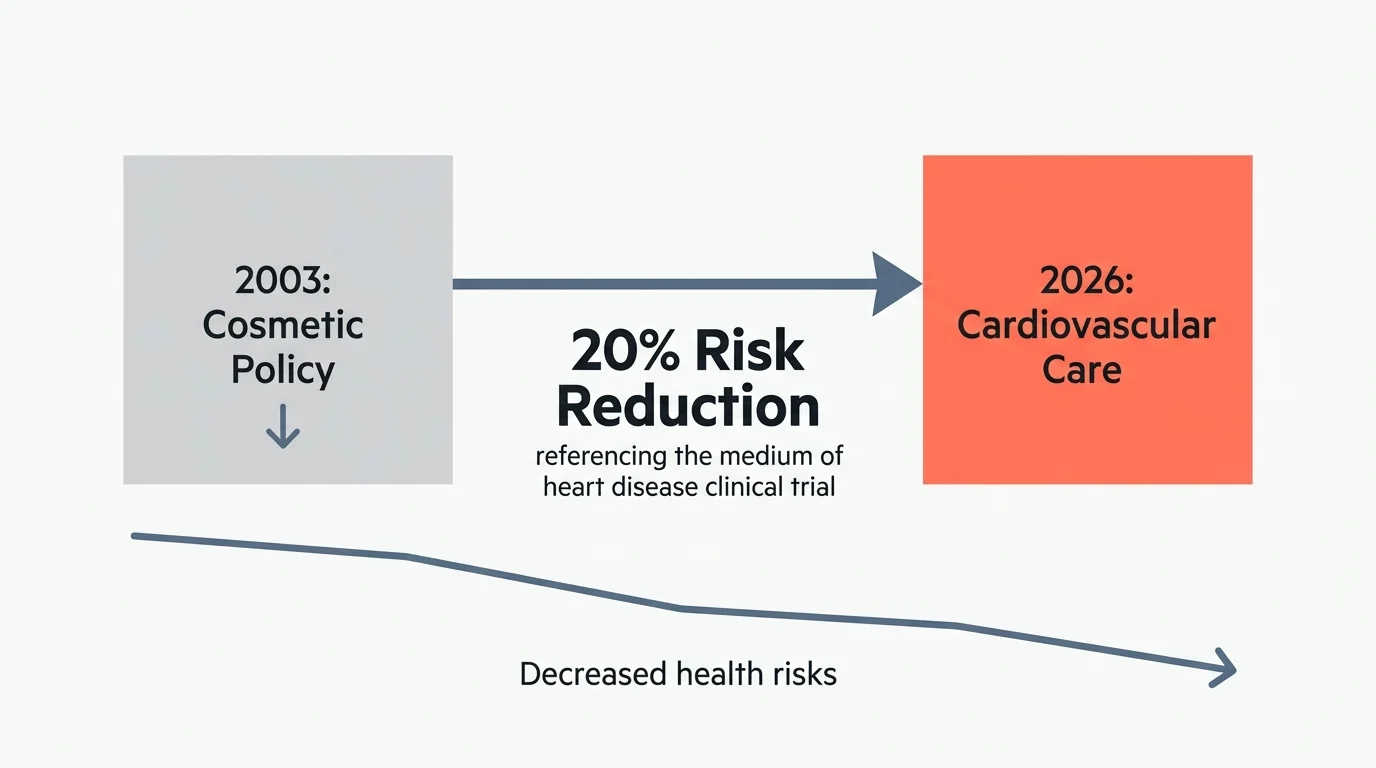
For nearly two decades, Medicare policy specifically excluded weight loss medications from Part D coverage. Legislators drafted the original Medicare Modernization Act of 2003 under the outdated assumption that obesity represented a cosmetic issue rather than a complex, chronic disease. However, rigorous clinical research has relentlessly dismantled that narrative. The medical community now understands that excess adipose tissue actively drives systemic inflammation, accelerates joint degradation, and dramatically increases the risk of major adverse cardiovascular events.
The paradigm shifted permanently when researchers published the results of the landmark SELECT trial. The data demonstrated that semaglutide—the active pharmaceutical ingredient in several popular GLP-1 receptor agonists—reduced the risk of heart attacks, strokes, and cardiovascular deaths by twenty percent in overweight adults with preexisting heart disease. This undeniable evidence forced regulatory bodies to reevaluate their stance. The Food and Drug Administration officially expanded the approved indications for these medications to include cardiovascular risk reduction, providing the necessary legal pathway for the Centers for Medicare and Medicaid Services to authorize coverage.
Now that July 2026 has arrived, prescription drug plans across the country have integrated these therapies into their formularies. The medications work by mimicking naturally occurring incretin hormones. They communicate directly with the appetite centers in your brain to promote early satiety, while simultaneously improving how your pancreas secretes insulin. By addressing the physiological root causes of metabolic dysfunction, these tools empower older adults to achieve sustainable weight reduction that previously felt impossible through mere calorie restriction alone.

Strategy Pillars: Navigating Your New Coverage Options
Pillar One: Understanding the Medical Care and Prescription Parameters
Securing coverage requires you to navigate specific bureaucratic parameters; you cannot simply request a prescription for cosmetic weight loss. Medicare guidelines mandate that your physician prescribe the medication for a medically accepted indication beyond general obesity. In most cases, you must present a documented history of cardiovascular disease, elevated cardiovascular risk factors, or another qualifying comorbidity alongside a body mass index that categorizes you as overweight or obese.
You should initiate this process by scheduling a comprehensive metabolic evaluation with your primary care physician or a board-certified geriatrician. During this appointment, ask your doctor to review your cardiovascular history and determine if a GLP-1 receptor agonist aligns with your long-term health objectives. Your provider will need to submit a prior authorization request to your Medicare Part D or Medicare Advantage plan, detailing your medical history and explaining why this specific therapy is a medical necessity.
Furthermore, you must review your specific plan details to understand your financial responsibilities. Thanks to the out-of-pocket prescription drug spending cap fully implemented under the Inflation Reduction Act, seniors face a maximum annual threshold for prescription costs. Once you reach this cap, your plan will cover the remainder of your pharmaceutical expenses for the year. To gather the most accurate information regarding your specific formulary tiers and copayments, you can consult the official Medicare Part D guidelines or speak directly with your plan administrator.
Pillar Two: Optimizing Nutrition to Support Medication Efficacy
While GLP-1 medications effectively reduce your appetite, they do not dictate the quality of the food you consume. When you eat significantly less volume, every single bite must deliver intense nutritional value. Older adults face a critical risk known as sarcopenic obesity—the simultaneous presence of excess body fat and severely depleted muscle mass. Rapid weight loss often accelerates muscle degradation, which can quickly lead to frailty, compromised balance, and a devastating loss of independence.
You must prioritize high-quality protein to protect your lean tissue. Geriatric nutritionists generally recommend consuming between 1.0 and 1.2 grams of protein per kilogram of your target body weight daily, distributed evenly across your meals. Incorporate easily digestible sources such as Greek yogurt, cottage cheese, lean poultry, fish, eggs, and plant-based options like edamame and lentils. If your reduced appetite makes eating large meals difficult, you might consider utilizing whey or plant-based protein isolates to meet your daily requirements.
Beyond protein, you need to maintain adequate hydration and ensure a robust intake of micronutrients. GLP-1 medications slow gastric emptying, which can occasionally cause gastrointestinal discomfort or blunt your natural thirst cues. Drink plenty of water throughout the day and emphasize fiber-rich vegetables and fruits to support digestive motility. For tailored dietary strategies that accommodate your changing appetite, you should review the Academy of Nutrition and Dietetics resources for healthy aging and consider booking a consultation with a registered dietitian.
Pillar Three: Incorporating Movement for Long-Term Independence
Medication and nutrition provide the foundation for metabolic health, but physical movement serves as the structural scaffolding that preserves your mobility. Cardiovascular exercises like brisk walking, swimming, or cycling remain excellent choices for heart health, yet they do not adequately stimulate your muscles to prevent tissue loss during a calorie deficit. To safeguard your physical autonomy, you must incorporate resistance training into your weekly routine.
You do not need to lift heavy barbells or join an intimidating commercial gym to reap the benefits of strength training. Simple, functional movements—such as standing up from a chair, carrying groceries, or performing wall push-ups—activate large muscle groups and signal your body to retain its lean mass. Start by integrating resistance band exercises or light dumbbells into your schedule two to three days a week. Focus on controlled movements that target your legs, core, and upper back.
If you have joint concerns, arthritis, or a history of falls, seek guidance from a physical therapist who can design a customized, safe exercise program. A professional will teach you proper biomechanics and help you progressively challenge your muscles without risking injury. You can explore evidence-based protocols tailored for older populations through the National Institute on Aging exercise recommendations, which offer comprehensive guides on building strength safely.
Pillar Four: Cultivating a Resilient Healthspan Mindset
Transforming your body composition in your sixties, seventies, or beyond requires a significant psychological adjustment. Many seniors have spent decades navigating the exhausting cycle of restrictive fad diets, internalized weight stigma, and deep-seated guilt. The introduction of highly effective medical therapies can suddenly alter a lifelong relationship with food, which sometimes triggers unexpected emotional responses.
You must actively reframe your perspective on weight management. Shift your focus away from the number on the scale or outdated societal beauty standards; concentrate instead on your healthspan—the portion of your life spent in good health, free from chronic disease and disability. Celebrate the non-scale victories. Notice how much easier it feels to climb a flight of stairs, pay attention to the reduction of pain in your weight-bearing joints, and appreciate the stabilized blood pressure readings at your doctor’s office.
Acknowledge that utilizing a prescription medication to correct a metabolic deficiency is no different than taking a statin for high cholesterol or a beta-blocker for hypertension. Release any lingering shame associated with seeking pharmaceutical support. If you struggle with the emotional aspects of rapid bodily changes or notice an increase in anxiety, consider discussing these feelings with a licensed counselor who specializes in geriatric life transitions.

Real Voices: Clinician Perspectives on Senior Weight Management
Geriatric specialists have observed firsthand the profound impact these new coverage rules have on patient outcomes. Dr. Aris Thorne, a clinical researcher focusing on aging and metabolism, emphasizes that GLP-1 therapies offer a unique opportunity for older adults to reclaim their vitality. He notes that when patients combine these medications with targeted physical therapy and aggressive nutritional support, they often reverse the trajectory of age-related functional decline. The medication acts as a physiological reset button, allowing patients to engage in the very lifestyle interventions that previously felt physically impossible due to joint pain or severe fatigue.
Cardiologists share a similarly optimistic outlook regarding the July 2026 Medicare updates. Specialists routinely highlight that reducing visceral fat directly relieves the mechanical burden on the heart and drastically lowers systemic inflammation. By viewing these drugs through the lens of cardiovascular protection rather than mere weight reduction, clinicians can construct comprehensive care plans that prioritize longevity. Medical professionals uniformly agree that the prescription pad represents just one tool in a multifaceted strategy; the most successful patients are those who treat the medication as a catalyst for holistic, sustainable lifestyle improvements.
Frequently Asked Questions About Medicare Obesity Drug Coverage
Which specific weight management medications will my plan cover?
Medicare Part D and Medicare Advantage plans now cover GLP-1 receptor agonists—such as specific formulations of semaglutide and tirzepatide—when a physician prescribes them for a medically accepted indication beyond cosmetic weight loss. Because the FDA approved these agents to reduce the risk of major adverse cardiovascular events in adults with existing cardiovascular disease and elevated body mass indexes, plans will authorize them for patients meeting those precise clinical criteria. Always review your specific plan’s formulary, as preferred drug tiers vary by provider.
How much will I pay out of pocket for these treatments?
Your exact copayment depends entirely on your specific Part D plan design, your deductible status, and your pharmacy choice. However, federal law provides a crucial financial safety net. The Inflation Reduction Act established a strict annual cap on out-of-pocket prescription drug costs for Medicare beneficiaries. Once your total out-of-pocket spending on covered medications reaches this defined limit for the calendar year, your plan absorbs the remaining costs. This cap makes accessing expensive biologic therapies significantly more predictable and manageable on a fixed income.
Do I need to meet a specific weight threshold to qualify for a prescription?
Yes, clinical guidelines typically require patients to meet specific body mass index criteria before a physician can prescribe these medications. Generally, providers look for a BMI of 27 or higher accompanied by a weight-related comorbidity—such as hypertension, type 2 diabetes, or established cardiovascular disease. For patients without those specific secondary conditions, a higher BMI threshold usually applies. Your doctor will assess your complete physical profile, considering your muscle mass and fat distribution, to determine if you meet the rigorous medical necessity requirements.
What actions can I take if my Medicare plan denies my initial prescription request?
You have the absolute right to appeal any coverage denial. If your plan rejects the initial prior authorization, do not abandon the process. Work closely with your prescribing physician to submit a formal letter of medical necessity. This document should highlight your clinical history, detail previous failed attempts at weight management, and explicitly reference the American College of Cardiology protocols supporting the use of these agents for cardiovascular risk reduction. Often, providing additional clinical documentation successfully overturns the initial administrative denial.
Moving Forward: Your Next Steps
The July 2026 Medicare coverage updates represent a monumental victory for senior health, offering you unprecedented access to medications that can definitively alter your cardiovascular risk profile. However, coverage alone will not transform your health; you must actively step forward to claim these benefits. The window of opportunity to optimize your metabolic function and protect your independence is wide open.
Take one manageable action today: log into your Medicare online portal or call the customer service number on the back of your insurance card to request a copy of your updated 2026 formulary. As you review your benefits, ask yourself how preserving your physical mobility and safeguarding your heart could change the way you experience the next decade of your life. Armed with the right information, a supportive medical team, and a commitment to nourishing your body, you possess everything you need to thrive.









Leave a Reply