
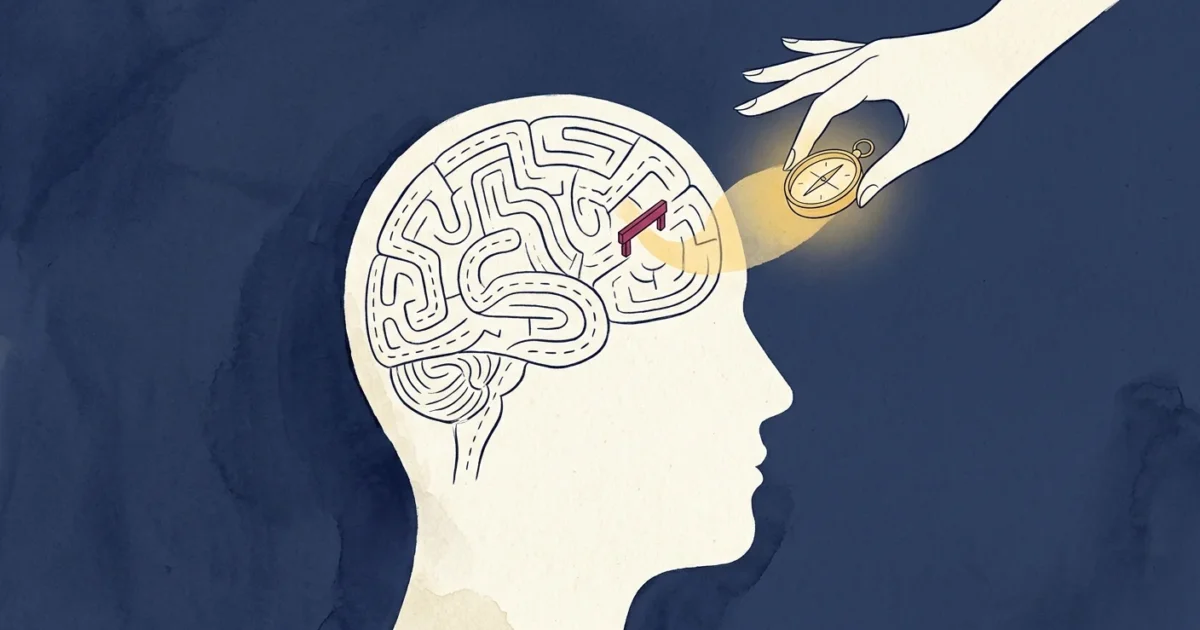
Understanding the specific types of headaches you experience is the most critical step toward finding effective relief and reclaiming your daily focus. Rather than enduring relentless throbbing or sharp pain, you can pinpoint the root cause of your discomfort to deploy targeted strategies that actually work. Whether a tension ache wraps tightly around your forehead during a stressful workday or a severe migraine forces you into a dark room, ignoring the warning signs often prolongs your suffering. Learning to identify distinct headache symptoms empowers you to navigate treatment options confidently. By making informed adjustments to your routines and seeking appropriate medical guidance, you can significantly reduce both the frequency and intensity of future episodes.
The Science Behind Your Head Pain
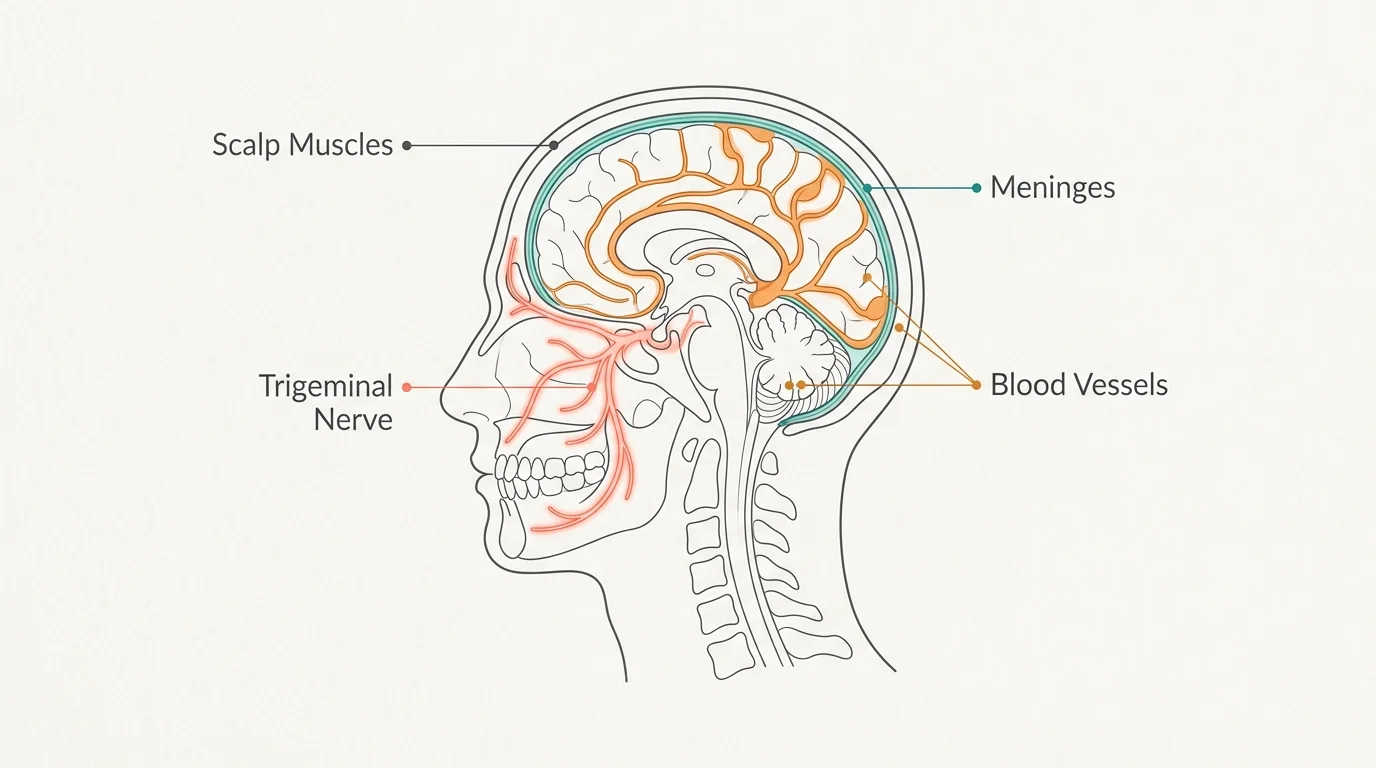
When you experience an episode of head pain, your brain tissue itself is not actually hurting, because the brain completely lacks pain receptors. Instead, the surrounding physiological structures—such as the blood vessels, meninges, and sensitive scalp muscles—contain nerve fibers that transmit distress signals to your central nervous system. The trigeminal nerve, a major pain pathway in your face and head, frequently plays a central role in these neurological events. When activated by external triggers like high stress levels, drastic hormonal shifts, or specific dietary components, this nerve releases neuropeptides that cause surrounding tissues to become inflamed and blood vessels to dilate. This rapid neurogenic inflammation creates the distinctive throbbing sensation you often feel during a severe attack.
According to clinical data compiled by the World Health Organization, nearly half of the global adult population has experienced head pain at least once within the last year, highlighting how widespread these neurological events truly are. Medical researchers broadly categorize these occurrences into primary and secondary classifications. Primary headaches exist as standalone neurological issues without an underlying disease causing them; secondary headaches emerge as symptoms of other underlying health conditions, such as acute viral infections, severe dehydration, or head trauma. Understanding this physiological baseline helps you recognize that your pain stems from a complex biological response, not a personal failing, and requires targeted, evidence-based interventions to manage properly.
Recognizing Common Types of Headaches
To pursue an effective headache treatment protocol, you must first accurately identify the specific pain patterns you are experiencing. Self-awareness provides the necessary foundation for medical professionals to build a successful care plan.
Tension Headaches
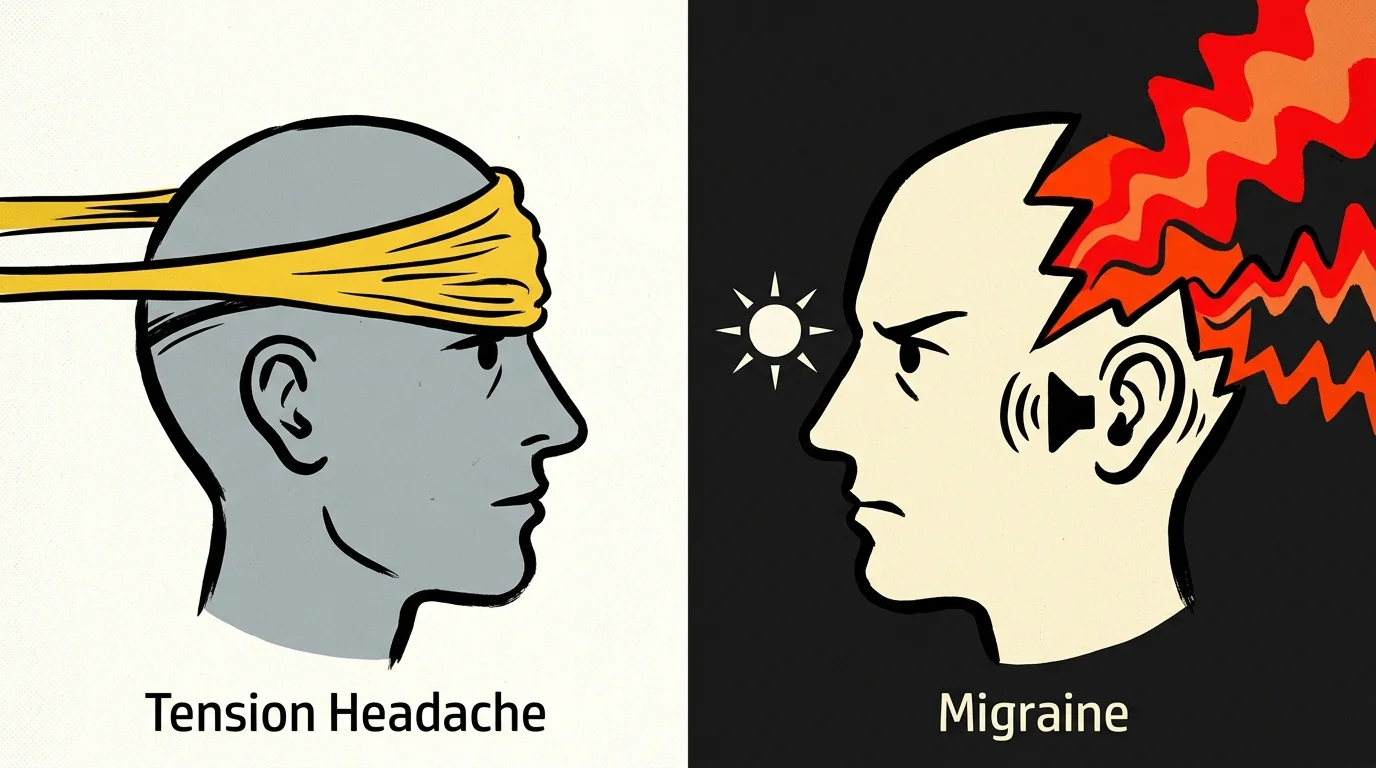
Tension headaches represent the most prevalent form of head pain among working adults. If you feel a dull, constant, non-throbbing ache that feels exactly like a tight rubber band squeezing your forehead, you are likely dealing with this specific variation. You might also notice distinct tenderness in your scalp, neck, and shoulder muscles when you press on them. These episodes rarely cause debilitating nausea or visual disturbances, allowing you to stubbornly continue your daily activities despite the annoying, persistent discomfort. Because they directly correlate with poor posture and emotional stress, tension episodes frequently strike in the middle of a demanding workday.
Migraines
Migraines deliver a much more intense and systemic experience, often incapacitating sufferers for hours or even days. When a migraine strikes, you typically feel a severe, pulsing, or throbbing pain isolated on one side of your head. Severe headache symptoms routinely accompany this centralized pain, including profound sensitivity to ambient light, loud sounds, and strong odors, alongside intense nausea and vomiting. Some individuals experience an aura roughly thirty minutes before the pain begins—a neurological warning sign that manifests as visual disturbances like flashing lights, blind spots, or tingling in the face and hands. Because these attacks completely disrupt daily function, securing reliable migraine relief remains a massive priority for both patients and modern neurological researchers.
Cluster Headaches
Cluster headaches are significantly less common but notoriously agonizing. They occur in cyclical, predictable patterns, or clusters, where you might experience intense, piercing, burning pain behind or around one specific eye multiple times a day for weeks or months at a time. This severe pain often abruptly awakens people from deep sleep and causes the affected eye to tear heavily, while the nostril on the exact same side becomes persistently congested. Unlike migraine sufferers who prefer to lie perfectly still in a dark room, individuals experiencing cluster headaches often feel intensely restless and feel compelled to pace the floor. The sheer severity of this condition demands prompt clinical intervention to break the pain cycles.
Sinus Headaches
Sinus headaches cause deep, continuous, throbbing pain in your prominent cheekbones, forehead, or the bridge of your nose. The pressure noticeably intensifies with sudden head movement, bending over, or physical straining. You will typically experience other classic sinus symptoms simultaneously, such as thick nasal discharge, a feeling of plugged fullness in your ears, and a low-grade fever. Interestingly, many people who believe they have sinus issues are actually experiencing undiagnosed migraines, as the trigeminal nerve can trigger nasal congestion during a migraine attack. Accurate diagnosis by a healthcare professional is absolutely crucial here to rule out other serious health conditions that require antibiotics versus specialized neurological care.

Strategic Pillars for Headache Treatment
Treating chronic head pain requires a comprehensive, multifaceted approach rather than relying entirely on emergency over-the-counter pain relievers. By addressing your daily lifestyle, physical environment, and systemic health, you can actively build a resilient defense against future neurological attacks.
Nutrition and Hydration Strategies
What you actively consume directly influences your neurological stability throughout the day. Dehydration stands out as one of the most frequent and easily preventable triggers for spontaneous head pain. When you fail to consume adequate fluids, your brain tissue can momentarily contract, physically pulling away from the skull and triggering highly sensitive pain receptors. You should consciously aim to drink water consistently throughout the day, adjusting your daily intake based on your physical activity levels and the local climate. Beyond basic hydration, specific dietary choices can either provoke or calm your sensitive nervous system. Aged cheeses containing tyramine, processed deli meats loaded with nitrates, and artificial sweeteners frequently spark intense episodes in sensitive individuals.
Conversely, intentionally incorporating nutrient-dense foods can protect your brain. Magnesium plays a vital role in regulating essential neurotransmitters and supporting proper blood vessel function. Consuming magnesium-rich foods like dark leafy spinach, raw almonds, and black beans can help stabilize volatile nerve pathways. To discover your specific sensitivities, the American Migraine Foundation highly recommends keeping a detailed food and symptom diary. Tracking exactly what you consumed in the critical hours preceding an attack provides a data-driven approach, allowing you to gracefully pinpoint personal triggers without needlessly restricting the foods you genuinely enjoy.
Movement and Musculoskeletal Health
Your habitual physical posture and daily movement patterns heavily dictate the tension carried in your upper body, which frequently translates directly into head pain. If you spend countless hours hunched aggressively over a laptop or continually staring down at a smartphone screen, you place immense mechanical stress on your delicate cervical spine. This chronic tension severely restricts necessary blood flow and constantly irritates the nerves traveling up into your scalp. Implementing daily ergonomic adjustments at your workstation and scheduling regular movement breaks can drastically reduce tension-related episodes.
You should proactively engage in targeted stretching routines that consciously open up your chest cavity and gently elongate your tight neck muscles. Furthermore, performing consistent aerobic exercise naturally releases endorphins, which act effectively as your body’s innate painkillers. Engaging in activities like brisk walking, swimming laps, or light cycling improves overall vascular circulation and naturally reduces the frequency of pain episodes over time. If you constantly struggle with chronic neck-related pain, collaborating with a licensed physical therapist provides you with personalized strengthening exercises to correctly support your head. You can easily locate qualified practitioners through directories maintained by the American Physical Therapy Association.
Stress Management and Mindset
Psychological stress consistently ranks as a dominant, primary trigger for almost all distinct types of headaches. When you encounter deeply stressful situations, your endocrine system floods your body with cortisol and adrenaline, causing your skeletal muscles to tense up defensively and your breathing to become dangerously shallow. This rapid physiological cascade feeds directly into a vicious pain cycle. To successfully disrupt this automatic pattern, you must actively cultivate practical stress management techniques into your daily schedule.
Practicing mindfulness meditation, performing deep diaphragmatic breathing exercises, and utilizing progressive muscle relaxation are incredibly powerful tools that actively calm your overstimulated central nervous system. By consciously shifting your body out of a chronic fight-or-flight state, you tangibly reduce the neurogenic inflammation associated with severe head pain. Furthermore, participating in cognitive behavioral therapy offers significant, lasting benefits for chronic pain sufferers. A trained therapist helps you carefully identify negative thought patterns that unknowingly exacerbate your physical stress, teaching you practical coping mechanisms to navigate physical pain without falling into emotional despair.
Navigating Medical Care and Acute Treatments
While proactive lifestyle modifications form the absolute foundation of lasting relief, appropriate medical intervention remains essential for severe, persistent, or chronic cases. Acute clinical treatments aim to forcefully stop a severe headache once it officially begins. Standard over-the-counter nonsteroidal anti-inflammatory drugs often work exceptionally well for occasional tension headaches; however, relying on them too frequently can quickly lead to medication overuse headaches, creating a deeply frustrating cycle of daily rebound pain.
For specialized migraine relief, doctors frequently prescribe triptans, a specific class of prescription medications that actively block pain pathways in the brain and correctly constrict swollen blood vessels. In recent years, calcitonin gene-related peptide inhibitors have emerged as a truly groundbreaking preventive treatment explicitly designed for chronic migraine sufferers. You must work closely and honestly with a neurologist or primary care physician to safely develop a highly individualized pharmacological strategy. The National Institute of Neurological Disorders and Stroke provides excellent clinical literature on current therapeutic protocols to help you thoroughly prepare for these vital medical conversations.

Voices From the Field: Clinical Perspectives
Hearing directly from seasoned medical professionals highlights the supreme importance of personalized, patient-centric care. Leading neurologists consistently emphasize that there is absolutely no single, universal cure-all for chronic head pain. Specialists frequently remark that treating persistent pain closely resembles solving a complex, multifaceted puzzle; you and your doctor must carefully examine your sleep hygiene, emotional stressors, and daily dietary habits alongside any traditional medical interventions to find lasting success.
Clinical dietitians strongly echo this multidisciplinary sentiment, regularly noting that patients who successfully manage their daily symptoms usually learn to view proper nutrition as a vital form of preventative medicine. They passionately advocate for stabilizing your blood sugar levels through balanced, protein-rich meals to prevent the sudden metabolic drops that frequently trigger brutal afternoon migraines. Patient advocates also strongly stress the absolute necessity of practicing self-compassion. Enduring chronic pain heavily drains your physical energy, and simply acknowledging the unseen difficulty of navigating an invisible illness is vital for protecting your long-term mental health.
Frequently Asked Questions
How do I know if my headache requires immediate medical attention?
Most routine head pain, while highly uncomfortable and disruptive, does not indicate a life-threatening emergency. However, you must seek immediate emergency medical care if you ever experience what emergency doctors refer to as a thunderclap headache—an extraordinarily severe pain that uniquely peaks in intensity within mere seconds. You should also visit an emergency room immediately if your pain is suddenly accompanied by frightening neurological symptoms like a stiff neck, mental confusion, slurred speech, high fever, or sudden weakness on one side of your body. The Centers for Disease Control and Prevention strongly advises that any sudden, severe head pain following a physical head injury requires prompt professional evaluation to safely rule out serious internal complications.
Can certain foods trigger a migraine?
Yes, your daily diet can heavily influence your overall neurological function and vascular stability. Common dietary culprits regularly include excessive alcohol—specifically red wine—highly caffeinated beverages, aged cheeses containing high amounts of tyramine, and heavily processed foods loaded with monosodium glutamate or artificial sweeteners. It is highly important to note that dietary triggers are uniquely individual. A specific food that causes a severe, blinding episode for one person might be completely harmless to you. Maintaining a comprehensive symptom journal safely helps you identify distinct patterns between your meals and your physical discomfort.
Are daily pain relievers safe for chronic headaches?
Taking basic over-the-counter pain medications every single day poses significant, often overlooked risks to your long-term health. Frequent, unmonitored use of these accessible drugs can directly cause medication overuse headaches, commonly known as rebound headaches, where your body becomes physically dependent on the medication and aggressively triggers new pain as soon as the previous dose wears off. Additionally, chronic, daily use of nonsteroidal anti-inflammatory drugs can eventually lead to severe gastrointestinal bleeding or permanent kidney damage. If you find yourself desperately needing acute pain relief more than twice a single week, you should consult your primary doctor immediately.
How does dehydration contribute to head pain?
Clean water is absolutely essential for maintaining optimal blood volume and proper cellular function throughout your body. When you become even mildly dehydrated, your overall blood volume drops slightly, which reduces the critical flow of oxygen and nutrient-rich blood reaching your brain. In response to this deficit, the blood vessels in your brain may aggressively dilate to compensate, leading directly to a throbbing pain sensation. Dehydration also causes slight, temporary brain shrinkage, physically pulling on the pain-sensitive meninges directly surrounding the brain. Simply drinking a large, tall glass of water at the very first sign of a dull ache can sometimes successfully halt the progression of a dehydration-induced episode.
Your Next Step Toward Relief
Taking conscious control of your personal health journey always begins with building clear awareness. Your most practical, immediate first step is to start a simple, daily headache diary. For the next two full weeks, carefully record the exact time your pain starts, its peak intensity, your specific meals, your sleep quality, and your general stress levels that particular day. This tangible, written data will prove incredibly invaluable during your very next medical appointment, effectively transforming vague physical complaints into a clear, actionable clinical pattern. As you reflect on your daily routines, ask yourself: which small, manageable adjustment—whether drinking one extra glass of water or taking a strict five-minute screen break—can I confidently implement today to actively support my neurological health?








Leave a Reply