

If you lie awake wrestling with tension, magnesium delivers rapid physical relaxation, whereas zinc quietly optimizes deep sleep architecture over time. Both minerals influence nocturnal biology, yet they solve completely different nighttime challenges.
Choosing the right mineral depends on whether your restless nights stem from muscle tightness and somatic stress or fragmented circadian rhythms. Many adults struggle with evening restlessness without realizing that subtle dietary gaps fuel their tossing and turning.
Exploring how these two essential nutrients operate will help you make an informed decision for your nightly routine. You can build deeper, more reliable rest by targeting the exact biological pathway keeping you awake.
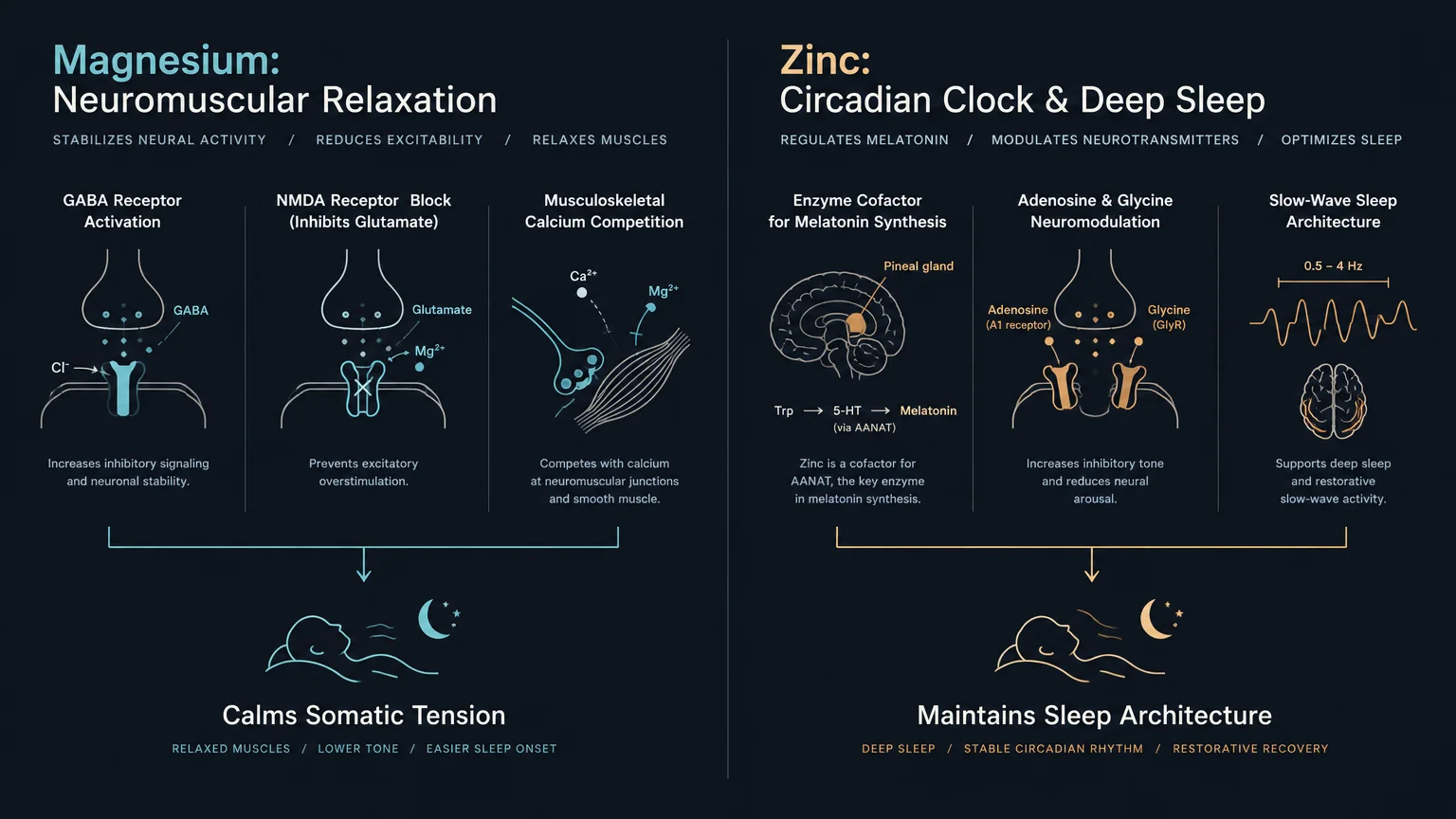
The Biological Duel: How Each Mineral Regulates Nighttime Rest
Magnesium: Calming the Nervous System and GABA Receptors
Magnesium acts as a physiological gatekeeper for your central nervous system by regulating major neurotransmitters. It stimulates gamma-aminobutyric acid, widely known as GABA, which quiets excessive neurological excitability across your brain.
When GABA binds smoothly to its neural receptors, your body leaves sympathetic overdrive and enters a calming parasympathetic state. This shift gently lowers your resting heart rate and eases racing mental loops before bedtime.
Magnesium also blocks N-methyl-D-aspartate receptors to stop excitatory glutamate from overstimulating your brain cells. By moderating glutamate activity, magnesium serves as an organic neurological brake against late-night stress.
In your musculoskeletal system, magnesium competes directly with calcium for intracellular binding sites. While calcium triggers muscular contractions, magnesium signals those same fibers to release, soften, and relax.
Zinc: Orchestrating Melatonin Synthesis and Brain Rhythms
Zinc influences your sleep patterns through its essential role in enzyme catalysis and hormonal production. It serves as an indispensable catalytic cofactor for enzymes that transform serotonin into active melatonin within your pineal gland.
Melatonin directs your master circadian clock, signaling to your brain when daytime alertness must yield to nighttime slumber. When zinc levels fall short, this biochemical conversion slows down, disrupting your natural sleep timing.
Neurobiologists also identify zinc as an important neuromodulator within hippocampal and cerebral synapses. In these neural centers, zinc interacts directly with adenosine and glycine receptors to facilitate slow-wave restorative rest.
Adequate zinc concentrations maintain the structural integrity of your sleep architecture across consecutive nocturnal cycles. This stability helps you sleep smoothly through the night rather than waking repeatedly during light stages.
Physical Muscle Relaxation Versus Deep Sleep Maintenance
Comparing these two essential minerals reveals distinct yet complementary physiological specialties. Magnesium functions primarily as a physical relaxant, alleviating somatic tension and calming hyperactive thought patterns.
Zinc acts as a neurological stabilizer, governing your circadian rhythm and deepening your sleep cycles. While magnesium helps you fall asleep without frustration, zinc helps you stay asleep until morning.
If you struggle with tight muscles, physical restlessness, or pre-bed anxiety, magnesium targets those immediate physical roadblocks. Conversely, if you fall asleep easily but wake up multiple times feeling unrefreshed, zinc provides valuable support.
Your personal sleep symptoms should dictate which mineral you prioritize in your evening routine. Pinpointing your primary sleep hurdle prevents unnecessary supplementation and yields faster, more noticeable improvements.
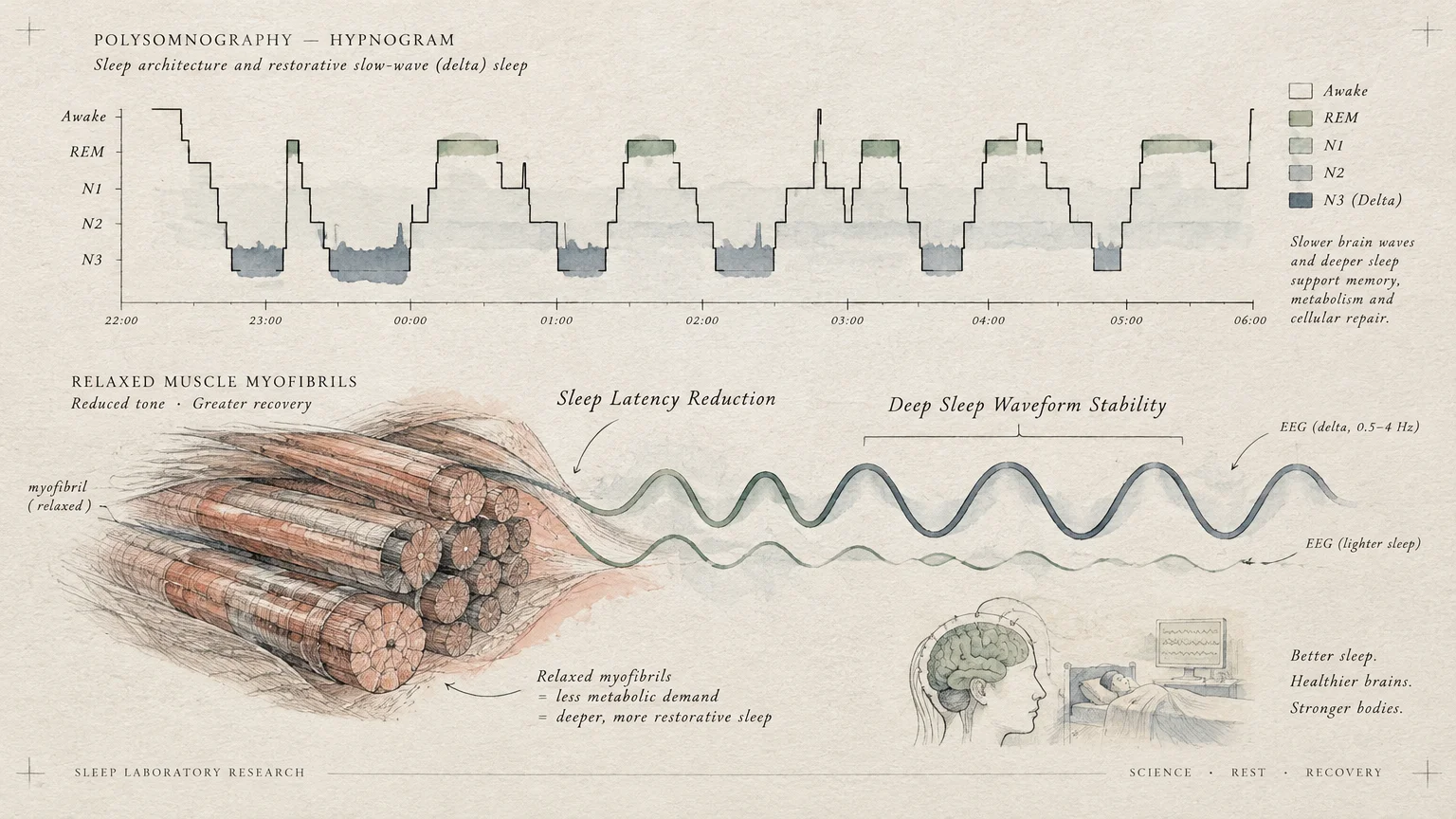
Evaluating the Science: What Clinical Research Demonstrates
Clinical Findings on Magnesium for Sleep Latency
Clinical trials consistently highlight the ability of magnesium to reduce sleep onset latency. Human trials show that optimizing magnesium intake helps individuals fall asleep significantly faster each night.
Researchers document marked improvements in overall sleep efficiency when adults correct low baseline magnesium levels. Studies show that participants taking supplemental magnesium exhibit higher circulating melatonin levels alongside reduced evening cortisol.
By dampening excessive evening cortisol spikes, magnesium prevents the biochemical surges that cause sudden middle-of-the-night panic. Participants in these clinical trials report deeper subjective tranquility and fewer early-morning awakenings.
Systematic reviews highlight that magnesium provides the greatest benefits to individuals starting with an existing nutritional shortfall. Rebalancing your mineral reserves restores normal physiological function without forcing unnatural sedation.
Clinical Findings on Zinc for Sleep Quality and Architecture
Emerging clinical research highlights strong connections between circulating zinc concentrations and overall sleep duration. Observational studies demonstrate that individuals with optimal blood levels of zinc enjoy longer, more restorative nights.
Interventional trials involving shift workers and athletes show that zinc supplementation enhances subjective sleep quality ratings. Participants regularly report waking with sharper mental clarity and significantly less daytime fatigue.
Polysomnographic research reveals that zinc modulates slow-wave sleep activity, increasing the duration of deep non-rapid eye movement cycles. These deep stages facilitate tissue repair, cellular growth, and memory consolidation across the brain.
Zinc also regulates immune cytokine production, which directly impacts systemic sleep architecture. By suppressing inflammatory cytokines that disrupt sleep continuity, zinc preserves smooth transitions between nocturnal sleep stages.
Evaluating Combined Formulations for Synergistic Benefits
Because magnesium and zinc govern separate aspects of nocturnal physiology, clinical researchers have evaluated combining them. Combining these nutrients targets physical muscle relaxation and circadian sleep maintenance at the same time.
A well-known randomized clinical trial examined a nightly combination of magnesium, zinc, and melatonin in older adults. The researchers documented substantial improvements in sleep latency, total sleep duration, and morning alertness.
The combined regimen delivered better clinical results than individual nutrients or placebos alone. The study authors concluded that supporting multiple biological pathways generates meaningful clinical synergy.
However, combining minerals requires careful attention to dosages to prevent absorption conflicts inside your digestive system. Taking excessively large amounts of both minerals simultaneously can overwhelm intestinal transport mechanisms.

Assessing Your Daily Intake: Identifying Subclinical Gaps
Recognizing the Subtle Signs of Magnesium Shortfalls
Subclinical magnesium shortfalls produce distinct physical and mental warnings long before severe medical deficiency occurs. Muscle twitches, fluttering eyelids, and frequent calf cramps represent common indicators of neuromuscular irritability.
You may also experience elevated stress sensitivity, persistent irritability, and prolonged muscle soreness after moderate physical activity. Chronic tension across your shoulders, neck, and jaw during the workday frequently signals low magnesium reserves.
Cognitive clues include an inability to quiet mental chatter once your head hits the pillow. Without sufficient magnesium to support GABA pathways, shifting into a peaceful mindset becomes an exhausting struggle.
Digestive sluggishness and irregular bowel movements can also accompany inadequate magnesium intake. Because magnesium pulls water into the colon to promote motility, low levels often slow overall intestinal elimination.
Recognizing the Subtle Signs of Zinc Shortfalls
Suboptimal zinc levels impair daily physiological resilience without presenting obvious acute illness. Typical physical signs include diminished taste acuity, brittle nails with faint white streaks, and slow recovery from minor scratches.
Recurrent minor infections, seasonal bugs, and frequent skin breakouts often point toward low cellular zinc reserves. Because your immune defenses rely heavily on zinc, inadequate intake leaves your system vulnerable.
Sleep-related signs include fragmented sleep, frequent night awakenings, and persistent morning brain fog. If your body cannot synthesize adequate melatonin, your nocturnal sleep cycles remain shallow and easily broken.
Reduced appetite and mild digestive bloating can also occur when zinc-dependent digestive enzymes decline. Over time, impaired enzyme production makes extracting essential nutrients from your daily meals even more difficult.
Evaluating Modern Dietary Gaps and Soil Depletion
Widespread mineral shortfalls stem largely from industrial agricultural practices and modern processed diets. Intensive farming methods deplete essential minerals from agricultural topsoil, resulting in food crops with lower nutrient concentrations.
Furthermore, commercial food processing strips vital trace elements from staple grains and whole foods. As refined convenience foods replace whole options, everyday mineral consumption drops dramatically across diverse communities.
According to U.S. National Health and Nutrition Examination Survey data, approximately 48% to 50% of the U.S. population consumes less magnesium from food than the Estimated Average Requirement. This statistic highlights a massive national gap.
Clinical guidance from the NIH Office of Dietary Supplements magnesium guidelines emphasizes the prevalence of this shortfall. Millions of adults fail to consume adequate leafy greens, nuts, seeds, and unrefined grains.
Zinc shortfalls similarly impact high-risk populations, including strict plant-based eaters, older adults, and individuals with digestive conditions. Phytic acid in unsoaked plant staples binds zinc in your intestine, significantly lowering absorption.

Practical Strategy Pillar 1: Whole Food Nutrition First
Magnesium-Rich Whole Foods to Incorporate Daily
Building your mineral intake through whole foods provides the safest and most sustainable path toward restorative sleep. Whole food sources supply complex nutritional matrixes of fiber, vitamins, and minerals that promote optimal intestinal uptake.
Pumpkin seeds, chia seeds, and almonds offer rich concentrations of dietary magnesium per single serving. Adding raw pumpkin seeds to an afternoon snack provides an immediate, natural boost to your daily intake.
Dark leafy greens like cooked spinach, Swiss chard, and beet greens deliver high amounts of chlorophyll-bound magnesium. Because magnesium sits at the center of the chlorophyll molecule, dark greens remain unbeatable dietary sources.
Black beans, lentils, chickpeas, and edamame supply generous amounts of magnesium alongside slow-digesting complex carbohydrates. These complex carbohydrates stabilize your nighttime blood glucose, preventing nocturnal adrenaline rushes that wake you up.
Bioavailable Zinc Sources for Varied Diets
Oysters supply more zinc per serving than any other food on the planet. Wild seafood, lean beef, and poultry also deliver highly bioavailable forms of heme-bound zinc that your body absorbs easily.
For plant-based eaters, hemp seeds, pumpkin seeds, and sesame seeds deliver substantial amounts of plant zinc. Cashews, pine nuts, and baked beans also contribute meaningful amounts toward your daily nutritional target.
While plant foods provide valuable zinc, their phytic acid content can restrict overall mineral absorption in your digestive tract. You can significantly lower phytic acid by soaking, sprouting, or fermenting your legumes and grains before cooking.
Reviewing recommendations from the NIH Office of Dietary Supplements zinc guidelines helps you identify reliable nutritional sources. Structuring diverse meals ensures that you meet your daily needs without relying heavily on synthetic supplements.
Optimizing Digestion and Strategic Meal Timing
The timing and composition of your meals dictate how effectively your gastrointestinal tract absorbs essential sleep minerals. Eating large, heavy meals right before bed forces your body to expend energy on digestion instead of rest.
Finish your evening meal at least two to three hours before lying down to sleep. This buffer allows your stomach to digest food thoroughly, preventing nocturnal acid reflux from waking you up.
Sufficient stomach acid is essential for liberating ionic magnesium and zinc from dietary proteins and plant fibers. If you use antacids or acid-suppressing medications regularly, your mineral absorption declines significantly over time.
Evening alcohol consumption severely impairs both magnesium and zinc balance by increasing urinary mineral excretion. Cutting out late-night cocktails instantly improves your body’s ability to retain vital sleep nutrients.
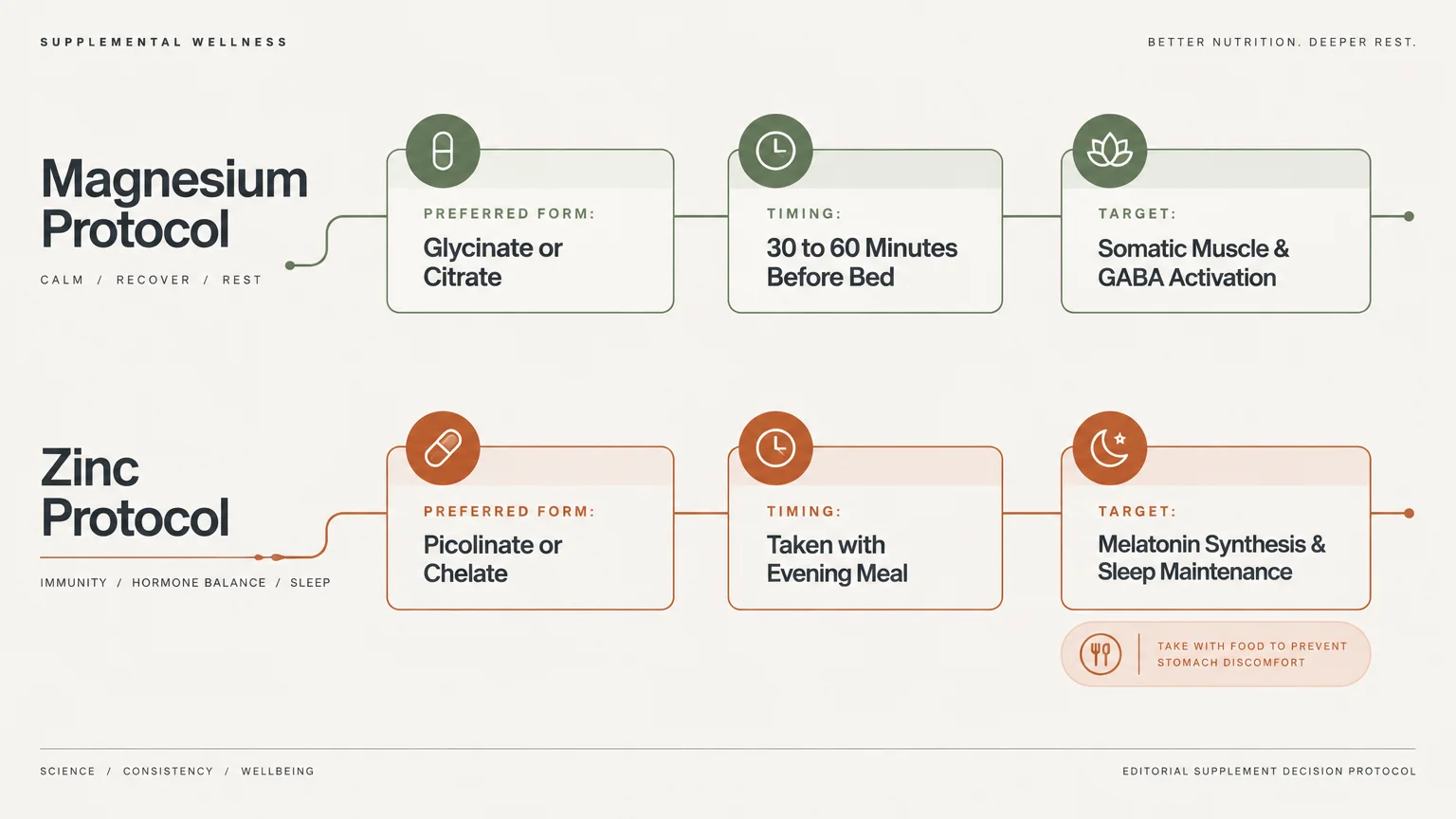
Practical Strategy Pillar 2: Supplement Selection and Safety Protocols
Selecting the Optimal Form of Magnesium
Magnesium supplements feature diverse carrier molecules that significantly influence their absorption rates and biological effects. Magnesium glycinate stands out as the premier formulation for improving sleep quality and relieving physical restlessness.
In this formulation, magnesium binds to glycine, an amino acid that independently calms your central nervous system. This compound promotes physical relaxation and helps lower your core body temperature for sleep.
Magnesium L-threonate crosses the blood-brain barrier with ease, making it a compelling choice for addressing nighttime overthinking. However, threonate supplements generally cost more per serving than other standard chelated forms.
Magnesium citrate offers decent bioavailability and functions as an effective mild osmotic laxative if you experience constipation. Conversely, magnesium oxide exhibits very low bioavailability and frequently causes uncomfortable diarrhea and cramping.
Selecting an Absorbable and Gentle Form of Zinc
Selecting an appropriate form of zinc ensures steady biological absorption without triggering uncomfortable gastric irritation. Zinc picolinate and zinc bisglycinate represent two of the most absorbable and stomach-friendly forms on the market today.
Zinc gluconate and zinc citrate provide dependable, cost-effective options that support your immune and circadian systems. Zinc sulfate, however, frequently causes intense nausea and stomach upset when taken on an empty stomach.
Always take your zinc supplement with a light evening snack to protect your delicate stomach lining. Pairing zinc with a few whole-grain crackers or a spoonful of yogurt prevents nausea completely.
Liquid zinc supplements offer precise dosing control, making them ideal if you have a sensitive digestive system. Liquid formulations also eliminate the challenge of swallowing large, chalky tablets right before going to bed.
Adhering to Established Upper Limits and Safety Windows
Following established dosage guidelines keeps you safe from unwanted side effects when taking mineral supplements. For adult men, the total magnesium RDA is 400 mg/day for ages 19–30, and 420 mg/day for ages 31 and older.
For adult women, the total magnesium RDA is 310 mg/day for ages 19–30, and 320 mg/day for ages 31 and older. The RDA increases to 350–360 mg/day during pregnancy, remaining at 310–320 mg/day during lactation.
The Tolerable Upper Intake Level for magnesium is 350 mg/day, applying strictly to dietary supplements and medications. Exceeding this supplemental limit often triggers osmotic diarrhea, nausea, and abdominal cramping.
For zinc, the adult RDA is 11 mg/day for men and 8 mg/day for women. During pregnancy, the zinc RDA rises to 11 mg/day, and during lactation, it reaches 12 mg/day.
In the United States, the Tolerable Upper Intake Level for total daily zinc intake is 40 mg/day. In Europe and the UK, the European Food Safety Authority safety guidelines establish a stricter upper limit of 25 mg/day.
Exceeding these safety thresholds creates significant health hazards over time. Chronic zinc intake above upper limits, especially doses of 50 mg/day or more over several weeks, severely inhibits copper absorption.
This mineral conflict can cause serious copper deficiency, microcytic anemia, and permanent neurological complications. Never exceed recommended doses under the mistaken assumption that higher quantities produce deeper sleep.
Navigating Supplement Regulations and Third-Party Testing
Many consumers mistakenly believe that dietary supplements undergo the same strict pre-market safety reviews as prescription sleep drugs. In reality, the supplement industry functions under completely different statutory oversight.
Under the U.S. Dietary Supplement Health and Education Act, neither magnesium nor zinc is FDA-approved to treat insomnia or sleep disorders. Regulatory agencies oversee them as dietary food products rather than pharmaceutical sleep therapies.
This regulatory structure places the responsibility for purity and label accuracy directly on supplement manufacturers. To safeguard your health, only purchase products verified by independent third-party testing organizations.
Look for trusted verification seals from organizations like USP, NSF International, or ConsumerLab on the product packaging. These certifications prove that the bottle contains the specified ingredients without dangerous heavy metals or contaminants.

Practical Strategy Pillar 3: Movement, Mindset, and Circadian Rhythms
Timing Daily Movement to Enhance Mineral Absorption
Consistent daily exercise optimizes how your peripheral muscles utilize magnesium and mobilize zinc throughout your system. Moderate cardiovascular workouts and strength training enhance cellular insulin sensitivity, which facilitates cellular magnesium absorption.
Intense athletic training also increases mineral losses through heavy perspiration and accelerated metabolic turnover. Dedicated athletes must deliberately replenish these lost electrolytes through balanced nutrition and adequate hydration.
Schedule your vigorous workout sessions for morning or early afternoon hours whenever possible. Strenuous late-night workouts raise your core temperature and activate your nervous system, counteracting the relaxing benefits of evening minerals.
In the evening, choose gentle physical activities like light yoga, mobility work, or an easy post-dinner walk. Gentle movement increases blood circulation to tight muscles without triggering stimulatory stress hormones.
Synchronizing Natural Light Exposure with Melatonin Timing
Nutritional supplements cannot overcome the sleep-disrupting consequences of severe circadian misalignment. Your body requires reliable environmental light signals to synchronize its internal clock and optimize nightly hormone release.
Step outside into direct natural sunlight for fifteen minutes shortly after waking every morning. Morning sun exposure anchors your master clock, ensuring that zinc-dependent melatonin production begins promptly that night.
In the evening, deliberately limit your exposure to artificial blue light from phones, tablets, and bright ceiling lamps. Blue light suppresses pineal melatonin secretion, directly undermining the biochemical benefits of your evening nutrition.
Turn off bright overhead lights after sunset and use warm, amber-toned lighting throughout your home. Reviewing evidence-based recommendations from the Centers for Disease Control and Prevention sleep resources helps you protect your circadian health.
Structuring an Intentional Evening Wind-Down Routine
A consistent behavioral wind-down routine tells your central nervous system that daytime responsibilities are finished. Taking your evening mineral dose can serve as a calming psychological anchor within this nightly sequence.
Pair your mineral routine with a soothing cup of caffeine-free herbal tea, such as chamomile or lavender. The warmth encourages peripheral blood flow, helping your body lower its core temperature for sleep.
Spend twenty minutes engaging in relaxing, analog activities like reading a book, journaling, or practicing breathwork. Slow diaphragmatic breathing activates the vagus nerve, working alongside magnesium to quiet mental arousal.
Keep your bedroom environment quiet, dark, and comfortably cool throughout the night. Creating a dedicated sanctuary for rest eliminates visual cues that stimulate late-night cognitive stress.

Practical Strategy Pillar 4: Medical Guidance and Targeted Diagnostics
When to Request Advanced Blood Biomarker Panels
Guessing your nutritional status through trial and error can delay effective treatment for underlying deficiencies. Requesting targeted blood work from your healthcare provider gives you objective data to guide your supplementation decisions.
Standard serum magnesium blood tests often miss intracellular deficiencies because less than one percent of your body’s magnesium circulates in serum. Your body actively draws magnesium from bones and tissues to keep serum levels stable.
Ask your doctor for a Red Blood Cell magnesium test, which measures the mineral content inside your red blood cells. RBC testing delivers a far more dependable assessment of your long-term cellular reserves.
For zinc, fasting plasma zinc tests alongside serum copper measurements provide an accurate clinical picture. Assessing your zinc-to-copper ratio ensures that trace mineral supplementation does not inadvertently induce a copper deficiency.
Monitoring Potential Medication Interactions
Both magnesium and zinc can interact significantly with common prescription drugs and over-the-counter medications. Magnesium binds to certain antibiotics, including tetracyclines and fluoroquinolones, preventing their proper absorption in your gut.
Magnesium can also amplify the effects of blood pressure medications and calcium channel blockers, potentially causing lightheadedness. Individuals with severe kidney disease must avoid magnesium supplements unless specifically supervised by their nephrologist.
Because diseased kidneys cannot eliminate excess magnesium efficiently, supplementation carries a severe risk of dangerous toxicity. Always consult your prescribing physician before introducing new mineral supplements to your regimen.
Zinc similarly binds with oral antibiotics and penicillamine, significantly reducing the therapeutic effectiveness of both. Separate your zinc intake from these medications by at least two to four hours to prevent binding.
Clinician Insights on Sustainable Sleep Management
Integrative healthcare providers emphasize that nutritional minerals work best as supportive tools within a broader sleep strategy. Dr. Elena Ramirez, an integrative sleep clinician, notes that nutrients optimize biology but cannot cure unmanaged mental stress.
Clinicians remind patients that chronic sleeplessness usually involves multiple overlapping lifestyle, psychological, and physiological factors. Correcting a mineral gap provides remarkable relief, but you must pair it with consistent sleep hygiene.
Finding qualified sleep specialists through professional resources like the American Academy of Sleep Medicine ensures thorough clinical evaluation for persistent sleep disorders. Professional care prevents serious medical conditions from going undetected.
Patients who approach sleep restoration with patience and holistic care achieve the best long-term outcomes. Viewing mineral balance as one component of whole-body wellness empowers you to build lasting vitality.
Frequently Asked Questions About Minerals and Sleep
Can I take magnesium and zinc together before bed?
You can safely take magnesium and zinc together before bed if you maintain moderate, balanced doses of each. However, very large doses of zinc can compete with magnesium for intestinal transport pathways when swallowed together.
Keep your bedtime zinc dose modest and choose chelated forms to avoid gastrointestinal competition. If you experience stomach discomfort, try taking your zinc with dinner and your magnesium closer to bedtime.
Spacing the minerals apart gives each nutrient clear access to intestinal absorption channels. This practical timing adjustment prevents nausea while preserving the unique sleep benefits of both minerals.
How quickly will I notice improvements in my sleep?
Magnesium often delivers noticeable physical muscle relaxation and reduced nervous restlessness within your first few nights of use. Its rapid impact on GABA receptors helps quiet physical tension quickly.
Zinc requires several weeks of daily consistency to rebuild cellular stores and support deep circadian cycles. Plan on maintaining consistent nutritional habits for three to four weeks before judging your overall sleep improvements.
Keeping a simple sleep journal helps you track subtle changes in your sleep latency and nighttime awakenings. Documenting your rest highlights steady progress that you might otherwise overlook.
Can high doses of these minerals disrupt sleep or trigger vivid dreams?
Taking high supplemental doses of zinc frequently produces intensely vivid dreams or bizarre nocturnal nightmares. This vividness occurs because zinc stimulates neuronal signaling and alters neurotransmitter activity during rapid eye movement sleep.
Excessive magnesium supplementation rarely causes vivid dreaming, but it frequently triggers gastrointestinal upset and urgent diarrhea. If you notice strange dream disturbances or loose bowels, lower your supplemental dose immediately.
Staying within recommended intake limits prevents these uncomfortable nocturnal side effects entirely. Nutritional supplements should promote gentle, peaceful rest rather than disturbing dreams or midnight digestive trips.
When does persistent sleeplessness indicate a primary medical disorder?
Sleeplessness that lasts longer than three weeks despite healthy habits and nutritional improvements requires clinical medical evaluation. Chronic sleep issues can signal primary insomnia, obstructive sleep apnea, or underlying endocrine imbalances.
If you experience chronic loud snoring, gasping for air during sleep, or severe daytime exhaustion, consult a sleep physician promptly. Nutritional minerals cannot resolve structural airway blockages or central neurological disorders.
A comprehensive diagnostic sleep study can pinpoint the exact physiological root of your nighttime struggles. Seeking timely medical evaluation protects your long-term cardiovascular, metabolic, and cognitive wellbeing.
Your Evening Action Plan: Building Sustainable Rest Tonight
Restoring your sleep does not require changing your entire lifestyle all at once. Begin tonight with one simple, manageable step, such as adding a handful of pumpkin seeds to your dinner.
If you choose to take a supplement, start with a modest dose of magnesium glycinate thirty minutes before bed. Notice how your body responds, observing whether your muscles soften and release their tension.
Take a few minutes tonight to reflect on the somatic cues your body sends as bedtime approaches. Are your sleepless nights driven by physical muscle tightness, or does your brain struggle to stay asleep?
Answering that single question will guide you toward the right mineral choice for your unique biological needs. Targeted nutrition allows you to address the root cause of your nighttime restlessness effectively.









Leave a Reply