

You can significantly improve your lipid profile and protect your arteries by adding specific nutrient-dense foods to your daily meals. Simple culinary upgrades target circulating low-density lipoprotein (LDL) cholesterol before it oxidizes and clings to arterial walls.
Targeted nutrition actively shifts your vascular health by binding bile acids, suppressing hepatic cholesterol synthesis, and reducing systemic inflammation. You do not need restrictive regimens to see measurable improvements in your next lab panel.
By incorporating scientifically validated staples into your routine, you take immediate command of your long-term cardiovascular longevity. Here are seven evidence-based foods recommended by leading preventive health experts to optimize your blood lipids today.
Understanding Your Cholesterol Profile and Cardiovascular Risk
Maintaining healthy blood lipid levels represents one of the most effective ways you can defend against atherosclerotic cardiovascular disease. Elevated circulating lipids silently contribute to arterial narrowing over decades without producing noticeable early symptoms.
Recent surveillance highlights why vascular awareness matters right now. According to a study published in Preventing Chronic Disease by the Centers for Disease Control and Prevention, self-reported high cholesterol increased by 13.7% across 34 states.
State-level prevalence of high cholesterol currently spans from 27.4% to 37.8% among American adults. This upward trend demonstrates that modern dietary patterns and sedentary routines continue to challenge vascular equilibrium nationwide.
Broader clinical surveillance reveals widespread lipid challenges across age groups. Data from the National Health and Nutrition Examination Survey shows that 10.0% of adults aged 20 and older present with high total serum cholesterol.
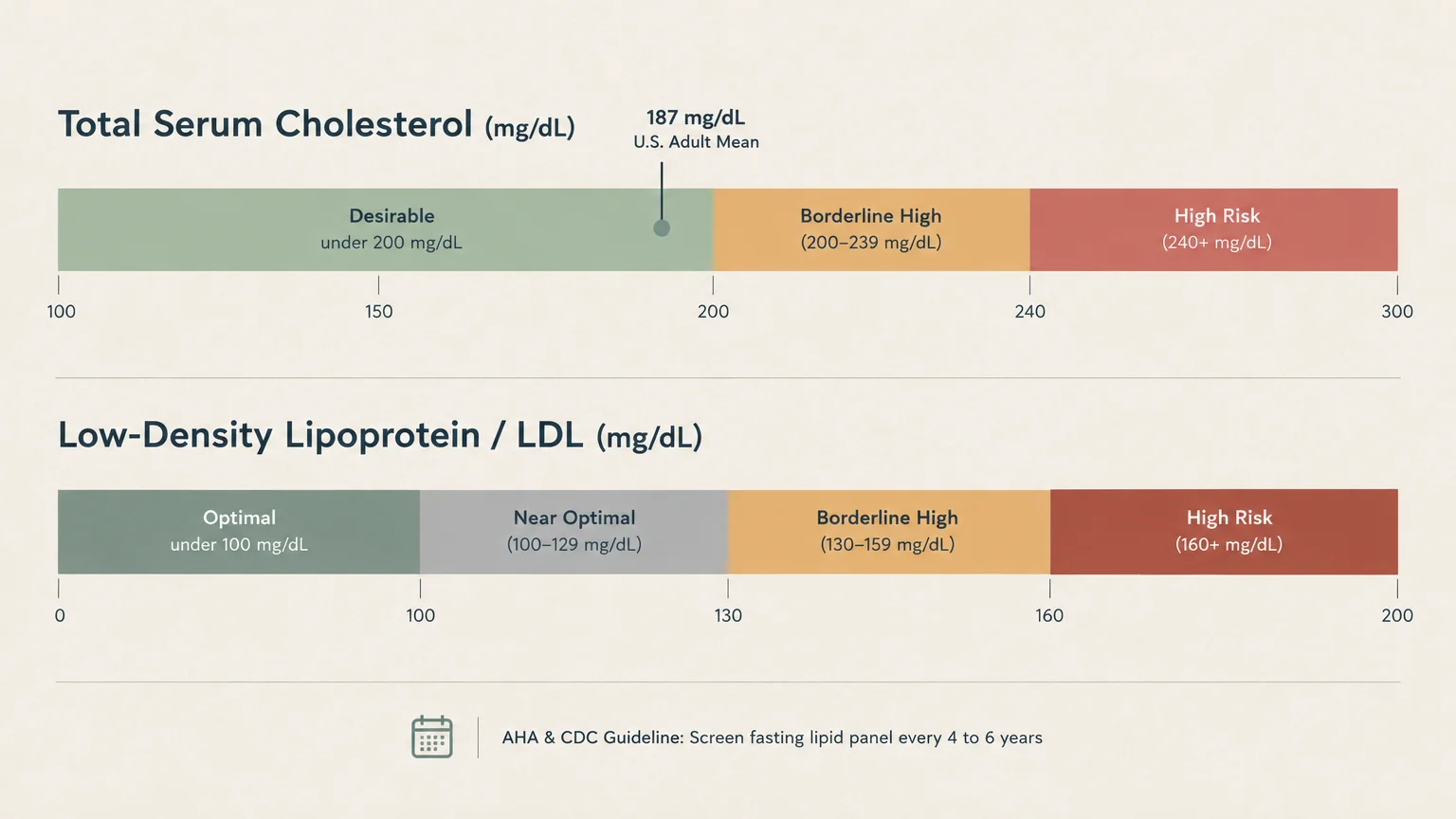
The current mean total cholesterol level for American adults sits at 187 mg/dL. Cardiovascular vulnerabilities also emerge early; approximately 7% of children and adolescents between ages 6 and 19 have high total cholesterol.
Fortunately, diagnostic awareness remains high across the country. Approximately 85.6% of adults report completing a blood cholesterol screening within the previous five years.
Leading clinical organizations recommend regular diagnostic assessments to identify risks before clinical complications emerge. Both the CDC and the American Heart Association advise healthy adults to undergo a complete fasting or non-fasting lipid profile every 4 to 6 years.
Clinical guidelines establish clear cutoffs for evaluating your laboratory blood draw. Standard medical definitions classify borderline high-risk total cholesterol between 200 and 239 mg/dL, while high total cholesterol reaches 240 mg/dL or above.
Physicians pay exceptional attention to circulating low-density lipoprotein levels during clinical reviews. Borderline high LDL cholesterol spans from 130 to 159 mg/dL, whereas levels reaching 160 mg/dL or higher are classified as high risk.
How Targeted Nutrition Alters Lipid Metabolism
Your liver synthesizes the majority of circulating cholesterol to build cellular membranes, produce vitamin D, and manufacture essential steroid hormones. Dietary choices directly influence how efficiently your body clears excess circulating particles from your bloodstream.
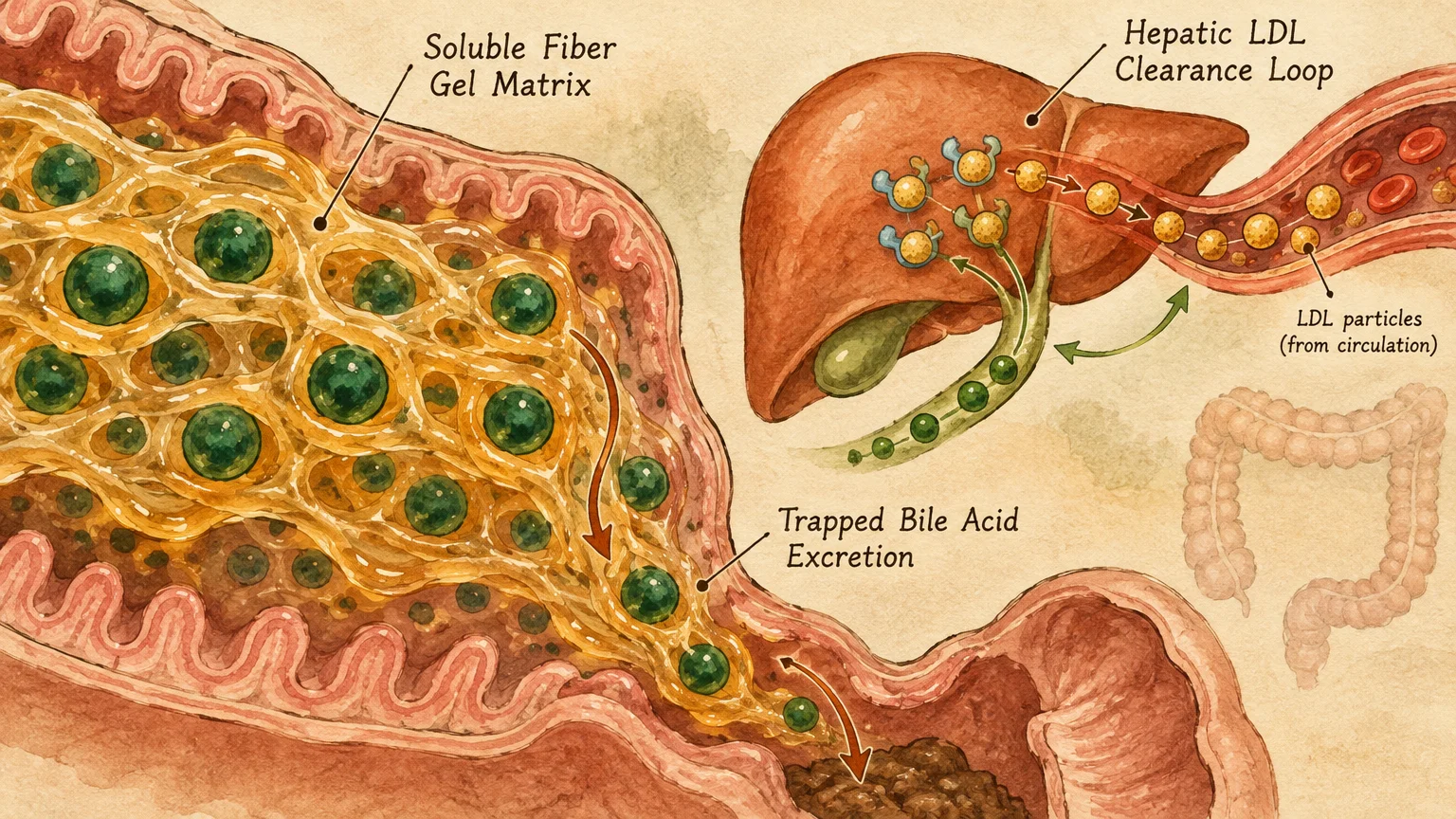
Certain functional foods deliver viscous soluble fibers that interact uniquely with digestive chemistry. These fibers form a gel-like matrix inside your gastrointestinal tract, trapping bile acids that contain large quantities of internal cholesterol.
Because your intestines excrete these trapped bile complexes, your liver must pull circulating LDL particles from your blood to produce replacement bile. This physiological recycling loop lowers total systemic cholesterol without requiring extreme caloric restrictions.
Other whole plant foods provide microscopic structures known as phytosterols. Because plant sterols share an identical molecular architecture with animal cholesterol, they compete directly for absorption sites across your intestinal brush border.
By blocking luminal cholesterol absorption, plant sterols force unabsorbed sterols into the stool for excretion. This dual-action mechanism—combining bile trapping with absorption blockade—creates a potent natural defense against arterial plaque buildup.
Replacing saturated animal fats with liquid unsaturated plant oils alters hepatic cell membrane flexibility. Flexible liver membranes express more active LDL receptors, allowing your tissues to clear circulating atherogenic particles rapidly.
7 Foods to Lower Cholesterol and Protect Arteries
1. Whole Oats and Hulled Barley
Oats and hulled barley serve as premier dietary sources of beta-glucan, a uniquely viscous soluble fiber. As beta-glucan dissolves in water, it forms a thick solution that slows digestive transit and encapsulates intestinal contents.
Under formal FDA health claim regulations, foods providing at least 0.75 grams of beta-glucan soluble fiber per serving reduce coronary heart disease risks.
Reaching an aggregate daily target of 3 grams or more of soluble fiber from whole oats activates optimal cholesterol clearance. A single morning bowl of traditional steel-cut oats supplies a major portion of this therapeutic target.
You can prepare barley as a savory whole-grain pilaf or simmer it alongside vegetables in winter broths. Hulled barley preserves the intact bran layer, maximizing the delivery of intact beta-glucan and insoluble roughage.
If you prefer quick morning meals, assemble overnight oats by steeping rolled oats in unsweetened soy or almond milk. Top the mixture with ground cinnamon and sliced fruit to enhance both flavor and antioxidant intake.
Purchasing whole oats and pearl or hulled barley in bulk provides an exceptionally cost-effective nutritional strategy. These dry pantry staples retain their therapeutic fiber integrity for over a year when stored in airtight glass containers.
2. Beans, Lentils, and Whole Pulses
Legumes offer an extraordinary combination of viscous soluble fiber, resistant starch, and plant-based protein. This nutritional matrix digests slowly, preventing postprandial glucose surges that trigger hepatic cholesterol synthesis.
As resistant starch navigates to your large intestine, beneficial probiotic microbes ferment the material into bioactive short-chain fatty acids. One prominent fermentation byproduct, propionate, travels through portal circulation to downregulate an enzyme responsible for cholesterol production.
Substituting cooked lentils or black beans for processed or high-fat meats immediately cuts your mealtime saturated fat load. This straightforward culinary swap decreases cardiovascular risk by simultaneously removing atherogenic fats and adding protective dietary fiber.
You do not need complicated recipes to incorporate pulses into your weekly menu. Fold rinsed canned chickpeas into Mediterranean salads, or simmer red lentils with turmeric and cumin for a quick evening stew.
Canned beans represent one of the most accessible, shelf-stable health investments available in any grocery aisle. Rinsing canned legumes under cold tap water for two minutes removes up to 40% of added processing sodium.
If you prefer cooking dry beans from scratch, soak them overnight with a pinch of baking soda. This traditional preparation technique breaks down complex oligosaccharides, substantially improving digestive tolerance and nutrient bioavailability.
3. Cold-Water Wild Fish
Fatty cold-water species such as wild salmon, Atlantic mackerel, sardines, anchovies, and herring deliver abundant long-chain omega-3 fats. These essential lipids—specifically eicosapentaenoic acid (EPA) and docosahexaenoic acid (DHA)—exert powerful cardioprotective effects.
While omega-3 fatty acids do not primarily lower LDL concentrations, they substantially lower circulating serum triglycerides. High triglycerides combined with low HDL levels form an atherogenic lipid phenotype that accelerates vascular stiffening.
Marine omega-3 fatty acids also reduce vascular cell adhesion molecules and dampen chronic systemic inflammation. Keeping arterial walls calm prevents circulating low-density lipoproteins from penetrating endothelial linings and forming fibrous plaque.
Health authorities recommend consuming at least two weekly servings of non-fried fatty fish to capture comprehensive vascular benefits. Baking, poaching, or broiling fish preserves delicate long-chain fats without generating toxic lipid peroxidation byproducts.
If fresh wild salmon strains your grocery budget, look to canned sardines and wild pink salmon. Canned options provide equivalent concentrations of EPA and DHA alongside bioavailable calcium from tender, edible fish bones.
Layer canned sardines over toasted whole-grain sourdough with a squeeze of fresh lemon juice and chopped parsley. This convenient pantry meal delivers potent cardioprotective fats without demanding lengthy evening preparation.
4. Tree Nuts and Nutrient-Rich Seeds
Almonds, walnuts, pistachios, chia seeds, and ground flaxseeds deliver concentrated doses of monounsaturated fats, vegetable protein, and micronutrients. Walnuts uniquely provide high levels of plant-based alpha-linolenic acid (ALA), an essential anti-inflammatory fatty acid.
Nuts and seeds naturally concentrate plant sterols and stanols within their lipid matrices. Under federal regulations, consuming 1.5 to 3 grams of plant sterols or stanols daily lowers LDL cholesterol by 7% to 12.5% within 2 to 3 weeks.
Tree nuts also supply substantial quantities of L-arginine, an amino acid precursor for endogenous nitric oxide synthesis. Nitric oxide prompts arterial smooth muscles to relax, improving blood flow and reducing hydrostatic friction against arterial walls.
Because tree nuts are calorically dense, standard expert guidance emphasizes portion mindfulness. Consuming a measured 1.5-ounce serving—roughly a small handful—daily yields clear lipid improvements without causing unwanted weight gain.
Always purchase raw or dry-roasted nuts rather than varieties roasted in hydrogenated or saturated vegetable oils. Check ingredient panels carefully to avoid unnecessary added sugars, artificial flavorings, and excess sodium.
Store your nuts and seeds inside the refrigerator or freezer to protect their polyunsaturated oils from oxidative rancidity. Sprinkle freshly ground flaxseed over morning porridge to maximize the bioavailability of its protective lignans and soluble fibers.
5. Fresh Avocados
Avocados stand out as an exceptional fruit loaded with heart-healthy monounsaturated oleic acid instead of simple fructose. They also deliver abundant dietary fiber and natural phytosterols within a nutrient-dense whole-food package.
Clinical feeding trials demonstrate that replacing saturated dietary fats with whole fresh avocado lowers both total and LDL cholesterol. Crucially, avocado consumption improves lipid markers without causing the drop in protective HDL cholesterol often seen with high-carbohydrate diets.
The high monounsaturated fat content in avocados helps protect circulating lipoproteins from harmful oxidative damage. Oxidized LDL particles penetrate blood vessel walls far more aggressively than unoxidized particles, accelerating inflammatory foam cell generation.
One medium avocado provides approximately 10 grams of total dietary fiber, combining both soluble and insoluble fractions. This unique macronutrient composition fosters metabolic satiety while nourishing your beneficial intestinal microbiome.
You can substitute mashed avocado for dairy butter or industrial mayonnaise on sandwiches and wraps. This straightforward culinary trade eliminates atherogenic saturated dairy fats while infusing your lunch with protective plant sterols.
To reduce household grocery waste, buy firm avocados and allow them to ripen slowly on your kitchen counter. Once the fruit yields gently to light pressure, transfer it to your refrigerator to preserve ideal freshness for several days.
6. Extra Virgin Olive Oil
Extra virgin olive oil represents the nutritional foundation of traditional Mediterranean eating patterns known for superior cardiovascular longevity. This unrefined fruit oil consists predominantly of monounsaturated oleic acid alongside an array of bioactive phenolic compounds.
Phenols such as hydroxytyrosol and oleocanthal act as potent antioxidants that neutralize reactive oxygen species within your vascular tree. These protective plant compounds shield circulating LDL particles from oxidative cascades that initiate arterial inflammation.
Replacing solid saturated fats like butter and lard with liquid extra virgin olive oil dramatically improves lipid ratios. Making liquid vegetable oils your primary kitchen fat increases hepatic LDL receptor activity, pulling cholesterol from your circulation.
Use extra virgin olive oil as your primary medium for low- to medium-heat sautéing, roasting, and dressing preparation. Drizzling robust, peppery oil over cooked legumes and steamed vegetables improves the absorption of fat-soluble vitamins.
Select olive oils packaged exclusively in dark glass bottles or opaque tins to protect delicate polyphenols from light-induced oxidation. Always check the label for a certified harvest date, aiming to consume the oil within 18 months of pressing.
Store your olive oil in a cool pantry away from direct heat sources like your stovetop or oven. High ambient heat rapidly degrades the oil’s volatile antioxidants, diminishing the distinct peppery flavor that signals vascular-protective activity.
7. Pectin-Rich Apples and Dark Berries
Apples, blackberries, blueberries, and strawberries provide high concentrations of pectin, a structural soluble fiber embedded within fruit cell walls. Like the beta-glucan in oats, pectin sequesters cholesterol-rich digestive juices inside your intestines.
Dark berries also boast dense concentrations of anthocyanins, water-soluble pigments that give these fruits their deep blue, purple, and red hues. Anthocyanins exhibit documented vascular-protective properties by bolstering endothelial function and mitigating systemic oxidative stress.
Regular consumption of anthocyanin-rich fruits prevents circulating LDL particles from degrading into dangerous oxidized fragments. Keeping vascular walls free from inflammatory cellular debris preserves normal arterial elasticity and supports healthy blood pressure.
Eat fresh apples whole with their peels intact, as the outer skin houses the highest density of pectin and quercetin. Slicing raw apples and dipping them into unsweetened almond butter creates a satisfying snack rich in fiber and healthy fats.
Fresh berries can prove expensive during non-growing seasons, posing practical budget barriers for many households. Fortunately, flash-frozen unsweetened berries deliver identical concentrations of fiber, vitamins, and anthocyanins at a fraction of the cost.
Thaw a cup of frozen wild blueberries in your refrigerator overnight and fold them into warm morning oatmeal. This easy combination unites two premier cholesterol-lowering foods—beta-glucan and anthocyanins—into a single breakfast bowl.
Dietary Fats Decoded: Saturated Versus Unsaturated Intake
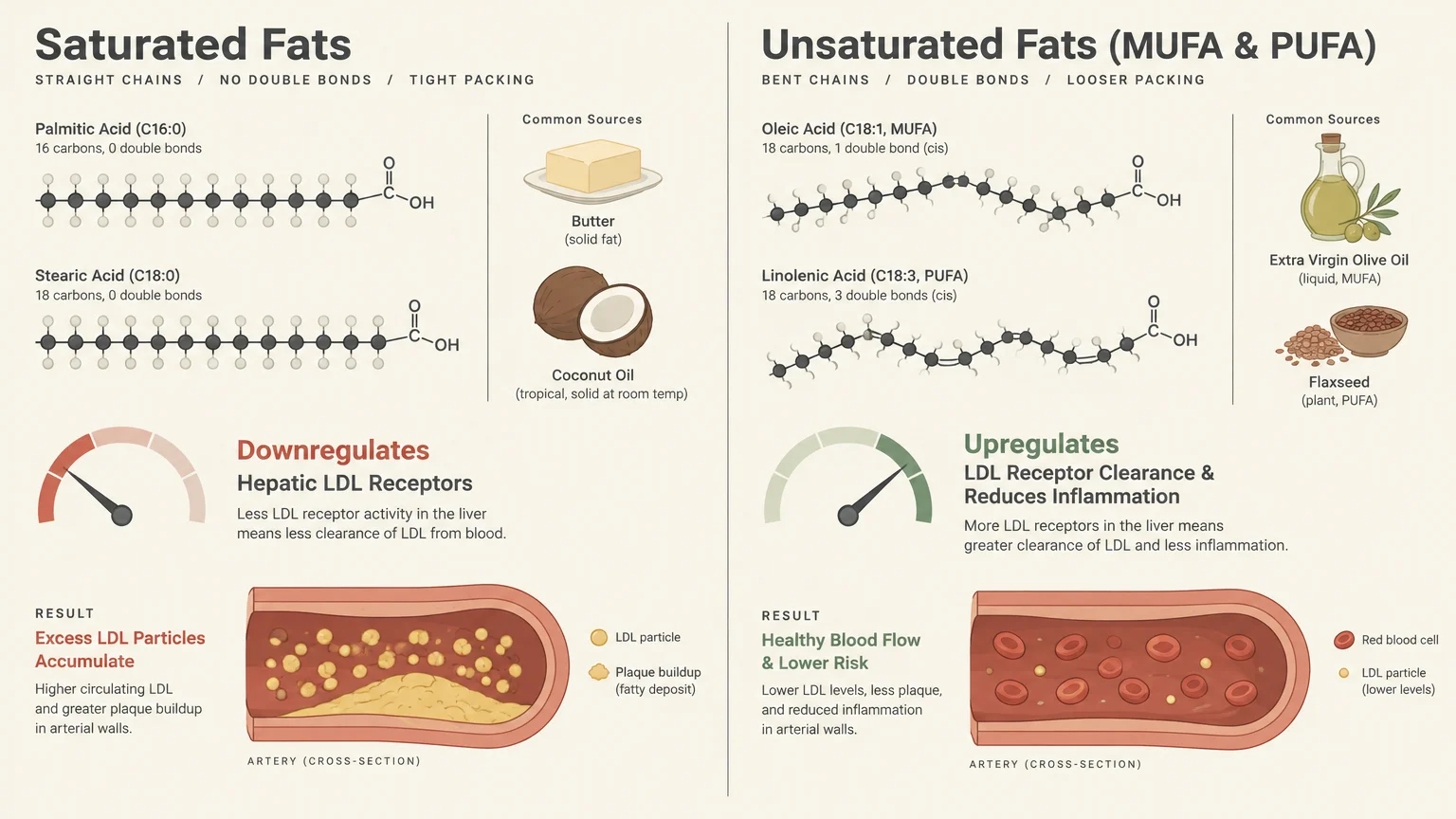
To optimize your lipid numbers, understanding the distinct biochemical impacts of dietary fats proves essential. While your body thrives on healthy fats, specific configurations directly determine how many LDL receptors remain active on your liver cells.
Rigorous clinical directives emphasize strict parameters for saturated fat consumption. To lower LDL cholesterol and overall cardiovascular risk, the American Heart Association dietary guidance recommends limiting saturated fat to less than 6% of total daily calories.
For an individual consuming a standard 2,000-calorie daily diet, this 6% threshold equals no more than 120 calories from saturated fat. That equates to a strict cap of approximately 13 grams of saturated fat per day.
General federal nutrition recommendations offer a slightly wider boundary for the broad population. The current Dietary Guidelines for Americans advise individuals aged 2 and older to limit saturated fat intake to less than 10% of daily calories.
On a 2,000-calorie baseline, a 10% limit permits roughly 20 grams of saturated fat daily. However, both federal guidelines and cardiology specialists urge replacing those saturated fats with unsaturated fats from plant oils, nuts, and seafood.
Excess saturated fatty acids downregulate hepatic LDL receptors, suppressing your body’s ability to clear circulating cholesterol from your blood. In contrast, polyunsaturated and monounsaturated fatty acids upregulate these clearance pathways, prompting your liver to scrub arteries clean.
Focus on practical everyday substitutions rather than complex nutritional calculations. Swap dairy butter for cold-pressed olive oil, choose grilled salmon over ribeye steak, and replace processed snacks with raw walnuts.
Inspect packaged food nutrition panels diligently for hidden sources of saturated fats, including palm kernel and coconut oils. Many commercial baked goods, coffee creamers, and frozen convenience entrees pack high saturated fat loads into surprisingly small portions.

Holistic Pillars: Enhancing Dietary Gains With Daily Habits
Consistent Aerobic Movement and Resistance Training
While food choices dictate the raw building blocks of lipid synthesis, physical exertion fundamentally alters circulating lipoprotein particle quality. Engaging in regular moderate-to-vigorous aerobic exercise accelerates the enzymatic activity of lipoprotein lipase throughout skeletal muscle tissue.
Lipoprotein lipase rapidly clears dense, triglyceride-rich particles from your bloodstream while simultaneously raising circulating high-density lipoprotein (HDL) levels. HDL particles perform reverse cholesterol transport, picking up excess tissue cholesterol and escorting it back to the liver.
Exercise also expands the physical particle size of circulating LDL, shifting small, dense atherogenic particles toward larger, fluffier forms. Larger LDL particles penetrate delicate endothelial gaps far less readily, reducing your risk of vascular inflammation.
Strive to accumulate at least 150 minutes of moderate-intensity aerobic exercise, such as brisk walking, cycling, or swimming, each week. Pair your aerobic sessions with two weekly resistance-training workouts to build metabolically active muscle tissue that supports glycemic balance.
If structured gym workouts feel daunting, break your physical movement into manageable ten-minute intervals throughout your workday. Taking a brisk stroll immediately following your largest meal blunts postprandial glucose spikes and enhances digestive lipid processing.
Restorative Sleep and Chronic Stress Reduction
Chronic psychosocial stress and fragmented sleep patterns sabotage your cardiovascular biology through sustained neuroendocrine activation. Persistent psychological tension triggers your adrenal glands to flood your system with cortisol and catecholamines.
Elevated circulating cortisol stimulates hepatic gluconeogenesis and frees excess fatty acids into circulation, fueling heightened synthesis of very-low-density lipoproteins (VLDL). Over time, chronic hypercortisolemia alters your metabolic profile, driving stubborn dyslipidemia and visceral adipose accumulation.
Sleep deprivation directly undermines metabolic recovery by heightening systemic oxidative stress and promoting systemic vascular resistance. Adults who routinely sleep fewer than seven hours nightly display higher rates of coronary calcification and elevated inflammatory markers.
Protect your cardiovascular health by curating an intentional, relaxing wind-down routine each evening. Dim artificial indoor overhead lighting two hours before bedtime, and keep your bedroom cool, dark, and entirely free of digital screens.
Incorporate stress-mitigating modalities like diaphragmatic breathing, progressive muscle relaxation, or quiet outdoor walking into your daily routine. Lowering your sympathetic tone shifts your neuroendocrine axis, helping your vascular system maintain an anti-inflammatory state.
Regular Diagnostic Screening and Medical Partnership
Nutritional and lifestyle modifications yield powerful clinical results, but they must operate alongside objective diagnostic monitoring. Because high blood cholesterol causes no noticeable physical symptoms, lab testing provides the only reliable measure of your arterial health.
According to the National Institutes of Health cholesterol resources, comprehensive lipid profiles deliver indispensable data for assessing global cardiovascular risk. Routine lab draws quantify total cholesterol, HDL, LDL, and triglycerides with precision.
Maintain consistent clinical oversight by discussing your full lipid profile with your primary care physician or cardiologist. Your doctor can calculate your comprehensive 10-year cardiovascular risk score, which factors in age, blood pressure, smoking status, and family history.
If you live with familial hypercholesterolemia—a genetic condition causing exceptionally high LDL levels—dietary interventions alone may prove insufficient. In such clinical scenarios, pairing cholesterol-lowering nutrition with targeted lipid-lowering pharmacotherapy saves lives.
Always consult your healthcare team before discontinuing prescribed medications or initiating aggressive supplement protocols. A collaborative relationship with your clinician ensures that your lifestyle adjustments complement your medical treatments safely and sustainably.
Clinician Insights: Building Sustainable, Culturally Diverse Habits
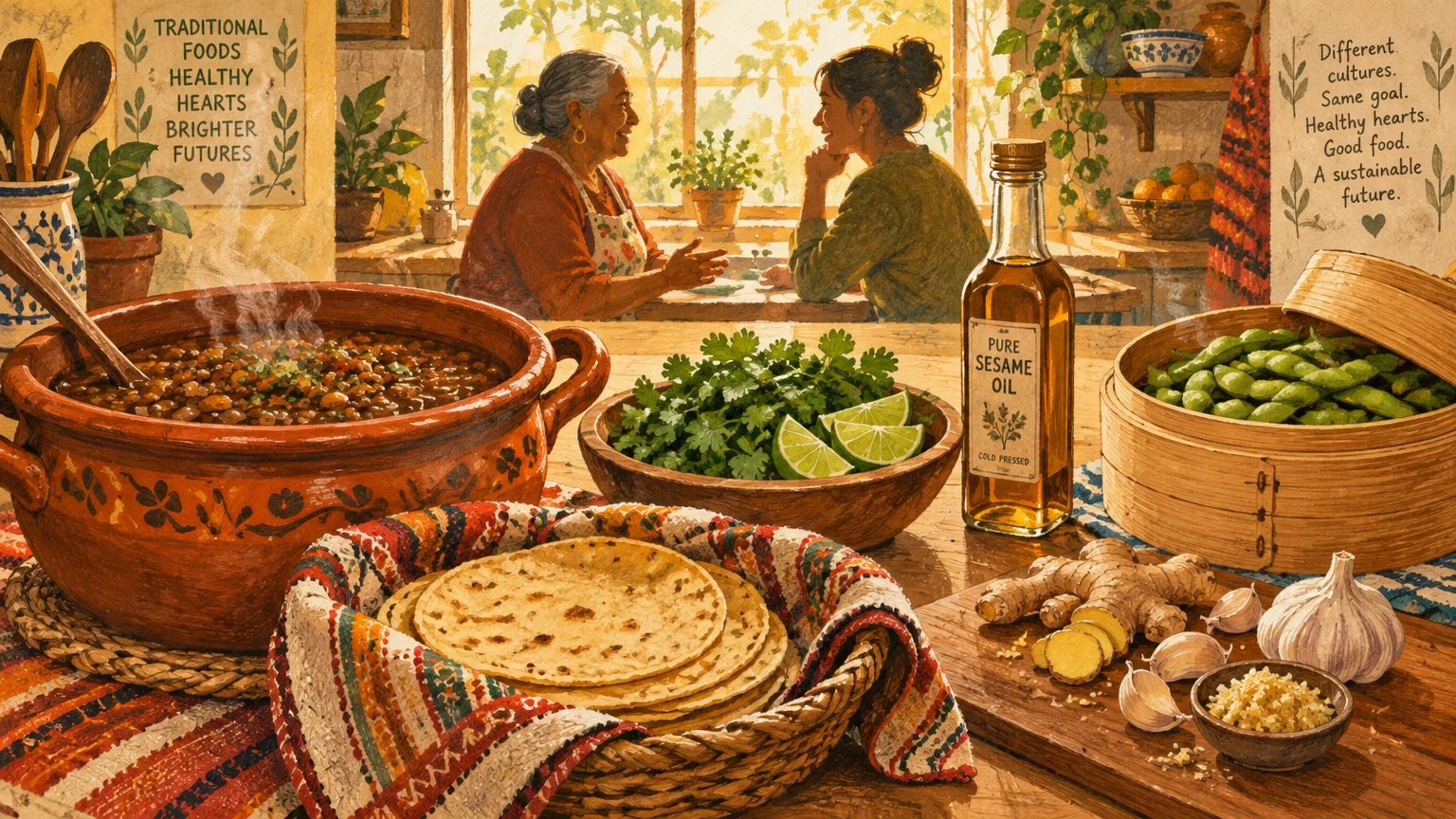
Preventive cardiologists and registered dietitians increasingly champion inclusive, culturally resonant approaches to heart-healthy eating patterns. Restrictive, culturally unfamiliar meal plans frequently lead to frustration and poor long-term adherence.
Every traditional global cuisine possesses an abundance of native, deeply nourishing foods that support vascular integrity. You can easily build an exceptional cholesterol-lowering plate using familiar ingredients from your own culinary heritage.
Traditional Hispanic cuisine offers fiber-packed black beans, pinto beans, and fresh avocados that supply protective monounsaturated fats. Asian culinary traditions celebrate antioxidant-rich green tea, steamed edamame, and soluble-fiber-dense shiitake mushrooms.
Mediterranean and Middle Eastern diets utilize split peas, chickpeas, lentils, raw sesame seeds, and cold-pressed olive oils. Traditional African culinary frameworks feature mineral-dense dark leafy greens, okra, and whole sorghum grain.
Health professionals emphasize consistency over rigid dietary perfection when approaching lifestyle medicine. Gradually adopting two or three protective culinary habits creates far more sustainable cardiovascular benefits than attempting radical, unsustainable kitchen overhauls.
Celebrate your cultural heritage by centering your family table on unrefined whole grains, vibrant produce, and ancestral pulses. Eating to protect your cardiovascular health should bring culinary delight and cultural connection, not feelings of deprivation.
Frequently Asked Questions About Cholesterol-Lowering Diets
How quickly can dietary changes alter my lipid panel?
Your lipid metabolism responds to targeted nutritional modifications with surprising speed. When you consume 1.5 to 3 grams of plant sterols daily, your LDL cholesterol can decrease within 2 to 3 weeks.
Broader comprehensive dietary shifts—such as reducing saturated fats and increasing soluble fibers—typically require 6 to 12 weeks to manifest fully in blood draws. Most physicians recommend retesting your fasting lipid profile three months after implementing major lifestyle modifications.
Consistent daily adherence directly dictates the magnitude of your laboratory improvements. Staying dedicated to your functional food routine ensures sustained hepatic clearance of atherogenic particles over your lifespan.
If your follow-up lab work shows minimal movement despite diligent dietary adherence, underlying genetics or metabolic conditions may be at play. Your physician can evaluate other physiological drivers and guide your next therapeutic steps.
Can I substitute cholesterol medication entirely with these foods?
Dietary improvements powerfully optimize lipid chemistry, but functional foods should not be treated as an automatic replacement for prescribed pharmacotherapy. If your physician has prescribed a statin or other lipid-lowering agent, never discontinue it without direct medical supervision.
For individuals with moderate baseline risk, adopting these seven foods can sometimes lower LDL sufficiently to meet clinical targets without medication. However, individuals with established atherosclerotic cardiovascular disease or severe genetic hypercholesterolemia require aggressive medical therapy to prevent acute clinical events.
Nutritional strategies work synergistically alongside modern pharmacotherapy to stabilize vascular plaques and reduce systemic inflammation. Eating protective foods frequently allows medications to work more effectively at lower dosages.
Discuss your personal health goals openly with your medical provider during regular wellness reviews. Your doctor can assess your vascular imaging, biomarker progress, and overall clinical risk to determine appropriate medication needs.
Are whole eggs safe to eat if I have high cholesterol?
Modern clinical research clarifies that dietary cholesterol in eggs exerts a relatively modest impact on blood LDL levels for most individuals. Saturated dietary fat influences hepatic LDL receptor activity far more aggressively than dietary cholesterol itself.
Whole eggs provide valuable nutrients, including choline, lutein, zeaxanthin, and bioavailable protein. Most cardiovascular organizations agree that consuming up to one whole egg daily fits comfortably within a heart-healthy dietary pattern.
However, roughly 25% of the human population qualifies as hyper-responders who absorb dietary cholesterol unusually efficiently. For these individuals, consuming dietary cholesterol can cause parallel increases in circulating LDL particles.
If your lipid panel remains stubborn despite limiting saturated fats, try swapping whole eggs for egg whites or plant proteins. Pay close attention to what accompanies your eggs, avoiding processed breakfast meats like bacon and sausage that pack high saturated fat loads.
What if I have digestive distress from increasing high-fiber foods?
Abruptly jumping from a low-fiber modern diet to a high-fiber regimen can cause temporary abdominal bloating, gas, and cramping. Your intestinal microbiome requires time to expand the specialized bacterial colonies needed to ferment complex plant carbohydrates efficiently.
Prevent gastrointestinal discomfort by increasing your daily dietary fiber slowly over four to six weeks. Introduce one functional fiber staple—such as a small serving of morning oats or a half-cup of lentils—every few days.
Simultaneously increase your daily intake of plain water alongside your dietary fiber intake. Soluble fibers pull water into your gastrointestinal lumen to form their therapeutic gel matrix; inadequate hydration leads to stubborn constipation.
Rinsing canned legumes thoroughly and utilizing digestive enzymes can ease your transition while your gut microbiome adapts. Within several weeks, your digestive tract will adjust comfortably to processing higher volumes of health-promoting fiber.
Taking Your First Step Toward Better Heart Health
Transforming your cardiovascular wellness does not require an overwhelming overhaul of your entire lifestyle overnight. Lasting health stems from making small, deliberate choices that accumulate into profound physiological adaptations over time.
Select just one actionable food swap to integrate into your kitchen routine starting tomorrow morning. You might choose to replace butter on your morning toast with sliced avocado, or swap sugary breakfast cereal for steel-cut oats.
Take a quiet moment today to reflect on your daily nutritional habits and your long-term cardiovascular goals. What simple, nourishing upgrade can you make right now to honor your heart and build lasting vitality?








Leave a Reply