

Optimizing your daily routine requires understanding the quiet, incremental habits that undermine long-term wellbeing before they manifest as chronic conditions. Physicians constantly observe well-intentioned patients sabotaging their own vitality through preventable missteps in nutrition, movement, and medical care. By recognizing these common pitfalls, you can immediately shift your trajectory toward sustainable health without resorting to extreme diets or exhausting workout regimens. This guide dissects fifteen frequent clinical observations to help you align your daily choices with physiological reality. You have the power to transform subtle daily errors into profound physiological advantages through targeted, evidence-based adjustments.
The Science Behind Everyday Health Missteps
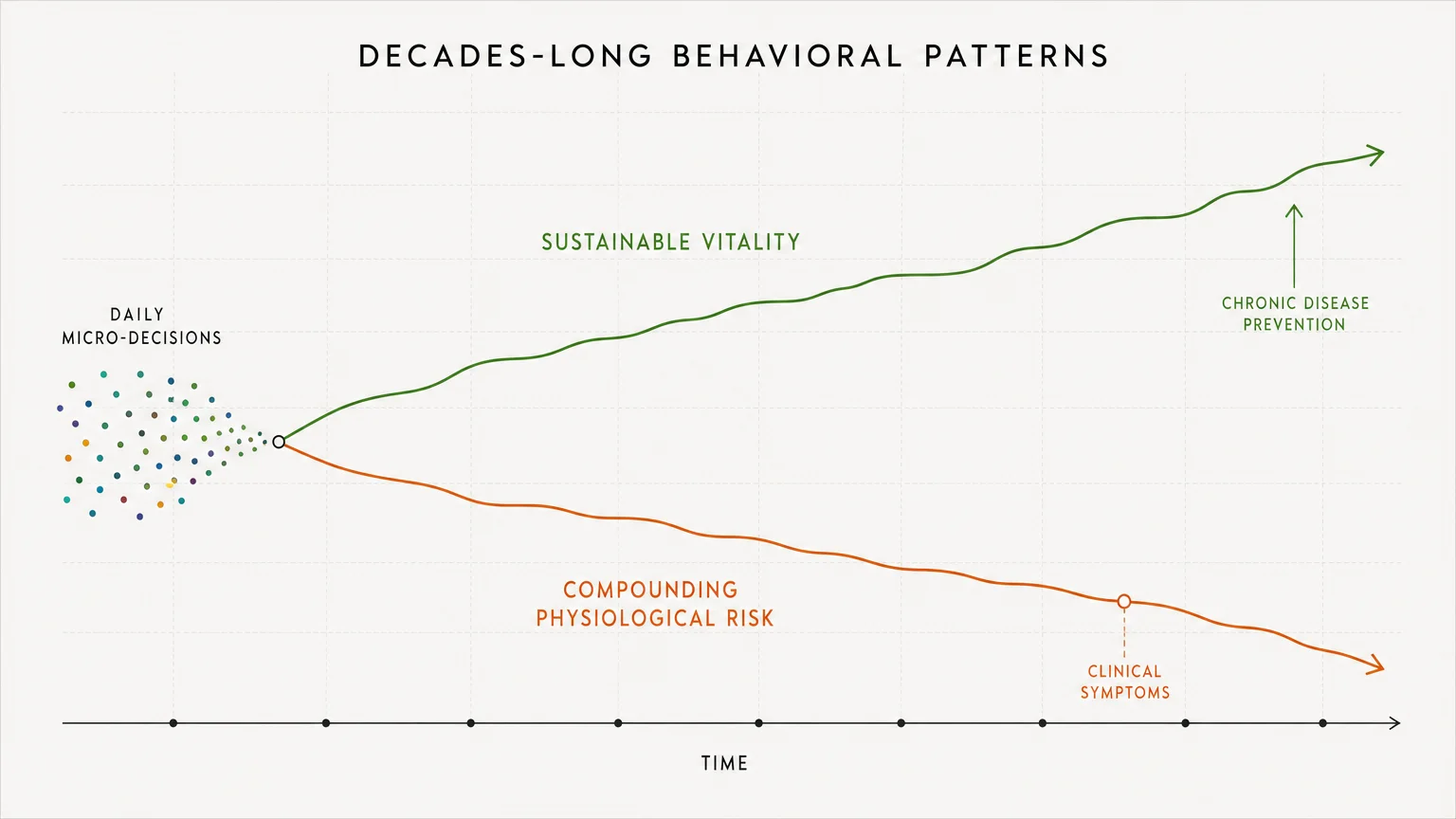
Physicians treat the outcomes of decades-long behavioral patterns rather than sudden physiological failures. The human body demonstrates remarkable resilience, compensating for poor sleep, inadequate nutrition, and sedentary habits for years before manifesting clinical symptoms. Research underscores that over half of premature mortality traces back to preventable behavioral factors rather than unpredictable genetics. Adhering to chronic disease prevention guidelines drastically reduces your risk of developing metabolic syndrome, cardiovascular issues, and cognitive decline. Reviewing clinical data reveals a clear consensus: daily micro-decisions dictate your long-term vitality. Doctors continually emphasize that adjusting minor habits yields a compounding physiological return on investment. You dictate how your genes express themselves through the internal environment you create within your body.

Nutrition and Hydration Oversights
1. Relying on Thirst as an Early Hydration Cue
By the time you feel parched, your body already faces a mild state of dehydration that impairs cognitive function and physical endurance. Your thirst mechanism lags behind your actual fluid requirements; waiting for a dry mouth means you have already lost roughly two percent of your water volume. You need to proactively consume water throughout the day based on your activity level and climate. Keep a visible water bottle at your workstation to establish a constant visual cue for continuous hydration.
2. Viewing All Processed Foods as Equal
Patients frequently adopt a rigid mindset regarding food processing, demonizing convenient options while missing critical nutritional nuance. You must distinguish between minimally processed items—like frozen vegetables or canned beans—and ultra-processed foods packed with added sugars and synthetic emulsifiers. Frozen produce often retains higher nutrient density than fresh counterparts transported over long distances. Read ingredient labels carefully to identify hidden sugars rather than discarding all packaged foods. Focus on the nutritional profile and fiber content to make informed dietary choices.
3. Skipping Fiber for Quick Energy
When exhaustion hits, reaching for refined carbohydrates provides an immediate glucose spike followed by a devastating metabolic crash. Many individuals consume barely half the recommended daily dietary fiber, starving their gut microbiome and destabilizing their blood sugar. You should pair any carbohydrate snack with a robust source of fiber and protein to delay gastric emptying. Eating an apple with almonds provides sustained energy while feeding the beneficial bacteria residing in your digestive tract. This simple pairing stabilizes your mood and maintains satiety.
4. Ignoring the Timing of Caffeine Consumption
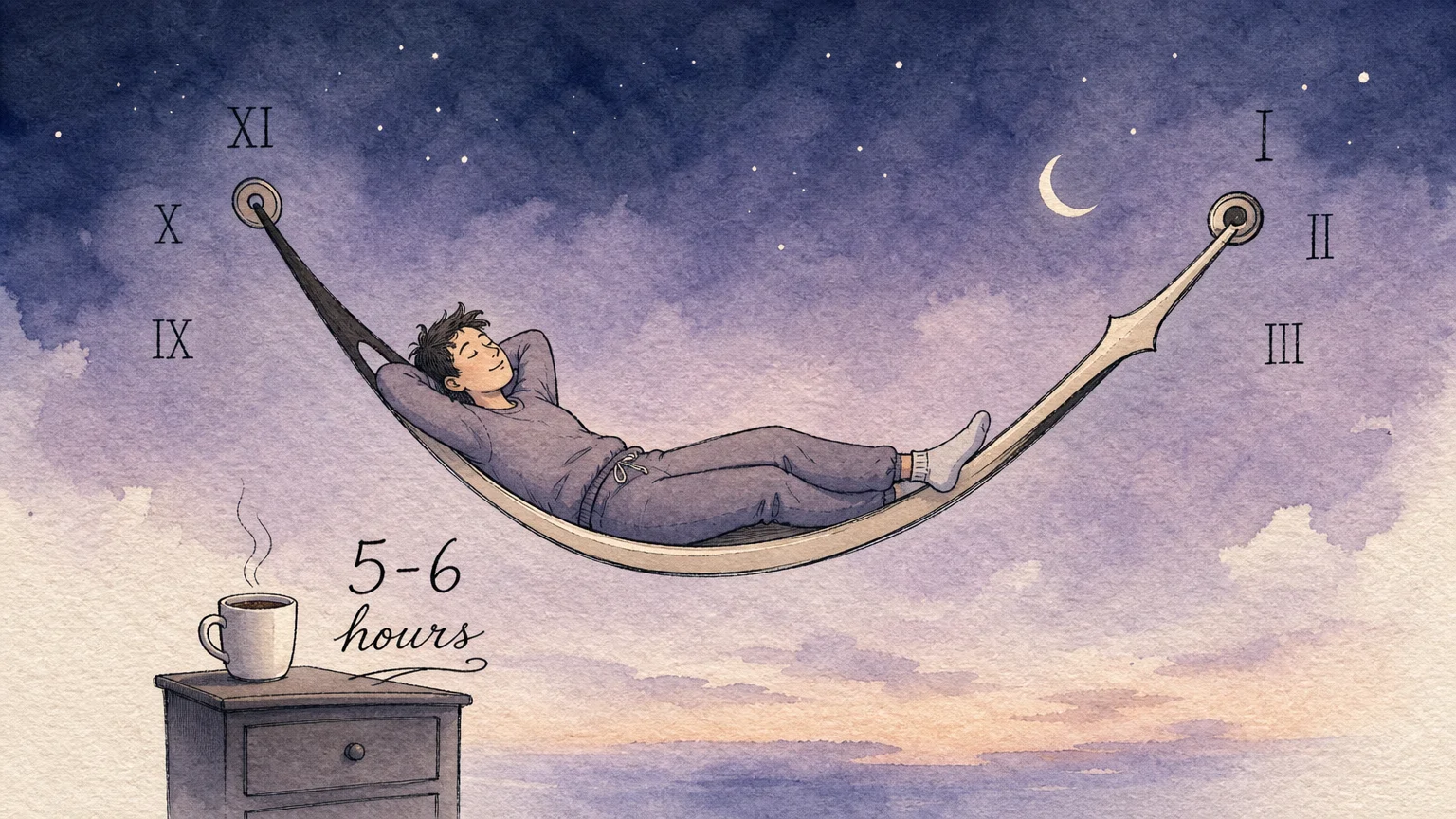
Drinking coffee late in the afternoon disrupts your circadian rhythm long after the subjective feeling of alertness fades. Caffeine boasts a half-life of roughly five to six hours, meaning a significant concentration remains in your bloodstream when you attempt to fall asleep. This residual stimulant diminishes your slow-wave sleep architecture, leaving you exhausted the next morning. Impose a strict caffeine cutoff time of two in the afternoon to protect your neurological recovery and ensure restorative rest.
Movement and Rest Miscalculations
5. Overestimating Weekend Workouts
Attempting to condense a week of missed physical activity into an intense Saturday session sharply increases your risk of musculoskeletal injury. The weekend warrior approach places sudden, extreme stress on tendons and ligaments unaccustomed to heavy loads. You need to distribute your cardiovascular and resistance training evenly across the week to build tissue resilience safely. Aim for consistent, moderate activity daily rather than punishing your body with sporadic, high-intensity intervals that demand extended recovery periods.
6. Stretching Cold Muscles
Physiotherapists regularly treat strains and tears caused by individuals performing static stretches before warming up their tissue. Yanking on cold muscle fibers mimics pulling a frozen rubber band; the tissue resists the tension and micro-tears under pressure. You must perform dynamic movements—like arm circles or walking lunges—to increase blood flow and elevate core temperature prior to exercising. Save static stretches for your post-workout cooldown when your muscles are pliable and ready to safely lengthen.
7. Treating Sleep as a Flexible Luxury
Trading sleep for productivity creates a systemic physiological debt that you cannot cancel with weekend naps. Chronic sleep deprivation elevates cortisol levels, increases systemic inflammation, and severely compromises your immune response. Recognizing the biological necessity of sleep shifts your perspective from viewing rest as a weakness to understanding it as your primary performance enhancer. Guard your sleep window fiercely by establishing a cool, dark environment and maintaining a consistent bedtime, even on weekends.
8. Ignoring Non-Exercise Activity Thermogenesis
Patients often believe their health depends entirely on their designated gym hour, neglecting the other twenty-three hours of the day. Non-exercise activity thermogenesis—the energy you expend walking, standing, and performing daily chores—accounts for a massive portion of your daily metabolic output. Sitting uninterrupted for eight hours negates many cardiovascular benefits gained during a brief morning run. Set a timer to stand, stretch, and pace your office every forty-five minutes to keep your metabolic pathways active.

Medical Care and Supplement Traps
9. Skipping Routine Preventive Screenings
Delaying colonoscopies, mammograms, or basic blood panels allows silent conditions like hypertension or hyperlipidemia to progress unchecked. Preventive medicine exists precisely to catch cellular abnormalities before they evolve into complex, life-threatening diseases. You must schedule and attend your routine age-appropriate screenings, recognizing that early detection drastically simplifies treatment protocols. Do not wait for localized pain or extreme fatigue to introduce yourself to a primary care physician. Establish a baseline of your vitals while you feel healthy.
10. Misusing Antibiotics for Viral Infections
Demanding an antibiotic prescription for a common cold or the flu actively harms your immune system and contributes to a global medical crisis. Antibiotics strictly eradicate bacteria; they possess zero efficacy against viral pathogens causing upper respiratory infections. Unnecessary antibiotic usage annihilates your protective gut flora while accelerating the antibiotic resistance crisis that endangers global public health. Trust your physician when they recommend rest and hydration for viral symptoms rather than insisting on pharmaceutical intervention.
11. Out-Supplementing a Poor Diet
Consumers spend billions annually on isolated vitamins, attempting to chemically replicate the complex nutritional matrix found in whole foods. A multivitamin cannot repair the cellular damage inflicted by a heavily processed, nutrient-void diet. Human digestion evolved to extract vitamins from complex food structures that include synergistic phytonutrients and dietary fiber. You should rely on supplements strictly to address clinically diagnosed deficiencies, utilizing whole foods as your primary vehicle for essential micronutrients.
12. Withholding Information from Your Physician
Patients often minimize their alcohol consumption, omit mentions of recreational drug use, or hide their alternative medicine practices due to embarrassment. Your physician requires a completely transparent view of your habits to prevent dangerous drug interactions and formulate an accurate diagnosis. Medical professionals operate to heal, not to judge your lifestyle choices. Detail every supplement, herbal remedy, and habit during your consultation so your healthcare team can safely navigate your treatment plan.

Mindset and Mental Health Neglect
13. Normalizing Chronic Stress
Modern society mistakenly equates perpetual exhaustion and high stress with ambition and success. Ignoring psychological stress impacts your physical reality; sustained cortisol release damages your cardiovascular lining and suppresses your immune function over time. You need to implement daily decompression strategies, whether through deep breathing exercises, brisk outdoor walks, or dedicated meditation practices. Treat stress management as a vital medical necessity rather than an optional leisure activity reserved for vacations.
14. Isolating During Health Struggles
Navigating a chronic diagnosis or undertaking a major lifestyle change alone significantly decreases your chances of long-term success. Social isolation correlates strongly with elevated blood pressure, severe depression, and diminished cognitive resilience. You must actively build a support network of friends, family, or community groups to share the emotional weight of your health journey. Discussing your challenges with a trusted circle regulates your nervous system and provides crucial accountability when your motivation wanes.
15. Pursuing Perfection Over Consistency
Adopting an all-or-nothing mentality guarantees ultimate failure when life inevitably disrupts your meticulously planned health regimen. Missing a single workout or eating one rich dessert does not ruin your progress unless you allow it to derail your entire week. You build sustainable health through the aggregate sum of your average days, not your flawless ones. Embrace a mindset of self-compassion, immediately returning to your positive habits after a minor setback without spiraling into guilt.

Voices from the Clinic
Gaining insight directly from examination rooms reveals the repetitive patterns healthcare providers wish they could broadcast to the public. Clinicians consistently express frustration over the disconnect between available medical knowledge and patient execution. Many primary care providers note that patients desperately want a complex diagnosis to explain their fatigue when the reality often points to chronic dehydration, sleep deprivation, and relentless stress. Dietitians echo this sentiment, observing individuals obsessed with rare superfoods who simultaneously consume minimal water and zero dietary fiber. Specialists emphasize that profound health transformations rarely emerge from dramatic overhauls; they blossom from mastering mundane, repetitive daily habits. When you sit in a doctor’s office, the professional across from you calculates how your subtle daily choices intersect with your genetic predispositions. Listening to these clinical frustrations allows you to course-correct before minor inefficiencies become chronic conditions requiring heavy medical intervention.
Frequently Asked Questions
How do I differentiate between normal fatigue and a medical issue?
Normal fatigue typically resolves after a few nights of restorative sleep and adequate hydration. If your exhaustion persists for weeks despite adopting rigorous rest protocols and optimizing your nutrition, schedule an appointment with a physician. Persistent lethargy often signals underlying thyroid dysfunction, severe vitamin deficiencies, or chronic infections requiring clinical assessment.
Are daily multivitamins completely useless?
Multivitamins offer value as an insurance policy against minor dietary gaps, but fail as a primary strategy for cellular health. If you lack access to fresh produce or suffer from malabsorption issues, a quality supplement provides critical support. Work alongside a registered dietitian to prioritize whole foods, reserving supplements for verified clinical deficiencies.
Why does my physician focus so much on my daily routine?
Your physician recognizes that the vast majority of chronic health outcomes stem directly from lifestyle factors rather than unpredictable genetics. By inquiring about your sleep, diet, and movement, they gather the raw data needed to predict your future health trajectory. Adjusting your routine serves as the most potent medical intervention available.
When should I seek emergency care versus waiting for a scheduled appointment?
Immediately seek emergency care for sudden, severe symptoms like crushing chest pain, facial drooping, acute shortness of breath, or sudden vision loss. Do not wait to see if these critical warning signs resolve. For gradual discomforts or mild viral symptoms, securing a routine appointment with your primary care provider ensures appropriate care without overwhelming emergency departments.
Taking Your First Step Forward
Overhauling your entire life simultaneously sets a trap for eventual burnout. You secure lasting wellness by identifying one specific, manageable adjustment and practicing it until it requires zero mental friction. Start by tackling the simplest oversight you recognized in this guide. Place a glass of water on your nightstand, schedule your overdue preventive screening, or commit to an afternoon caffeine cutoff. Health does not demand perfection; it requires persistent, gentle adjustments guided by physiological awareness. Ask yourself right now: which single habit can you modify today to support the future version of your body?









Leave a Reply