
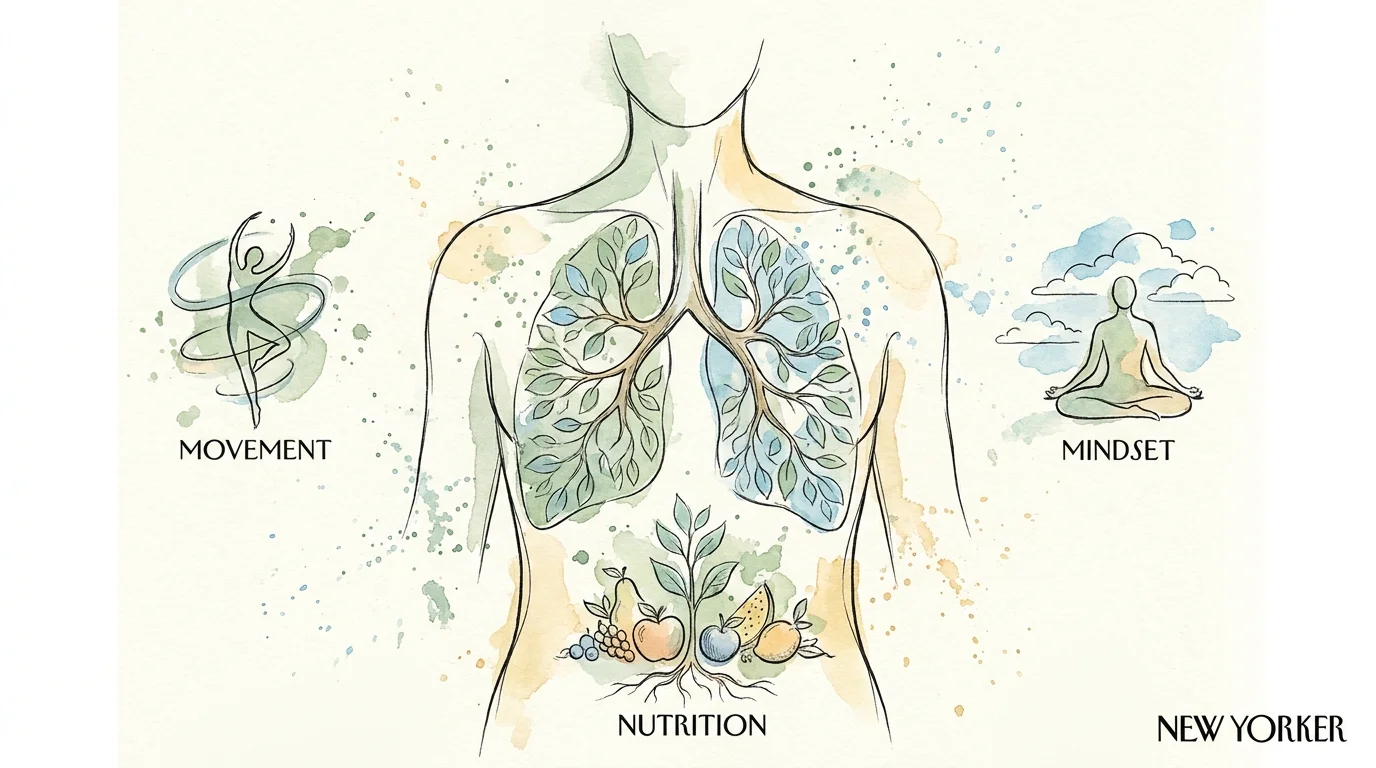
Holistic Pillars for Respiratory Resilience and Recovery
Navigating the threat of a rodent borne disease requires a comprehensive strategy that addresses your environment, your immediate medical needs, and your long-term physical recovery.
By implementing actionable steps across different aspects of your life, you can significantly reduce your risk of exposure and ensure your body is prepared to heal if you do face a severe respiratory infection.
Proactive Medical Care and Self-Advocacy
Your relationship with your healthcare provider is your first line of defense once symptoms appear. If you develop a fever and deep muscle aches after cleaning a shed, camping in a rural area, or noticing mouse droppings in your home, you must advocate for yourself aggressively. Do not wait for respiratory symptoms to manifest before seeking care.
When you visit an urgent care center or emergency room, explicitly inform the attending physician about your recent rodent exposure. This specific piece of medical history is often the only clue that prompts a doctor to run specialized serological blood tests for hantavirus antibodies rather than simply sending you home with instructions to rest and hydrate.
If your condition progresses to the pulmonary phase, treatment will require admission to an intensive care unit where clinicians can provide supplemental oxygen, mechanical ventilation, or, in extreme cases, extracorporeal membrane oxygenation to support your failing lungs and heart.






Leave a Reply