

As we accumulate years and experiences, our bodies naturally undergo profound transformations that easily mask serious underlying conditions. You might instinctively attribute a sudden lack of energy to the simple passage of time, or brush off frequent bathroom trips as an inevitable part of getting older. However, these subtle changes frequently point to a much deeper metabolic crisis—type 2 diabetes. Detecting the early warning signs of elevated blood sugar can drastically alter your long-term health trajectory. Seniors routinely overlook these quiet symptoms until they cascade into severe complications. Please remember that the medical information provided here serves strictly as an educational guide and should never replace personalized clinical advice from your physician.

The Quiet Warning Signs You Should Never Ignore
Type 2 diabetes rarely announces itself with dramatic flair in older adults. Instead, it weaves its symptoms into the everyday fabric of aging. If you or a loved one experience the following six signs, your body may be struggling to process glucose effectively.
1. An Unquenchable Thirst and Persistent Dry Mouth
You might notice yourself reaching for water far more often, yet your mouth remains uncomfortably parched. When excess sugar builds up in your bloodstream, your body initiates a fluid-pulling mechanism to dilute the concentrated glucose. Your kidneys go into overdrive to filter the sugar, pulling essential fluids from your surrounding tissues. This biological response leaves you persistently dehydrated regardless of how much water you consume. A dry mouth can also contribute to sudden dental issues or gum irritation, a secondary consequence of lacking enough protective saliva to wash away oral bacteria.
2. Increased Trips to the Bathroom
Frequent urination goes hand-in-hand with persistent thirst, creating a frustrating daily cycle. You might readily chalk up nighttime bathroom visits to an enlarged prostate, pelvic floor weakness, or an overactive bladder; these represent incredibly common conditions among adults over sixty. However, when your kidneys cannot keep up with filtering the exceptionally high volume of glucose in your blood, they excrete the excess sugar directly into your urine, dragging vast amounts of water along with it. If you find yourself waking up three or four times every night to empty your bladder, you need to look beyond typical age-related changes and heavily consider your metabolic health.
3. Unexplained Exhaustion and Lethargy
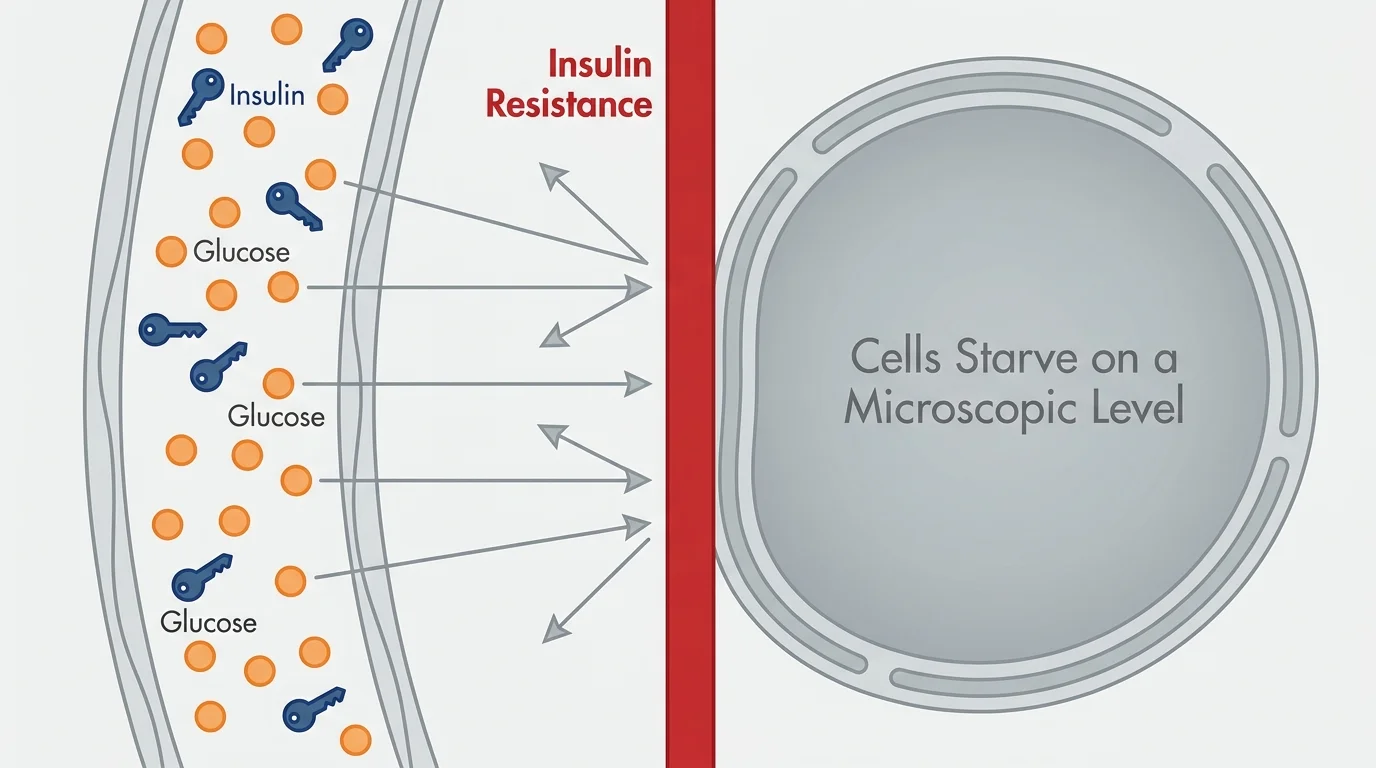
Profound fatigue represents one of the most frequently dismissed symptoms of early type 2 diabetes. Society conditions us to believe that slowing down constitutes a mandatory part of aging, but relentless exhaustion often stems from a cellular energy crisis. Your digestive system breaks down the carbohydrates you eat into glucose, which your cells then absorb and utilize for energy. When you develop insulin resistance, your cells fail to absorb this circulating glucose efficiently. Despite eating adequately and resting often, your cells essentially starve on a microscopic level, leaving you feeling utterly drained even after a full night of rest.
4. Subtle and Fluctuating Changes in Your Vision
Blurry vision frequently sends older adults straight to their optometrist in search of a stronger eyeglass prescription. While cataracts and macular degeneration certainly warrant prompt attention, rapidly fluctuating blood sugar levels also force the flexible lens inside your eye to swell and physically alter its shape. This fluid-induced swelling impairs your delicate ability to focus, resulting in intermittent blurriness that might seem worse on some days and better on others. Proper glycemic control almost always restores normal vision in these early stages, but ignoring this warning sign can eventually lead to diabetic retinopathy, vascular damage, and permanent vision loss.
5. Slow-Healing Cuts and Unexplained Bruising
As we grow older, our skin naturally thins out and loses a significant portion of its youthful regenerative capacity. Yet, if you notice that minor scrapes, kitchen cuts, or small bruises suddenly take several weeks to heal, chronically elevated blood sugar might be the primary culprit. High blood glucose levels actively damage your delicate blood vessels and stiffen your arteries, significantly slowing essential blood flow to the affected areas. Your circulatory system struggles to deliver the crucial oxygen and nutrients required for rapid cellular repair. Furthermore, high blood sugar directly impairs the function of your white blood cells, compromising your immune response and increasing your vulnerability to localized skin infections.
6. Tingling, Numbness, or Pain in Your Extremities
A strange sensation of pins and needles in your feet or hands often serves as the first glaring clinical indicator of nerve damage, medically defined as diabetic peripheral neuropathy. Prolonged daily exposure to high blood sugar actively degrades the protective coatings on the delicate nerve fibers that transmit sensory signals from your extremities to your brain. You might initially feel a mild tingling or an unusual burning sensation in your toes, which slowly creeps upward into your ankles and legs. Older adults routinely mistake this nerve discomfort for generalized arthritis or standard poor circulation, dangerously delaying crucial medical interventions.
Understanding the Condition: Causes, Risk Factors, and Diagnosis
To combat type 2 diabetes effectively, you must comprehend the underlying biological mechanics driving the disease. At its core, type 2 diabetes develops when your body becomes resistant to insulin—a vital hormone produced by your pancreas that regulates the precise movement of blood sugar into your muscle and fat cells. Initially, your pancreas attempts to compensate by pumping out more insulin to force the stubborn glucose into your cells. Over months and years, the insulin-producing beta cells in your pancreas wear out, insulin production plummets, and your blood sugar levels remain at toxic highs.
Several distinct risk factors uniquely impact seniors and rapidly accelerate this metabolic dysfunction. Age-related muscle loss, clinically known as sarcopenia, heavily reduces the sheer volume of metabolic tissue available to absorb and burn excess glucose. Concurrently, older adults frequently experience an unhealthy increase in visceral fat—the inflammatory fat stored deep within the abdominal cavity—which continuously releases chemical signals that worsen insulin resistance. A highly sedentary lifestyle, a direct family history of the disease, and a prior history of cardiovascular issues further compound your personal risk profile.
Diagnostic testing provides the definitive clarity you need to move forward with a targeted treatment plan. Doctors primarily rely on the hemoglobin A1C test, a simple blood draw that measures your average blood sugar levels over the past two to three months. An A1C level of 6.5 percent or higher on two separate testing occasions definitively indicates diabetes. Your physician might also utilize a fasting plasma glucose test to measure your specific blood sugar after an eight-hour overnight fast. According to the diagnostic guidelines published by the American Diabetes Association, early and accurate screening protocols remain absolutely paramount for older adults experiencing the aforementioned signs, ensuring timely intervention before permanent vascular damage occurs.
Navigating the Treatment Landscape
The treatment paradigm for type 2 diabetes has evolved dramatically, shifting away from a rigid, one-size-fits-all approach toward highly personalized care plans that account for the unique physiological vulnerabilities of older adults. You and your healthcare team will collaborate closely to establish realistic glycemic targets that perfectly balance complication prevention with the dangerous risk of hypoglycemia, or low blood sugar. Hypoglycemia poses a particularly severe threat to seniors, as sudden drops in blood glucose can rapidly cause extreme dizziness, mental confusion, dangerous falls, and subsequent bone fractures.
Conventional oral medications often serve as the first and most dependable line of defense. Metformin remains the trusted cornerstone therapy for most newly diagnosed patients; it works reliably by decreasing the amount of stored glucose released by your liver while simultaneously improving your body’s overall sensitivity to circulating insulin. For many older adults, metformin offers a highly safe and effective mechanism to manage blood sugar without carrying a high risk of dangerous hypoglycemic episodes. However, some individuals experience challenging gastrointestinal side effects or vitamin B12 deficiencies, requiring a slow titration of the dosage and routine nutritional monitoring.
In recent years, innovative emerging therapies have fundamentally transformed the entire landscape of diabetes management. Glucagon-like peptide-1 receptor agonists, widely referred to as GLP-1 medications, intelligently stimulate insulin secretion only when your blood sugar levels actively run high, effectively lowering glucose while minimizing dangerous hypoglycemia risks. Furthermore, these specific medications often promote substantial weight loss and provide significant cardiovascular benefits. Similarly, SGLT2 inhibitors assist your kidneys in aggressively filtering and removing excess glucose directly through your urine. The National Institute of Diabetes and Digestive and Kidney Diseases strongly notes that while these advanced drug classes offer remarkable health benefits, your prescribing doctor must carefully evaluate your baseline kidney function and daily hydration status before initiating these powerful therapies.

Living Well and Managing Daily Care
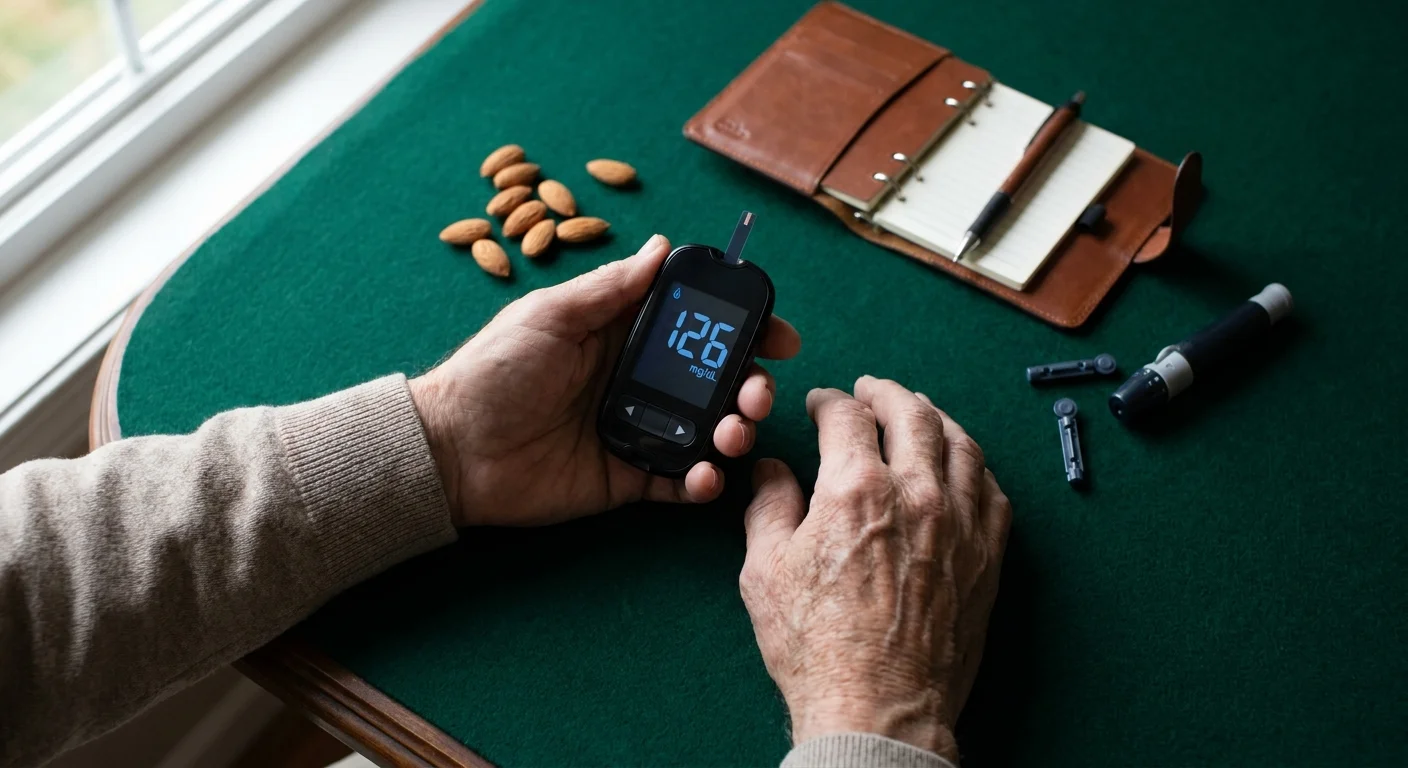
Receiving a formal type 2 diabetes diagnosis inevitably alters your established daily routine, but it does not have to diminish your long-term quality of life or strip away your independence. Effective, proactive self-management consistently forms the bedrock foundation of living well with this chronic condition. You will need to actively learn how to monitor your own blood sugar using a traditional finger-prick glucometer or a modern continuous glucose monitor, which painlessly provides real-time data through a tiny sensor attached to the back of your arm. Tracking these vital metrics empowers you to clearly understand exactly how specific foods, daily stress levels, and various physical activities directly impact your blood sugar control.
Caregiver support frequently plays a vital role in ensuring sustained success, particularly for seniors who manage multiple, overlapping chronic conditions. Dedicated family members or professional caregivers can reliably assist with strict medication adherence, safely accompany you to complex medical appointments, and actively help prepare nutritionally balanced meals. Maintaining open, honest communication between you and your personal caregivers prevents dangerous misunderstandings and strongly ensures that everyone involved remains highly vigilant for subtle signs of dropping blood sugar or newly developing complications.
Building a robust, comprehensive multidisciplinary healthcare team greatly enhances your overall long-term prognosis. Beyond your trusted primary care physician, you might significantly benefit from consulting an expert endocrinologist who specializes in complex metabolic disorders. Committing to regular visits with a skilled podiatrist remains crucial, as they can accurately monitor your feet for advancing neuropathy and poor peripheral circulation, actively preventing minor skin wounds from rapidly escalating into severe infections. Engaging directly with the rich educational resources offered by the Centers for Disease Control and Prevention can confidently help you navigate these various, often overwhelming care channels effectively. You should also look into practical aging tips from the National Council on Aging to seamlessly adapt your household for maximum daily safety.
Frequently Asked Questions
How quickly should I see a doctor if I notice warning signs?
You should urgently schedule an appointment with your primary care physician the moment you recognize a persistent pattern of these warning symptoms. Since type 2 diabetes typically progresses at a very gradual pace, immediate medical evaluation allows you to implement critical interventions long before irreversible organ failure or widespread nerve damage officially occurs. Do not wait for your scheduled annual physical exam if you actively experience profound, unexplained fatigue, excessive daily thirst, or sudden vision changes.
Will Medicare or private insurance cover modern continuous glucose monitors?
Insurance coverage for advanced continuous glucose monitors has expanded tremendously in recent years due to their proven clinical efficacy. Medicare Part B frequently covers these highly beneficial devices for seniors with diabetes who meet specific, documented criteria, such as requiring daily insulin therapy or possessing a known history of problematic hypoglycemic events. You should immediately contact your specific insurance provider and discuss your complete medical history with your doctor to accurately determine your exact eligibility and precisely calculate any potential out-of-pocket costs.
Can older adults actually reverse type 2 diabetes entirely?
While top medical professionals generally prefer utilizing the clinical term “remission” rather than “reversal,” you can achieve completely non-diabetic blood sugar levels without utilizing any medication through highly aggressive, targeted lifestyle interventions. Significant weight loss, strictly structured dietary changes, and consistent physical activity can successfully restore your body’s natural insulin sensitivity. However, maintaining this coveted state of remission requires intense, lifelong dedication to these healthy habits, and the actual feasibility depends heavily on exactly how long you have carried the condition.
What exciting new research offers genuine hope for seniors managing this condition?
Recent clinical trials continually explore vastly more precise, targeted applications of modern GLP-1 and GIP receptor agonists, focusing heavily on their profound, protective cardiovascular and renal benefits for aging populations. Furthermore, top scientists heavily investigate the deeply complex genetic and cellular mechanisms driving age-related insulin resistance to rapidly develop hyper-targeted therapies that preserve delicate pancreatic function specifically in older adults. Consistently staying informed through deeply reputable medical organizations like the Endocrine Society can successfully keep you updated on all major breakthrough treatments.
Taking the Next Step Forward
Recognizing the highly subtle, deeply quiet early signs of type 2 diabetes requires intense personal vigilance and a steadfast willingness to listen closely to what your changing body is trying to tell you. You do not have to accept persistent daily fatigue, sudden frightening vision shifts, or constant, unquenchable thirst as the mere inevitable consequences of getting older. Your long-term health, physical comfort, and personal independence deserve proactive, immediate medical attention. Reach out to your dedicated healthcare provider today to openly discuss your exact symptoms, explicitly request comprehensive metabolic blood work, and thoroughly explore the vast myriad of highly effective treatment options readily available to you. By actively advocating for your own lasting well-being and closely partnering with a trusted medical team, you can confidently navigate your ongoing health journey and firmly secure a vibrant, highly active future.








Leave a Reply