
What Are The Safety Hacks Every Patient Should Know About? Why Are Hospitals Avoiding To Tell You About Them?
Our pieces of advice will help you get better medical care, save money, and most importantly, get out of the hospital alive. So, check out these 25 safety facts and next time when you’ll need hospitalization you’ll know how to act in order to get the best results.

1. Shop around for rehab
Carefully choose the place you’re going to shop from. Choose a place that has experience with your condition if you’re being released for rehab. “We found that rehab facilities that handle more than two dozen hip fractures a year were more than twice as likely to successfully discharge seniors within a month as less experienced facilities were,” says Pedro Gozalo, PhD, professor in health services policy and practice at Brown University in Providence, Rhode Island.
2. Join the conversation
In order to improve communication and care ask your nurses to do a bedside shift change. This way, they’ll share information in your presence instead of at the nurses’ station, allowing you to correct any existing errors. Also, being open and communicative with your nurses will improve your mood and make you feel safe.
3. Sanitize everything
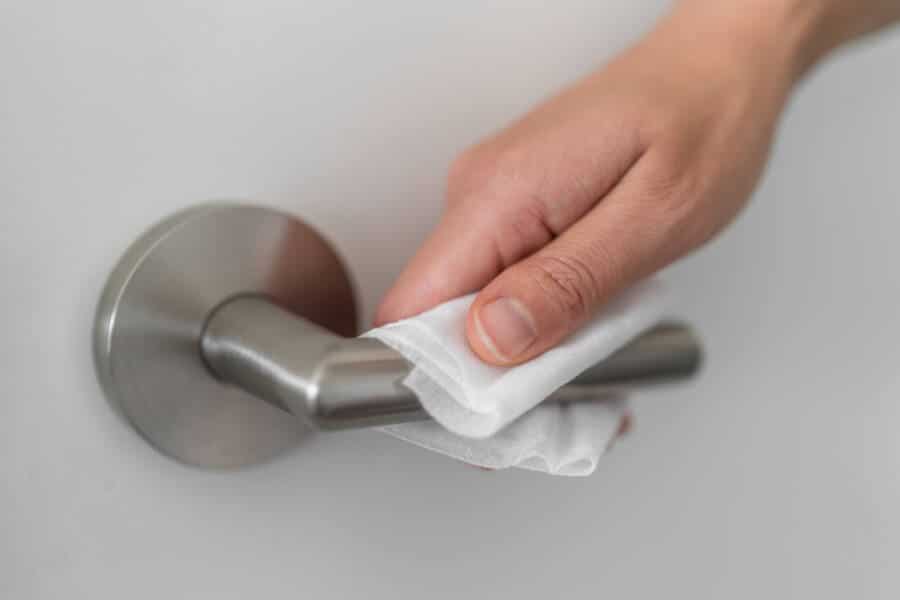
Superbugs live everywhere! Even if your doctor sterilizes his hands before visiting you, that is not enough. His white coat brushing against your bed can easily transfer dangerous germs from someone else’s room. If you don’t have any, you should ask for alcohol wipes to clean your room. Pay attention to bed rails, remotes, doorknobs, call buttons, phones, and toilet flush levers. Don’t you ever try to eat before washing your hands!
We recommend you try these wipes. They are some of the best products found on Amazon, based on their reviews.
4. Don’t be a distraction
Don’t interrupt the nurses when they are doing their job. Research has found that the more times you disturb the nurse, the greater the likelihood of error. Sally Rafie, a hospital pharmacist with the UC San Diego Health System talks about a study that shows that each interruption was linked to a 12 percent increase in errors.
5. Nurses are overwhelmed
Nurses are often forced to handle more patients than they should. They would have better outcomes if would were responsible for fewer patients and even studies have shown that. In the United States, California is the only state with hospital-wide minimum nurse-patient staffing ratios. A researcher from the University of Pennsylvania found that each extra patient a nurse has increased the risk of death.
6. Ask what your doctor will be doing
Knowing exactly what your doctor is going to do will make you feel safer. Even though you’ll not be able to understand all those medical concepts, the conversation will help you increase your confidence in your doctor and will make it easier for you to handle the surgery.
7. Ask how to recover faster
Each day in the hospital represents a huge amount. So, don’t be shy and ask your doctors how to recover faster! Find out what criteria you need to meet to be discharged, and then get motivated!
8. Bring your own meds
Bringing your meds from home is a lot cheaper! So, make sure when you prepare for hospitalization, you do not forget to pack the essentials. The hospital pharmacy will have to check them and verify they are what the bottle says. Trust us, it’s completely worth the process!
9. Pick a teaching hospital
In teaching hospitals students and residents pay attention to what doctors do and constantly ask questions, preventing errors. It has been found that teaching hospitals have better outcomes and lower complication rates. So, if you need a complex surgery, don’t hesitate and opt for a teaching hospital. Trust us, you won’t regret it!
10. Check your bill
Eight out of ten hospital bills contain an error. So, take your time and carefully check the bill! You may identify a drug you didn’t take or heard about. Also, keep in mind that the number on the bill is just a starting point. Try to negotiate for a 35 or 50 percent discount.
11. Hospitals are becoming more like hotels
Why would they want to appear like hotels? Well, they are trying to attract patients. More and more hospitals worry about losing revenue to retail clinics, urgent-care centers, and private surgery centers. Nowadays, big hospitals even have pianos and waterfalls! Isn’t that cool? It may seem too much at first, but the environment contributes to the patient’s mood. The sick person must be feeling safe.
12. VIP patients can affect your case
As you already know, VIP patients get special treatment. So, it means they represent a priority. Unfortunately, hospitals can’t add more nurses… which means that VIP patients just take away from the care everybody else gets.
13. Bring your own toiletries
Hospital toiletries are awful, so if you know that you are going to be hospitalized for a longer period, make sure you pack your self-care products. The ones found in hospitals have really poor quality.
14. We can monitor you from a distance
“Hospitals try to lower the number of readmitted patients through remote patient monitoring. They may have you wear a monitor that tracks your vitals and alerts your team if they go out of range. They may ask you to download an app that reminds you to take your pill. If you don’t mark that you’ve taken it after a few reminders, a nurse calls.” – Bill Balderaz

15. Stay with your loved ones
Spending time with your loved ones can help you feel better and recover faster. Don’t let a loved one spend the night alone in a hospital and do everything for them to feel protected and comfortable. It can be overwhelming to be hospitalized, especially when you are facing a serious issue that can put your life in danger. So, be patient with your family members that need you on their darkest days. They didn’t choose to be sick.
16. Hospital food could make you sick
Your food should be chosen considering the health issues you are dealing with. So, not all the food found in hospitals would be good for you. There is no communication between dietary and pharmacy. For example, if you are on drugs for hypertension or heart failure you should strictly avoid bananas and orange juice which are high in potassium levels.
17. Schedule surgery early in the week
The doctors and nurses with the most experience can be found on weekdays. On weekends and holidays, hospitals have lighter staffing. Also, some lab tests and other diagnostic services may be unavailable. So, the best time to schedule surgery is in the week and if possible, early in the morning. This way, you’ll make sure everything will work out best.
18. Too much rest could impede recovery
“Get up and move. Walk the halls, walk to the cafeteria, and go outside. It will help you avoid blood clots, and patients see psychological benefits. One study found that older patients who get out of bed and walk around reduce their stay by an average of 40 hours.” – Roy Benaroch
Before leaving, check out another related article: 12 Essential Things to Do If You Want A Happy Retirement.






Great article wish I had it before my husband passed away in hospital because of bad care & to many different doctors
Have someone that knows something about medicine to advocate for you, if you need a mouthpiece to talk to your doctor. Don’t ever be afraid to speak up and show you have some skin in the game, before going into hospital…Read about your affliction and understand what is about to happen in the hospital and length of rehab. Don’t let the hospital be the only driving force, do your research!
I work in a hospital a nurse case manager and definitely have a few caveats. For #1, you have choice to an extent. Most insurances will not pay for you to stay in the hospital while you wait for the rehab of your choice. If you insist on specific facility that can’t accept you when you’re medically ready you could be looking at a hefty bill. I know where I work, it’s $2000+ a day for self pay. Please don’t do #8. The pharmacy will verify what they are, but most hospitals have policies that say they can only use home meds if they are something they don’t have on formulary. You’d also be negating the safety measure where the nurse scans your ID bracelet and then scans each med package before giving it to ensure you’re getting all the right medications. If you bring in your home meds they’ll either be sent home with a loved one or getting locked in a safe until you leave.
Excellent advice