

As you age, your body loses its natural ability to synthesize the sunshine vitamin from skin exposure, putting you at a significantly higher risk for vitamin D deficiency. Recognizing the subtle symptoms early allows you to protect your bone health, cognitive function, and daily energy levels before severe complications arise. Many seniors brush off early warning signs like muscle weakness or persistent fatigue as normal aging, which delays critical interventions. Medical professionals recommend proactive screening because replenishing this essential hormone requires precision and medical guidance. Understanding these seven silent signs empowers you to collaborate with your healthcare team, correct your nutrient levels, and restore your physical independence and overall well-being.
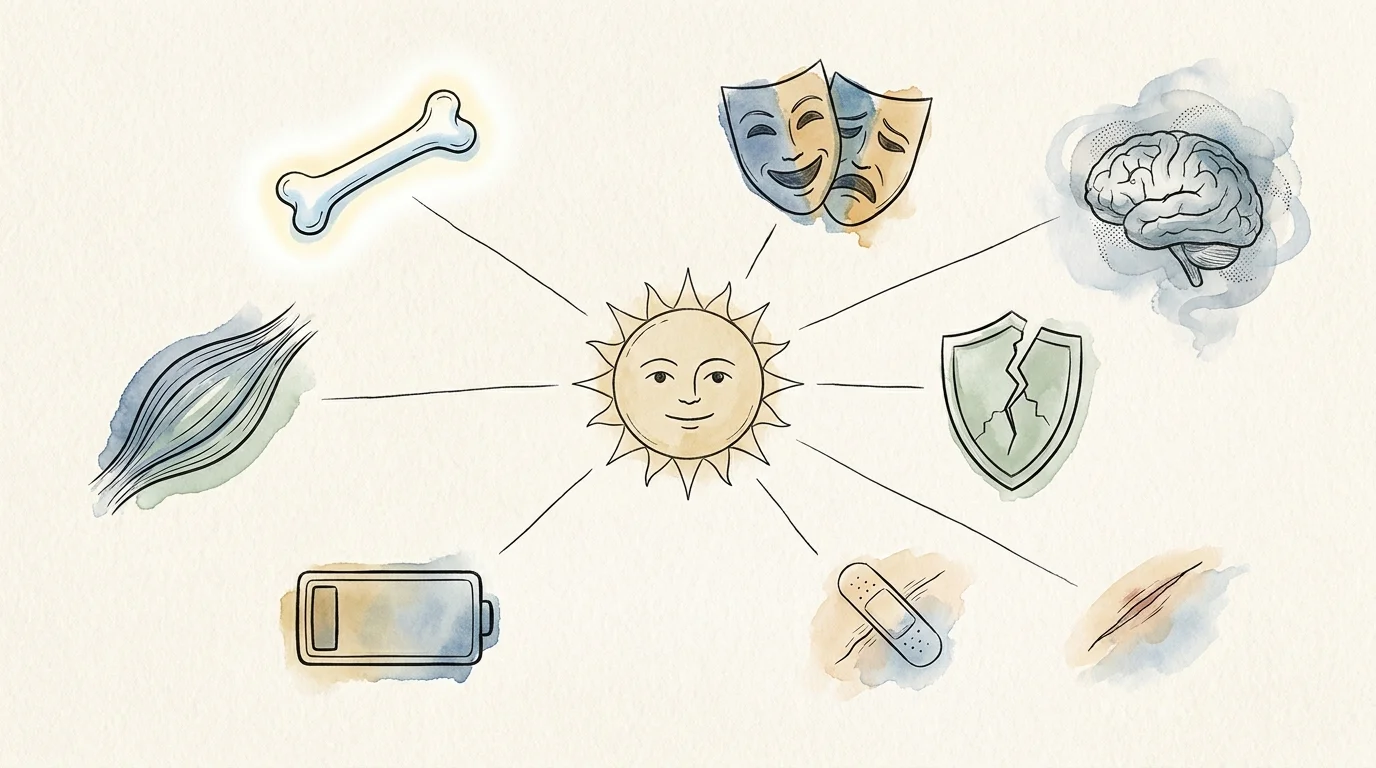
Recognizing the Seven Silent Signs

Unexplained Bone and Joint Pain
You might assume that daily aches simply come with the territory of growing older; however, persistent bone and joint pain frequently signals a severe lack of vitamin D. This crucial nutrient acts as the primary key that unlocks your intestines, allowing your body to effectively absorb dietary calcium. When your vitamin levels plummet, your body compensates by leaching calcium directly from your skeleton to maintain stable blood levels. Over time, this biological theft leads to a condition called osteomalacia—a literal softening of the bones. You will typically experience this specific type of pain as a deep, persistent ache in your lower back, pelvis, or legs, rather than the sharp, localized joint pain associated with osteoarthritis.
Persistent Muscle Weakness and Instability
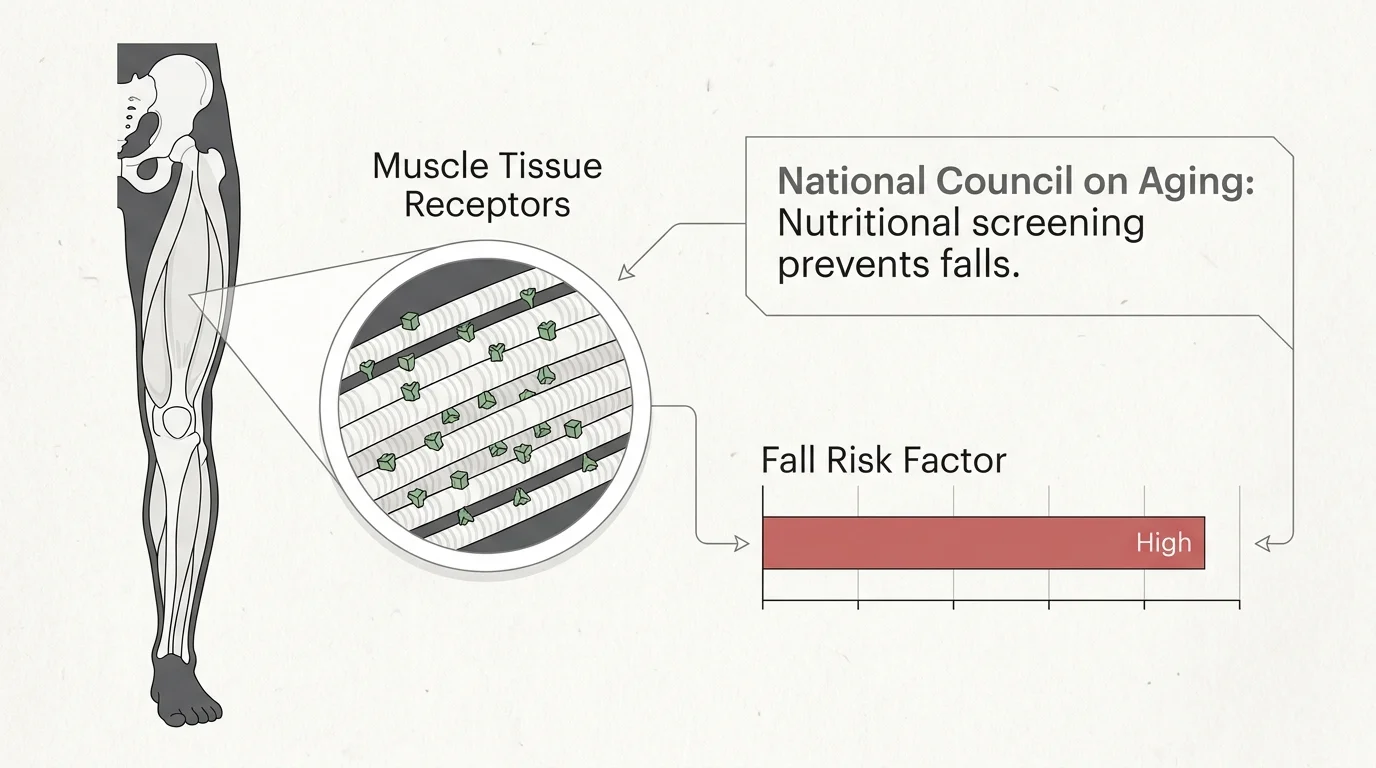
Human muscle tissue contains highly specific receptors for vitamin D, meaning your muscles rely directly on this hormone to contract efficiently and maintain strength. A deficiency disrupts these cellular pathways, causing noticeable muscle weakness that primarily affects your core, thighs, and shoulders. You might notice this weakness when you struggle to rise from a low chair, climb a standard flight of stairs, or carry your weekly groceries. Because this weakness compromises your balance, a drop in your vitamin levels drastically increases your risk of suffering a catastrophic fall. Patient advocacy groups, including the National Council on Aging, heavily emphasize nutritional screening as a primary strategy for preventing falls and preserving senior mobility.

Chronic Fatigue and Daily Sluggishness
While occasional tiredness happens to everyone, the profound exhaustion associated with low vitamin D feels deeply physical and unrelenting. Medical researchers link this sunshine hormone directly to mitochondrial function—the microscopic power plants inside your cells that generate energy. Without adequate chemical fuel, your cells cannot produce the energy required to get you through the day. You might wake up feeling unrefreshed despite sleeping a full eight hours, or you may hit a severe energy wall by early afternoon. Because chronic fatigue mimics so many other age-related conditions, physicians must look past surface-level complaints and run specific blood panels to identify the root metabolic cause.

Mood Fluctuations and Depressive Symptoms
Your brain requires a steady supply of vitamin D to synthesize serotonin and dopamine, the critical neurotransmitters responsible for regulating your mood. When your nutrient levels drop, you face a significantly higher risk of experiencing depressive symptoms, anxiety, and uncharacteristic mood swings. While younger adults often experience this as seasonal affective disorder during the dark winter months, seniors who spend most of their time indoors can suffer from these mood disturbances year-round. Addressing the chemical imbalance in your brain through proper supplementation frequently lifts this heavy emotional fog, allowing you to reengage with your hobbies, family, and social circles.

Frequent Respiratory Illnesses and Infections
Your immune system relies heavily on vitamin D to deploy macrophages and T-cells, the frontline defender cells that identify and destroy invading pathogens. A chronic deficiency compromises this immune response, leaving you highly vulnerable to passing viruses, bacterial infections, and seasonal influenza. If you find yourself catching every cold that circulates through your community—or if a simple chest cold consistently progresses into severe bronchitis—your immune cells likely lack the nutritional support they need to mount a defense. Restoring your baseline levels acts as an invisible shield, helping your immune system respond swiftly and aggressively to environmental threats.
Delayed Wound Healing
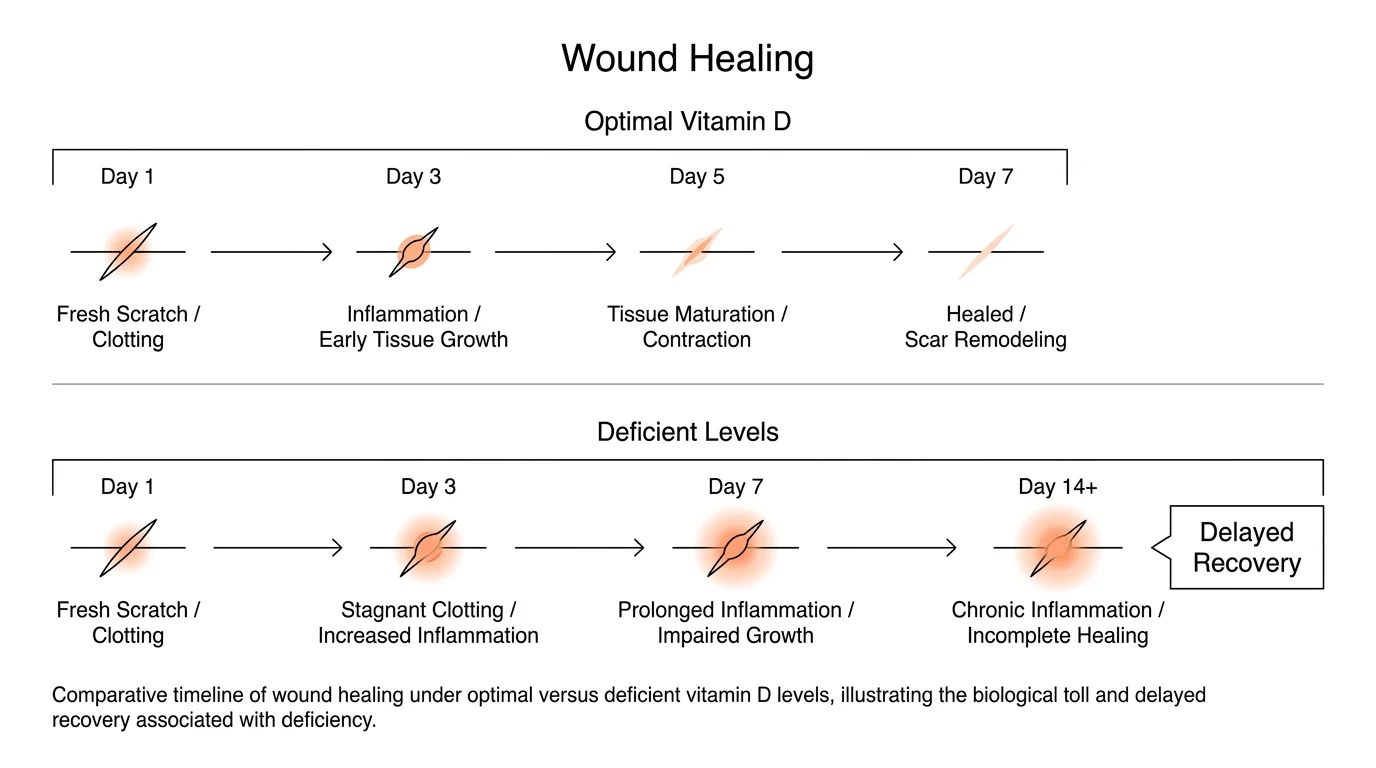
Following a surgical procedure, a minor kitchen burn, or a simple paper cut, your skin immediately begins producing specific compounds vital for generating new tissue. Vitamin D plays a mandatory role in this complex epidermal repair process. When you lack adequate levels, your body simply cannot synthesize the structural proteins required to close and heal wounds efficiently. If you notice that minor scrapes take weeks to disappear, or if a surgical incision site remains inflamed long past your surgeon’s predicted timeline, your body is actively showing you a nutritional deficit. Correcting this deficiency accelerates cellular regeneration and protects you from opportunistic skin infections.

Cognitive Fog and Concentration Difficulties
Emerging neurological research reveals a dense network of vitamin D receptors clustered in the regions of the brain responsible for memory processing and executive function. Insufficient levels impair the rapid firing of neurons, manifesting as cognitive fog, forgetfulness, and an inability to concentrate on complex tasks like managing finances or reading dense literature. Many seniors quietly panic when they experience these cognitive lapses, mistakenly assuming they are developing permanent dementia. Fortunately, cognitive impairments driven by nutritional deficits are often highly reversible once you achieve and maintain optimal blood levels through medical guidance.
Understanding the Condition: Causes, Risk Factors, and Diagnosis
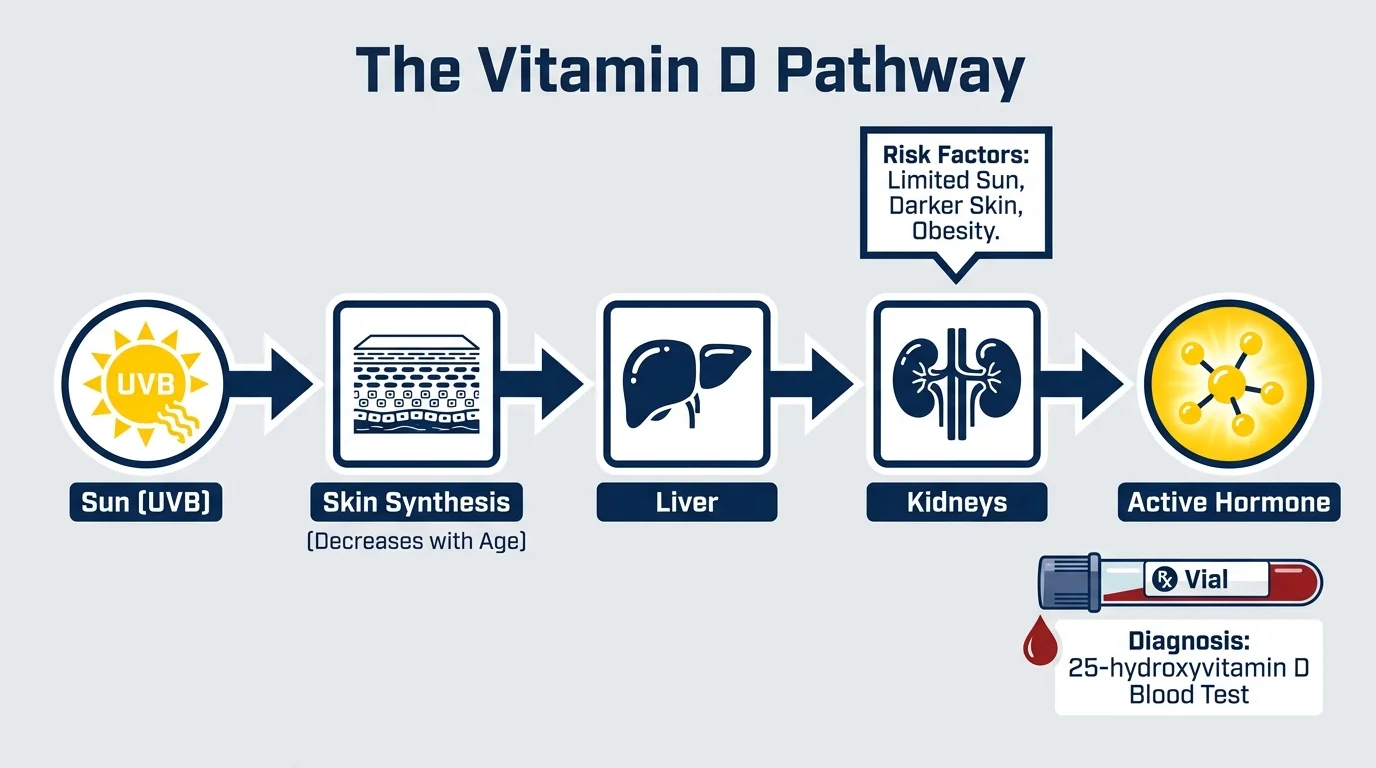
To effectively combat this deficiency, you must understand why aging inherently increases your vulnerability. As your skin matures, it progressively thins out and loses a significant portion of the compound 7-dehydrocholesterol, reducing its natural ability to manufacture vitamin D from sunlight by up to fifty percent. Furthermore, your kidneys naturally become less efficient at converting the raw, inactive form of the vitamin into its biologically active state. When you combine these internal biological shifts with lifestyle factors—such as spending more time indoors, wearing protective clothing, and applying high-SPF sunscreens—your risk profile expands dramatically.
You cannot diagnose a deficiency based on symptoms alone; you must request a specific diagnostic blood test called the 25-hydroxyvitamin D test. This standard draw provides an accurate snapshot of the reserves stored in your body. While reference ranges can vary slightly between laboratories, clinical guidelines generally define a severe deficiency as a level below 20 ng/mL, while levels between 20 and 29 ng/mL indicate insufficiency. To achieve optimal physiological function and bone protection, most specialists want to see your results sitting comfortably between 30 and 50 ng/mL. Regular screening removes the guesswork and provides a clear mathematical baseline for your treatment plan.

The Treatment Landscape: Conventional and Lifestyle Interventions
Once your healthcare provider confirms a deficiency, they will outline a targeted treatment protocol designed to safely rebuild your depleted stores. The medical community generally relies on two primary forms of supplementation: ergocalciferol (vitamin D2) and cholecalciferol (vitamin D3). Most modern practitioners strongly prefer prescribing D3, as clinical data proves it remains active in your bloodstream longer and raises your overall levels more efficiently. Depending on the severity of your condition, your doctor might initiate a protocol using high-dose prescription capsules taken once a week, followed by a transition to a lower-dose daily over-the-counter maintenance supplement.
Because vitamin D acts as a fat-soluble hormone, your body absorbs it most effectively when you consume it alongside a meal containing healthy dietary fats—such as avocados, olive oil, or fatty fish. You should view supplementation as a medical intervention rather than a harmless daily routine, as taking excessively high doses without medical supervision can trigger vitamin toxicity. This dangerous condition, known as hypercalcemia, causes calcium to build up in your bloodstream, potentially damaging your heart and kidneys. You can explore detailed safety parameters and recommended intake levels through the National Institutes of Health Office of Dietary Supplements.

Living With It: Daily Self-Management and Caregiver Support
Managing this condition effectively requires transforming medical advice into sustainable daily habits. You should integrate your supplement routine seamlessly into your existing lifestyle, ideally taking your dose at the same meal every day to establish a rhythm. To maximize the structural benefits for your bones, you must also ensure you consume adequate amounts of calcium through dairy products, fortified plant milks, or leafy green vegetables. Careful orchestration of these dietary elements supports the heavy lifting your supplements perform behind the scenes.
Caregivers play a tremendously important role in helping seniors overcome nutritional hurdles. If you support an aging loved one, you can help them achieve safe sun exposure by sitting together on a shaded porch for ten to fifteen minutes during the mid-morning, exposing just the forearms and lower legs before applying sunscreen. Caregivers also serve as vital advocates in the medical setting, tracking symptom improvements, organizing pill boxes, and reminding physicians to order follow-up blood work during annual physicals. Organizations like the American Geriatrics Society offer robust resources to help families navigate these caregiving responsibilities while fostering independence.
Frequently Asked Questions
How quickly will my symptoms improve once I start taking a supplement?
Your timeline for symptom relief depends entirely on the severity of your baseline deficiency and the specific tissues involved. You might notice substantial improvements in your daily energy levels, mood, and mental clarity within just two to three weeks of beginning a clinical protocol. However, rebuilding bone density and resolving deep skeletal pain takes considerably longer. You should expect to wait three to six months before follow-up scans or blood tests reflect a complete structural recovery.
Can I get enough vitamin D from my diet alone without taking pills?
Achieving therapeutic levels strictly through food proves incredibly difficult for seniors. While fatty fish like salmon, egg yolks, and fortified dairy products contain trace amounts, the concentrations fall far below the threshold required to correct an active medical deficiency. You should view diet as a supportive background measure rather than a primary treatment. Relying exclusively on food sources will almost certainly leave you falling short of your physiological needs.
Does standard insurance or Medicare cover routine vitamin D screening?
Medicare and most private insurance providers typically cover the 25-hydroxyvitamin D blood test when your doctor orders it with a specific, medically justified diagnostic code. If you report a history of unexplained falls, severe bone pain, or a documented diagnosis of osteoporosis, your testing will likely be covered. You should always speak with your doctor about properly documenting your symptoms to ensure your screening meets the strict criteria required for insurance reimbursement.
Does taking high doses of vitamin D interfere with my other daily medications?
Yes, significant drug interactions can occur, which is why physician oversight remains mandatory. Certain prescription medications—including specific statins used for cholesterol management, corticosteroid medications like prednisone, and thiazide diuretics used to treat high blood pressure—can either block the absorption of vitamin supplements or artificially spike your blood calcium levels. You must provide your endocrinologist or primary care doctor with a comprehensive list of every medication and botanical supplement you take before beginning a new protocol.
Moving Forward with Confidence
Recognizing the subtle warning signs of low vitamin levels gives you a distinct advantage in protecting your long-term health and physical autonomy. You do not have to quietly accept chronic pain, muscle weakness, or debilitating fatigue as inevitable consequences of the aging process. Take command of your daily well-being by clearly documenting the symptoms you experience and scheduling a candid conversation with your medical provider about diagnostic testing. By actively participating in your healthcare, adhering to an evidence-based treatment strategy, and leveraging the support systems around you, you can successfully correct your nutritional balance and step into your senior years with renewed strength and vitality.








Leave a Reply