
How’s YOUR heart health?
Starting a healthier life is the best thing you can do for your heart’s health. The Centers for Disease Control and Prevention reported that heart disease is still the leading cause of death in the United States.
While heart attack symptoms might be the first signals of concern, the body can also show more subtle signs that something is wrong. Heart disease is divided into various categories. Dizziness, short breath, fatigue, and pain are the most typical signs of such a condition.
If you get at least two of the symptoms at the same time, or if they are recurring, you should be careful and seek medical attention promptly.
#1 Discomfort in the Chest
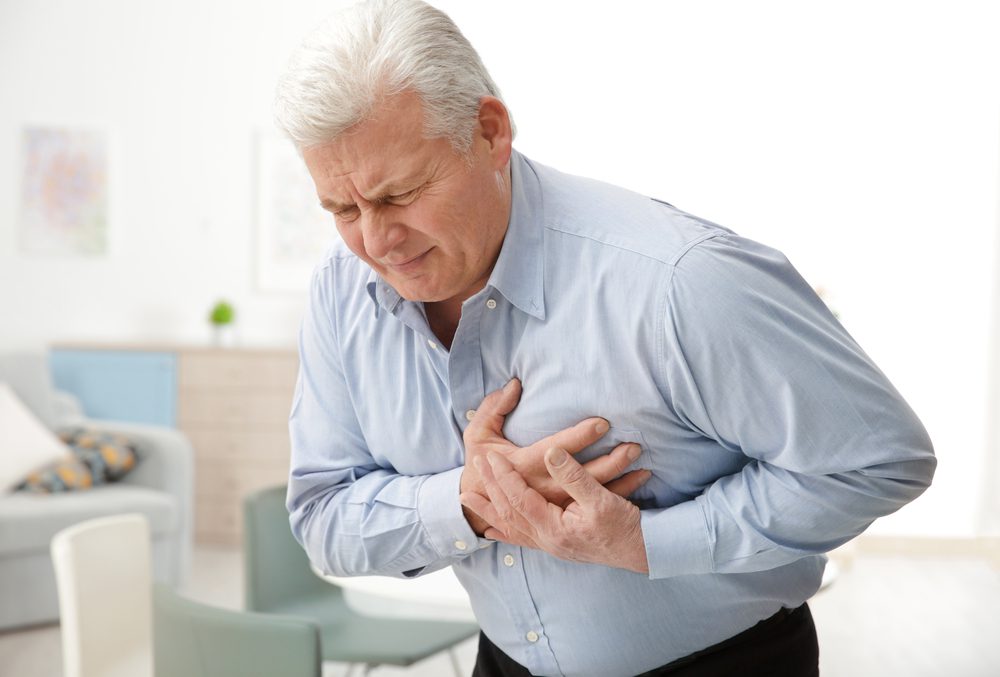
This is the most typical warning sign of a heart attack. You may experience discomfort, pressure, or heaviness in your chest, and if you have a clogged artery, you might even be suffering a heart attack.
The sensation generally lasts for several minutes. It might happen while you’re resting or doing something physical. If it’s only a brief discomfort or a zone that aches more when you press on it, it’s most likely not your ticker. Still, it is advised to go and get checked by a professional.
Remember that even if you are having a heart attack, if you get to a hospital quickly, you have a good chance of surviving. Also, you might have a heart attack, without experiencing chest discomfort. This is especially frequent among women.
#2 Persistent Fatigue
Early-onset heart disease is often characterized by fatigue, sluggishness, and daytime sleepiness. This is acute fatigue, not just “lack of sleep” fatigue. Consider how you felt when you had the flu, now imagine it does not go away.
These symptoms may point to a lack of sleep at night, which is an indicator of sleep apnea.
Snoring and choking at night suggest that your breathing is disrupted. Long-term stress on your ticker makes it more vulnerable to chronic conditions such as hypertension or cardiac arrest.
Consider contacting your doctor if you frequently feel tired for no apparent reason or if you’re feeling exhausted doing things that used to be easy for you.
#3 Irregular Heartbeat
It’s common for your heartbeat to race because you’re nervous or excited, or for it to skip a beat from time to time. However, if your ticker seems to be beating out of rhythm for more than a few seconds, or if this is a frequent occurrence, talk to your doctor.
Palpitations, or irregular heartbeats, are widespread symptoms of cardiac disease. These fast or extremely powerful beats can be caused by cardiac arrhythmia in some cases.
If you have underlying illnesses such as hypertension, diabetes, coronary artery disease, prior organ failure or stroke, or an overactive thyroid, it is critical to rule out atrial fibrillation as a reason for your palpitations.
Patients with the above medical conditions and/or those over the age of 65 are at a greater risk of atrial fibrillation and, as a result, at a higher risk of stroke from atrial fibrillation.
#4 Nausea, Stomach Pain and Swelling
A burning sensation or indigestion-like discomfort in your chest or stomach may indicate a heart attack or other organ problem.
Also, fluid retention can be an indicator of such illnesses, although it can be triggered by other causes. In people with heart disease or cardiomyopathy, the cardiac muscle is unable to fulfill the body’s oxygen demands.
The blood slows down and backs up in the veins and arteries, eventually producing fluid buildup in the tissues of the belly and legs. Breathing difficulties and/or tiredness are common symptoms of this organ-related foot swelling.
A weak cardiac muscle can also make it difficult for the kidneys to eliminate excess water and salt from the body, resulting in bloating.

#5 Dizziness and Fainting
Fainting, also known as syncope, is a brief loss of consciousness caused by an insufficient blood supply to the brain. Even though It it is a regular occurrence, in a few cases it might indicate heart disease or another significant medical problem.
Heart-related fainting can be triggered by a weaker or enlarged organ, muscular damage in the heart, or an aorta rupture. Whatever the cause, it is critical that you get checked out as soon as possible.
People who do not get examined may be unaware they have a problem and may let heart disease progress, leading to an unwanted outcome. Call a doctor straight away if you start feeling unstable and have chest pain or experience shortness of breath.
#6 Anxiety and Cold Sweating
Perspiration is the body’s natural mechanism of cooling itself, particularly when engaging in strenuous exercise or when the temperature is hot.
However, excessive perspiration without activity together with chest, upper back, or upper stomach pain may indicate an oncoming heart attack.
But, wait! You don’t need to panic right away. These signs are not always caused by heart failure! Anxiety and sweating are common signs of a panic attack, sometimes even if they are accompanied by chest pain or heartburn.
However, if you don’t have a history of mental health problems related to anxiety it’s better to be safe than sorry, and we advise you to immediately call 911.
#7 A Persistent Cough and Shortness of Breath
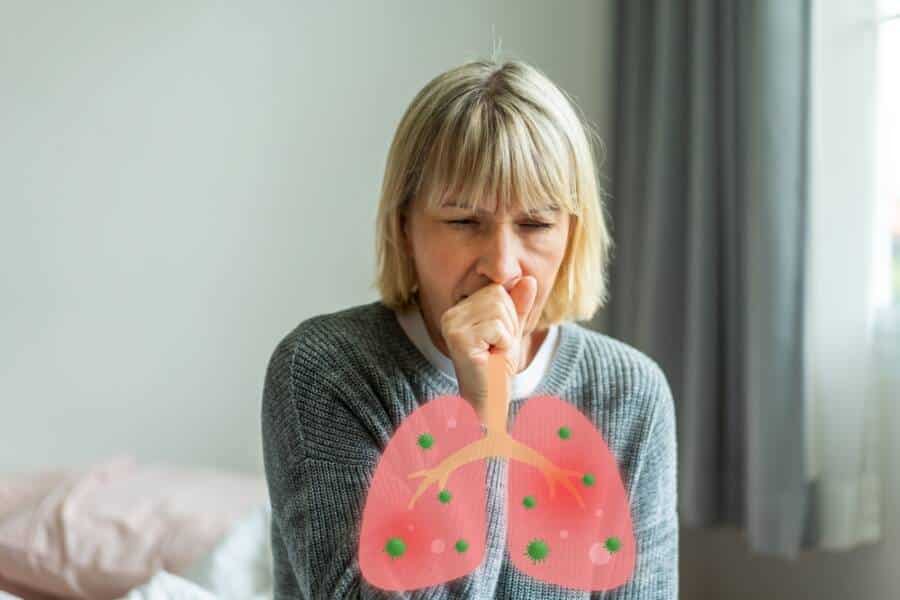
Usually, you would expect this type of symptom to be related to lung problems. Yet, a chronic cough that generates white or pink mucus might be a symptom of heart failure.
This occurs when your core cannot keep up with the demands of the body, causing blood to flow back into the lungs. Despite the fact that you exercise daily, you become out of breath just going up a set of stairs.
It might be asthma, anemia, or an issue with the chest’s valves or pumping capacity. If you have these symptoms, you should consult your doctor to figure out the cause of your cough or shortness of breath.
#8 Pain in Various Areas
Most people associate heart problems with chest discomfort, and this is true. Chest pain is the main symptom of heart-related illness. However, pain caused by this organ can occur in other areas of the body as well.
Having cardiovascular issues can lead to pain in the stomach, legs, arms (predominantly the left one), jaw, and back. Ankle swelling might also be caused by heart failure. Most people do not associate these symptoms with cardiac disease.
If your hips and leg muscles cramp while you climb, walk, or exercise and feel much better once you rest, don’t dismiss it. The pain might be caused by aging or a lack of activity, or it could be a symptom of peripheral artery disease, generally known as PAD.
This condition is causing fatty plaque formation in the arteries of the legs that is associated with a higher risk of developing heart disease. The excellent news is that PAD is a curable condition.
Preventing Heart Disease
The first thing you can do, and also the most important, is to quit smoking. If you want a healthy heart, you should avoid tobacco products. And even if you don’t smoke, you can try to avoid secondhand smoking as much as you can.
Your diet and an appropriate weight are other important aspects that you should take care of. You should limit your intake of salt, sugar, saturated fat, and alcohol.
Last but not the least, exercising is one of the best ways to keep your organs in good shape. Physical activity assists with weight control. It also lowers the risk of developing other heart-related illnesses such as hypertension, high cholesterol, and type 2 diabetes.
The best way to avoid problems is to control your weight. If you want to know what can help you lose weight you should check out: Burn Fat While Sleeping: 6 Things You Should Do!





Leave a Reply