

Protecting your vitality after sixty requires more than a daily walk; it demands recognizing the quiet signals your body sends when its most fundamental resource runs low. Chronic dehydration subtly undermines physical resilience, emotional stability, and social engagement, yet it frequently disguises itself as normal aging. As your thirst mechanism naturally diminishes over time, you must proactively secure your hydration to maintain your independence and holistic health. Grasping these seven silent symptoms empowers you to intervene before mild fluid loss cascades into severe health setbacks. By transforming how you replenish your body, you lay the crucial groundwork for sustained energy, sharper mental clarity, and an active, joyful life.

Body: Physical Foundations and Silent Symptoms
Your physical foundation relies entirely on a delicate balance of hydration, nutrition, restorative sleep, and consistent movement. When you optimize these interconnected systems, your body operates with remarkable efficiency, defending against illness and preserving functional independence. However, as you age, the overall water content in your body decreases, leaving you with a narrower margin of error. Your kidneys also become less efficient at concentrating urine and retaining water, meaning you lose fluid more rapidly than you did in your younger years. Because the sensation of thirst dulls significantly after age sixty, you cannot rely on feeling thirsty to prompt your water intake. You must instead observe the physical cues your body presents when it lacks the fluid necessary to lubricate joints, regulate temperature, and transport essential nutrients to your cells.
The first silent symptom you must monitor is unexplained muscle weakness and decreased mobility. Dehydration immediately depletes the electrolytes your muscles need to fire correctly, leading to sudden heaviness in your limbs, cramping during a light walk, or a general reluctance to engage in physical activity. When your muscles lack adequate fluid, your joint cartilage also loses its shock-absorbing capabilities, resulting in stiffness and discomfort that you might mistakenly attribute to arthritis. Maintaining robust hydration ensures your musculoskeletal system retains the pliability required for daily movement and fall prevention.
Another profound physical warning sign is infrequent or dark urination. Many seniors intentionally restrict their fluid intake to minimize trips to the bathroom, especially at night or before social outings. This dangerous compromise forces your kidneys to work overtime, producing highly concentrated, dark amber urine. Optimal hydration yields pale yellow urine; anything darker serves as a direct distress signal from your renal system. Consistently ignoring this sign increases your risk of painful urinary tract infections and kidney stones, both of which severely compromise your overall wellbeing.
You must also pay close attention to dizziness upon standing, medically known as orthostatic hypotension. When your blood volume drops due to inadequate fluid intake, your cardiovascular system struggles to pump blood against gravity when you transition from sitting to standing. This creates a sudden, disorienting head rush that dramatically elevates your risk of catastrophic falls. The American College of Lifestyle Medicine emphasizes that preventive physical care begins with maintaining adequate blood volume through consistent fluid consumption, thereby stabilizing your blood pressure and protecting your mobility.
The fourth physical symptom manifests directly on the surface of your body: dry skin with reduced elasticity. While skin naturally thins and loses collagen over the decades, acute dehydration causes a specific loss of skin turgor. If you gently pinch the skin on the back of your hand and it remains “tented” rather than snapping back immediately, your cellular fluid reserves are dangerously low. This lack of moisture impairs your skin’s ability to act as a barrier against pathogens, undermining your immune defense from the outside in.
Mind: Emotional Health and Cognitive Warning Signs
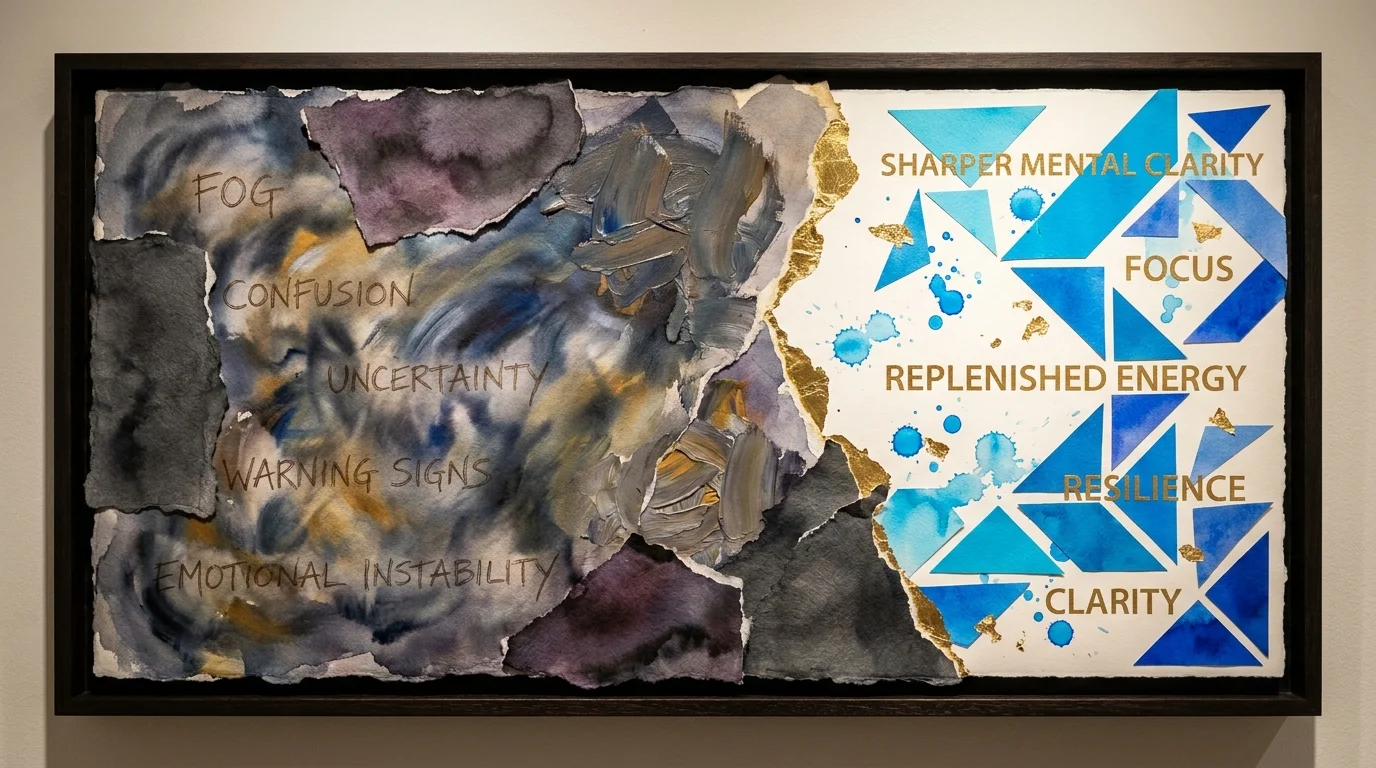
Your brain consists of approximately seventy-three percent water, making it exquisitely sensitive to even minor fluctuations in hydration. Emotional health and cognitive clarity are not separate entities from your physical habits; they are direct outcomes of how well you nourish your nervous system. When you fail to consume enough fluids, your brain physically shrinks away from the skull, triggering a cascade of neurological and psychological disruptions that drastically impair your quality of life.
The fifth silent symptom often triggers unnecessary panic for older adults and their families: sudden cognitive confusion and brain fog. A fluid deficit of just two percent can derail your short-term memory, disrupt your focus, and create profound disorientation. Families frequently mistake this acute dehydration for the onset of dementia or Alzheimer’s disease. Before pursuing complex neurological assessments, evaluate your daily water intake. The American Psychiatric Association notes that addressing fundamental lifestyle factors, including proper nutrition and hydration, often resolves acute states of confusion and restores sharp mental acuity.
You should also recognize mood swings and a heightened stress response as the sixth warning sign. Dehydration places your body in a physiological state of emergency, prompting your adrenal glands to release cortisol, the primary stress hormone. This chemical surge leaves you feeling inexplicably anxious, irritable, and overwhelmed by minor daily frustrations. By utilizing positive psychology interventions alongside intentional hydration, you can calm your central nervous system, regulate your emotional responses, and maintain a resilient, optimistic mindset.
The seventh silent symptom is unexplained fatigue and sleep disruptions. While it seems counterintuitive, lacking water drains your energy reserves during the day while paradoxically destroying your sleep architecture at night. Dehydration dries out your nasal passages and throat, increasing the likelihood of snoring and sleep apnea. It also triggers nocturnal muscle cramps that jolt you awake. Establishing a balanced fluid intake strategy—drinking the majority of your water early in the day and tapering off by evening—ensures you remain energized during waking hours while setting the stage for deep, restorative rest.
Community: Social Health and Relational Vitality
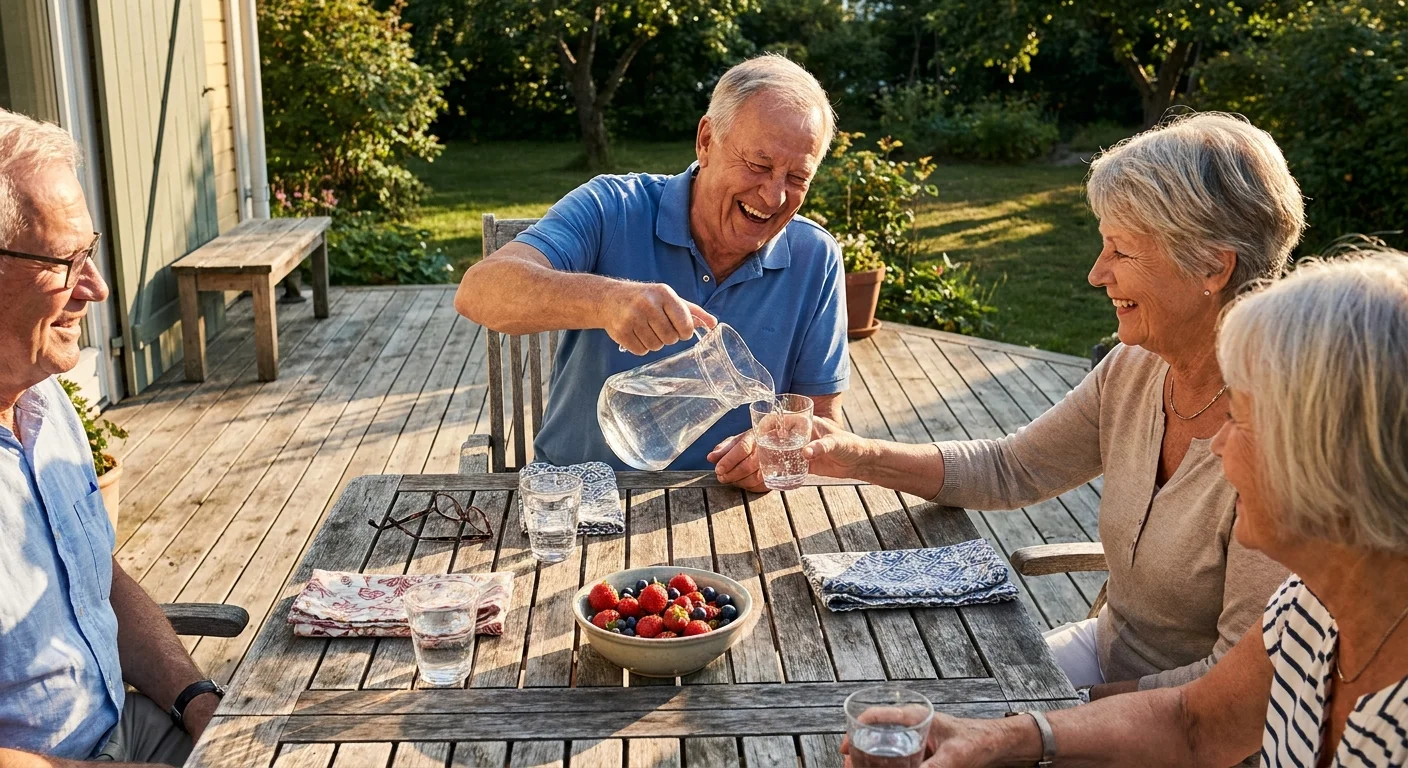
True wellbeing extends far beyond the boundaries of your physical body and mind; it encompasses your connections with others and your active participation in your community. Social isolation poses a severe threat to senior health, rivaling the dangers of chronic smoking or obesity. Yet, many people fail to recognize how unmanaged physical needs, specifically chronic dehydration, systematically dismantle social engagement.
When you suffer from the silent symptoms of fluid loss—fatigue, sudden dizziness, and brain fog—you naturally begin to withdraw from your social circles. You might decline invitations to community events because you lack the physical stamina, or you might avoid family gatherings due to embarrassment over cognitive sluggishness. This withdrawal creates a vicious cycle; the less you engage, the more isolated and depressed you become, which further diminishes your motivation to care for your basic physical needs.
Revitalizing your social health requires viewing hydration as the fuel for your relationships. When your brain is adequately nourished and your muscles are energized, you possess the confidence to join a walking group, participate in community center activities, or simply enjoy a long conversation with a close friend without losing your train of thought. The World Health Organization champions active aging frameworks that rely heavily on functional ability. By securing your hydration, you preserve the physical and cognitive stamina necessary to maintain robust relational vitality and contribute meaningfully to your community.
Future Planning: Preventive Care and Habit Stacking
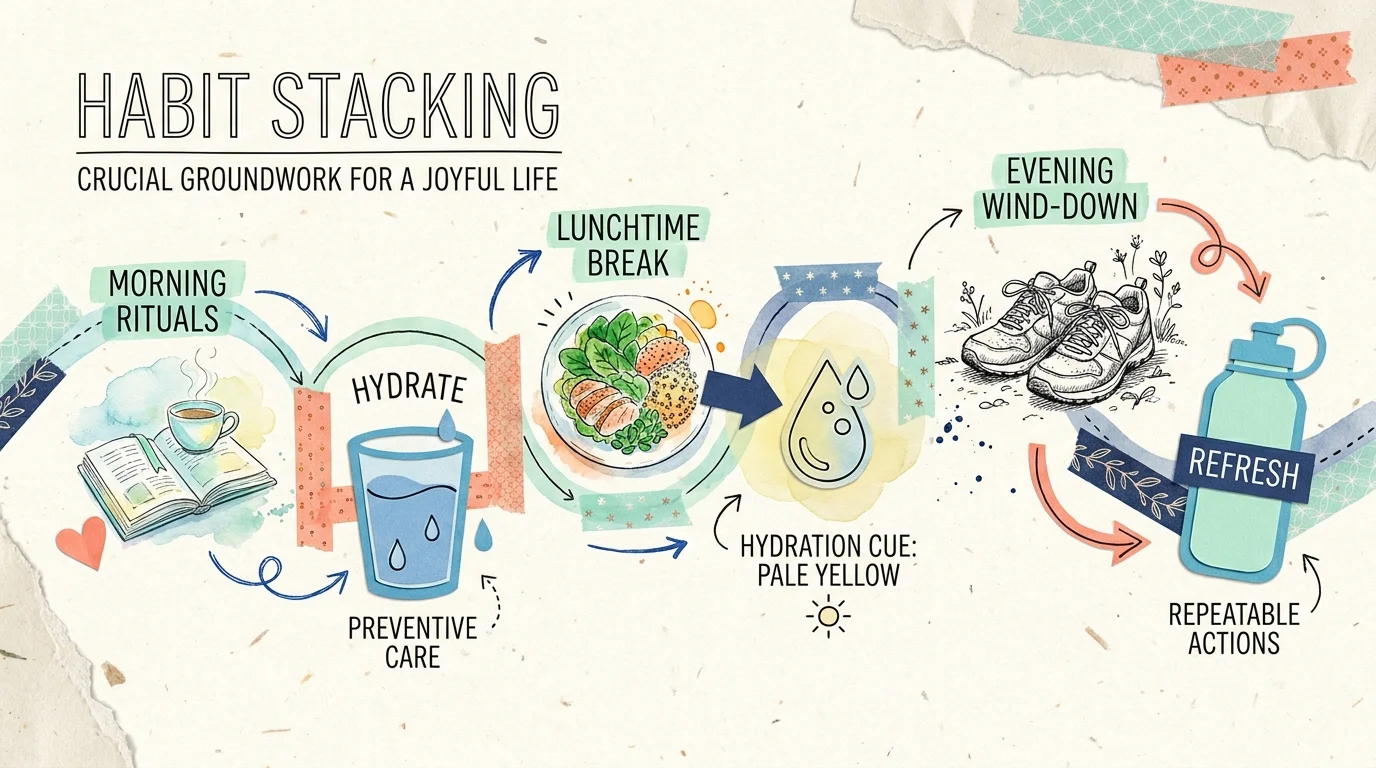
Securing your holistic wellbeing for the future demands shifting your focus from reactive treatments to proactive lifestyle design. You cannot rely on willpower alone to drink more water; you must engineer an environment that makes proper hydration inevitable. The most effective strategy for building this long-term resilience is habit stacking. This behavioral psychology technique involves attaching a new desired behavior to an established daily routine, utilizing the existing habit as an automatic trigger.
To implement habit stacking for hydration, identify the non-negotiable anchors in your current routine. If you brew a pot of coffee every morning, commit to drinking one full glass of water while the coffee brews. If you take daily medications, consume a full eight ounces of water rather than just a quick sip. If you read the newspaper or watch a specific evening program, place a dedicated water bottle next to your favorite chair. By weaving hydration into the fabric of your daily life, you eliminate the cognitive load of trying to remember to drink.
Future-proofing your health also involves diligent tracking and preventive care. Invest in a reusable water bottle with visible measurement markers to provide a concrete visual representation of your daily progress. Keep a simple journal to track your energy levels, mood stability, and urine color alongside your fluid intake. This personalized data empowers you to spot trends, celebrate your consistency, and provide accurate, actionable information to your healthcare providers during preventive check-ups.
Frequently Asked Questions
How can I bounce back from hydration setbacks?
Setbacks are a natural part of any lifestyle adjustment. If you realize you have spent several days chronically dehydrated, do not attempt to consume a massive volume of water in a single hour, as this can overwhelm your kidneys and disrupt your sodium balance. Instead, gently course-correct by sipping water continuously throughout the day. Incorporate hydrating foods like cucumbers, watermelon, and clear broths to help your cells absorb the fluid more efficiently. Treat the setback as valuable data rather than a failure, and adjust your environmental cues to prevent a recurrence.
How do I make hydration accessible if mobility is limited?
When getting to the kitchen becomes challenging, you must bring your hydration stations to your living spaces. Place insulated, easily manageable water pitchers or lightweight bottles in the specific areas where you spend the most time—next to your bed, by the armchair, and on the patio. Utilize bottles with built-in straws to eliminate the need to tilt your head back or lift heavy containers. Modifying your environment removes the physical friction from the habit, ensuring you consume adequate fluids regardless of your mobility limitations.
What if time constraints or a busy schedule cause me to forget?
An active, bustling retirement schedule often distracts you from your body’s subtle needs. To counter this, externalize your memory by using technology. Set recurring alarms on your smartphone or digital watch every two hours to serve as a designated hydration break. Alternatively, establish situational triggers when you are out of the house; commit to taking a long sip of water every time you get into your car, finish a phone call, or sit down for a meal. Structured reminders bridge the gap when your natural thirst signals fail.
When should I seek professional support for chronic dehydration?
You should consult a medical professional immediately if you experience persistent dizziness, profound confusion, an inability to keep fluids down, or if your urine remains dark despite increased water intake. These symptoms require urgent clinical evaluation to rule out underlying kidney dysfunction or medication interactions. Furthermore, if you find that depression or anxiety severely impairs your motivation to care for your basic needs, utilizing therapy directories to find a licensed counselor can provide the crucial emotional support necessary to rebuild your wellness routines.
Cultivating Your Daily Wellbeing Ritual
Aligning your physical, emotional, and social health requires consistent, gentle attention to your daily habits. Hydration is not merely a chore; it is a profound act of self-respect that signals your commitment to living vibrantly. Establish a daily wellbeing check-in ritual each evening. Take a quiet moment to reflect on how your body feels, acknowledge the clarity of your mind, and recognize the steps you took to nourish yourself throughout the day.
Celebrate your small victories, whether that means finishing your designated water bottle, noticing an improvement in your skin’s elasticity, or enjoying a social outing without the burden of unexplained fatigue. Your longevity and independence thrive on these daily micro-commitments. By honoring the quiet signals your body sends and responding with proactive care, you ensure your foundation remains unshakeable, ready to support every adventure and connection your future holds.







Leave a Reply