
There are a lot of people who hate it when they sweat. It makes them feel uncomfortable and they might feel the urge to take a shower immediately. Of course, we are not talking about the sweat you have after a hard training session, but about the sweat that happens naturally on a daily basis. That’s the type of swear that drives people crazy!
However, when we are talking about the droplets of sweat that appear on your body after a long workout, things are a lot different. That is because people have an idea in their minds that if they sweat incredible amounts, it means that their exercise routine is working.
It is actually true? Can you burn more calories if you sweat?
It is actually quite logical because sweating means that your body is working to eliminate the toxins that it has, so that requires more energy than usual.
We are curious to know if perspiring a lot can actually help us burn more calories throughout the day, so in order to find out the answers we are looking for, we have decided to talk to several experts. If you want to find out what actually happens in your body when you sweat, keep reading!
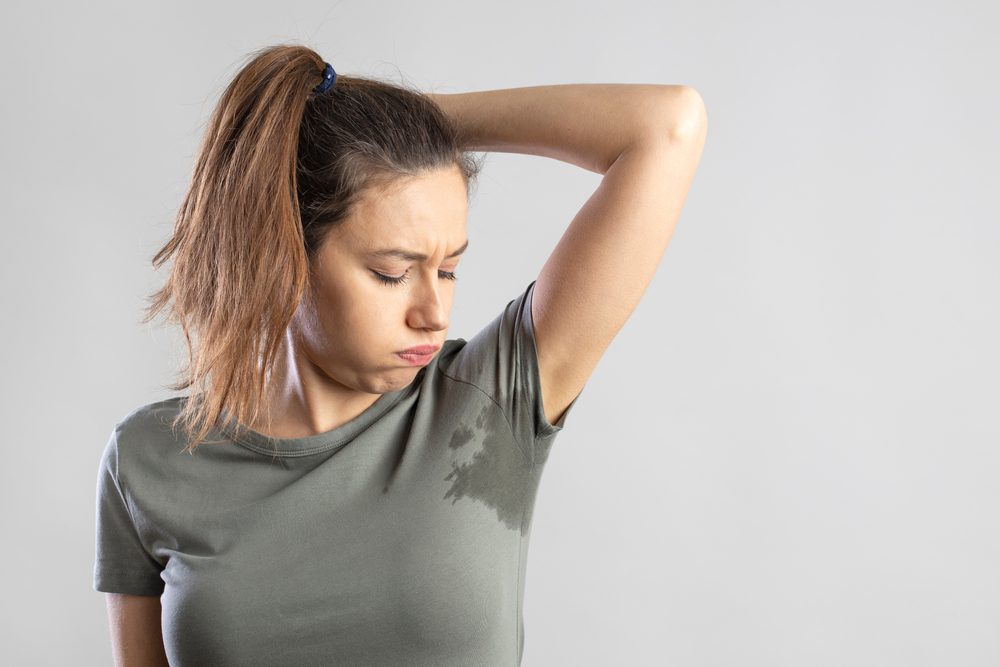
What is the cause of sweat?
According to Thad E. Wilson, Ph.D., a professor in the department of physiology at the University of Kentucky College of Medicine, sweat is the way that your body cools itself down during the time you spend exercising or other types of heat stress.
As you already know, your body tends to sweat more when you are in hot weather or when you are doing a high-intensity workout. With that being said, it means that your body produces sweat in order to keep you from overheating.
Although it might be hard to believe, especially when you are doing a high-intensity interval training (HIIT) workout, your exercise routine itself doesn’t trigger your body to produce more sweat. As a matter of fact, physical activity causes an increase in your internal temperature, which sends signals to your body that it is time to perspire in order to cool itself down.
More sweat equals more calorie burn?
Unfortunately, the sweating process doesn’t affect the number of calories you are actually burning. Even though it is true that perspiring requires more energy to have the ability to carry the ions that are allowing water to go into the glands that are secreting it as sweat, it’s not making a big difference.
Long story short, the number of extra calories that you are burning when you are sweating doesn’t have a big impact on the way you feel overall or in terms of weight loss.
According to Gabbi Berkow, a certified personal trainer, when you are sweating, it means that your body is losing water weight, not body fat.
Even though it’s true that when you are losing weight all over your body it is actually a combination of body fat and water weight, what is most important is the fat percentage. If you can’t tell the difference, here is a more simple way. Think about a fad diet, like the military diet. This lasts for three days and it says that you can lose up to 8 pounds.
These are a lot of pounds in a short amount of time and it’s usually mostly water weight. It can make you appear smaller, but it is not sustainable. You can gain all the weight back, and even more, in a shorter period of time. This is why you shouldn’t focus on losing water weight but on maintaining a healthy and balanced lifestyle.

Physical activity and sweat
In general, physical activity is the best way to burn those calories. The more intense your workout is, the more calories you are going to burn. If you are using large muscle groups, like your quads and your glutes, your body will generate more sweat and will use more energy.
If we are comparing two workout sessions, such as an aerobic workout versus a weight-training session, you won’t see that much of a difference in terms of the calories burned. However, when you are doing more strength-based workouts, such as lunges, squats, push-ups, and deadlifts, your body will experience an afterburn effect, which is also known as excess post-exercise oxygen consumption (EPOC).
EPOC refers to the fact that your body will continue burning calories long after your workout ends. This doesn’t happen when you are doing cardio. Even though the number of calories burned during the cardio workout might be bigger than the number of calories consumed while doing a strength training session, when your workout is over, you won’t keep burning calories.
For example, if you did a cardio workout and burned 500 calories, the number stops at 500, even though you were drenched in sweat. On the other hand, if you are doing a strength training workout and it says that you burned 300 calories, the number will increase as the day goes on. According to some studies, your body can keep burning calories even 24 to 48 hours after your session is finished.
However, you are going to sweat more during the aerobic workout versus a strength one. If you are doing a weight training session and you are resting for a few seconds before jumping to the next set, you will see that you won’t need to towel off as much.
In conformity with Gabbi Berkow, this doesn’t mean that you didn’t get a good workout in or that you didn’t burn calories. This only means that your body temperature didn’t go up as much.
Regardless of the number of calories burned, or how much you’ve sweated, you need both styles of training in order to see results and to have a balanced life.
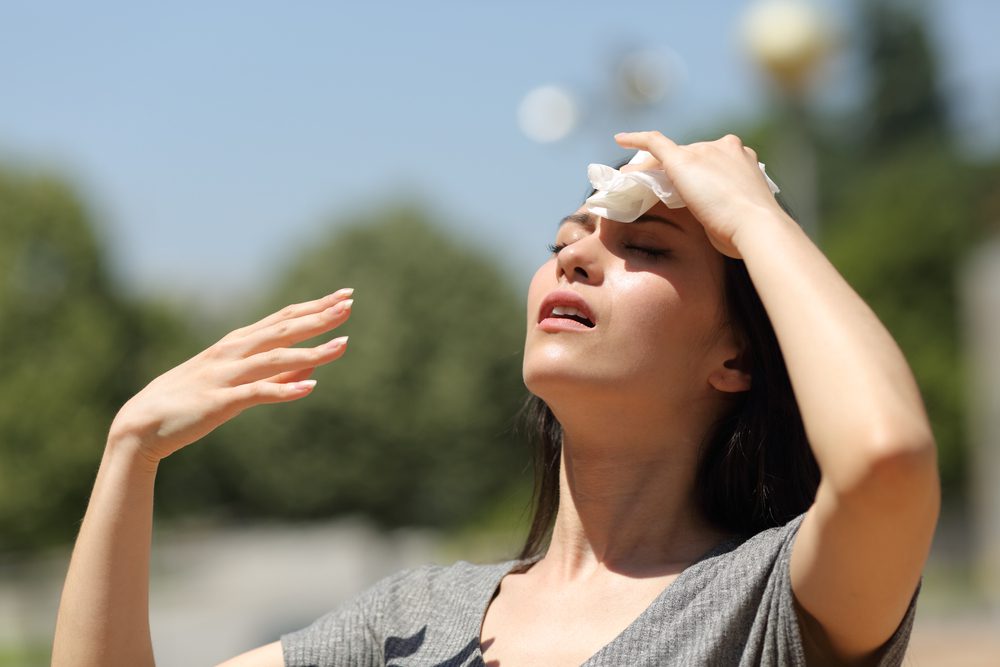
Everyone sweats but in their own way
There is no doubt that everyone sweats but in their own way. For example, some people may need to change their shirts, while others are barely “glowing”. In conformity with Wilson, people who are living in hot weather are more likely going to perspire, due to the fact that their bodies will begin the cooling down process.
However, there are people who can start sweating even though they are in a colder climate. That is because everyone is different and you can’t compare people.
Berkow says that even though you sweat a lot during your workout, this is not an accurate indicator to measure how many calories you have burned. She gave an example for those who still don’t believe this. She suggests going on a walk on a warm day at 1-2 pm because you are more likely going to sweat, compared to the same walk on a colder and darker day. However, the number of calories burned can be approximately the same.
TAKEAWAY
The bottom line is that regardless of the physical effort you are putting in, the number of calories burned does not depend on how much you’ve perspirated. If you are interested in losing weight, you should focus on working out, including both strength training and cardio in your sessions, and eating in a caloric deficit.
If you think that you sweat too much and are uncomfortable, here are some wipes that you can use before bed, and they’ll help you keep the “glowing” to a minimum. I’ve personally tested them, and they work! Check them out!
What do you think about this topic? Did you know that sweat is not an important factor when it comes to the number of calories torched on a day? We are curious to know what you think, so make sure to let us know by leaving a comment in the section down below!
If you enjoyed reading this article, don’t forget to check this one out as well: 9 TOXIC Social Media Diets That Will Only Worsen Your Shape!








Leave a Reply