
The Lasting Health

Unlock the healthiest version of you.

  • Home
  • Healthy Choices
  • Medical Conditions
  • Overall Well-Being

6 Thyroid Warning Signs Seniors Should Never Dismiss

May 6, 2026 · Medical Conditions
A senior woman sits thoughtfully at a sunlit kitchen table, reflecting on her health during a quiet morning moment.

As you age, subtle changes in energy, memory, and temperature tolerance often masquerade as normal signs of getting older, but they might actually point to a malfunctioning thyroid gland. Recognizing the difference between normal aging and a thyroid disorder gives you the power to reclaim your vitality and protect your long-term health.

Because your thyroid regulates everything from your metabolism to your heart rate, missing the early clues can lead to unnecessary cognitive decline and cardiovascular strain.

When you learn to identify these hidden symptoms, you can collaborate with your healthcare provider to secure an accurate diagnosis and an effective treatment plan. Timely intervention improves your quality of life and stabilizes your physical health.

Unmasking the Crucial Warning Signs

When the thyroid produces either too little or too much hormone, your entire body feels the impact. Older adults frequently experience atypical presentation of these imbalances; the classic symptoms seen in younger patients might not appear at all.

Instead, the clues hide within daily complaints that you might incorrectly write off as inevitable parts of the aging process. Paying close attention to the following six indicators can bridge the gap between struggling through your days and finding a medical solution.

A senior man asleep in an armchair during the afternoon, illustrating the profound fatigue associated with thyroid issues.
An elderly man dozes in his leather armchair, illustrating the deep exhaustion often linked to thyroid issues.

Profound Fatigue and Loss of Stamina

Feeling occasionally tired is natural, but an overwhelming lack of energy that persists despite adequate rest requires immediate clinical attention. When your thyroid underproduces hormones—a condition known as hypothyroidism—your cellular metabolism slows to a crawl, profoundly draining your physical and mental stamina.

You might find yourself needing multiple naps just to get through a standard day, or lacking the endurance to complete simple household chores. Conversely, an overactive thyroid forces your body into constant overdrive, which burns through your energy reserves and leaves you feeling completely depleted by mid-afternoon.

You should never accept chronic exhaustion as a mandatory penalty of reaching your senior years; it serves as a glaring red flag that your internal engine lacks the proper regulation to sustain your daily activities.

A stylized illustration of a head filled with swirling lavender mist, representing the experience of cognitive brain fog.
Swirling purple clouds and stars inside a human silhouette represent the confusing mental haze of cognitive fog.

Cognitive Fog and Memory Lapses

Memory slips provoke severe anxiety for many older adults, often triggering immediate fears of dementia or Alzheimer’s disease. However, a sluggish thyroid can create profound cognitive dysfunction, including difficulty concentrating, delayed word recall, and generalized brain fog. The human brain requires a steady, precise supply of thyroid hormones to process information efficiently.

When that supply wavers, your mental sharpness deteriorates significantly. Treating the underlying thyroid condition frequently restores cognitive clarity, proving that your brain remains highly capable once it receives the chemical support it demands.

Before accepting a diagnosis of permanent cognitive decline, you must ensure your physician rules out a simple hormonal imbalance.

Close-up of a senior's hands in a thick wool sweater holding a steaming mug, showing sensitivity to cold temperatures.
Clasping a steaming mug while wearing a thick sweater can indicate a thyroid-related intolerance to cold.

Unexpected Temperature Intolerance

Your thyroid acts as your body’s master thermostat, and a broken thermostat quickly ruins your physical comfort. If you find yourself shivering in a room where everyone else feels perfectly comfortable, or if you require heavy sweaters during the warm summer months, hypothyroidism might be suppressing your basal body temperature. Reduced circulation and slower metabolic heat production leave you chronically cold.

On the other end of the spectrum, sudden episodes of excessive sweating, hot flashes, or a newfound inability to tolerate warm environments point directly toward hyperthyroidism. You should evaluate any dramatic shift in your temperature preferences, especially when these changes force you to constantly adjust your home climate control or rethink your daily wardrobe.

A minimalist line graph showing a sharp divergence from stable weight, labeled as a sign of thyroid dysfunction.
This graph illustrates the sharp contrast between normal weight fluctuations and a sudden, unexplained thyroid shift.

Unexplained Weight Fluctuations

Maintaining a stable weight becomes more challenging as you age, but rapid or unexplained changes on the scale demand a deeper medical investigation. Seniors developing an overactive thyroid often experience significant weight loss despite maintaining a healthy or even noticeably increased appetite.

Because sudden weight loss in older adults can precipitate dangerous muscle wasting and physical frailty, you must treat a dropping scale with high suspicion. Conversely, an underactive thyroid routinely causes frustrating weight gain, even if you eat very small portions and maintain an active lifestyle.

This metabolic slowdown encourages your body to store excess fluid and fat, placing undue mechanical stress on your joints and cardiovascular system.

An artistic illustration of a wooden clock with butterfly-shaped gears, symbolizing the disruption of bodily rhythms.
A butterfly-adorned clock and daily routine notebook illustrate the internal timing of your body’s metabolic rhythm.

Dramatic Shifts in Bowel Habits

Gastrointestinal health serves as a highly sensitive barometer for your overall endocrine function, though few people connect their digestive tract to their neck gland. Thyroid hormones heavily influence the speed at which food moves through your digestive system.

Hypothyroidism slows gastrointestinal motility, leading to severe, stubborn constipation that typically does not respond to standard dietary fiber increases or over-the-counter laxatives.

Hyperthyroidism accelerates this entire process, resulting in frequent, loose bowel movements or chronic diarrhea. Seniors often assume these digestive changes stem from poor dietary choices or new medication side effects.

Addressing the root endocrine cause quickly resolves these frustrating and socially limiting digestive issues.

A close-up of a senior's hand gripping a stair banister tightly, illustrating the physical effort required when muscles are weak.
An elderly hand grips a wooden banister, highlighting the daily struggle of muscle weakness and aching joints.

Muscle Weakness and Aching Joints

Waking up with stiff joints or feeling uncharacteristically weak when climbing stairs often gets dismissed as arthritis or a natural loss of muscle mass. However, thyroid dysfunction triggers significant musculoskeletal problems.

Hypothyroidism frequently causes generalized joint pain, carpal tunnel syndrome, and uncomfortable fluid retention around the major joints. Hyperthyroidism, on the other hand, can actively degrade muscle tissue over time, causing noticeable proximal muscle weakness.

This specific type of weakness makes it exceptionally difficult to stand up from a low chair, wash your hair, or reach items on high shelves. If your strength rapidly declines or your joints ache symmetrically without a clear physical injury, your physician needs to evaluate your endocrine health rather than simply prescribing more pain relievers.

An anatomical diagram of the thyroid gland in the neck, labeled with its roles in regulating metabolism and heart rate.
The thyroid gland produces vital hormones that regulate your body’s metabolism and heart rate.

Understanding the Condition: Causes, Risk Factors, and Diagnosis

Thyroid disease occurs when your immune system, various medications, or structural bodily changes disrupt the small, butterfly-shaped gland resting at the base of your neck. Autoimmune disorders represent the leading culprits in older adults.

Hashimoto’s thyroiditis gradually destroys the gland’s ability to produce hormones, representing the most common cause of hypothyroidism. Graves’ disease does the exact opposite, producing rogue antibodies that force the gland to overproduce hormones.

Beyond autoimmune threats, common medications prescribed to seniors heavily influence thyroid function. Drugs such as amiodarone for heart arrhythmias or lithium for mood stabilization contain compounds that can severely disrupt normal hormone synthesis.

Furthermore, previous radiation therapy to the head, neck, or upper chest—even administered decades earlier—dramatically elevates your long-term risk of developing a structural hormonal deficit.

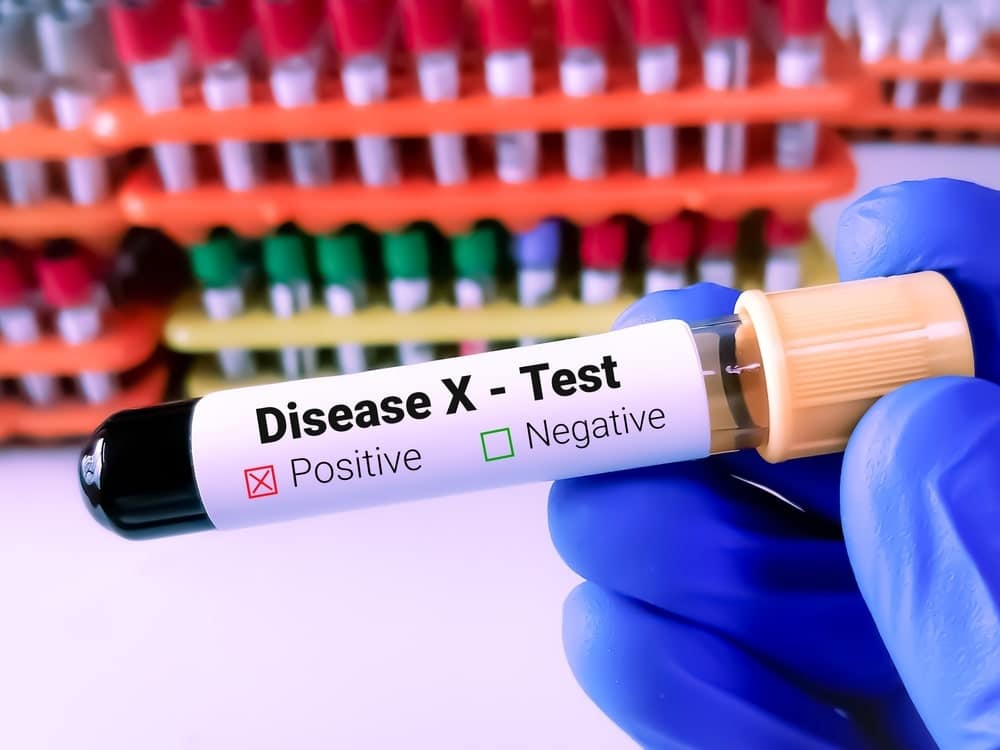
Diagnostic testing provides definitive answers and relies primarily on a straightforward blood draw. Your physician will order a Thyroid Stimulating Hormone test, which measures the chemical signal your brain sends to your thyroid gland.

A high result indicates your brain is desperately begging a sluggish thyroid to work harder, while a suppressed result shows your brain attempting to shut down an overactive, runaway gland. If this initial screening shows abnormalities, your healthcare team will measure free thyroxine levels and potentially check for specific autoimmune antibodies to pinpoint the exact mechanism of failure.

Because standard reference ranges sometimes fail to capture the optimal hormone levels for aging bodies, endocrinologists often interpret these results through a specialized geriatric lens.

You can review detailed diagnostic protocols and age-specific hormone guidelines through resources provided by the American Thyroid Association, which offers extensive educational materials for newly diagnosed patients.

A doctor and senior patient review a medical chart together on a tablet, illustrating the collaborative nature of thyroid treatment.
A healthcare professional shows a tablet with health charts to a senior during a thyroid consultation.

The Treatment Landscape for Senior Thyroid Health

Modern medicine offers highly effective, reliable treatments for thyroid dysfunction, though managing the condition in seniors requires a delicate, highly personalized approach. For hypothyroidism, doctors prescribe synthetic levothyroxine to artificially replace the missing hormones.

The medical community operates under a strict “start low and go slow” philosophy when prescribing this specific medication to older adults. Introducing too much thyroid hormone too quickly can dangerously accelerate the heart rate, provoke atrial fibrillation, or exacerbate underlying coronary artery disease.

Your doctor will initiate treatment with a micro-dose, retesting your blood every six to eight weeks and making conservative, fractional adjustments until you safely reach a therapeutic balance.

Treating an overactive thyroid presents entirely different challenges and often necessitates suppressing the gland’s chaotic, excessive output. Physicians generally utilize anti-thyroid medications like methimazole to block hormone production directly at the source.

These drugs require vigilant blood monitoring to watch for potential liver toxicity and sudden drops in white blood cell counts. In cases where medication fails or causes adverse reactions, doctors frequently recommend radioactive iodine therapy.

This treatment safely disables the hyperactive tissue, effectively curing the hyperthyroidism but usually leaving the patient reliant on standard hormone replacement pills for the remainder of their life.

To understand the complex nuances of these medications and their interactions with your current prescriptions, you might consult the clinical guidelines published by the Endocrine Society, which extensively outlines safe prescribing practices for vulnerable geriatric populations.

A vibrant gouache illustration of an active senior couple walking in a park, symbolizing a healthy life after thyroid diagnosis.
An elderly couple walks through a vibrant garden, showing that thyroid conditions do not prevent active living.

Living With a Thyroid Condition

Successfully navigating daily life with a thyroid disorder requires active participation in your health management and strong, transparent communication with your care team. Medication timing plays an absolute paramount role in your physical recovery.

You must take levothyroxine on a completely empty stomach, ideally an hour before breakfast, accompanied only by water. Furthermore, you must separate this medication from daily calcium supplements, iron pills, and common antacids by at least four hours.

Mixing these substances in your digestive tract severely limits your body’s ability to absorb the synthetic hormone, rendering your daily prescription practically useless and leaving your frustrating symptoms completely unchecked.

Nutrition and lifestyle adjustments further support your overarching endocrine recovery. While no specific diet outright cures thyroid disease, maintaining a balanced intake of lean proteins, anti-inflammatory vegetables, and complex carbohydrates stabilizes your energy levels throughout the day.

Caregivers also play a pivotal role during the initial treatment phases, especially when a patient experiences severe cognitive fog or memory gaps. A supportive family member can help organize weekly pill boxes, track daily symptom fluctuations, and accompany the patient to endocrinology appointments to ensure the physician hears a complete, accurate medical history.

Reputable organizations such as the National Institute on Aging provide excellent organizational frameworks for caregivers helping their loved ones manage chronic, complex endocrine conditions at home.

Frequently Asked Questions

How often should older adults have their thyroid levels checked?

While blanket screening guidelines vary across different medical boards, most geriatric specialists recommend testing your thyroid levels every five years beginning at age sixty. However, if you develop a visible goiter, experience any of the six warning signs discussed, or begin taking medications known to alter endocrine function, you should actively request an annual screening. Patients already undergoing active hormone replacement therapy typically require bloodwork every six to twelve months to verify their current dosage remains perfectly calibrated.

Can standard insurance plans cover regular thyroid panels?

Yes, Medicare and private insurance providers routinely cover these diagnostic blood tests when a physician orders them to investigate specific clinical symptoms or monitor an established medical condition. You should ensure your doctor includes the proper diagnostic codes on your official lab order. These codes clearly link your physical complaints—like profound fatigue, joint pain, or unexplained weight loss—to the medical necessity of the screening, preventing unexpected out-of-pocket billing issues.

What new research is emerging for aging thyroid patients?

Recent endocrinology research focuses heavily on a condition known as subclinical thyroid dysfunction. In this state, bloodwork appears only mildly abnormal, and traditional physical symptoms remain incredibly subtle. Scientists currently debate whether aggressively treating these mild, age-related fluctuations provides a tangible clinical benefit or simply exposes seniors to unnecessary medication risks. Emerging studies aim to define the exact biochemical threshold at which pharmaceutical intervention truly protects cardiovascular and cognitive health in patients over the age of seventy.

How quickly can I expect to feel better once treatment begins?

Symptom relief rarely happens overnight, primarily because your cellular metabolism needs significant time to repair the damage caused by prolonged hormone imbalance. Most patients notice subtle improvements in their daily energy and mental clarity within two to four weeks of initiating medical therapy. Complete resolution of physical symptoms, particularly stubborn weight changes, dry skin, and hair thinning, may take three to six months of consistent medication adherence. Patience and precise medication management remain your absolute best tools during this transitional recovery period.

Your Next Steps for Endocrine Health

Dismissing your daily discomfort as a natural consequence of aging prevents you from achieving the vibrant, active lifestyle you truly deserve. Now that you understand the hidden mechanisms of thyroid dysfunction, you possess the knowledge required to advocate fiercely for your own ongoing well-being. Take a moment to document any afternoon energy crashes, temperature sensitivities, or cognitive hurdles you experience over the next week. Bring this detailed, written record to your primary care physician and explicitly ask for a comprehensive endocrine evaluation. Connecting with dedicated patient advocacy groups, such as the digital communities supported by ThyroidChange, can provide you with necessary emotional encouragement and practical advice from individuals walking the exact same path. By taking immediate, decisive action today, you firmly protect your physical vitality and mental sharpness for all the years ahead.

Share this article

Facebook Twitter Pinterest LinkedIn Email

Leave a Reply Cancel reply

Your email address will not be published. Required fields are marked *

Search

Latest Posts

  • A woman at a kitchen table looking in a small mirror to check her eyes, reflecting a moment of quiet self-health assessment. 8 Early Signs Your Body Isn't Getting Enough Nutrients
  • A senior woman in a sunlit kitchen thoughtfully holds a glass of water with lemon, symbolizing proactive hydration for health. 7 Silent Symptoms of Dehydration Seniors Should Never Ignore
  • A close-up portrait of a senior woman with clear, bright eyes looking toward natural light in a warm home setting. 7 Eye Health Warnings Every Senior Over 65 Should Take Seriously
  • A senior woman in a sunlit room looking thoughtfully out the window, representing the connection between sunlight and health. 7 Silent Signs of Vitamin D Deficiency Every Senior Should Recognize
  • A senior woman sits thoughtfully at a sunlit kitchen table, reflecting on her health during a quiet morning moment. 6 Thyroid Warning Signs Seniors Should Never Dismiss
  • An exhausted senior man sitting on the edge of his bed in a dark room at night, illustrating the struggle with chronic sleep disruptions. The Hidden Link Between Sleep Problems and Heart Disease in Seniors
  • A middle-aged woman in a sunlit room gently massages her hand next to gardening gloves, illustrating the early signs of joint pain. 7 Arthritis Symptoms That Signal It's Time to See a Doctor
  • A woman in her 60s enjoys an energetic morning walk on a sunlit trail, personifying health and vitality. What Your Cholesterol Numbers Really Mean After 60
  • A conceptual mixed media collage featuring a senior's silhouette and symbolic icons like a water drop and a night clock. 6 Early Signs of Type 2 Diabetes Seniors Often Miss
  • A conceptual mixed media art piece showing a calm paper silhouette being torn away to reveal a high-pressure network of red threads and ink. The 5 Warning Signs of High Blood Pressure Seniors Shouldn’t Ignore

Newsletter

Get the latest posts delivered to your inbox.

Related Articles

feet

Seeing This on Your Feet? Here’s What It Really Means

…Believe it or not, your feet can tell a lot about your health! If you’ve…

Read More →
heart disease

The Link Between Your Heart and Skin

Did you know that your dermatologist might be the first to see early indicators of…

Read More →
liver failure

6 Scary Things Most People Experience Before Liver Failure

What is liver failure? Acute liver failure is mainly defined as a sudden loss of…

Read More →

5 Symptoms of Colorectal Cancer in Women

What is colorectal cancer? Colorectal cancer is an overgrowth of cells located in the colon…

Read More →
Seborrheic Dermatitis

12 Natural Remedies For Seborrheic Dermatitis

Seborrheic dermatitis is a dermatological condition represented by chronic inflammation predominantly in the scalp, which…

Read More →

Signs You Secretly Have Advanced Colon Cancer

What is colon cancer? This is among the most common forms of cancer. It affects…

Read More →

9 Extreme Medical Conditions and Their Health BENEFITS

Have you ever wondered why genetic variations that cause extreme medical conditions don’t simply disappear…

Read More →
signs that may indicate multiple sclerosis

7 Warning Signs That May Indicate Multiple Sclerosis

Watch out for the signs that may indicate multiple sclerosis: Dizziness, fatigue, muscle weakness, and…

Read More →
A middle-aged woman in a sunlit room gently massages her hand next to gardening gloves, illustrating the early signs of joint pain.

7 Arthritis Symptoms That Signal It’s Time to See a Doctor

Discover the 7 critical warning signs of arthritis. Learn when to see a doctor for…

Read More →

The Lasting Health

Unlock the healthiest version of you.

Inedit Agency S.R.L.
Bucharest, Romania

contact@thelastinghealth.com

Explore

Do not sell my personal information

Privacy Policy

Terms and Conditions

Contact

Request to know

Request to delete

CA Private policy

Categories

  • Healthy Choices
  • Medical Conditions
  • Overall Well-Being

© 2026 The Lasting Health. All rights reserved.