
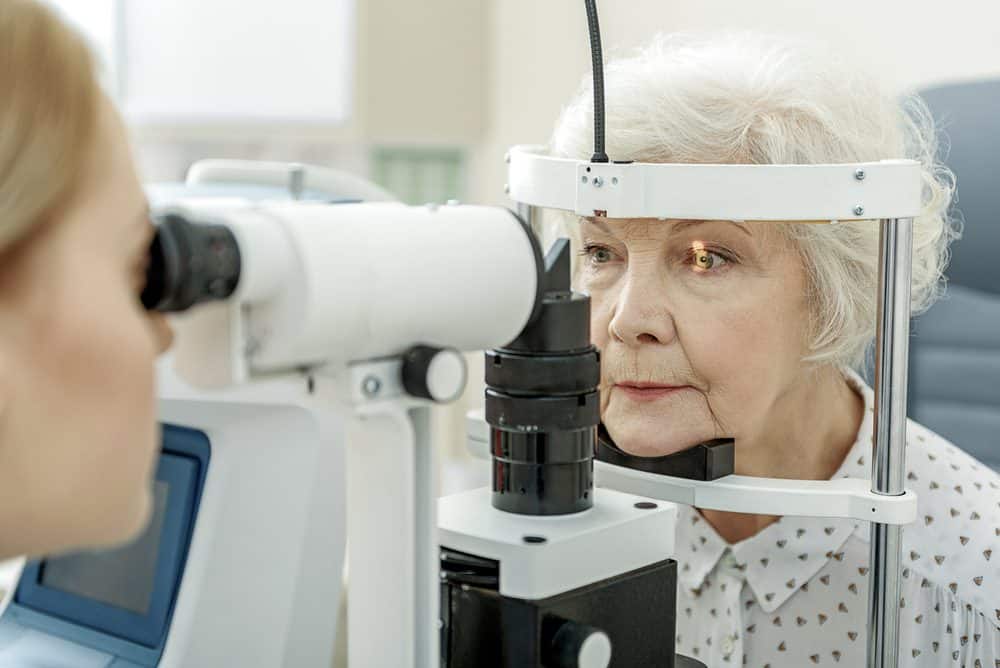
What EXACTLY is glaucoma?
Glaucoma is a series of eye disorders that cause damage to the optic nerve, which is necessary for vision. An excessively high pressure in your eye is the most common cause of this injury.
It’s one of the most common causes of blindness in those over 60. It may happen at any age, although it is more common among the elderly.
Many types of this condition have no symptoms. Because the effect is so gradual, you may not detect a change in vision until the problem has progressed to an advanced level.
Because glaucoma vision loss cannot be restored, it is critical to have frequent eye exams that include measures of your eye pressure so that a diagnosis can be established and proper treatment may be provided. If this condition is identified early, vision loss can be delayed or prevented.
If you have it, you will most likely need therapy for the rest of your life.
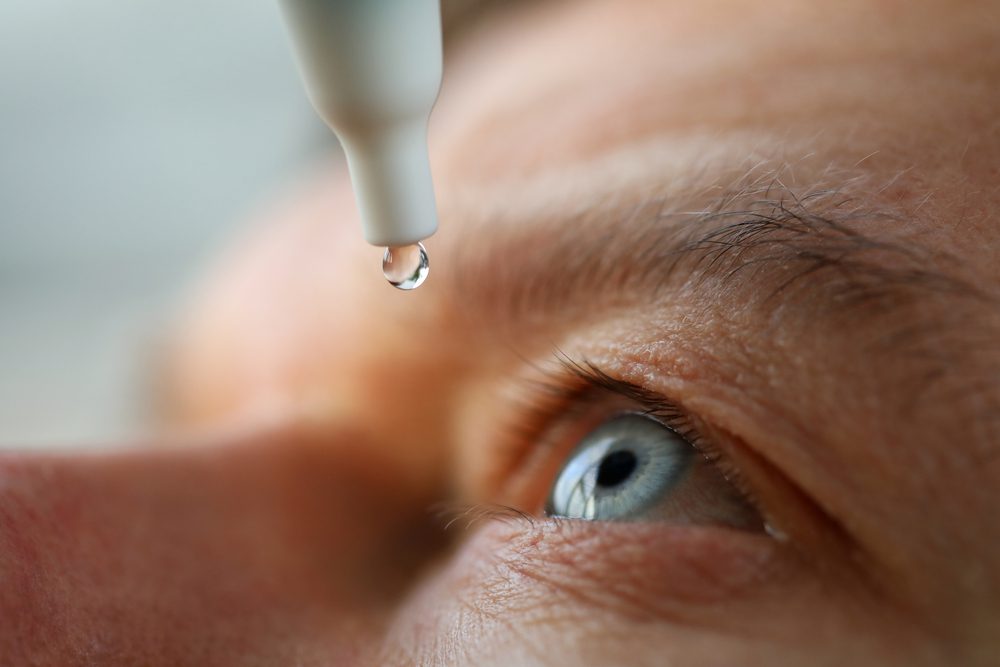
What causes this condition?
Our eyeballs have a spherical appearance because they are filled with a fluid called aqueous humor. The fluid readily filters in and out of a normal eye.
The fluid does not always flow out as easily as it comes in. When an excess of fluid gathers inside your eye, internal eye pressure is also known as intraocular pressure or IOP.
Ocular hypertension is defined as an increase in eye pressure over the usual range. Glaucoma suspects are those who have ocular hypertension but no indications of this condition.
The most frequent kind of this condition arises when intraocular pressure is too high for an extended period of time. This exerts outward pressure on the inner walls of the eye, eventually causing damage to the optic nerve, which connects in the rear of the eye.
Eye pressure can be elevated for several years before optic nerve damage affects your vision. The keys to successful prevention include early identification and treatment of elevated ocular pressure.
- There are two major types: Primary and Secondary causes of this disease:
Causes of Primary Glaucoma
1. Open-angle glaucoma
Open-angle glaucoma, the most common kind of this condition, occurs when fluid drains too slowly through the meshwork.
Normally, the drain appears normal to the human eye, but on a microscopic level, there is something wrong with the drainage area’s covering (which resembles a series of colanders) that creates higher resistance.
Because the fluid cannot drain as rapidly as it should, pressure builds up. Experts in the field are still attempting to figure out what causes this, although genetics and age are both major risk factors.
2. Angle-closure glaucoma
Angle-closure glaucoma occurs when the iris blocks the junction of the iris and the cornea, preventing fluid from draining properly. This, like open-angle glaucoma, can develop gradually over time.
However, it can also occur unexpectedly, resulting in a very rapid and dramatic increase in eye pressure and visible symptoms such as redness, impaired vision, halos around lights, and acute eye and head discomfort. It is considered a medical emergency when this occurs.
The reason this happens isn’t always clear—sometimes genetics and your specific eye structure merely make you more prone to it. The most obvious reason is an expanding lens inside the eye.
As we age, the lens gradually expands, and it might eventually become so huge that it blocks or closes off the drainage angle.

3. Normal-tension glaucoma
Normal-tension glaucoma, a kind of open-angle glaucoma, is perplexing. According to the National Ocular Institute, it is a kind of glaucoma that occurs when the eye pressure is completely normal (NEI).
The pressure is normal, and the drain looks to be working, but the pressure is still too high for some reason.
Experts are unsure what causes normal-tension glaucoma. According to NEI, the assumption is that some people’s optic nerves are just more sensitive and prone to injury than others, thus even “normal” pressure levels might create problems.
Because the pressure is technically normal, this kind of glaucoma is generally only identified if optic nerve damage is visible during an eye exam.
It must nevertheless be treated to prevent future optic nerve damage. Fortunately, most therapies for other forms of this condition that balance out the fluid in the eye also effectively control normal-tension glaucoma.
4. Congenital or childhood glaucoma
Congenital glaucoma occurs when a baby is born with an eye abnormality that prevents fluid from draining normally. What’s the cause? The drainage region of the eye just did not grow properly for whatever reason.
Experts don’t know why it happens or how to avoid it. However, there may be a hereditary component in certain cases.
According to the American Association for Pediatric Ophthalmology and Strabismus, approximately 10% of all instances of primary congenital/infantile glaucoma are hereditary, and a few particular gene abnormalities have been related to the illness.
The good news is that symptoms normally appear after the baby is delivered, and prompt surgery can correct the condition so that the infant can acquire decent eyesight.
Childhood or juvenile glaucoma—the version that occurs after the age of 3—is uncommon in the United States. Many instances have no known cause, while others are linked to a different illness or disease.
5. Cardiovascular
You could be at higher risk for this condition if you have some other health issues, including high blood pressure or heart disease. Some people think that in this condition, insufficient blood flow can be linked to optic nerve damage.
Similar mechanisms might be at play with the two conditions. This means someone with this condition may also have a high risk for heart disease.
A study in 2016 found that those with open-angle glaucoma had a 40 percent higher chance of developing ischemic heart disease than those without this illness. Individuals with open-angle glaucoma might also have:
- Hypertension
- Diabetes
- High lipid levels5
- Atrial fibrillation
If you have this condition, it would be helpful to get checked out for some of these other conditions.
Other causes of this condition
Secondary glaucoma occurs when it’s linked to or caused by another disorder that elevates eye pressure.
Health issues can cause a direct increase in pressure in certain circumstances; in others, they can produce damage that eventually blocks the drainage region, causing the pressure to rise (angle-closure glaucoma).
Neovascular glaucoma, for example, is a type of secondary glaucoma that develops when additional blood vessels grow in the eye as a result of a medical condition and obstruct drainage.
According to the National Eye Institute, some of the more prevalent causes of secondary glaucoma include:
- High blood pressure or diabetes
- Cataracts and surgery for cataracts
- Optic neuritis (inflammation of the eyeball)
- Tumor in the eye
- Trauma or damage to the eyes
- Using steroid eye drops on a regular basis
- Scarring because of an injury or previous eye surgery

Lifestyle Risk Factors
The lifestyle choices you make will also have an influence on the development of glaucoma. They can influence eye pressure. Some lifestyle factors that can lower your eye pressure include:
- Alcohol use: While this lowers eye pressure for a short period of time, in the long run, daily consumption is linked with a rise in pressure. This has been found to increase the chance of developing this condition.
- Aerobic exercise: This is proven to bring down eye pressure, at least in those who don’t suffer from it. But, studies have yet to be explicitly done on those with the disease.
- Marijuana use: It can bring eye pressure down for a short 3-to-4-hour period. Yet, no evidence exists that this can forestall advancement and isn’t recommended as a treatment.
Read also: Alzheimer’s Disease: 6 Better Ways to Live With It








Leave a Reply