
These are questions to ask your doctor after starting a new diabetes treatment!
If you just started a new diabetes treatment, you probably have a lot of questions for your doctor. You might be curious about how to assess blood sugar levels and what symptoms, side effects, and drug interactions to anticipate.
It can be difficult to begin a new diabetic treatment, especially if you’ve been taking your old one for a long time. For some people, formulating the right questions is sometimes hard, and it doesn’t help when your doctor isn’t very communicative either. Even though they’re professionals, they can forget to tell you everything that might happen to you after your new treatment, but we’re here to help you.
If you don’t know what questions to ask your doctor after starting a new diabetes treatment, we’re here for you! Let’s begin!

1. Do I need to change my diet or exercise routine?
If you’ve read any of our articles, you already know we have said multiple times that exercise and a healthy diet can help you manage your diabetes symptoms. Even if you hate working out, there are always options, such as walking, dancing, or doing yoga.
However, since a new treatment can have side effects, it’s a smart idea to talk to your doctor about it every three to six months to determine whether your current diet and exercise routine are good for your health.
Don’t forget to ask them about foods that can interfere with your new diabetes treatment, because it’s a big one. According to the American Heart Association (AHA), certain foods, such as licorice, grapefruit, some cheeses, and alcohol, can interfere with particular medications, so better be safe than sorry.
2. Will my side effects go away?
Another one of these important questions to ask your doctor is whether your side effects will go away after starting a new diabetes treatment. In many cases, these side effects get better or completely pass over time, but it’s always good to know.
According to experts, long-term use of diabetes medication can even lead to vitamin B12 deficiency. While you improve something, you can experience other health issues, such as dizziness, fatigue, and faintness.
Give yourself 30 days to adjust to the new treatment plan. If you don’t notice improvement by then, ask your doctor about alternative diabetes treatments or when you can expect to see results.
…Speaking of B12 vitamins, you can typically get them from different foods, such as beef, salmon, nutritional yeast, cheese, eggs, clams, liver, fortified cereals, fortified milk, oysters, sardines, turkey, ham, pork, chicken breast, nori, tempeh, and mushrooms. However, you can also ask your doctor about taking B12 supplements, such as these. They might be helpful.
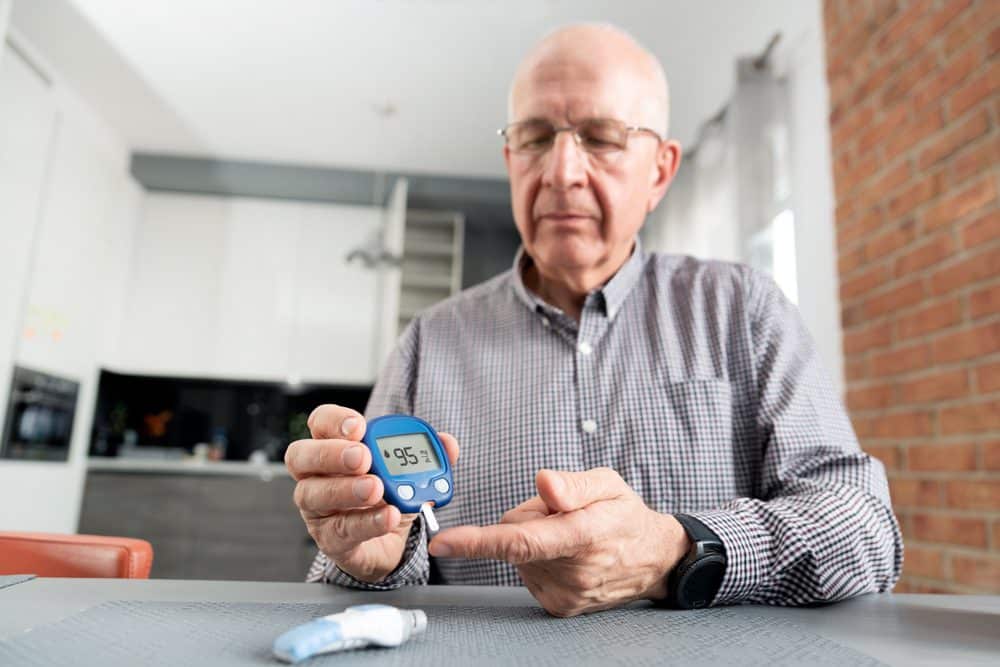
3. How frequently should I check my blood sugar levels?
Let’s continue with these important questions to ask your doctor, because your health is one of the most important things you have. In this case, you and your healthcare provider team up to determine the frequency of blood sugar checks. This is based on your needs, goals, and treatment plan, so be patient!
They could advise you to check your levels before or after sleeping, working out, and eating. Keep in mind that your doctor might suggest you check your blood sugar more frequently during the day when you begin a new treatment. You might be able to check less frequently after 30 days, but that only depends on you and your lifestyle.
4. Are my blood sugar levels alright?
As you already know, your doctor will help you determine your desired blood sugar levels. The American Diabetes Association (ADA) claims that blood sugar goals vary depending on which of the following two states you live in:
- Fasting (preprandial plasma glucose): the ideal blood sugar range is 80–130 milligrams per deciliter (mg/dL), and it is measured for eight hours after eating;
- After eating (postprandial plasma glucose): the desired blood sugar level should be less than 180 mg/dL when measured one to two hours after starting to eat.
Don’t forget that it’s very important to routinely check your blood sugar and to let your doctor know the results. If your levels aren’t at their best, find out from them how to keep them there.
5. How can I tell if my blood sugar is too low or too high?
When your blood sugar levels are too high, it means you have hyperglycemia. On the other hand, when they’re too low, you have hypoglycemia. Both of these are important, so if you want to understand this better, keep reading:
Hyperglycemia
If you constantly have high blood sugar levels, there’s a big chance you won’t even feel the symptoms of hyperglycemia. With that being said, here are some warning signs of hyperglycemia:
- blurred vision;
- sores and cuts that take a lot of time to heal or don’t heal;
- frequent urination;
- increased hunger;
- increased thirst;
- fatigue.
Even though it might seem like these symptoms will quickly pass, keep in mind that hyperglycemia isn’t easy to deal with. Over time, this could lead to several complications that can affect your blood vessels, eyes, nerves, and kidneys.
Hypoglycemia
You might know that particular diabetes medications can lower your blood sugar. That can either be when you take them on their own or in combination with other drugs in your treatment plan. If you have hypoglycemia, you can expect symptoms like these:
- trembling;
- sweating;
- hunger;
- confusion.
It’s very important to ask your doctor for advice, especially since it can lead to several complications if it’s left untreated. These could consist of:
- seizures;
- clumsiness;
- loss of consciousness.

6. Can I have my blood pressure and cholesterol levels checked?
An essential component of any effective diabetes treatment plan is keeping blood pressure and cholesterol levels within acceptable ranges.
Diabetes might cause an increase in triglycerides and LDL (bad) cholesterol while decreasing HDL (good) cholesterol. You should ask your doctor about this because it’s not an ideal situation for your health condition.
Compared to those who don’t suffer from this health condition, those with diabetes have a two-fold increased risk of high blood pressure.
If you’re starting a new diabetic treatment, you might want to have your blood pressure and cholesterol checked every three to six months, just so you know whether you’re within the right parameters.
7. Could you please check my A1c readings to see whether they have decreased?
Another thing you should ask your doctor is to check your A1c levels. When it comes to managing your blood sugar levels, they’re very important. According to experts, it takes two to three months to measure your average blood glucose levels.
The ADA states that your A1c should be 7% or lower. However, based on your age, health, and other lifestyle factors, your doctor might adjust this range.
After you start your new diabetes treatment, it’s a good idea to have your A1c level examined every three months. Moreover, after you’ve met your target A1c objective, you should have it checked every six months just so you know you’re within the right parameters.
8. Can you check my feet?
Even though it might seem like an odd question to ask your doctor, you shouldn’t neglect it because many experts associate diabetes with different foot problems, such as:
- foot deformities;
- blood vessel damage, which leads to improper blood flow in your feet;
- nerve damage;
- foot ulcers that won’t heal.
Your health is important, and so is the health of your feet. With that in mind, ask your doctor to check your feet each time you have an appointment. They might also perform a thorough foot examination one year after you begin a new treatment, just to make sure your feet are healthy.
Your healthcare professional is there to help you get better and receive the right treatment. They won’t be mad because you’re curious to understand your condition better and you’re interested in being healthy. Ask your doctor every question you have regarding your new treatment, and everything will be fine! If you find this article helpful and would like to check out something else from The Lasting Health, here’s a good post for you: Stop Joint Pain! 6 Everyday Habits Wrecking Your Joints








Hi what is the reason for taking medication/blood pressure/cholesterol 7 days a week because as we know it causes liver damage why not 3to 4 times a week