
Understanding the Condition: Causes, Risk Factors, and Diagnosis
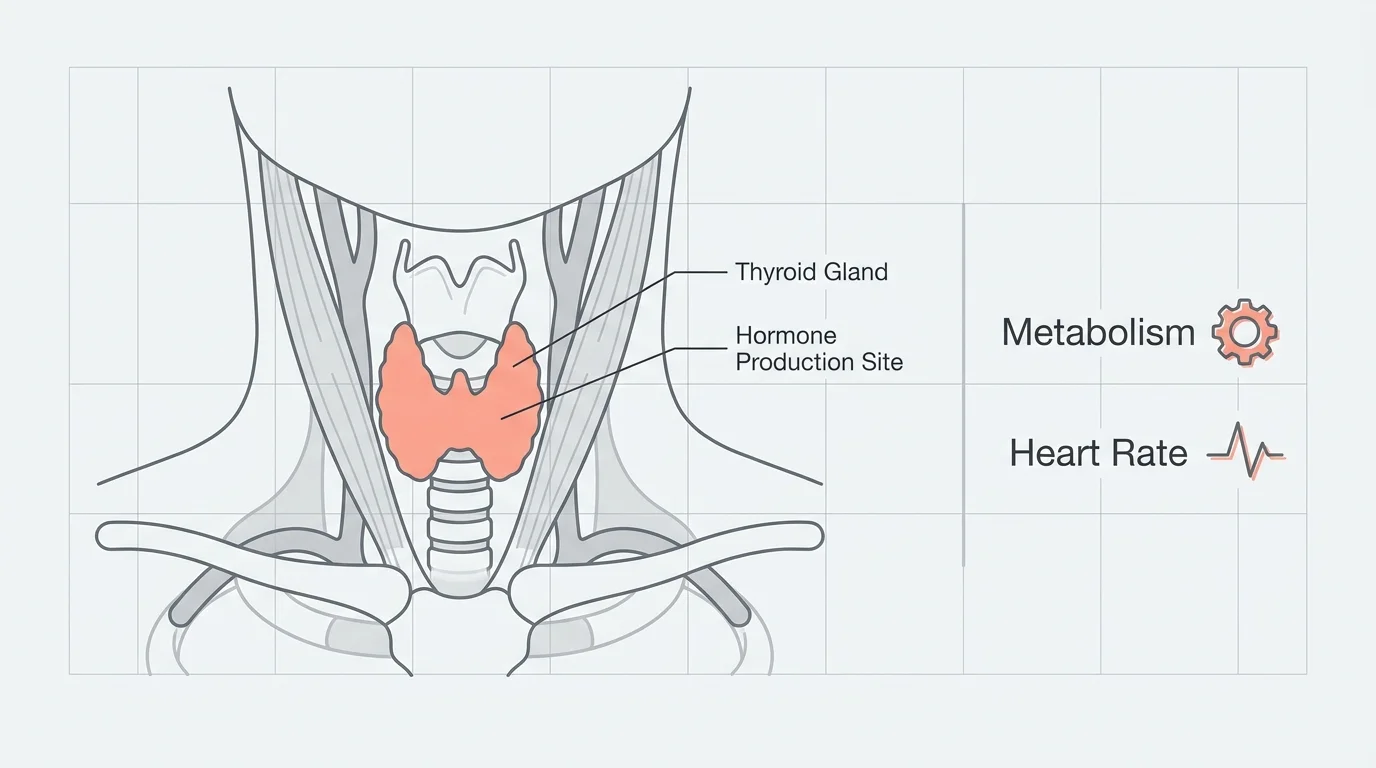
Thyroid disease occurs when your immune system, various medications, or structural bodily changes disrupt the small, butterfly-shaped gland resting at the base of your neck. Autoimmune disorders represent the leading culprits in older adults.
Hashimoto’s thyroiditis gradually destroys the gland’s ability to produce hormones, representing the most common cause of hypothyroidism. Graves’ disease does the exact opposite, producing rogue antibodies that force the gland to overproduce hormones.
Beyond autoimmune threats, common medications prescribed to seniors heavily influence thyroid function. Drugs such as amiodarone for heart arrhythmias or lithium for mood stabilization contain compounds that can severely disrupt normal hormone synthesis.
Furthermore, previous radiation therapy to the head, neck, or upper chest—even administered decades earlier—dramatically elevates your long-term risk of developing a structural hormonal deficit.
Diagnostic testing provides definitive answers and relies primarily on a straightforward blood draw. Your physician will order a Thyroid Stimulating Hormone test, which measures the chemical signal your brain sends to your thyroid gland.
A high result indicates your brain is desperately begging a sluggish thyroid to work harder, while a suppressed result shows your brain attempting to shut down an overactive, runaway gland. If this initial screening shows abnormalities, your healthcare team will measure free thyroxine levels and potentially check for specific autoimmune antibodies to pinpoint the exact mechanism of failure.
Because standard reference ranges sometimes fail to capture the optimal hormone levels for aging bodies, endocrinologists often interpret these results through a specialized geriatric lens.
You can review detailed diagnostic protocols and age-specific hormone guidelines through resources provided by the American Thyroid Association, which offers extensive educational materials for newly diagnosed patients.





Thank you very much this information is very appreciated many women on my mother’s side have had to take medication for thyroid imbalances including myself.
This information is incredibly helpful regarding my thyroid condition. Thank you so much for this educational materials.
I am 73 y/o and lately around 11am I feel like very sleepy and wanted to go back to bed again inspite that I slept about 6-7 hrs already during the night. I could bearly function especially after lunch time.
I take levothyroxine 0.88mcg daily for how many years. TSH is being done routinely e.g every 6mos or one year.
What do you think about my lethargy? Good thing I am retired now.
Thank you