
You must have heard of the word “carcinogen” so far. It pops up in all the news stories, and it’s a topic of high interest for many scientists and health professionals. A carcinogen is something that might cause cancer.
It could either be a substance lingering in the air, a product you use, or even a chemical in foods and drinks. Just because you were in contact with a carcinogen, that doesn’t mean that you will automatically get cancer.
Your chance of getting sick depends on many other things. How much have you been exposed to that particular substance? Your genes also play a big role in it. Researchers might use all kinds of methods to decide whether something should be called a carcinogen.
Larger doses of a substance could be given to lab animals to see if they get cancer. Sometimes, scientists also study the results of newer studies. Here’s a list of some of the most common carcinogens you should pay attention to:
Tobacco
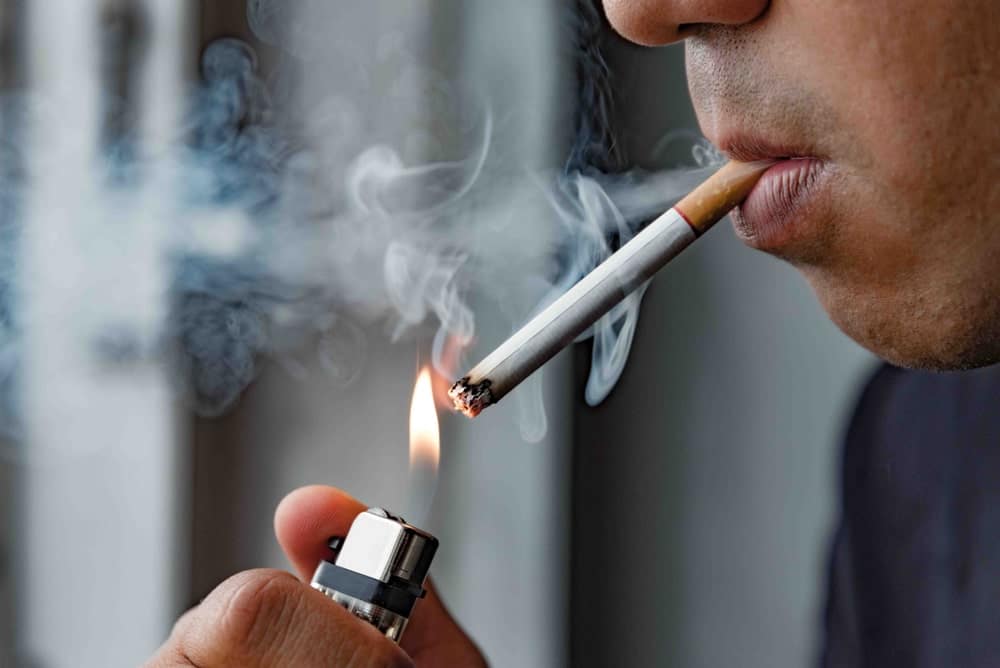
It doesn’t even matter whether you’re a heavy smoker or constantly breathing in someone else’s smoke. A minimum of 70 chemicals found in tobacco are known to cause cancer because they damage your DNA. Smokeless tobacco could seem safer, but it can also lead to cancer. In fact, even light smoking raises the risk, so it would be advised to discuss with your doctor finding ways to quit smoking.
Radon
This gas generally occurs in small amounts in nature, where it’s completely harmless. However, if it builds up indoors and you breathe it, radon could potentially break down the lining of your lungs. In fact, it’s the number one cause of lung cancer in nonsmokers. You can’t even see or smell it, but a special test could check the levels in your home. Some state radon offices will even offer kits for free.
Asbestos
The tough and tiny fibers of asbestos will help strengthen products like roof shingles, ceiling tiles, and even car parts. However, if these fibers break free and you breathe them in, they might get lodged inside your lungs.
Studies with people and animals have repeatedly shown that asbestos is a dangerous carcinogen. If you come into contact with it at your workplace, it’s highly advised to wear protective gear. If it gets into your home, it has to be immediately removed. You should consider hiring an expert to take care of that.
Crispy, brown foods
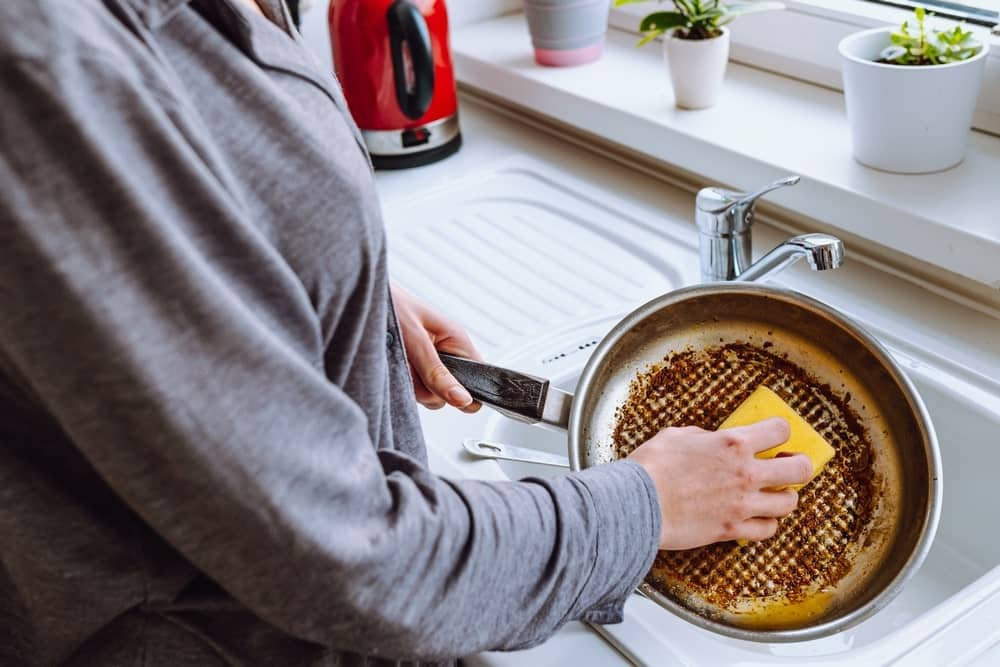
When some vegetables, such as potatoes, are heated to very high temperatures, they release a certain chemical known as acrylamide. Studies show that rats that had acrylamide in their drinking water got cancer quite fast, so researchers have strong reasons to believe that humans might as well.
You could cut the amount you eat by baking, roasting, frying, and even toasting your foods until they have a tan color instead of deep-frying them. Acrylamide can also be found in other types of products, like tobacco smoke, for instance.
Formaldehyde
From plywood to certain fabrics, this chemical is mainly used in household products. Studies on lab rats and people who are around formaldehyde at their jobs repeatedly showed it can cause cancer.
Before deciding on any type of wood product or furniture in your home, you might want to find out if they even have formaldehyde. Air out your house as many times as you can, and try to control humidity levels to the lowest with an air conditioner or even a dehumidifier.
Ultraviolet rays
Studies have shown that ultraviolet (UV) rays, whether they come from the sun or a tanning bed, usually get absorbed into your skin and damage the cells there. Most skin cancer cases are mainly caused by UV rays. Pollution and climate change make these rays much stronger. To stay as safe as you can, make sure you protect your skin with sunscreen, wear a hat and sunglasses, and avoid tanning salons.

Alcohol
The more alcohol you drink, the greater the odds of getting some kind of cancer, whether it’s head and neck cancer, esophageal cancer, breast cancer, liver cancer, or even colorectal cancer. One of the main reasons for this might be related to the carcinogenic chemicals produced in beer, wine, and any other types of hard liquor. Experts even suggest that women shouldn’t have more than one drink per day and men more than two.
Processed meat
Whether it’s bacon, salami, pepperoni, or sausage, any kind of meat that’s been preserved or even flavored could raise your chances of getting colon cancer. Experts even reached that view by examining more than 800 studies.
Eating a hot dog every once in a while is alright, but make sure you limit how much processed meat you have. Also, consider limiting the number of foods that have been salted, fermented, cured, or even smoked.
Engine exhaust
Trucks, buses, trains, and some cars still run on diesel fuel. The gas and soot in diesel engine exhaust are considered to be carcinogenic, causing lung and other types of cancer. If you can, avoid idling in traffic or even spending time next to diesel-run vehicles. If you can’t do anything about it, if it’s part of your job, at least follow workplace safety guidelines and try to protect your health.
Pollution
Besides the exhaust, polluted outdoor air contains a lot of dust and traces of metals and solvents that could lead to cancer. Experts know this very well from looking at data from over 1.2 million people from all over the United States.
You can’t avoid pollution, but what you can do is avoid contributing to it by walking and biking as often as you can. Also, follow local public health warnings and stay indoors on those days with the worst air quality.
How do I avoid carcinogens?
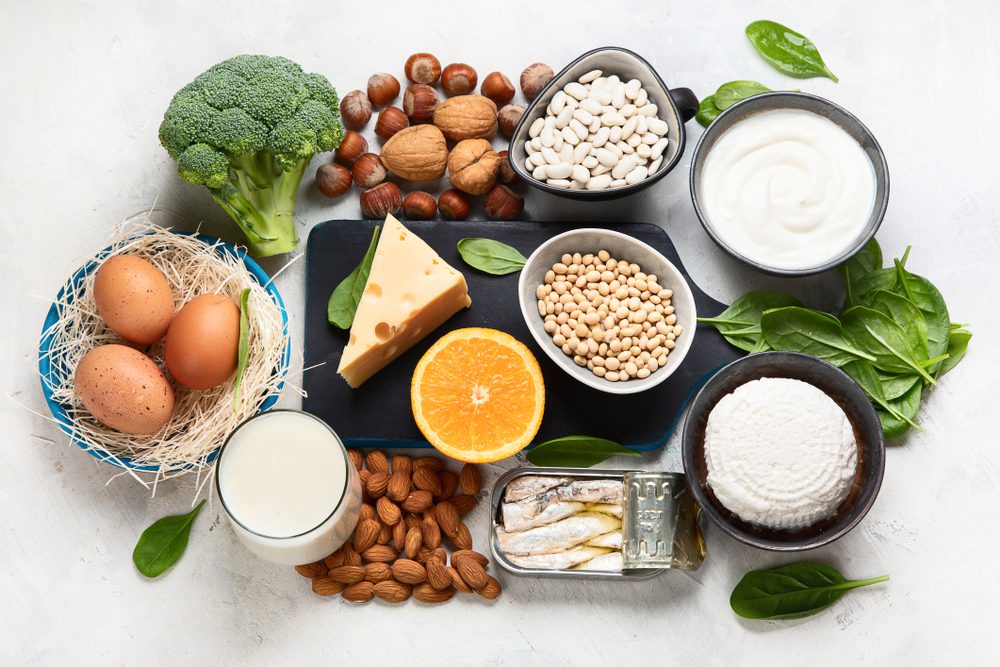
Eating healthier: Even if eating healthier can’t assure cancer prevention, it definitely reduces the risks. Make sure you eat plenty of fruits and vegetables. Build your diet around fruits, veggies, and other types of foods from plant sources, like whole grains and beans. Eat lighter and leaner by prioritizing fewer high-calorie foods. Also, try to limit refined sugars and fat from animal sources.
Maintain a healthy weight and try to remain physically active. Keeping a healthy weight will definitely lower the risk of some types of cancer. These could include breast, prostate, lung, colon, and kidney cancers. When it comes to health, physical activity is mandatory. On its own, it helps lower the risk of breast cancer and colon cancer. Doing any amount of physical activity will benefit your overall health.
Protect yourself from the sun. Skin cancer is definitely one of the most common types of cancer and also one of the most preventable. What you want is to avoid the midday sun, stay in the shade, cover your skin, and never skimp on sunscreen.
Get vaccinated. No, there’s no vaccine for cancer, but certain viral infections could help protect against it. What you want is to talk with a healthcare provider about:
- Hepatitis B: Hepatitis B could increase the risk of developing liver cancer. Adults are at much higher risk of getting hepatitis B if they have intercourse with more than one partner, especially if one of them has a se*ually transmitted infection.
- Human papillomavirus (HPV) – HPV is another se*ually transmitted virus that could lead to cervical cancer and other types of cancers. The HPV vaccine is recommended for girls and boys aged 11 and 12. The U.S. Food and Drug Administration recently approved the use of the vaccine Gardasil 9 for males and females between 9 and 45 years old.
If you found this article useful, we also recommend checking out: 4 Things that Happen if You Stop Your High Blood Pressure Meds






Leave a Reply