

Obsessing over every calorie or daily step count obscures the markers of sustainable wellbeing and healthy aging. You possess more baseline vitality than diet culture leads you to believe, especially if you experience consistent energy and recover smoothly from minor setbacks. Constant bombardment by extreme wellness metrics creates unnecessary anxiety, shifting focus away from functional longevity toward impossible perfection. Health manifests in subtle, everyday patterns rather than a specific number on the scale or a rigid athletic achievement. Recognizing these hidden signs of resilience allows you to appreciate your body’s capabilities, reduce stress, and build upon an existing foundation of senior wellness. Understanding these health signs transforms your approach from endless fixing to steady, self-compassionate maintenance.
The Science of Subtle Resilience
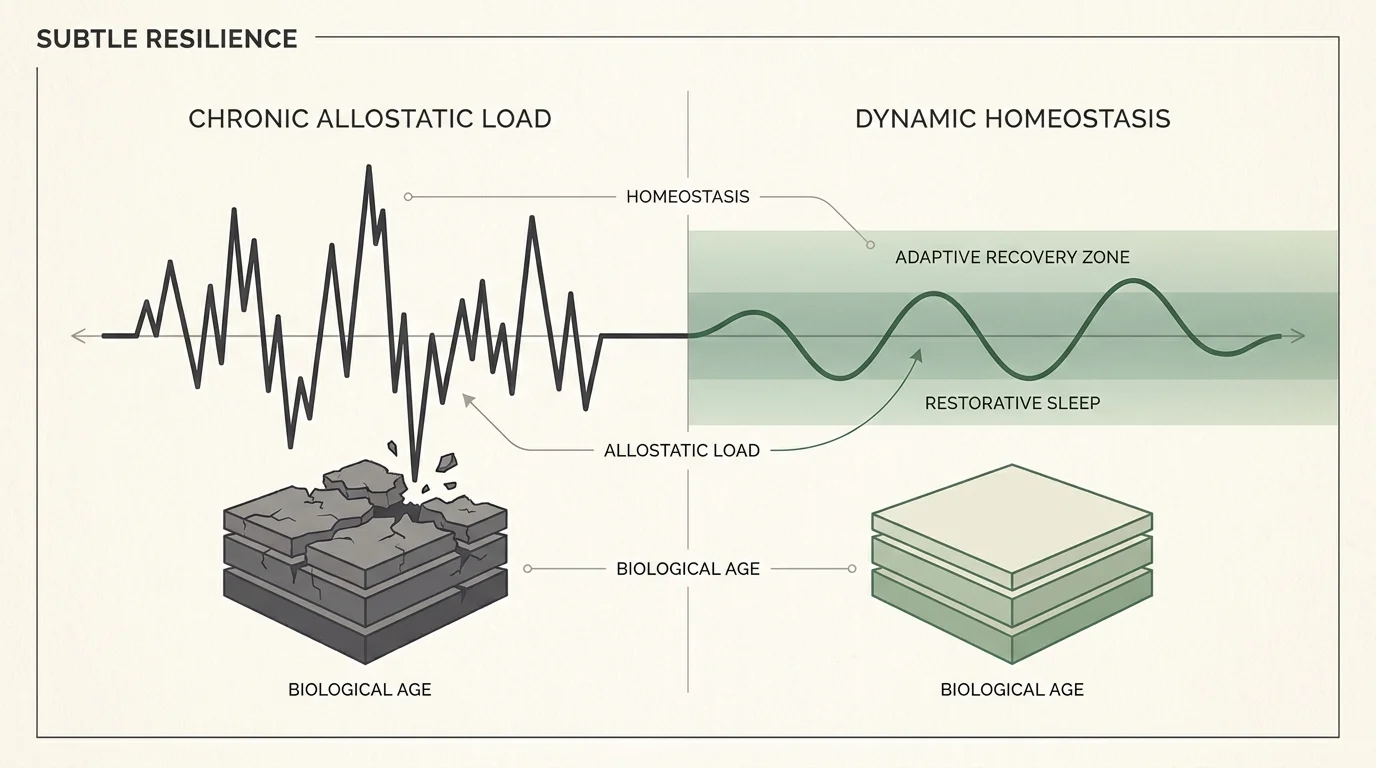
Modern medicine continuously redefines how we measure true human vitality. For decades, the medical community relied heavily on narrow parameters like body mass index or resting heart rate to determine an individual’s health status. While these measurements offer useful data points in a clinical setting, they fail to capture the dynamic, holistic nature of your wellbeing. Researchers now emphasize the concept of allostatic load—the cumulative wear and tear your body experiences in response to chronic stress. When your allostatic load remains manageable, your biological age often tests younger than your chronological age, indicating a robust internal ecosystem.
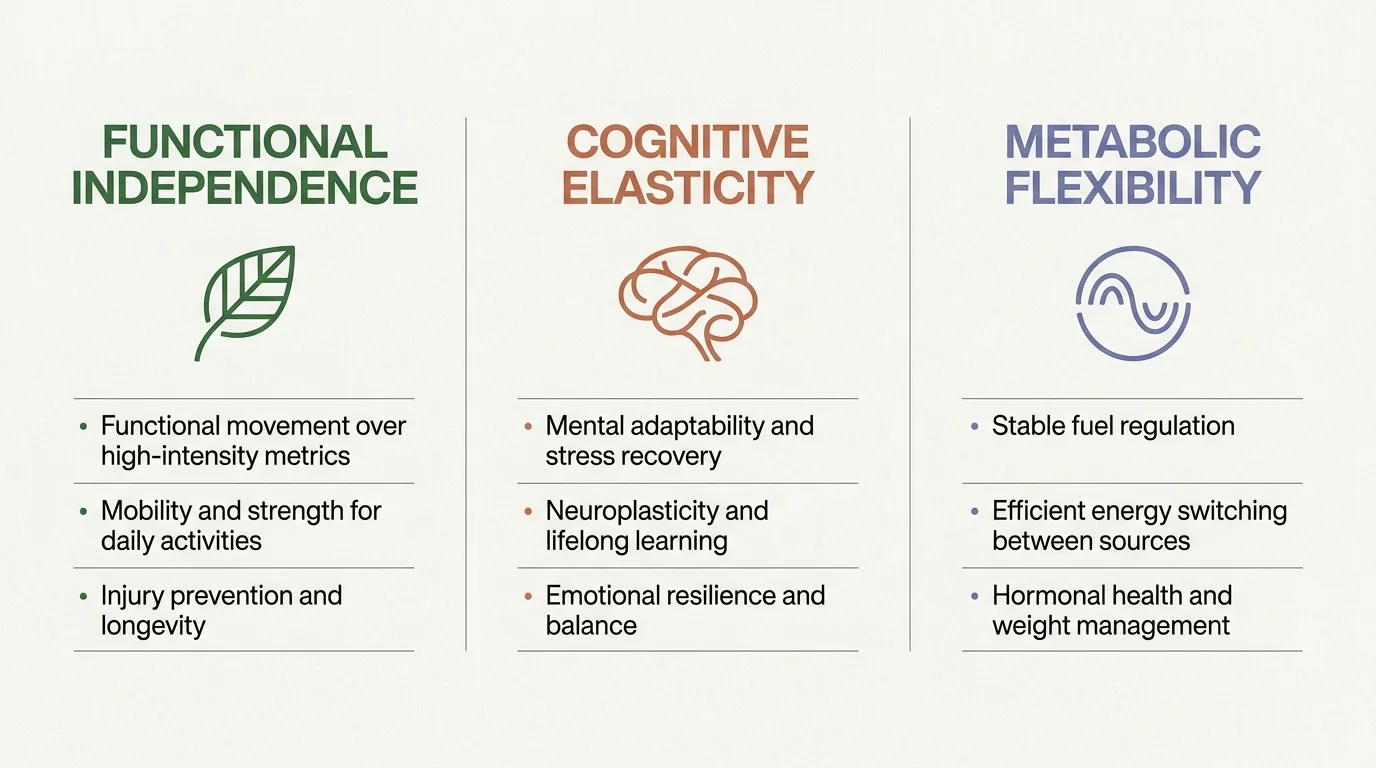
Evidence-based approaches to longevity recognize that health exists on a continuum rather than a strict binary of sick or well. A comprehensive review of National Institute on Aging research on longevity demonstrates that functional independence, cognitive elasticity, and metabolic flexibility serve as far more accurate predictors of long-term survival than isolated numerical metrics. Your body performs thousands of subconscious adjustments every hour to maintain homeostasis. By shifting your attention toward these functional achievements, you develop a more accurate and forgiving assessment of your personal health. You begin to notice the quiet efficiency of your immune system, the steady rhythm of your digestion, and the adaptive strength of your cardiovascular network.
Sign 1: Your Energy Levels Remain Relatively Stable
Experiencing a steady flow of physical and mental energy throughout the day serves as a primary indicator of excellent metabolic health. Many people assume they need boundless, caffeinated enthusiasm to be considered truly healthy; however, a calm, sustained energy profile actually signals superior biological efficiency. When you move through your morning and afternoon without experiencing severe energy crashes or overwhelming lethargy, your body is demonstrating advanced blood sugar regulation. Your pancreas and liver are working harmoniously to distribute glucose safely into your cells, providing a continuous fuel source for your brain and muscles.
Stable energy also reflects the quality of your sleep architecture and your endocrine system’s balance. Waking up feeling reasonably refreshed—even if you need a few minutes to stretch and orient yourself—means your parasympathetic nervous system successfully cycled through the necessary restorative sleep stages overnight. Cortisol, your body’s primary waking hormone, naturally peaks in the morning and tapers off as the day progresses. When you align your daily activities with this natural circadian rhythm, you support long-term hormone health. If you consistently find enough fuel in your tank to complete your daily tasks, engage with your family, and enjoy your hobbies, your metabolic foundation is remarkably solid.

Sign 2: You Recover Quickly from Illness and Injury
Resilience does not mean you never catch a cold or pull a muscle; rather, it defines how efficiently your body mounts a defense and repairs the damage. A highly functioning immune system identifies foreign pathogens, neutralizes the threat, and then quickly dials back its inflammatory response to prevent collateral tissue damage. If you occasionally contract a seasonal virus but recover within a reasonable timeframe without severe complications, your immune pathways are performing exactly as intended. This process relies on a sophisticated communication network between your white blood cells, your gut microbiome, and your bone marrow.
Physical recovery operates on a similar principle of efficient adaptation. When you experience a minor scrape, a bruise, or muscle soreness from a new activity, pay attention to the healing timeline. Prompt tissue repair indicates robust cardiovascular circulation, ensuring that oxygen and essential nutrients reach the compromised area while cellular waste gets whisked away. Mental recovery plays a vital role here as well; bouncing back from a stressful work presentation or an emotional conflict shows that your autonomic nervous system can transition smoothly from a heightened “fight or flight” state back to a baseline of “rest and digest.”

Sign 3: You Find Joy in Varied Physical Movement
A healthy relationship with physical activity stands as one of the most underappreciated markers of long-term wellness. Diet culture frequently frames exercise as a punishment for eating or an obligatory chore required to shrink your body. However, if you naturally gravitate toward movement because it makes your joints feel fluid, clears your mind, or allows you to connect with nature, you possess a deeply healthy psychological approach to fitness. Engaging in non-prescriptive movement—such as vigorous gardening, dancing in your kitchen, or walking a pet—contributes significantly to your overall cardiovascular conditioning and muscular endurance without the psychological burden of rigid tracking.
Public health experts encourage looking beyond the confines of a traditional gym environment to measure physical capability. The most recent federal physical activity guidelines highlight the profound cumulative benefits of incidental daily movement. When you have the functional mobility to carry your groceries, climb a flight of stairs without severe breathlessness, or comfortably get down on the floor to play with a child, your musculoskeletal system exhibits excellent practical health. Celebrating these functional milestones fosters intrinsic motivation, ensuring that you remain active through various stages of your life.

Sign 4: You Maintain Strong Social and Emotional Connections
Humans are inherently social creatures, and robust epidemiological data inextricably links our emotional networks to our physiological health outcomes. Experiencing meaningful connections with friends, family members, or community groups acts as a powerful buffer against systemic inflammation and cognitive decline. When you engage in reciprocal, supportive relationships, your brain releases oxytocin and endorphins—neurochemicals that actively lower blood pressure, reduce perceived pain, and suppress excess cortisol production. The ability to trust others and share your emotional burdens is a profound biological advantage.
Accessibility to community resources and safe environments plays a major role in shaping these connections. Recognizing the impact of these environmental factors, the World Health Organization data on social determinants stresses that community integration directly influences individual longevity. If you regularly participate in a book club, volunteer for a local cause, or simply maintain a routine of calling a close friend each week, you actively engage in preventative healthcare. Emotional flexibility—the capacity to set healthy boundaries, express vulnerability, and ask for help when overwhelmed—demonstrates a sophisticated level of psychological maturity that protects your heart and brain as you age.

Sign 5: You Listen to Your Body’s Hunger and Fullness Cues
Trusting your internal signals regarding food represents a monumental triumph over the pervasive, restrictive messaging of the modern wellness industry. Interoceptive awareness describes your ability to perceive physical sensations inside your body, including the subtle grumbles of early hunger and the comfortable pressure of satiety. When you honor these cues rather than overriding them with arbitrary fasting windows or strict calorie allotments, you support a thriving digestive system. This intuitive approach ensures that you consume a diverse array of macronutrients and micronutrients necessary for cellular repair and hormone synthesis.
Healthy eating patterns naturally fluctuate based on your activity level, your menstrual cycle, the season, and your current stress levels. Allowing yourself the flexibility to eat a heavier meal when you feel depleted, or to enjoy a cultural delicacy without subsequent guilt, indicates an excellent relationship with nourishment. Your gastrointestinal tract relies on a relaxed nervous system to properly digest food and absorb nutrients; thus, removing the chronic stress of food anxiety physically improves your gut function and prevents inflammation.
Strategy Pillars for Enhancing Your Natural Vitality
Recognizing your existing health signs provides a strong foundation, but you can actively nurture this baseline by focusing on a few foundational pillars. Rather than completely overhauling your life, integrate these targeted strategies into your daily routine to support ongoing resilience.
Nourishing Your Body for the Long Haul
Focus on addition rather than restriction when evaluating your dietary habits. Prioritize incorporating diverse sources of dietary fiber—such as legumes, berries, and whole grains—which serve as the primary fuel for a healthy gut microbiome. A thriving microbiome directly supports immune function, synthesizes essential neurotransmitters like serotonin, and helps regulate systemic inflammation. Integrate omega-3 fatty acids found in walnuts, chia seeds, and fatty fish to protect cognitive function and maintain joint lubrication. By consistently providing your body with high-quality building blocks, you ensure that your cellular repair mechanisms operate at peak capacity.
Cultivating Consistent, Joyful Mobility
Develop a movement portfolio that includes cardiovascular conditioning, resistance training, and mobility work, prioritizing activities that bring you genuine satisfaction. Resistance training does not require heavy barbells; utilizing resistance bands or performing bodyweight exercises like squats and modified push-ups preserves lean muscle mass and maintains bone density as you age. Pair this with dedicated mobility practices—such as yoga, tai chi, or dynamic stretching—to preserve your range of motion and prevent fall-related injuries. Consistency always outweighs intensity; a daily twenty-minute brisk walk yields far better long-term cardiovascular results than an erratic schedule of exhausting, high-intensity workouts.
Prioritizing Mental Flexibility and Rest
Treat mental rest as a biological imperative rather than a luxury reserved for vacations. Implement brief, daily periods of sensory deprivation or mindfulness to allow your nervous system to reset. This might involve sitting quietly with a cup of tea without looking at a screen, practicing deep diaphragmatic breathing, or journaling to offload swirling thoughts. Work collaboratively with your healthcare providers to monitor your preventive health screenings, ensuring you catch any potential issues before they escalate. Establishing a relationship of mutual respect with a primary care physician allows you to navigate the complexities of aging with confidence and professional support.

Real Voices: What the Experts See in Healthy Patients
Clinicians who treat patients across the lifespan consistently report that true health looks vastly different in practice than it does in fitness advertisements. Gerontologists and physical therapists frequently prioritize functional strength—specifically grip strength, core stability, and the ability to rise from a seated position unassisted—over cardiovascular aesthetics. They note that patients who maintain an adaptable mindset and a sense of humor about the aging process generally experience better surgical outcomes and fewer hospital readmissions.
Registered dietitians and primary care physicians echo this sentiment, emphasizing that health behaviors matter far more than the exact numbers on a lab report. When reviewing Centers for Disease Control and Prevention reports on chronic disease prevention, medical professionals advocate for sustainable lifestyle modifications over rapid medical interventions. Doctors often reassure their patients that a slightly elevated BMI or a modest fluctuation in blood pressure, when accompanied by active living and strong social ties, does not automatically equate to impending disease. The experts encourage viewing your health as a lifelong garden to be tended, rather than a machine requiring constant optimization.
Frequently Asked Questions
Does a high BMI automatically mean I am unhealthy?
No. Body Mass Index is an outdated screening tool that only measures a ratio of height to weight; it cannot distinguish between muscle mass, bone density, and visceral fat. Many individuals classified as overweight by BMI standards possess excellent cardiovascular fitness, pristine metabolic blood panels, and high daily energy levels. Healthcare providers increasingly recognize that weight stigma causes more physiological stress and avoidance of medical care than the actual adiposity itself. Focus on your functional abilities and metabolic markers rather than the scale.
How does stress impact my physical signs of vitality?
Chronic stress triggers the continuous release of cortisol and adrenaline, which subsequently elevates your blood pressure, suppresses your immune system, and disrupts your digestive processes. Even if you maintain excellent nutrition and exercise habits, unmanaged psychological stress can mask your natural vitality by causing persistent fatigue and brain fog. Addressing the root causes of your stress, whether through therapy, lifestyle changes, or community support, allows your parasympathetic nervous system to re-engage, thereby revealing your body’s true resilience.
Can I improve my baseline health if I have a chronic illness?
Absolutely. Having a chronic illness does not mean you lack health; it simply means your body requires specific support to maintain homeostasis. You can cultivate profound wellness alongside a diagnosis by managing your symptoms effectively, engaging in accessible movement, and prioritizing your mental health. Many people with chronic conditions exhibit extraordinary resilience and biological adaptability. Always work closely with your medical team to safely modify physical activities and nutritional plans to suit your unique physiological needs.
When should I consult a doctor about changes in my daily energy?
You should consult a healthcare professional if you experience a sudden, unexplained drop in your energy levels that does not resolve after a few days of adequate rest and hydration. Persistent fatigue that interferes with your ability to perform basic daily tasks, sudden shortness of breath, or uncharacteristic cognitive confusion requires immediate medical evaluation. These symptoms can indicate underlying issues such as anemia, thyroid dysfunction, or cardiovascular anomalies that warrant personalized, diagnostic testing.
Taking the Next Step Forward
Recognizing your inherent health shifts the narrative from perceived deficits to tangible strengths. You are already engaging in countless subtle behaviors that support your longevity, from seeking connection with loved ones to honoring your body’s need for sleep. Lean into these positive patterns. Start by identifying one specific area of your life where you already feel capable and vibrant—perhaps it is your daily afternoon walk or your intuitive approach to eating—and take a moment to genuinely appreciate your body’s reliability. Consider how you might apply that same self-compassion to an area of your health you wish to gently improve, creating a sustainable, joyful path forward.









Leave a Reply