

Coughing? Feeling congested? Sneezing? Are these signs of the flu, a cold, allergies, RSV or COVID? This year, it could be any of them. Yes, it’s that time of the year again, when almost everyone seems to be getting sick—your friends, your family, your co-workers. Even your dog.
In the past few years, COVID-19 has been the likely culprit behind your cough, sore throat, and sniffles. But health experts point out that it’s more of a toss-up this season between the influenza, coronavirus, respiratory syncytial virus, or RSV, and other cold viruses.
Last December, the Centers for Disease Control and Prevention (CDC) issued an advisory warning about a dangerous spike in respiratory illnesses and a dangerously low rate of vaccinations and urged doctors to recommend immunizations and antiviral drugs where appropriate.
So, what are Americans catching this winter? Is it the flu, a cold, RSV or COVID? Let’s dive into the matter!
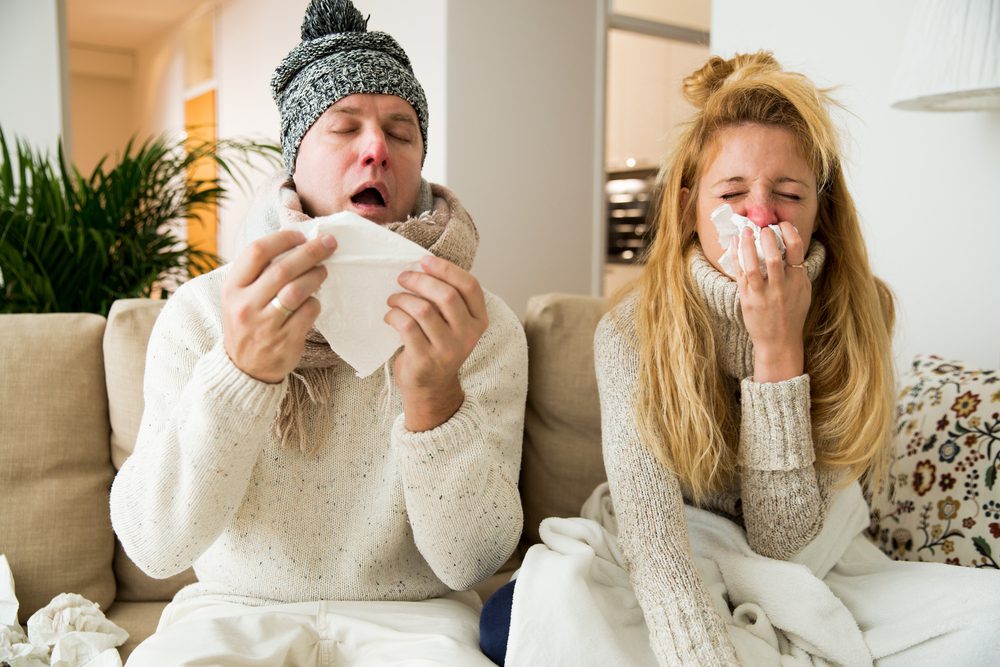
A rise in infections
The CDC recently listed 39 US states, including Florida, that experienced high or very high levels of respiratory illnesses with cough, fever, and other symptoms in the week ending December 30, 2023.
That includes COVID-19, RSV, influenza (flu), and other viruses, but the flu has seen the largest increase. It’s important to note that positive lab tests for the flu went up to 17.5% of all tests given during that period nationwide.
The data from the Florida Department of Health shows a drop in flu positivity rates and emergency room visits for the week ending January 6 in most regions of the state, except for Highlands, Taylor, Martin, Bay, and Flagler counties. However, while the percent of emergency room visits with discharge diagnoses of flu is down from the week previous, it’s still significantly higher than the last three years.
But how about RSV or COVID?
RSV has been surging across the US
The RSV, a common respiratory virus that’s generally more like a cold for adults, can be dangerous for babies, young children, and older adults with chronic medical conditions. Emergency room visits for RSV have returned to previous year’s levels as of last week, but over the holiday season, the number of adults and children rushed to the hospital was significantly higher than it had been three years ago.
How can you tell if your symptoms are the flu, a cold, RSV or COVID? Let’s start with the symptoms of RSV.
According to the CDC, they tend to show up within four to six days after infection and may include coughing, sneezing, wheezing, fever, a runny nose, and a decrease in appetite.
The symptoms generally appear in stages rather than all at the same time, and doctors say they usually resolve on their own within a week or two. In babies under 6 months, the only noticeable symptoms may be breathing difficulties, irritability, or lethargy.
According to the CDC, healthy adults and little kids with RSV infections usually don’t need to be hospitalized. However, it may be necessary if the person is dehydrated or is having trouble breathing.
You can’t tell whether it’s RSV or COVID unless you test yourself.

What are the symptoms of COVID?
The flu, a cold, RSV or COVID? Usually, the infection with coronavirus is a bit different from the RSV. According to the CDC, the most common symptoms of any variant of COVID-19, including the most recent one, JN.1, are cough, sore throat, headache, fever or chills, muscle or body aches, congestion or runny nose, new loss of taste or smell, fatigue, nausea, vomiting, or mild diarrhea, and brain fog (fuzziness, difficulty thinking or focusing).
It’s important to note, though, that some people with COVID are asymptomatic and never experience any symptoms, although they can still pass the virus on to others. Also, many people display mild symptoms, so they don’t really know if it’s RSV or COVID.
If symptoms arise or you’ve been in contact with someone with COVID, get yourself tested. The same thing applies if you can’t tell whether it’s the flu, a cold, RSV or COVID. If the test comes up positive for coronavirus, observe the recommended distancing and isolation methods. Ask your doctor for the antiviral Paxlovid, which has been shown to be pretty effective for people at risk of severe complications.
According to the CDC, if you’re showing any of the following signs, seek emergency medical care right away: new confusion; trouble breathing; inability to wake or stay awake; persistent pain or pressure in the chest; pale, blue, or gray-colored skin, lips, or nail beds, depending on skin tone.
While the coronavirus is no longer a public urgency, please note that 8,366 Floridians passed away last year from it, and 53 have died already in 2024. Even those with mild or no symptoms at first had to deal eventually with the debilitating effects of long COVID.
What are the symptoms of the flu?
They are more or less the same as with RSV or COVID, except for the brain fog and the loss of taste or smell, and not everyone will run a fever.
COVID-19 symptoms generally start to show up two to 14 days after exposure to the virus. Flu symptoms appear about one to four days after exposure to an influenza virus.
However, it’s worth mentioning that COVID-19 can cause more severe illnesses in some people than the flu, as well as complications such as lasting respiratory problems and blood clots, and it’s impossible to tell whether it’s the flu, RSV or COVID without testing.
Last year, the Food and Drug Administration issued an authorization for the first over-the-counter at-home test that can detect and differentiate between COVID-19 and flu.
The Lucira COVID-19 and Flu Home Test is a single-use test that can be bought without a prescription and displays results in 30 minutes or less for COVID-19, influenza A, and influenza B.

Should I get the flu shot?
The answer is yes. Influenza is a dangerous virus, and flu vaccines, while not perfect, still help a lot. The CDC recommends that, with rare exceptions, everyone 6 months and older should get a flu shot every season.
Public health experts point out the fact that vaccination is essential to protect individuals and communities and to avoid further strain on already overburdened health care systems.
If you’re prone to catching a cold or the flu, the same methods used to prevent the spread of RSV or COVID work the same way. In 2021, when people across the country were socially distancing, washing their hands, and wearing masks, the flu virtually disappeared.
What are the symptoms of a cold?
Like the flu, RSV or COVID, the symptoms of the common cold are often sneezing, coughing, a sore throat, a runny or stuffy nose, tiredness, and sometimes a fever. Symptoms typically appear one to three days after exposure to a cold-causing virus.
Unlike flu, RSV or COVID, a cold is usually harmless (but keep in mind that each of the respiratory infections can affect more certain groups of people), and cold-sufferers, while miserable, usually recover in three to 10 days. But it’s highly contagious, especially when your symptoms are at their worst.
With that said, while there are some differences between the four respiratory infections, you can’t really tell if it’s the flu, a common cold, RSV or COVID (especially if you have mild symptoms). Whether you get tested or not, it’s important to prevent the spread of the virus and wear a mask in public spaces (here’s where you can stock up yourself).
You may also want to read 9 States with the Highest Number of New COVID Variant Cases.








Leave a Reply