
Are You Having These Symptoms? You Might Have Arrhythmia!
Arrhythmia doesn’t always cause noticeable symptoms but can be easily detected by doctors at a routine examination. It occurs when the electrical signals that coordinate heartbeats are not working correctly anymore. It’s scary that some people have life-threatening arrhythmia with ZERO symptoms, while others who are dealing with a severe form may experience multiple symptoms. However, arrhythmia can cause complications and be fatal, which is why you should carefully listen to what your body is trying to tell you.
There are several types of arrhythmia and here are some of their most common symptoms:

Tachycardia
Tachycardia means a rapid heartbeat and the symptoms include:
- dizziness
- breathlessness
- lightheadedness
- chest pain
- sudden weakness
- palpitations
- fainting or nearly fainting
Bradycardia
Bradycardia means a slow heart rate and here are the most common symptoms:
- chest pain
- difficulty concentrating
- confusion
- difficulty exercising
- tiredness
- dizziness
- palpitations
- profuse sweating
- shortness of breath

AFib
Atrial fibrillation (AFib) is a condition that causes the upper chambers of the heart to beat fast and irregularly. Here are its symptoms:
- angina
- breathlessness
- weakness
- palpitations
- dizziness
- fainting or nearly fainting
6 Common Signs You Might Have Arrhythmia
If you have any of these symptoms make sure you meet your doctor as soon as possible for a check-up, because you might be suffering from Arrhythmia. It means your heart is beating too quickly, too slowly, or maybe too early, with an irregular rhythm. Continue reading to learn about types, causes, risk factors, and prevention.
Weakness, tiredness, dizziness, palpitations, chest pain, and difficulty concentrating are, by far, some of the most common signs you should see a doctor ASAP!
Are you feeling more tired and have difficulty concentrating? You might be in danger! Make sure you set an appointment if the symptoms persist.
What are the causes and types of Arrhythmia?
There are several types of Arrhythmia and their causes and symptoms might differ a little bit.
AFib: it is the irregular beating of the atrial chambers and most of the time involves tachycardia. It develops for adults up to 65 years old and is really common. The quivers and produces a rapid heartbeat.
Atrial flutter: it is caused by an area in the atrium that is not conducting correctly. It can be a serious and dangerous condition and leads to fibrillation without treatment.
Supraventricular tachycardia: it begins in the upper chambers of the heart and is a rapid heartbeat also called SVT. Atrial fibrillation and flutter are classified by doctors under SVT.
Ventricular tachycardia: refers to an abnormally fast heartbeat caused by electrical impulses that start in the lower chambers of the heart. Scarring from a previous heart attack can be a cause of VT.
Ventricular fibrillation: it happens when the ventricles of the lower chamber do not pump blood but quiver instead. VFib is an uncoordinated and irregular heart rhythm.
Bradycardia: it happens when the heartbeat is really slow, below 60 beats per minute, and is caused by a problem with the sinoatrial node, the heart’s natural pacemaker.
Long QT syndrome: it is a syndrome that a person was born with, causing uncoordinated heartbeats from time to time. The Long QT syndrome can be life-threatening, so make sure you keep it under control.
Are there any risk factors for Arrhythmia?
There are a lot of risk factors for arrhythmia but some of the most common ones are: aging, smoking, obesity, diabetes, kidney disease, and family history. We want to admit it or not, aging comes with all kinds of problems and it’s not easy at all to deal with them. First of all, our mental health should be the first one we should take care of. If we are mentally and emotionally stable, there’s nothing that can beat us.
So, make sure you have a healthy lifestyle and a balanced diet, and take care of your feelings and emotions. If you do so, no matter the health issue you may have to deal with, you will find a way, you will find your strength and you’ll win any kind of battle you put your mind into.
Remember that ignoring mental health increases the likeliness of having a sad life, and bad management of critical situations.
In the case of Arrhythmia, aging is probably one of the most common reasons why we develop it. So, all we have to do is accept that during our lifetime our bodies are going through a lot of changes and every stage comes with its challenges. After we’re okay with that, any kind of treatment prescribed by a doctor will simply work better. However, it doesn’t mean that you should smoke and consume alcohol regularly. It means that you need to find your balance, and once you do it, every problem will seem to have a solution.

What are the possible complications of Arrhythmia?
Considering that complications of care arise, treatment is mandatory for arrhythmia patients. Even though, some people may not experience symptoms regular check-ups and pills are a must.
Here are the most common complications:
- stroke
- heart failure
- cardiac arrest
Remember that contacting a doctor as soon as you notice symptoms that might indicate heart issues can significantly lower the likeliness of complications.
How to prevent Arrhythmia?
Unfortunately, Arrhythmia can’t be prevented, but here are some steps a person can take to significantly reduce the risk of developing it:
- being physically active
- limiting alcohol consumption
- checking with a doctor before taking any supplements or medicines
- doing doctor check-ups regularly
How do doctors diagnose Arrhythmia?
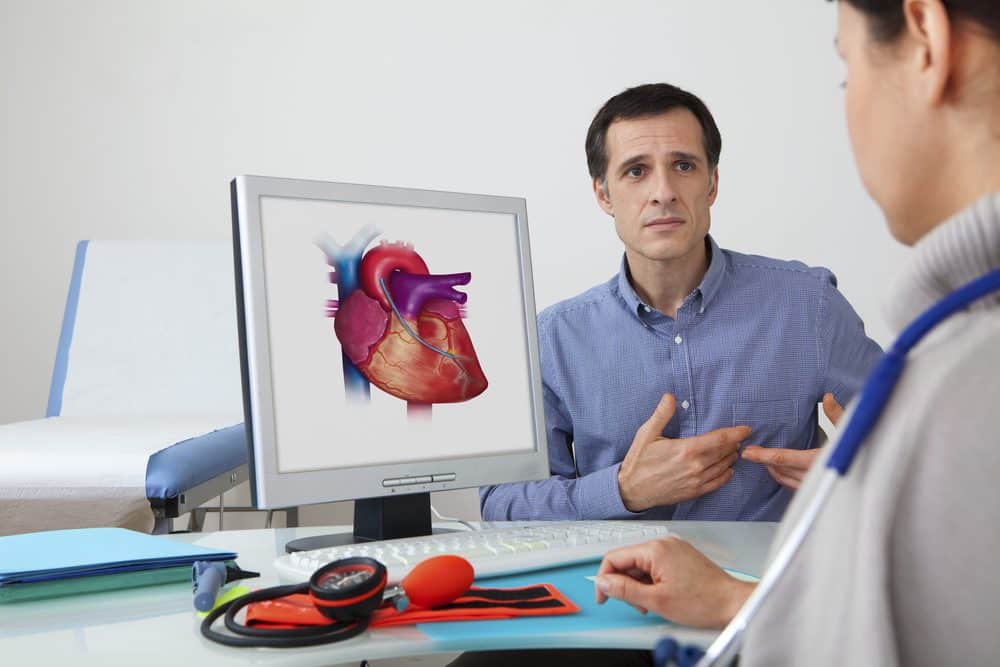
Firstly, they will need to identify the unusual beat and try to find the source of the change. They will ask you about your symptoms and here is the part when you must be 100% sincere about how you feel because once the doctor understands what is going on, you’re one step closer to healing. After they understand the symptoms you have been dealing with they will go further to a physical exam. They will measure the heart rate, pulse, and blood pressure. They will also listen for a heart murmur which often indicates a serious problem, and last but not least, they will check for symptoms such as fluid retention or swelling.
Usually, all the doctors also recommend some basic tests, such as blood and urine tests, electrocardiogram, a Holter monitor, an electrophysiology study to measure electric activity in the heart, and heart imaging tests (CT scan or MRI).
Before leaving, make sure you check out this amazing product that can be found on Amazon. It’s an EKG Monitor that every senior should have at home. It’s small, easy to use, and can help you prevent life-threatening situations. This 6-view EKG will give you a more detailed view of your heart and more data to share with your doctor. With KardiaMobile 6L you can detect AFib, Bradycardia, Tachycardia, and normal Sinus Rythm right on your smartphone. Keep in mind that you don’t need a KardiaCare subscription which is really awesome!
Have you dealt with heart issues before? Or did you have any of these symptoms? If you are suffering from Arrhythmia, let us know about your experience and treatment in the comment section. It will, for sure, help other people in need.
If you are interested in this topic, you may also want to read: Feeling These 8 Things? Your Heart May Need Urgent Help.








Good supportive educational program.